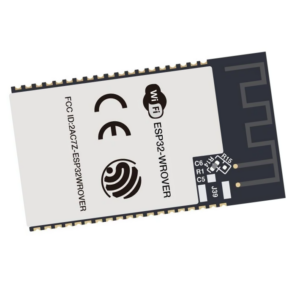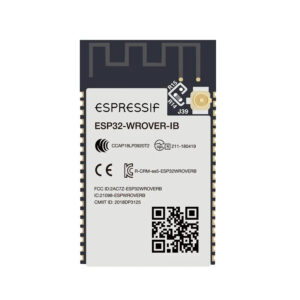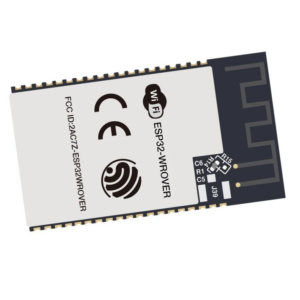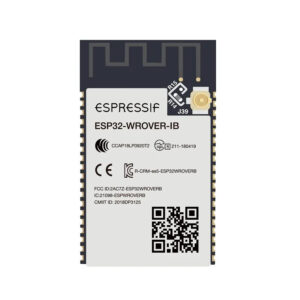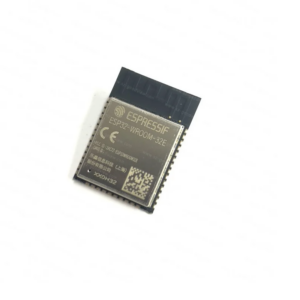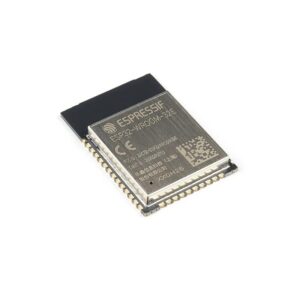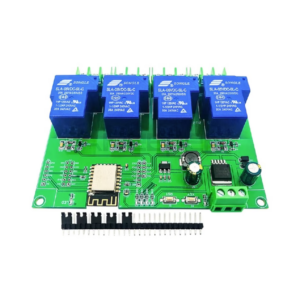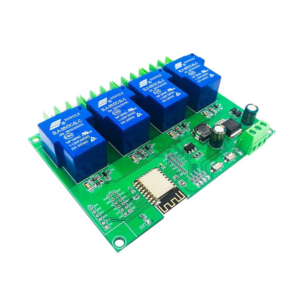


ESP8266 Serial WiFi Expansion Board Module for Arduino
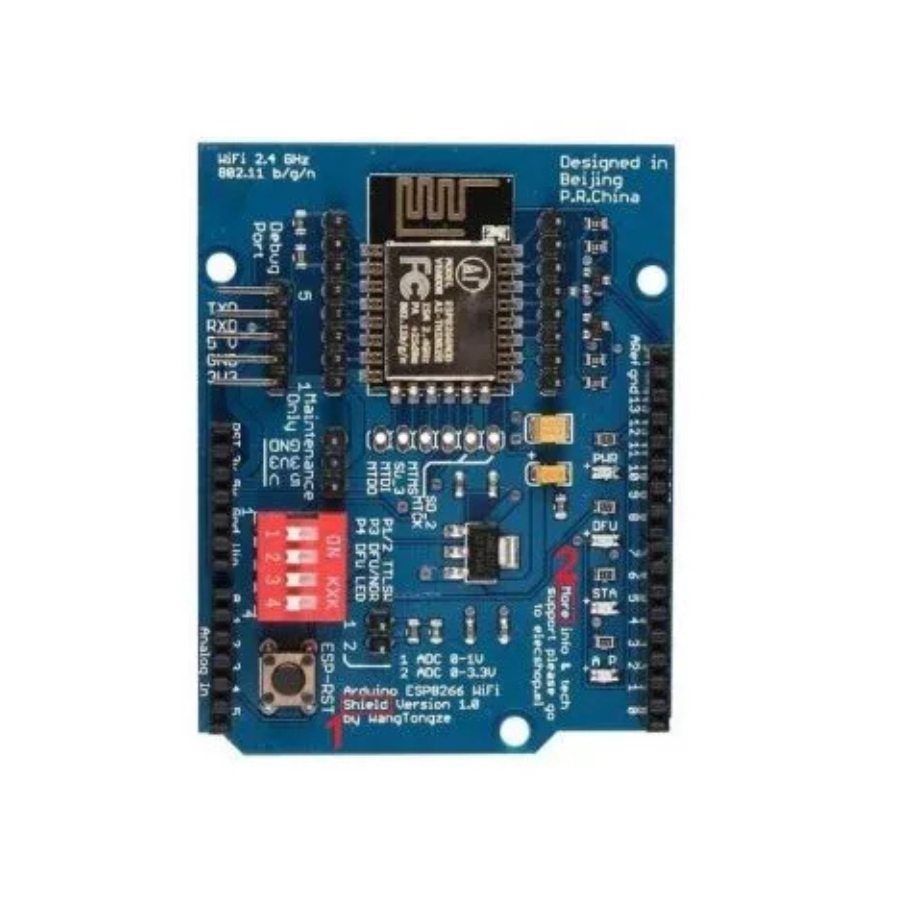
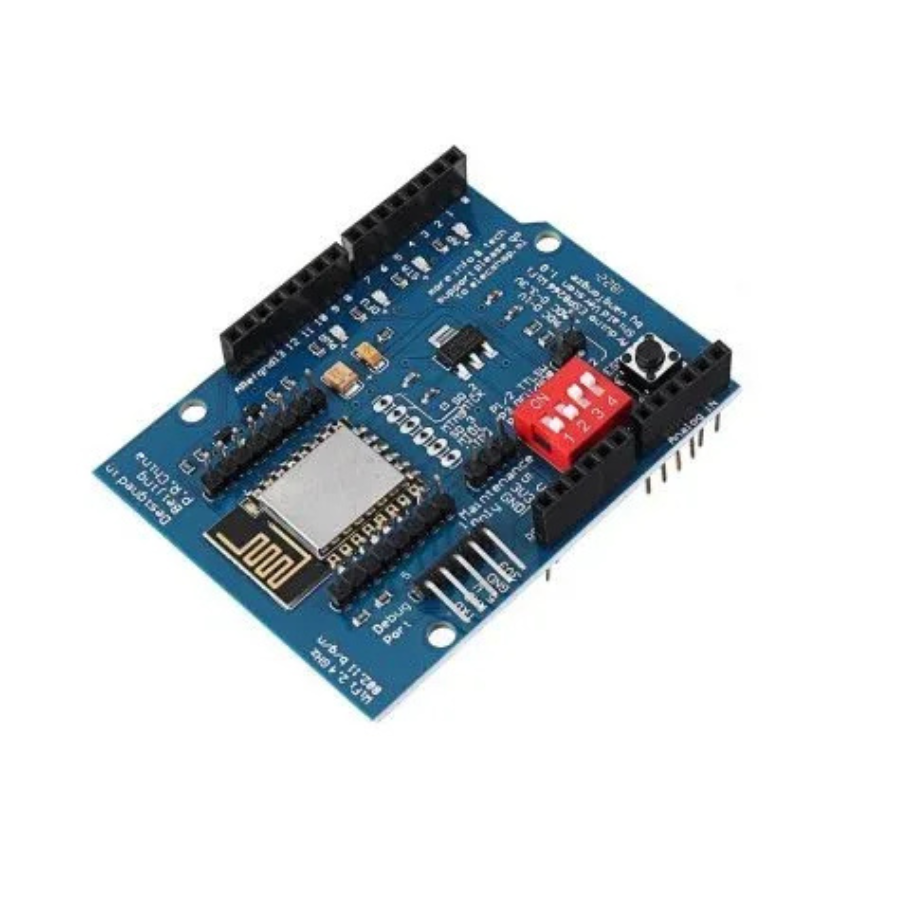
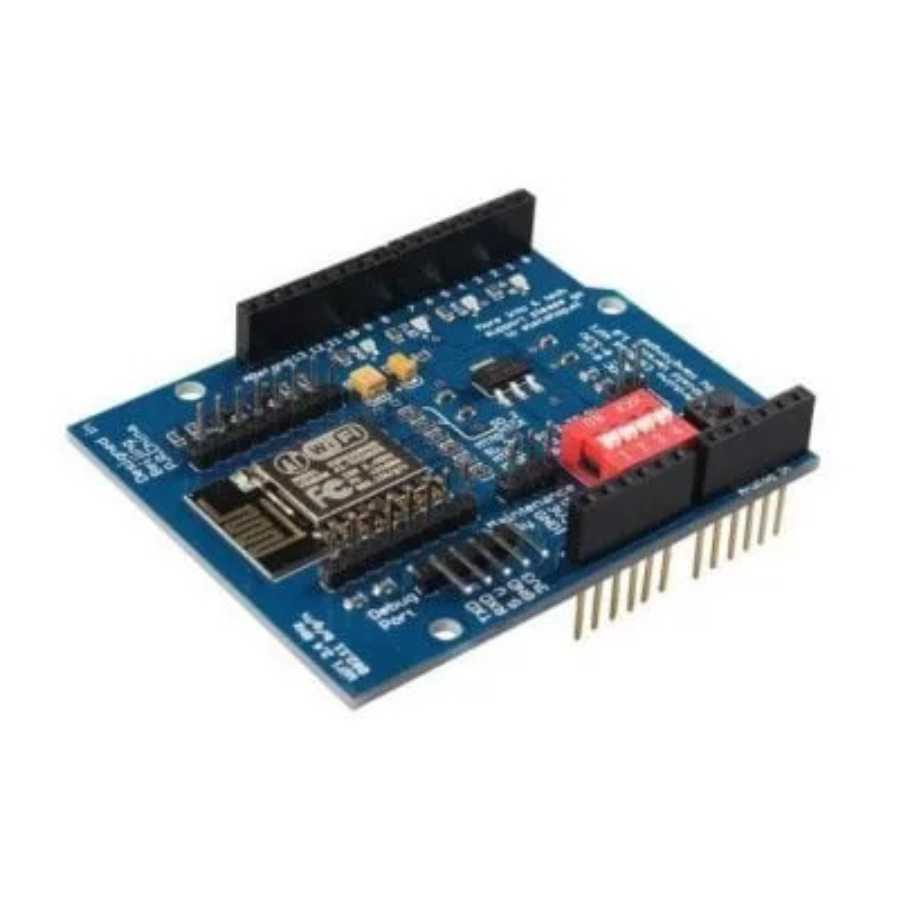
The ESP8266 Serial WiFi Expansion Board Module is a shield that allows the Arduino to connect to WiFi networks easily using the ESP8266 ESP-12E UART Wireless WIFI Shield TTL Converter. It eliminates the need for a complex circuit with multiple components and wires to link an ESP8266 to the Arduino. Just plug the board into the Arduino, set the DIP switch path according to the shield’s operating mode, and program the Arduino to access WiFi networks. Moreover, the board can work independently of the Arduino, as it has all the pin-outs of the ESP-12E available.
Specifications and Features:
- 32-bit RISC architecture
- The processor can operate at 80MHz / 160MHz
- 32MB flash memory
- 64kB for instructions
- 96kB for data
- Standard native WiFi 802.11b / g / n
- Operates in AP, Station or AP Station mode
- It has 11 digital pins
- It has 1 analogue pin with 10-bit resolution
- Digital pins except the D0 have interrupts, PWM, I2C and one wire
- Programmable through USB or WiFi (OTA)
- Compatible with Arduino IDE
- Compatible with modules and sensors used in Arduino
| Model | ESP8266 Serial WiFi Expansion Board Module for Arduino |
|---|---|
| Flash Memory (KB/MB): | 32MB |
| No. of Pins | 11 |
| Architecture | 32-Bit |
| Shipping Weight | 0.25 kg |
| Shipping Dimensions | 6 × 4 × 1 cm |
Package Includes:
1 x ESP8266 Serial WiFi Expansion Board Module for Arduino
ESP8266 Serial WiFi Expansion Board Module for Arduino Overview
The ESP8266 Serial WiFi Expansion Board Module for Arduino is a plug-in shield that brings native 802.11b/g/n connectivity to any Arduino board via the ESP-12E UART interface. With built-in 32-bit RISC processing, ample flash memory and DIP-switch selectable modes, it simplifies wireless networking without extra wiring or complex circuitry.
Key Features of ESP8266 Serial WiFi Expansion Board Module for Arduino
- 32-bit RISC processor running at 80 MHz or 160 MHz for responsive network tasks
- 32 MB onboard flash memory with 64 kB for instructions and 96 kB for data storage
- Standard 802.11b/g/n WiFi supporting AP, Station or combined AP+Station modes via DIP switches
- Full ESP-12E pin-outs accessible for standalone projects or shielded Arduino use
- Eliminates additional wiring—just plug into Arduino headers and set your mode
- Fast shipping from Zbotic: get genuine boards delivered swiftly across India
Applications and Use Cases
- Adding WiFi connectivity to Arduino-based home automation panels
- Remote environmental monitoring with wireless sensor nodes
- Developing web-controlled robots or smart devices
- Data logging projects that upload to cloud services over WiFi
- Prototype IoT products requiring easy mode switching between AP and Station
How to Use ESP8266 Serial WiFi Expansion Board Module for Arduino
Install the shield onto your Arduino’s header pins, adjust the onboard DIP switches for your desired WiFi mode (AP, Station or both) and select the TX/RX pathway. In the Arduino IDE, use standard Serial commands or ESP AT firmware commands to configure network SSID, password and operation. For standalone operation, connect 3.3 V power and a USB-to-TTL serial adapter to access the ESP-12E pins directly.
Why Buy from Zbotic?
- Genuine Products: All items sourced from authorized distributors
- Fast Shipping: Orders ship within 24 hours with tracking (non backordered products)
- Free Shipping: Free delivery on qualifying orders
- COD Available: Cash on Delivery, UPI, cards, net banking
- Technical Support: Expert help for setup and troubleshooting
- Easy Returns: Hassle-free replacement for defective products
Frequently Asked Questions
Can I use this board without an Arduino?
Yes. All ESP-12E pins are broken out on the shield, so you can power it at 3.3 V and connect to any USB-TTL adapter or microcontroller for standalone WiFi applications.
How do I switch between AP, Station and AP+Station modes?
Set the mode DIP switches on the shield as labeled: one position for AP, another for Station, and both engaged for simultaneous operation. No soldering or code changes are required.
What is the procedure to change the processor clock speed?
Use the AT+CIOBAUD or SDK configuration commands in your serial terminal to switch the ESP8266 between 80 MHz and 160 MHz operation. Ensure sufficient power is supplied when running at the higher frequency.

Arduino Nano 33 BLE Sense: Machine Learning on a Tiny Board
The Arduino Nano 33 BLE Sense ML capabilities have redefined what is possible with embedded systems. This remarkable...
Read More →
Arduino Capacitive Touch Sensor: No Hardware Needed
Did you know you can implement an Arduino capacitive touch sensor without any additional hardware? Using just a...
Read More →
SAMD21 vs ATmega328: ARM vs AVR for Your Next Project
The ATmega328P has powered Arduino projects for nearly two decades. It is predictable, well-documented, and runs on 5...
Read More →Technical Specifications
| Model | ESP8266 |
|---|---|
| Interface / Protocol | WiFi |
| SKU | AI3229 |
| Weight | 0.03 kg |
| Availability | In Stock |
Applications & Use Cases
The ESP8266 Serial WiFi Expansion Board Module for Arduino is a versatile shield for arduino used across a wide range of applications including electronics projects, DIY builds, prototyping, and educational experiments.
Common use cases:
- Integrating into a custom electronics project
- Learning and experimenting with circuits
- Replacing or upgrading components in existing setups
This product is ideal for electronics enthusiasts, engineers, and students.
Technical Tip: Always verify voltage and current requirements before connecting to your circuit. Check datasheets for detailed specifications and pin configurations.
Shipping & Delivery
- Free shipping on orders above ₹999 across India
- Dispatched within 1-3 business days
- Expected delivery: 3-7 business days depending on location
- Secure packaging to ensure safe transit of electronic components