
E-Ink Display Buying Guide: Best Waveshare Modules for India
E-ink displays have quietly become one of the most useful components in any maker’s toolkit. If you are searching for an e-ink display Waveshare India buying guide, you are in the right place. Unlike LCD or OLED panels that consume power continuously to maintain an image, e-paper (electronic ink) displays only draw current when the screen changes — making them ideal for battery-powered projects that display infrequently updated information. In this guide, we compare the most popular Waveshare e-paper modules available in India, explain the key technical differences, and help you choose the right one for your specific use case.
How E-Ink Technology Works
Electronic ink displays use millions of tiny microcapsules, each containing white particles (positively charged titanium dioxide) and black particles (negatively charged carbon) suspended in a clear fluid. An electric field applied to each pixel causes the white or black particles to rise to the surface, creating the visible image. Once set, the image remains permanently without any power — this is called bistable behaviour.
This bistability is what makes e-paper so special for IoT and maker projects:
- Ultra-low power: Zero current draw when image is static. A fully charged 18650 cell can power a price tag or weather display for months.
- Sunlight readable: Reflective display technology — reads perfectly outdoors even in bright Indian summer sun. No backlight needed.
- Eye comfort: Paper-like appearance with no flicker, no blue light emission, and no glare
- Wide viewing angle: Nearly 180° — you can read it from almost any angle
The trade-off is update speed. A full screen refresh takes 1–3 seconds and produces a visible flashing/ghosting effect. This is normal behaviour, not a defect.
Waveshare vs Other Brands in India
Waveshare is the dominant brand for e-paper display modules globally and particularly in the Indian hobby/maker market. Here is how they compare to alternatives:
| Brand | Pros | Cons | India Availability |
|---|---|---|---|
| Waveshare | Excellent documentation, sample code for Arduino/RPi/STM32, wide size range | Premium pricing | Good (Zbotic, Robocraze, ImportDhamaka) |
| Good Display (GDEW) | Faster refresh, GxEPD2 library support | Less documentation | Limited |
| Pervasive Displays | Industrial grade, long lifetime | Expensive, developer-focused | Very limited |
| Generic Chinese | Cheap | No documentation, inconsistent quality | Available but risky |
For beginners and intermediate makers in India, Waveshare is the clear recommendation because their Wiki has detailed pinouts, sample code in multiple languages, and active community support. When something breaks, you can actually debug it.
Choosing the Right Display Size
E-paper modules are sold in diagonal inch sizes. Here is the practical breakdown for common project types:
| Size | Resolution | Best For | Approx Price (India) |
|---|---|---|---|
| 1.54″ | 200×200 | Smart badges, tiny IoT displays | ₹700–900 |
| 2.13″ | 250×122 | Weather displays, name tags, price labels | ₹900–1100 |
| 2.9″ | 296×128 | Shelf labels, sensor dashboards | ₹1000–1300 |
| 4.2″ | 400×300 | Indoor signage, dashboards, e-reader demos | ₹2000–2500 |
| 5.83″ | 648×480 | Digital photo frames, menus | ₹3500–4500 |
| 7.5″ | 800×480 | Calendar displays, office dashboards | ₹5000–7000 |
The 2.13″ and 2.9″ sizes are sweet spots for most maker projects in India — large enough to read 2–3 lines of data clearly, while remaining compact and affordable enough to justify using in a finished product.
Colour Options: Black/White vs Tricolour
E-paper modules come in several colour configurations:
Black and White (B/W): The standard and fastest option. Full refresh in ~2 seconds. Best for text and simple graphics. This is what you want for data displays, clocks, and dashboards.
Tricolour (B/W/Red or B/W/Yellow): Adds a third colour for highlights. Dramatically slower — full refresh takes 15–26 seconds. Red/yellow pixels are vivid and eye-catching but update very slowly. Best for signage, labels, or artwork where updates are infrequent (once per hour or less).
Black, White, Yellow, Red (4-colour): Available in larger sizes. Even slower refresh. Best for professional product labeling.
Recommendation for beginners: Start with a standard B/W module. The tricolour is tempting but the 15-second refresh time is frustrating in practice unless your application genuinely only updates rarely.
Interface Types: SPI, I2C, and Parallel
Almost all Waveshare e-paper modules use SPI as the primary interface. SPI is fast enough for the large data transfers needed to update a full 800×480 screen. You typically need 5–6 pins: MOSI, SCK, CS, DC (data/command), RST (reset), and BUSY.
The BUSY pin is important — it signals when the display is done refreshing. Always poll BUSY before sending new update commands, or your display will show corrupted output.
Some small modules (like 1.54″) offer an optional I2C interface with reduced functionality — primarily useful on microcontrollers with very limited pins. For full-frame updates, SPI is strongly recommended.
For Raspberry Pi projects, Waveshare provides a HAT (Hardware Attached on Top) version of their displays that plugs directly into the 40-pin GPIO header with no extra wiring needed.
Refresh Rate and Partial Refresh Explained
Full refresh: The entire display flashes several times before settling on the new image. This clears ghosting artifacts from previous images. Required periodically but slow (1–3 seconds for B/W).
Partial refresh: Updates only a portion of the screen without a full flash cycle. Much faster (0.3–0.5 seconds). Used for updating a clock digit, sensor reading, or small data field without redrawing the whole screen. However, partial refresh can cause ghosting over time — it is recommended to do a full refresh every 5–10 partial refreshes to clear artifacts.
Not all e-paper modules support partial refresh. Look for “fast refresh” or “partial update” in the module specifications. Waveshare’s 2.13″ V4, 2.9″ V2, and 7.5″ HD modules support partial refresh. This feature is important if you are building a clock or live data monitor.
Most Popular Modules and Their Use Cases
Based on community usage patterns among Indian makers and the available stock in Indian electronics stores, here are the top picks:
Waveshare 2.13″ E-Paper HAT (250×122): The most popular starter module. Fits perfectly inside an Altoids tin or small 3D-printed enclosure. Excellent for weather stations, name tags, and home automation status displays. Supports partial refresh in V3 and later revisions.
Waveshare 4.2″ E-Paper Module (400×300): The best balance of size, resolution, and price. Large enough to show a meaningful dashboard with multiple data fields. No partial refresh on the standard version, but the “B V2” variant supports it. Popular for calendar and meeting room displays.
Waveshare 7.5″ E-Paper HAT (800×480): The flagship module for Raspberry Pi. Used to build home automation dashboards and digital calendars. At 800×480 resolution it can display detailed text and even bitmap graphics at readable sizes. Takes ~6 seconds for a full refresh — typically updated once per minute or less.
Waveshare 2.9″ B/W Module (296×128): The preferred choice for retail price labels and compact sensor displays. Affordable and well-supported. This is also a good size for battery-powered wearable project enclosures.
Getting Started with Waveshare E-Paper and Arduino
The easiest way to get started is with the GxEPD2 library by ZinggJM, available in the Arduino Library Manager. It supports a large number of Waveshare panels and provides Adafruit GFX compatibility — meaning you can use the same drawString(), drawBitmap(), and shape drawing functions you already know.
// Basic example for Waveshare 2.13" V2 on Arduino Uno
#include <GxEPD2_BW.h>
#include <Fonts/FreeMonoBold9pt7b.h>

// Pins: EPD_CS=10, EPD_DC=9, EPD_RST=8, EPD_BUSY=7
GxEPD2_BW<GxEPD2_213_B73, GxEPD2_213_B73::HEIGHT>
  display(GxEPD2_213_B73(10, 9, 8, 7));

void setup() {
  display.init(115200);
  display.setRotation(1);
  display.setFont(&FreeMonoBold9pt7b);
  display.setTextColor(GxEPD_BLACK);

  display.setFullWindow();
  display.firstPage();
  do {
    display.fillScreen(GxEPD_WHITE);
    display.setCursor(10, 30);
    display.print("Namaste India!");
    display.setCursor(10, 55);
    display.print("Zbotic.in");
  } while (display.nextPage());
}

void loop() {}
Always download the official Waveshare sample code from their Wiki for your specific module — it includes the correct display constructor and pin definitions to avoid the confusion of choosing the wrong variant string.
Project Ideas for Indian Makers
- Home electricity price display: Show current Discom tariff rate and monthly bill estimate, updated daily
- Patient waiting number display: Low-power queue management for small clinics — visible without backlight in a well-lit room
- Exam timetable badge: Students can write their semester schedule to a small e-ink badge — never fades, never needs charging
- Soil moisture and irrigation status: Solar-powered field monitor showing current soil readings and last watered time
- IPL / cricket score display: Update once per over via WiFi, display last 5 overs scorecard — ultra low power between updates
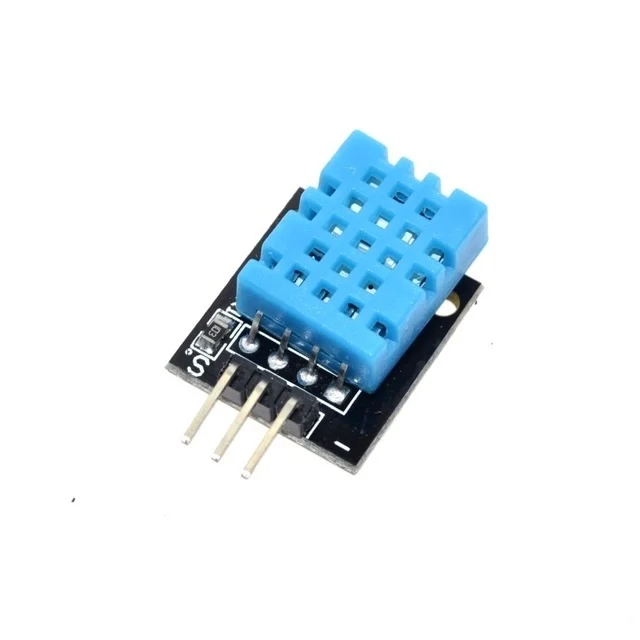
DHT11 Temperature and Humidity Sensor Module
Pair with any e-paper display for a battery-powered weather station that shows temperature and humidity for weeks on a single charge.
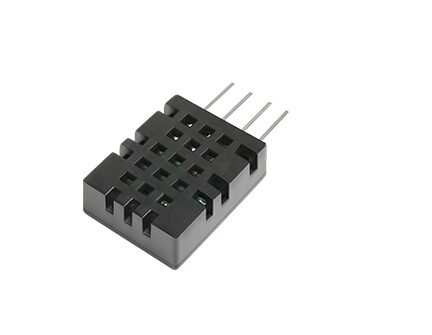
DHT20 SIP Packaged Temperature and Humidity Sensor
I2C-based successor to DHT11 with improved accuracy — ideal companion for an e-paper weather display panel running on battery.
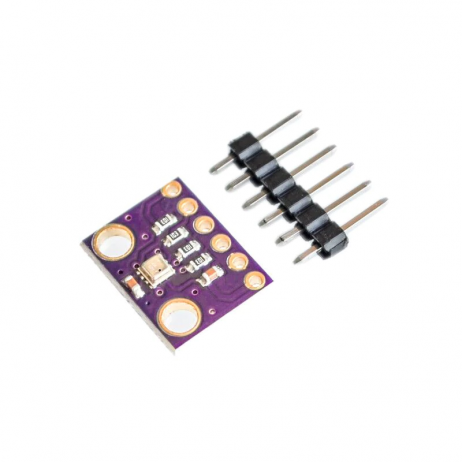
GY-BME280 Precision Altimeter Atmospheric Pressure Sensor Module
Temperature, humidity, and pressure in one I2C sensor — perfect for a comprehensive e-paper weather display project.
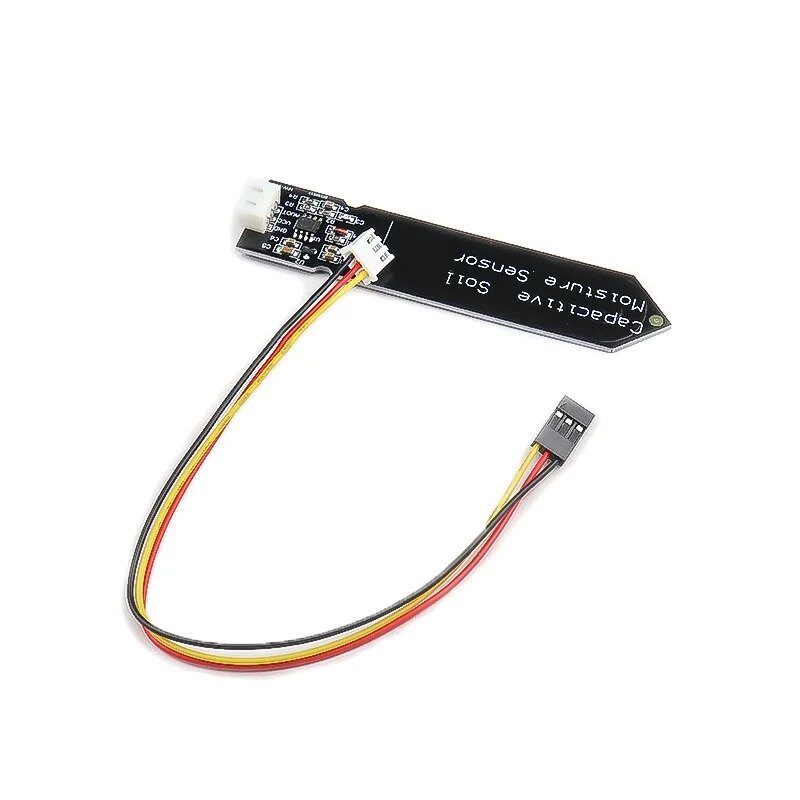
Capacitive Soil Moisture Sensor
Solar-powered field monitor with e-paper display and this sensor — shows soil moisture status without any battery change for months.
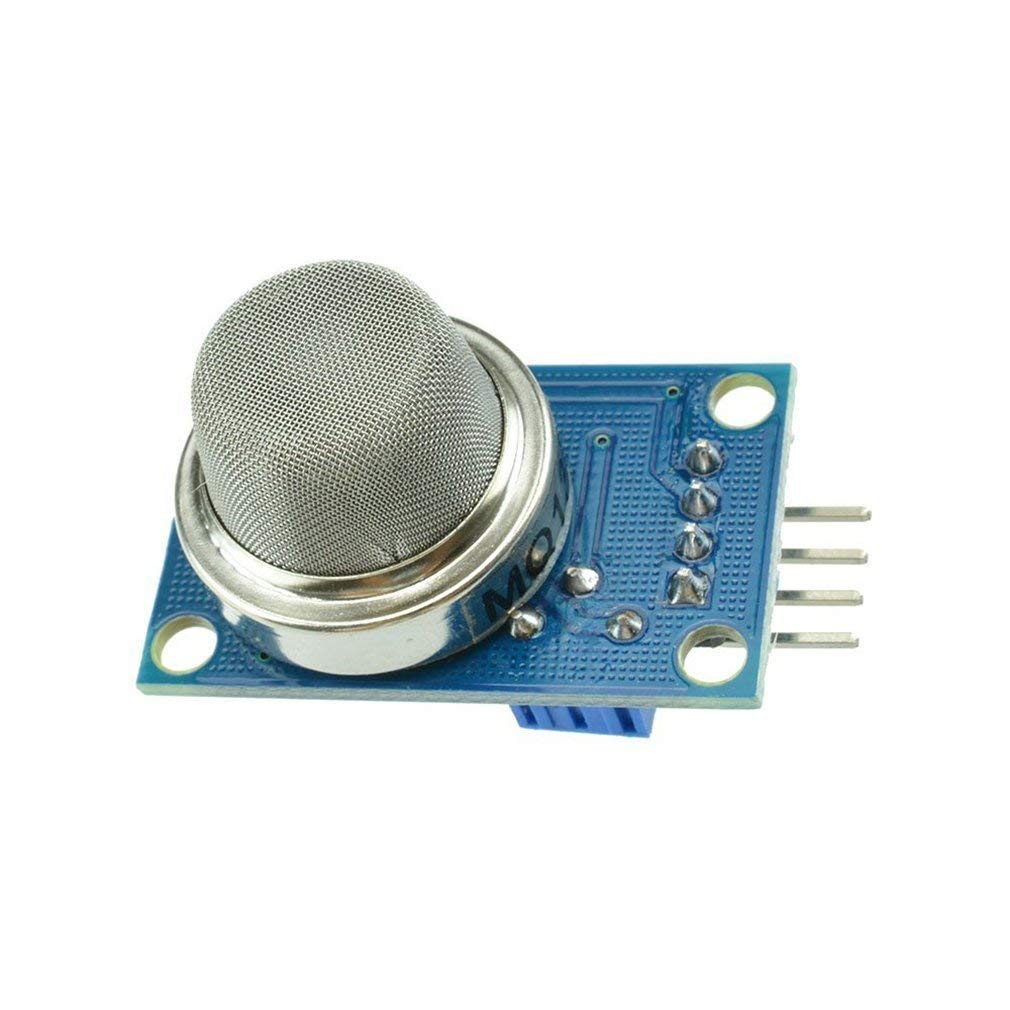
MQ-135 Air Quality / Gas Detector Sensor Module
Display live AQI readings on an e-paper screen — sunlight-readable in outdoor installations. Updated every few minutes to save power.
FAQ
Q1: Will my e-paper display be damaged if I update it too frequently?
Frequent full refreshes do accelerate wear on the display panel, but most Waveshare modules are rated for at least 1 million refresh cycles. For practical projects updated once per minute, this equates to ~2 years of operation — far beyond most project lifespans. Partial refresh is gentler and can be used more frequently.
Q2: Can I use a Waveshare e-paper module with Raspberry Pi Zero W?
Yes. Waveshare provides Python libraries and ready-to-run examples specifically for Raspberry Pi. The HAT versions plug directly into the GPIO header. Use the SPI interface and enable SPI in raspi-config before running examples. The Zero W is popular for low-power Wi-Fi-connected e-paper dashboards.
Q3: Why does my e-paper display show a ghost image from the previous content?
Ghosting (image retention) is normal on e-paper after extended display of the same image. Perform a full refresh cycle (which flashes the screen) to clear it. If ghosting persists even after full refresh, try the display’s internal clear command followed by a full white fill, then your new image.
Q4: What is the difference between Waveshare e-paper models with the same size but different version numbers?
Version differences usually reflect panel vendor changes (Waveshare sources panels from multiple manufacturers). Later versions often add partial refresh support, different driver ICs, or improved contrast. Always check the Wiki for your specific version number — V2 and V3 of the same model may need different code.
Q5: Is there an e-paper display that works at Indian summer temperatures (up to 45°C)?
Standard Waveshare modules are rated 0–50°C operating temperature, which covers most indoor applications in India. For outdoor use in direct sunlight where temperatures can exceed 60°C near the surface, choose industrial-grade modules with an extended temperature range or mount the display in a shaded enclosure.
Find E-Paper Displays and Sensors at Zbotic
E-ink technology brings a professional, low-power aesthetic to your maker projects. Whether you are building a battery-powered weather station or a campus information kiosk, the right e-paper module makes all the difference.
Browse our full range of display modules and compatible sensors at Zbotic.in — fast shipping across India.




Add comment