
Cheap TFT LCD Modules in India Under 300 Rupees: Best Picks
Finding a good cheap TFT LCD module in India under 300 rupees is entirely possible — the market is flooded with SPI-based colour displays that work brilliantly with Arduino, ESP32, and Raspberry Pi Pico. The challenge is knowing which panel sizes and driver chips give you the best value, which libraries support them out of the box, and which sellers actually ship what they advertise. This guide compares the most popular options available from Indian electronics stores and online marketplaces, giving you a clear picture of what to buy for your next project without burning a hole in your pocket.
Why TFT Displays Over OLED for Budget Builds
OLED displays are excellent for monochrome UI, but a 0.96-inch I2C OLED costs around Rs. 120-180 and gives you 128×64 pixels in a single colour. A 1.8-inch SPI TFT at a similar or slightly higher price delivers 128×160 pixels in full 65,536-colour mode. For projects that need to display sensor graphs, colour-coded alerts, images, or multi-zone dashboards, TFT wins on value-per-pixel by a significant margin.
The trade-offs worth knowing: TFT displays draw more current (typically 60-100 mA for the backlight vs 5-20 mA for OLED), they require more pins (SPI needs 4-5 lines vs I2C’s 2), and the viewing angle is narrower on cheaper IPS-less panels. For bench instruments, wall-mounted displays, and indoor gadgets that run on mains power or large LiPo cells, these are non-issues.
1.44-Inch ST7735 TFT: The Smallest Pocket Option
The 1.44-inch 128×128 ST7735 module is usually the cheapest TFT you can buy in India, often found for Rs. 80-120. It uses a 4-wire SPI interface and is officially supported by the Adafruit ST7735 library. The square 1:1 aspect ratio is surprisingly useful for compass roses, level indicators, and small game displays.
Pros: Very compact (fits on small PCBs), low current draw (~40 mA), 3.3V native with onboard regulator for 5V use, works on Arduino Nano, Uno, and ESP8266 without level shifting on most modules.
Cons: Small physical size limits readability, 128×128 resolution is the lowest in this comparison, initialisation requires correct initR(INITR_144GREENTAB) call or you get colour/offset issues.
Best for: Wearables, small robots, Arduino Nano-based instruments, and ESP8266 IoT nodes where space is at a premium.
1.8-Inch ST7735 TFT: The Sweet Spot
The 1.8-inch 128×160 ST7735R module is arguably the most popular budget TFT in India, retailing for Rs. 120-180. It is the display used in countless tutorials, available from virtually every Indian electronics seller, and supported natively by both Adafruit and TFT_eSPI libraries. The 128×160 resolution at 1.8 inches gives a pixel density of 112 DPI — acceptable for text labels and small graphics.
Pros: Extremely well-documented, massive community support, many Arduino examples available, SD card slot on most modules for bitmap display, low power.
Cons: No touch, portrait orientation by default (landscape is 160×128), colour accuracy varies between Chinese batches (some have a blue tint until corrected in software).
Initialisation note: Different board variants need different init codes — INITR_BLACKTAB, INITR_REDTAB, or INITR_GREENTAB. If colours look wrong, cycle through these three.
Best for: First TFT project, Arduino Uno weather stations, portable meters, and anywhere a proven-reliable module matters more than screen size.

LM35 Temperature Sensors
Classic analog temperature sensor — the perfect companion for a 1.8-inch TFT meter project. Plug directly into any Arduino analog pin, no library required.
2.4-Inch ILI9341 TFT Shield: Plug-and-Play for Uno
The 2.4-inch ILI9341 Arduino Uno shield is a game-changer for beginners. It plugs directly onto an Arduino Uno’s headers — no wiring required. At Rs. 180-250, it sits comfortably under the Rs. 300 mark. The 240×320 resolution at 2.4 inches delivers 167 DPI, which is genuinely readable for multi-line text, sensor graphs, and simple menus.
Most 2.4-inch shields use the parallel 8-bit interface (not SPI), which is why they use MCUFRIEND_kbv library rather than Adafruit’s SPI-based ILI9341 library. This parallel interface is actually faster than SPI on an Uno (because Uno’s SPI is only 8 MHz max), giving smoother animations and faster full-screen redraws.
Pros: Zero wiring, comes with touch screen (XPT2046 controller), integrated SD card slot, parallel interface = faster redraws, proven with MCUFRIEND_kbv library.
Cons: Uses almost all digital pins of the Uno (D2-D9 for data, D10-D13 for control), leaving very few for sensors. Not suitable for projects that need many GPIOs. Fixed to Uno form factor.
Best for: Standalone instruments, Arduino Uno-based panels, and learners who want a display working in under 5 minutes.
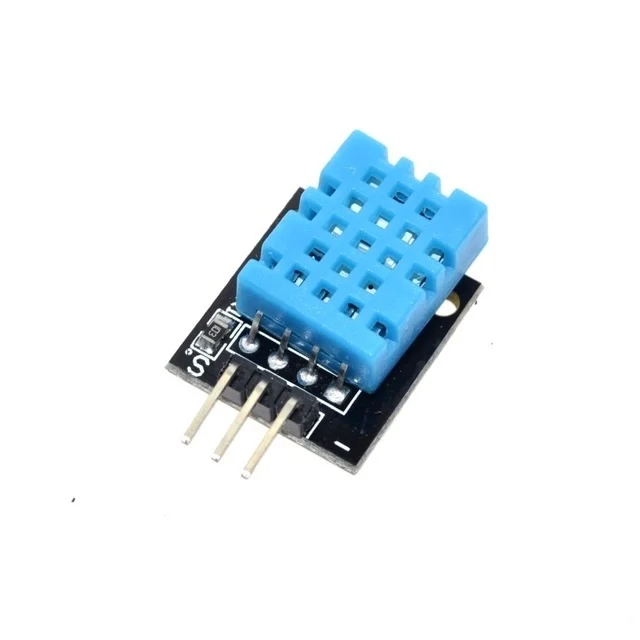
DHT11 Temperature and Humidity Sensor Module
Pair this with a 2.4-inch TFT shield for a complete weather station. Digital output means you only need one free pin — and 2.4-inch shields have plenty left over.
2.8-Inch ILI9341 with Touch: Best Value Under 300
If your budget allows up to Rs. 280-300, the 2.8-inch ILI9341 SPI module with XPT2046 resistive touch is the best all-round buy. At 240×320 pixels, this is the same resolution as the 2.4-inch shield but with a larger physical screen and SPI interface — making it compatible with ESP32, ESP8266, STM32, and Arduino Mega, not just the Uno.
The SPI interface means you connect via the standard hardware SPI pins, keeping other GPIOs free for sensors, relays, and peripherals. The touch controller (usually XPT2046) connects via a second SPI CS pin and has a dedicated Arduino library. This combination unlocks touchscreen menu UI at a price that rivals a cup of chai.
Pros: Large visible area, touch screen included, SPI interface works with any microcontroller, Adafruit ILI9341 library support, SD card slot on most variants.
Cons: Resistive touch (not capacitive) — requires a stylus or firm press, less accurate than phone-style capacitive touch. SPI can be slower than parallel for full-screen redraws on 8-bit AVR Arduinos.
Best for: ESP32 smart home panels, IoT dashboards, handheld instruments, and any project where you want a touchscreen interface without breaking budget.
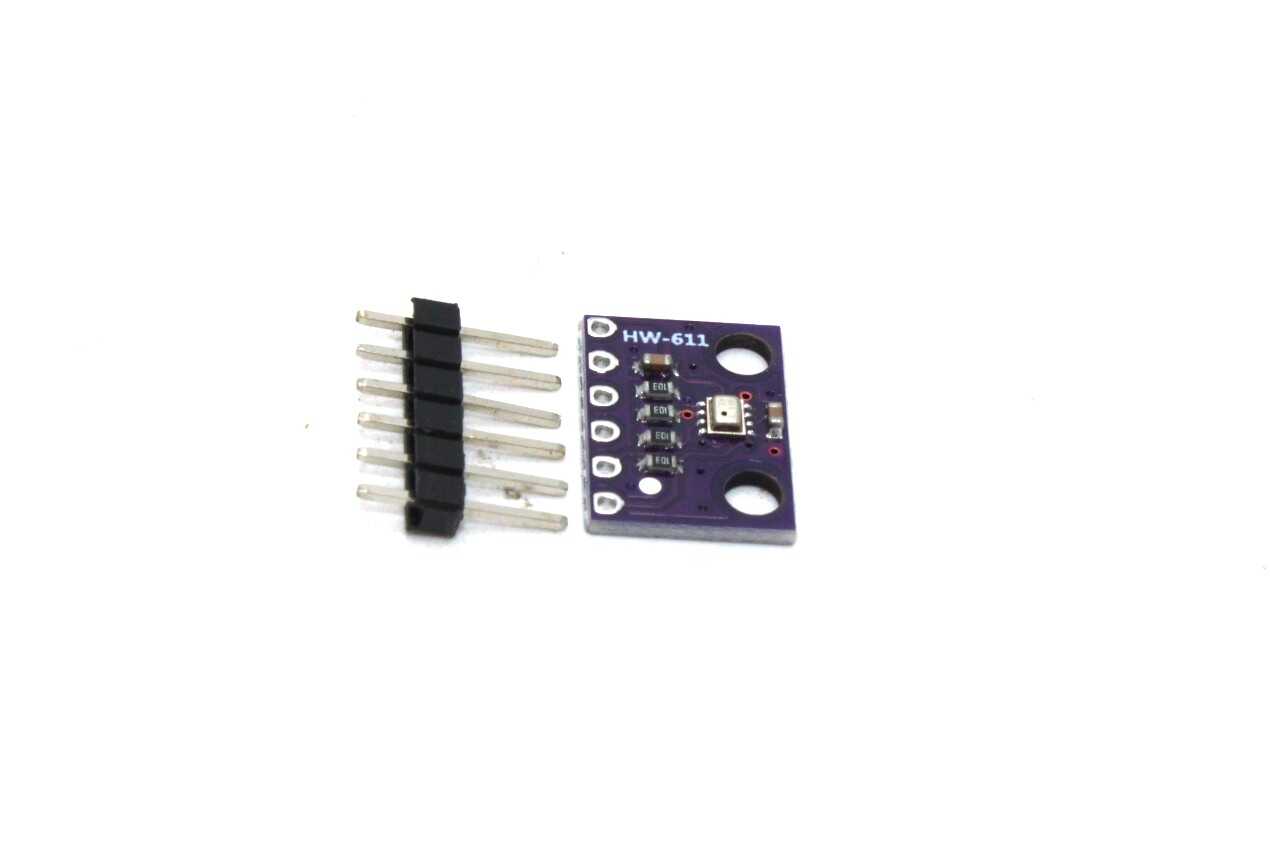
BMP280 Barometric Pressure Sensor Module
Add barometric pressure and altitude to your 2.8-inch TFT display panel. I2C interface keeps your SPI bus free for the display. Accurate to 1 hPa.
Buying Tips for Indian Makers
The Indian electronics market has some specific pitfalls when buying cheap TFT modules that you should be aware of before ordering:
- Verify the driver chip: Listings often say “ILI9341” but ship ST7796 or HX8347 variants. These need different library initialisations. Ask the seller for the specific driver chip, or check the module PCB silkscreen once it arrives.
- Check voltage compatibility: Most cheap TFT modules have an onboard 3.3V LDO regulator and level shifters, making them safe to connect to 5V Arduino pins. But some bare breakout boards are 3.3V only — check the listing carefully or you risk damaging the display.
- SD card functionality: Many modules include an SD card slot, but it shares the SPI bus with the display. The SD card may or may not work correctly on a 5V system without additional level shifting on the MISO line. Test before relying on it.
- Local vs. import timing: Zbotic and similar Indian stores stock genuine tested modules with faster delivery than waiting 20-30 days for international shipping. For a Rs. 50 saving you may lose 3 weeks of project time — factor this into your decision.
- Buy two: At these prices, buying a spare is wise. Display modules are fragile (the glass), and static discharge can kill the driver IC. A backup saves you from stalling your project over a dead display.
Library Support and Quick Start Code
Getting the right library for your specific module is critical. Here is the definitive mapping:
| Module | Driver | Recommended Library |
|---|---|---|
| 1.44″ SPI | ST7735 | Adafruit_ST7735 |
| 1.8″ SPI | ST7735R | Adafruit_ST7735 / TFT_eSPI |
| 2.4″ Uno Shield | ILI9341 (parallel) | MCUFRIEND_kbv |
| 2.8″ SPI Touch | ILI9341 + XPT2046 | Adafruit_ILI9341 + XPT2046_Touchscreen |
A universal tip: if your display shows garbled colours or inverted images after upload, try calling tft.invertDisplay(true) or tft.invertDisplay(false) immediately after tft.begin(). Also try tft.setRotation(0) through tft.setRotation(3) to find the correct orientation for your physical mounting.
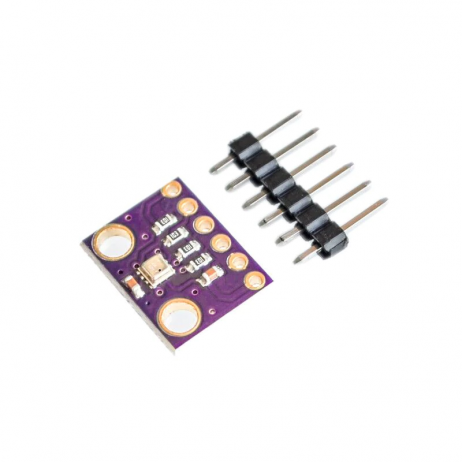
GY-BME280-3.3 Atmospheric Pressure Sensor Module
3-in-1 temperature, humidity, and pressure sensor on I2C. The ideal environmental sensor to display on any budget TFT module in your maker project.
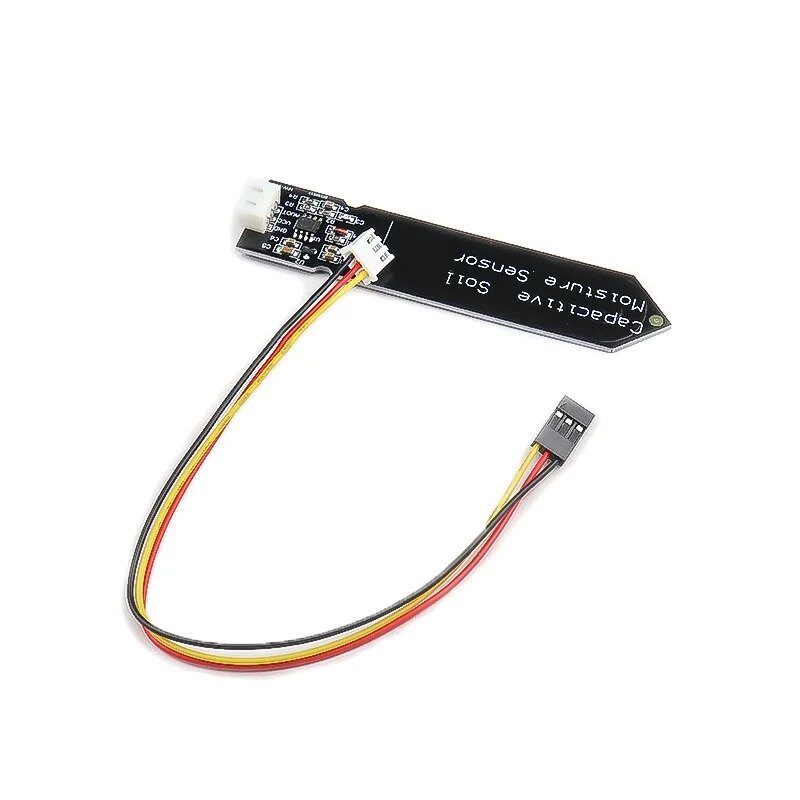
Capacitive Soil Moisture Sensor
Build a plant monitoring display using a cheap TFT module and this soil moisture sensor. Capacitive design lasts far longer than resistive sensors in soil.
Frequently Asked Questions
Q1: Are cheap TFT modules reliable for long-term projects?
Yes, in general. The ST7735 and ILI9341 driver chips are mature, stable, and used in millions of devices. The variable quality factor is the display glass bonding and backlight LED lifespan. For permanent installations, buy from a reputable seller and avoid storing modules in high-humidity environments. Budget TFT displays in continuous use typically last 3-5 years of daily operation before backlight dimming becomes noticeable.
Q2: Can I use a 3.3V TFT module with a 5V Arduino Uno without level shifting?
Most modules designed for Arduino use include onboard 3.3V regulators and level shifters on the data lines, making them safe with 5V systems. However, always verify by checking the module’s VCC input range listed in the product description. Connecting a bare 3.3V-only display directly to 5V Arduino SPI pins will likely damage the driver IC over time.
Q3: Which size TFT is best for a hand-held project running on battery?
The 1.8-inch ST7735 is the most power-efficient option, drawing around 40-50 mA at full backlight brightness. The 2.4/2.8-inch displays draw 60-100 mA. For battery projects, reduce backlight brightness using PWM on the BL/LED pin — even 50% brightness is comfortably readable indoors and halves the display’s power consumption.
Q4: Why does my 2.4-inch TFT shield not work on Arduino Mega?
The 2.4-inch parallel interface shields are wired specifically for Uno’s pin layout. On a Mega, the same physical pins carry different functions. Use MCUFRIEND_kbv with Mega mode enabled, or use pin adapters available for some shields. Alternatively, switch to the 2.8-inch SPI module which works on Mega via standard SPI pins without any wiring changes.
Q5: What is the difference between resistive and capacitive touch on budget TFT modules?
Budget TFT modules under Rs. 300 universally use resistive touch (XPT2046 controller). This requires physical pressure to register a touch — you can use a fingernail, stylus, or firm fingertip press. Capacitive touch (like on smartphones) responds to a light finger touch and supports multi-touch, but capacitive TFT modules cost Rs. 800 and up. For maker projects, resistive touch is perfectly adequate.
Get Your TFT Display Delivered Across India
Zbotic stocks tested TFT display modules from the most reliable batches — no colour surprises, no mystery driver chips. Order today with fast delivery to your city.




Add comment