
The smart home protocol landscape has never been more complex — or more exciting. The Zigbee vs Matter vs Thread 2026 debate is front and centre for every maker, developer, and smart home enthusiast trying to build or upgrade their ecosystem. With Matter finally reaching maturity and Thread gaining real-world traction, choosing the right protocol for your project has significant long-term implications. This comprehensive guide breaks down all three technologies with technical depth and practical buying advice for Indian makers.
Understanding the Three Protocols
Before diving in, it’s crucial to understand that these three technologies are not all direct competitors — they operate at different layers of the network stack, and two of them (Matter and Thread) are designed to work together.
- Zigbee: A complete protocol stack (PHY + MAC + Network + Application). Runs on IEEE 802.15.4 radio. Has its own mesh networking and application layer.
- Thread: A network and transport layer protocol (not an application protocol). Runs on IEEE 802.15.4 radio. Provides IPv6 mesh networking for IoT. Does NOT define how devices communicate at the application level.
- Matter: An application layer protocol ONLY. Has no radio/network layer of its own. Runs over WiFi, Ethernet, or Thread. Defines how smart home devices interact with apps and controllers.
The key insight: Matter and Thread are complementary. A Thread network provides the mesh layer, and Matter runs on top of it. Zigbee is a complete vertical stack and does NOT use Matter natively (though bridges exist).
Zigbee: Mature, Ubiquitous, Evolving
Zigbee has been the dominant IoT mesh protocol for nearly two decades. As of 2026, there are billions of deployed Zigbee devices globally, spanning smart bulbs, motion sensors, thermostats, door locks, and much more.
How Zigbee Works
Zigbee operates on the 2.4 GHz band (also 868/915 MHz in some regions) using IEEE 802.15.4 as its radio layer. Devices form a self-healing mesh network with three node types:
- Coordinator: The root of the network; manages joining and routing tables. One per network.
- Router: Mains-powered devices that route traffic for other nodes.
- End Device: Battery-powered devices (sensors, switches) that only talk to their parent router.
Zigbee Strengths in 2026
- Massive ecosystem: Philips Hue, IKEA TRADFRI, Sonoff, Aqara, Tuya all support Zigbee. Thousands of compatible devices.
- Low power: End devices can run on a coin cell for 1-2 years.
- Proven reliability: Decades of real-world deployment have ironed out protocol bugs.
- Local control: Most Zigbee hubs (Home Assistant with Zigbee2MQTT + Sonoff Zigbee Dongle, for example) work entirely locally without cloud dependency.
- Low cost: Zigbee chips (CC2652P, EFR32MG21) are affordable and widely available.
Zigbee Weaknesses
- Fragmentation: Despite “Zigbee” branding, many devices use proprietary extensions that prevent cross-brand pairing without a universal hub.
- No IPv6: Zigbee devices are not directly addressable on the internet — they always need a hub/gateway.
- Speed: 250 kbps maximum — fine for sensor data, not for video or bulk transfers.
- Zigbee 3.0 transition still incomplete: Many older devices use Zigbee HA 1.2 or custom profiles.
Thread: The IP Mesh Network
Thread is a relatively newer protocol (2014) that takes a radically different approach to IoT networking: give every device a proper IPv6 address and run standard internet protocols down to the sensor layer.
How Thread Works
Thread also runs on IEEE 802.15.4 radio — the same physical layer as Zigbee. Devices form a mesh using a modified version of 6LoWPAN (IPv6 over Low-Power Wireless) and RPL routing. Key node types:
- Leader: Manages network data (elected dynamically).
- Router: Maintains routing tables, forms the mesh backbone.
- End Device (SED/MED): Sleepy or non-sleepy end devices.
- Border Router: Bridges Thread mesh to WiFi/Ethernet network, providing internet access.
Thread’s Killer Feature: Border Router
The Thread Border Router (OTBR) is the gateway between the Thread mesh and your regular WiFi network. Apple HomePod mini, Apple TV 4K, Google Nest Hub 2nd Gen, and Amazon Echo 4th Gen all include Thread Border Routers. This means if you have any of these devices, you already have Thread infrastructure in your home.
Thread Strengths
- True IP networking: Direct device addressing without proprietary hubs.
- Excellent power efficiency: Sleepy end devices rival Zigbee’s battery life.
- Self-healing mesh: Like Zigbee, Thread meshes route around failures automatically.
- Matter’s preferred low-power transport: All Matter devices running on battery use Thread.
- Open standard: The Thread Group specification is open; implementation is reference-quality (OpenThread from Google).
Matter: The Unifying Application Layer
Matter (formerly Project CHIP) launched in late 2022 after years of delay and has reached version 1.4 as of 2026. It is backed by Apple, Google, Amazon, Samsung SmartThings, and hundreds of device manufacturers.
What Matter Actually Does
Matter defines a common language for smart home devices: how they announce capabilities, how controllers discover them, what commands they accept, and how attributes are structured. It uses a data model based on “clusters” (collections of related attributes and commands).
Crucially, Matter operates over multiple network transports:
- WiFi: For mains-powered devices (smart plugs, appliances).
- Thread: For battery-powered devices (sensors, switches, locks).
- Ethernet: For fixed devices (hubs, bridges).
Matter 1.3 and 1.4 Features (2025-2026)
- Multi-Admin: A single Matter device can be controlled by multiple ecosystems simultaneously — your Eve Motion sensor works in both Apple Home and Google Home at the same time.
- Enhanced Commissioning: QR code and NFC-based device pairing.
- Matter Bridges: Existing Zigbee/Z-Wave/Bluetooth devices can be exposed as Matter devices via a bridge (Hue Bridge, SmartThings Hub, Home Assistant now do this).
- Energy Reporting (1.3): Standardised energy monitoring for plugs and appliances.
- Water and Dishwasher Clusters (1.4): New device types added to the specification.

Waveshare ESP32-S3 1.43inch AMOLED Display Development Board
The ESP32-S3 supports Matter over WiFi using the esp-matter SDK — ideal for building your own Matter-compatible smart home hub or display panel.
Head-to-Head Comparison 2026
| Criteria | Zigbee | Thread | Matter (over WiFi) |
|---|---|---|---|
| Radio Layer | IEEE 802.15.4 | IEEE 802.15.4 | WiFi / Ethernet |
| Battery Life | Excellent (years) | Excellent (years) | Poor (months) |
| Hub Required | Yes | Border Router needed | No (direct WiFi) |
| Ecosystem | Very large (legacy) | Growing | Growing fast |
| Interoperability | Moderate | Via Matter | Excellent |
| Maker DIY Support | Excellent | Good (OpenThread) | Good (esp-matter) |
| India Availability | Excellent | Limited | Growing |
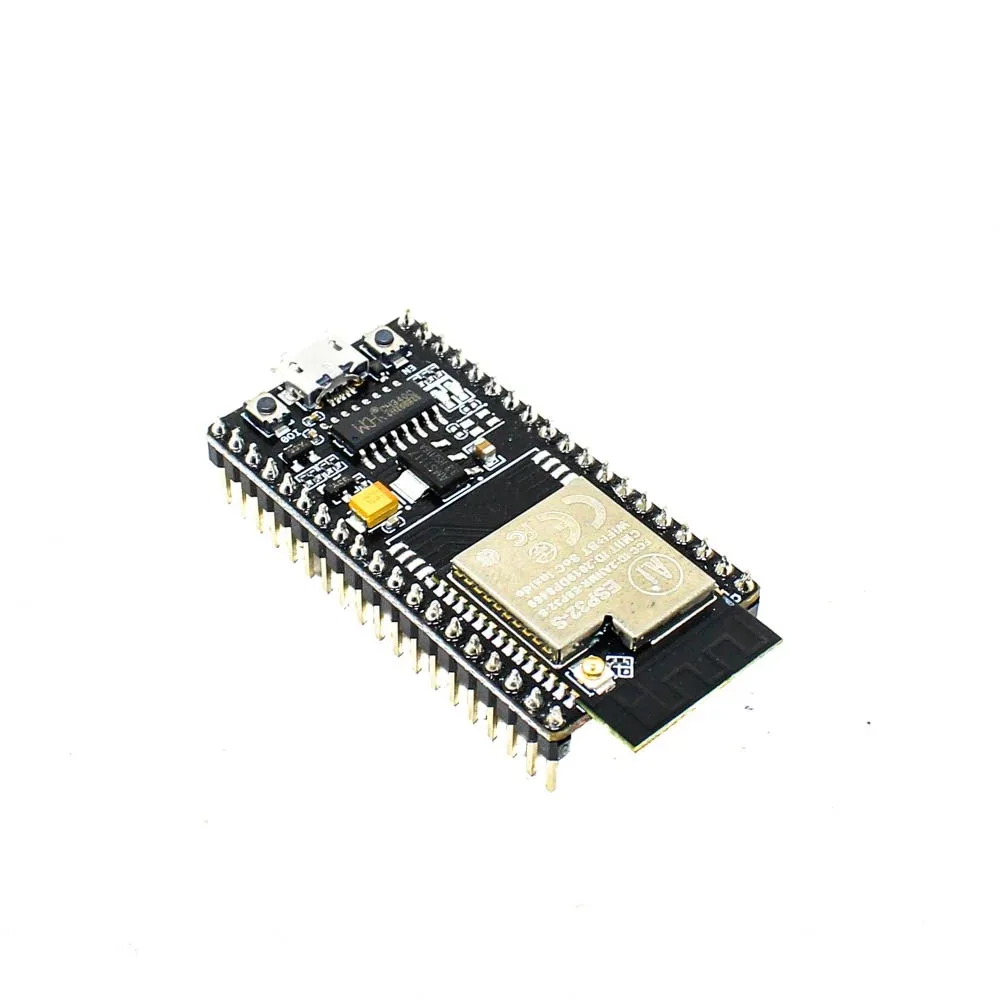
Ai Thinker NodeMCU-32S-ESP32 Development Board – IPEX Version
The ESP32 supports Matter over WiFi using Espressif’s esp-matter SDK — start building your own Matter-certified smart home devices right now.
Which Protocol Should Indian Makers Use?
For Indian hobbyists and makers in 2026, here’s our practical recommendation based on use case:
Use Zigbee If…
- You’re using Home Assistant (Zigbee2MQTT + Sonoff Zigbee 3.0 USB Dongle gives unbeatable flexibility)
- You need maximum device choice and lowest hardware cost
- You’re building battery-powered sensors that must last years
- You want a proven, stable, local-control solution without cloud dependency
Use Matter over WiFi If…
- You’re building a product for sale and need Apple Home / Google Home / Alexa compatibility out of the box
- The device is mains-powered (so battery life isn’t a concern)
- You want plug-and-play compatibility with any Matter controller without custom firmware
- You’re using the ESP32 with Espressif’s esp-matter SDK — excellent maker support
Use Thread + Matter If…
- You need long battery life AND Matter ecosystem compatibility
- The end user already has Thread border routers (Apple/Google home assistants)
- You’re building professional-grade sensors or switches for a product line
For most Indian makers starting out in 2026, Zigbee with Home Assistant remains the most practical and cost-effective path, with Matter over WiFi on ESP32 being the best choice for product development.
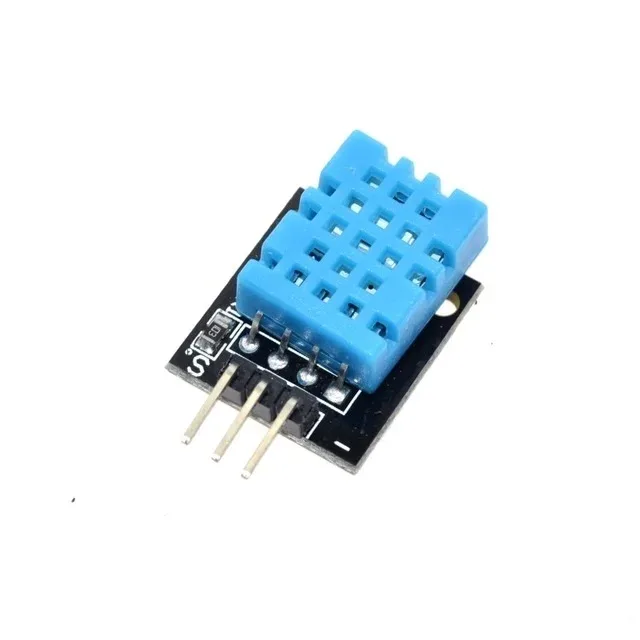
DHT11 Digital Relative Humidity and Temperature Sensor Module
A classic sensor to pair with your smart home protocol of choice — build Zigbee, Thread, or Matter temperature sensors with this affordable DHT11.
Frequently Asked Questions
Can Zigbee and Thread devices work together in the same smart home?
Not natively — they use the same physical radio layer (802.15.4) but completely different networking protocols. However, bridges solve this: a Philips Hue Bridge (Zigbee) can expose Hue lights as Matter devices, which then appear alongside Thread/WiFi Matter devices in Apple Home or Google Home. Home Assistant acts as a universal bridge for nearly all protocols simultaneously.
Is Matter available in India in 2026?
Yes, but the ecosystem is still growing. Apple HomeKit with Matter support works with the Apple TV 4K (available in India). Google Home with Matter works with Nest devices. Several Indian brands like Syska and Wipro have announced Matter-compatible products. For DIY, the ESP32 with esp-matter SDK is the most practical option for Indian makers.
Do I need to pay for Matter certification to build Matter devices?
For commercial products, yes — Matter certification (from the Connectivity Standards Alliance) costs money and requires lab testing. For personal/maker projects, you can run uncertified Matter firmware on ESP32 without any certification. Espressif’s esp-matter SDK is free and open-source.
Which protocol has the best range?
Both Zigbee and Thread use 802.15.4 radio, giving roughly 10-30 metres per hop. Because both form mesh networks, effective range is essentially unlimited as long as you have enough routers/border routers. WiFi-based Matter has a similar range to your WiFi router but does not mesh — each device connects directly to the router.
Is Z-Wave still relevant in 2026?
Z-Wave remains popular in the USA for home automation (especially locks and security systems) due to its excellent interference immunity (runs on 868/908 MHz, not crowded 2.4 GHz). In India, Z-Wave hardware is expensive and hard to source, so Zigbee or Matter are far more practical choices for Indian makers.
Build Your Smart Home Today
Zbotic stocks ESP32 modules, sensors, and development boards for all your Zigbee, Thread, and Matter smart home projects. Fast delivery across India.



Add comment