
DIY Electric Go-Kart with BLDC Motor and Controller India
Building a DIY electric go-kart with a BLDC motor is one of the most rewarding EV projects you can undertake in India. Whether you are a student, hobbyist, or maker, an electric go-kart teaches you real-world motor control, battery management, and chassis engineering — all in a package you can actually ride. This guide walks you through every step of designing, sourcing, and assembling a working electric go-kart using readily available components in India.
Table of Contents
- Why Choose a BLDC Motor for Your Go-Kart?
- Essential Components and Where to Buy Them in India
- Chassis Design and Frame Selection
- Motor and ESC Wiring Guide
- Battery Pack Selection and BMS
- Throttle, Steering, and Brakes
- Safety Checks Before First Run
- Frequently Asked Questions
Why Choose a BLDC Motor for Your Go-Kart?
Brushless DC (BLDC) motors are the gold standard for DIY electric vehicles in India. Unlike brushed DC motors, they do not have friction-prone brushes, which means higher efficiency (85–95%), lower heat generation, and almost zero maintenance. For a go-kart that may see aggressive acceleration, a BLDC motor paired with a matching ESC (Electronic Speed Controller) delivers smooth, stepless power delivery from 0 to full speed.
In the Indian maker community, the most popular go-kart motor choices range from 350W hub motors at 24V for lightweight builds, up to 500W–1000W chain-drive BLDCs at 36V or 48V for performance builds. A 500W BLDC at 48V can push a 100 kg combined (rider + kart) load to around 30–35 km/h on flat ground — perfectly safe for a private track or large open space.
Key advantages of BLDC for go-karts:
- High torque-to-weight ratio — vital for kart-style acceleration
- Regenerative braking support (with compatible controllers)
- RPM easily controlled via ESC PWM signal
- Available in India at affordable prices (₹1,500–₹8,000 for suitable ratings)
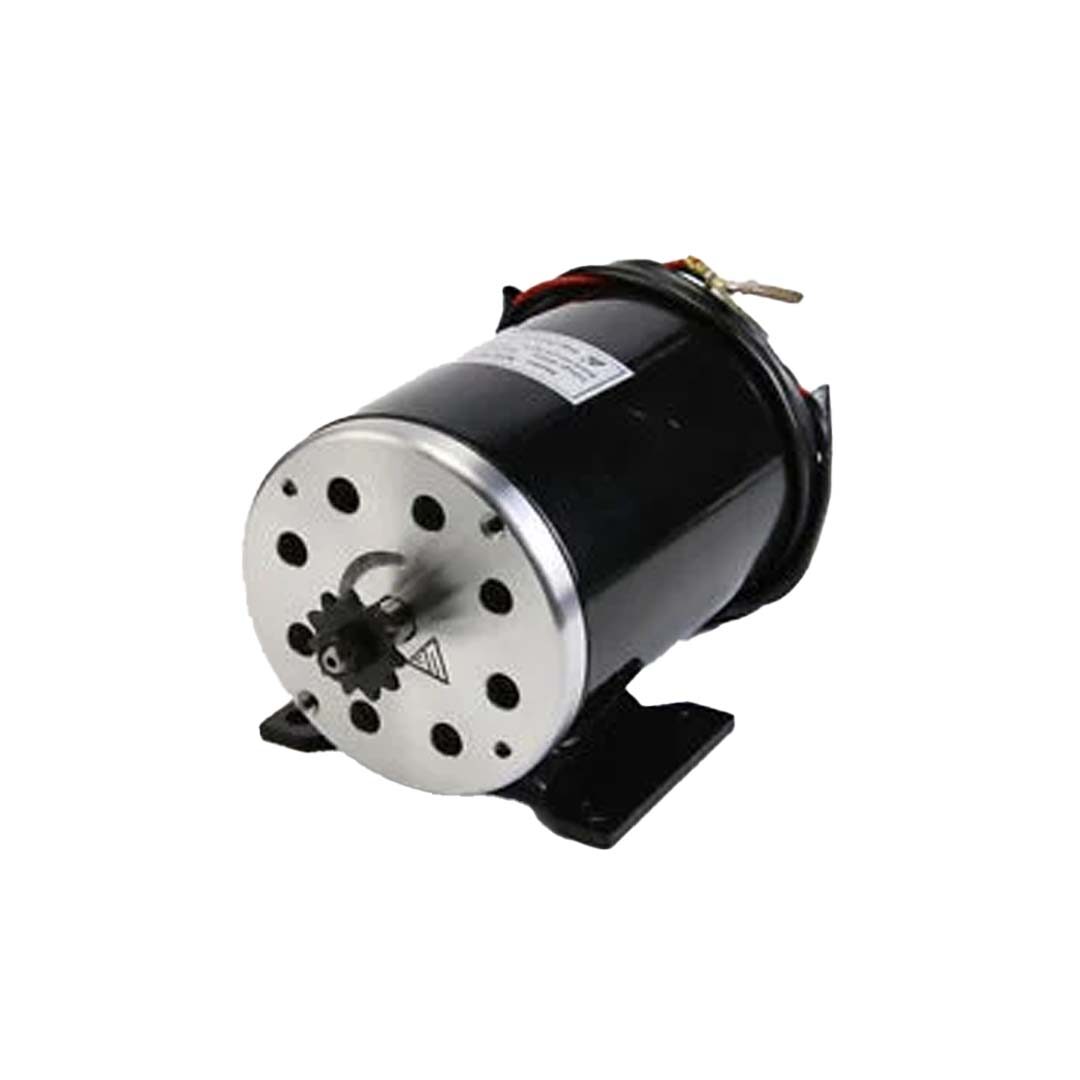
Ebike 500W 24V DC 2500 RPM Motor (MY1020)
High-power 500W chain-drive motor designed specifically for scooters, go-karts, mini-bikes, and e-ATVs. Compatible with standard #25 or #35 chain. Ideal for kart builds up to 100 kg.
Essential Components and Where to Buy Them in India
Before you start cutting metal, prepare a complete bill of materials (BOM). Here is a practical list for a mid-range 500W–1000W electric go-kart build:
- BLDC Motor: 500W–1000W at 24V–48V with chain sprocket
- ESC / Motor Controller: 30A–60A, matching motor voltage and current
- Battery Pack: 24V or 48V Li-Ion or LiFePO4, 10Ah–20Ah
- BMS (Battery Management System): Matched to cell count and capacity
- Throttle: Hall-effect thumb throttle or twist grip, 0–5V output
- Chassis: Steel square tubing (25×25 mm or 40×40 mm), welded or bolted
- Wheels and Axle: 5-inch or 6-inch pneumatic kart tires, solid rear axle
- Chain Drive: #25 or #35 chain + sprockets (motor and axle)
- Brakes: Mechanical disc brake or drum brake, cable-actuated
- Wiring: 10 AWG silicone wire for power, fuse, and main power switch
Most electronic components — motor, ESC, throttle — are available from Zbotic.in with fast delivery across India. Chassis steel and wheels are best sourced locally from hardware stores or kart suppliers in cities like Pune, Bengaluru, and Chennai.
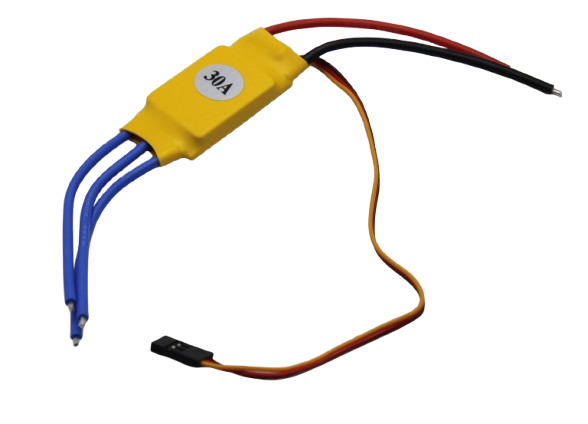
30A BLDC ESC Brushless Electronic Speed Controller
Compact 30A ESC for brushless motors. Supports forward/reverse, regenerative braking, and PWM throttle input. Suitable for smaller go-kart builds and robotics platforms.
Chassis Design and Frame Selection
The chassis is the backbone of your electric go-kart. For a beginner build, a simple rectangular ladder frame made from 25×25 mm mild steel square tubing works well. The frame should be approximately 900–1000 mm long and 600–700 mm wide to comfortably seat one person. Weld or bolt cross-members every 250 mm for rigidity.
Key chassis design tips:
- Keep the center of gravity low — mount the battery pack flat on the floor of the frame
- Use 40×40 mm or 50×50 mm tubing for the main rails if the rider weighs above 70 kg
- Rear axle bearings should be flanged pillow blocks (UCP204 or UCP205), bolted to the rear cross-member
- Front steering uses Ackermann geometry — pre-made kart steering assemblies from local suppliers save significant time
- Leave at least 100 mm of ground clearance for rough surfaces
If welding is not available to you, bolted modular frames using metal connectors (popular in Pune maker circles) can work, but ensure all joints are gusseted and use lock washers. A welded frame is always structurally superior for a rideable vehicle.
Motor and ESC Wiring Guide
Wiring a BLDC motor with an ESC on a go-kart is straightforward once you understand the three signal types involved: three-phase power wires, Hall sensor wires, and the PWM throttle signal.
- Three-phase power: The motor has three thick wires (typically labeled A, B, C or color-coded). Connect these to the corresponding output phases of the ESC. If the motor spins in the wrong direction, swap any two of the three phase wires.
- Hall sensors: Most go-kart BLDC motors include Hall effect position sensors with a 5-wire JST connector (VCC, GND, and three signal lines). Connect these to the ESC Hall sensor input — this enables smooth low-speed torque and proper commutation.
- Throttle: A Hall-effect thumb throttle outputs 1V–4.2V for 0–100% speed. Connect its signal wire to the ESC throttle input, VCC to 5V, and GND to battery negative.
- Power: Use 10 AWG wire (minimum) from the battery to the ESC. Install a 60A blade fuse or ANL fuse in the positive line within 30 cm of the battery. Add a main power switch (rated for DC current) in the same line.
Important: Never connect or disconnect motor phase wires while the ESC is powered — this can destroy the ESC FETs instantly. Always power off completely before making changes.
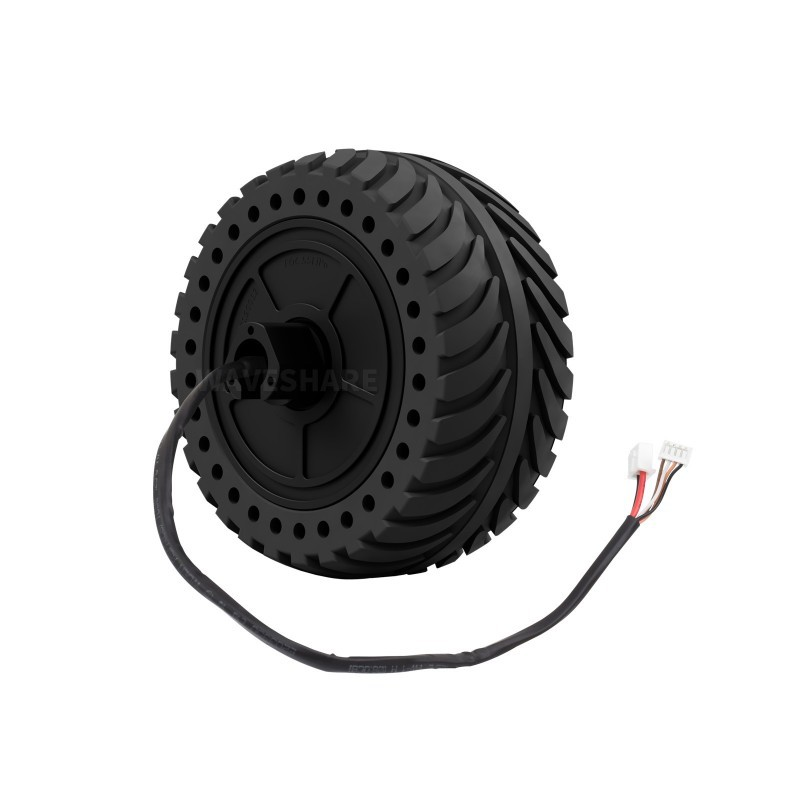
Waveshare DDSM115 Direct Drive Servo Hub Motor
Low-speed, high-torque hub motor with built-in driver. Ideal for robotics and experimental go-kart platforms that skip the chain drive entirely. Very low noise operation.
Battery Pack Selection and BMS
The battery is the most expensive and most important component. For a 500W go-kart at 24V, a 24V 20Ah lithium pack gives approximately 30–40 minutes of mixed riding before needing a recharge. At 48V, you can achieve better efficiency with a smaller 10Ah pack.
Two main lithium chemistry options for Indian makers:
- Li-Ion (18650 or 21700 cells): Higher energy density, lighter weight, cheaper per Wh. More sensitive to overcharge and deep discharge. Requires careful BMS selection.
- LiFePO4: Safer chemistry, 2000+ charge cycles, tolerates higher temperatures (critical in Indian summers). Heavier and larger for the same Wh capacity but highly recommended for go-kart applications.
Always pair your battery with a BMS rated for at least 30A continuous discharge. The BMS protects against overcharge, over-discharge, over-current, and short circuit. For a go-kart, choose a BMS with an active balancing feature if budget allows — it significantly extends pack life.
In India, ready-made 24V and 48V LiFePO4 packs are available from e-bike battery suppliers in Bengaluru and Mumbai, or you can build custom packs from prismatic cells if you have soldering and spot-welding experience.
Throttle, Steering, and Brakes
For a go-kart, the throttle is typically a foot pedal (like a car accelerator) rather than a thumb throttle. You can convert a Hall-effect thumb throttle into a foot pedal by mounting it on a hinge mechanism — push the pedal down, it rotates the throttle body. Commercial kart-style foot throttles are also available from e-bike suppliers.
Steering is handled by a rack-and-pinion or tie-rod Ackermann assembly. Pre-made kart steering kits (kingpin uprights + tie rods + steering column) are available for ₹1,500–₹4,000 online and at kart suppliers in major cities.
For brakes, a single rear disc brake (160 mm rotor) is sufficient for speeds up to 40 km/h. Mount the caliper on the rear axle and run a cable to a hand brake lever (or foot brake pedal). Hydraulic brakes from bicycle suppliers give better feel and modulation.
Safety Checks Before First Run
Before your first ride, work through this checklist:
- All bolts torqued to spec — use lock washers or thread locker (Loctite 243) on critical joints
- Chain tension correct — 5–10 mm slack; chain guard installed to protect fingers
- Battery secured with straps or bolts — no movement under hard braking
- All wiring insulated and routed away from moving parts
- ESC low-voltage cutoff set correctly for your battery chemistry
- Brakes tested at slow speed before full-speed runs
- Rider wearing helmet, gloves, and knee pads for first tests
- First test in a large open area, not on public roads (DIY EVs are not road-legal in India without ARAI certification)
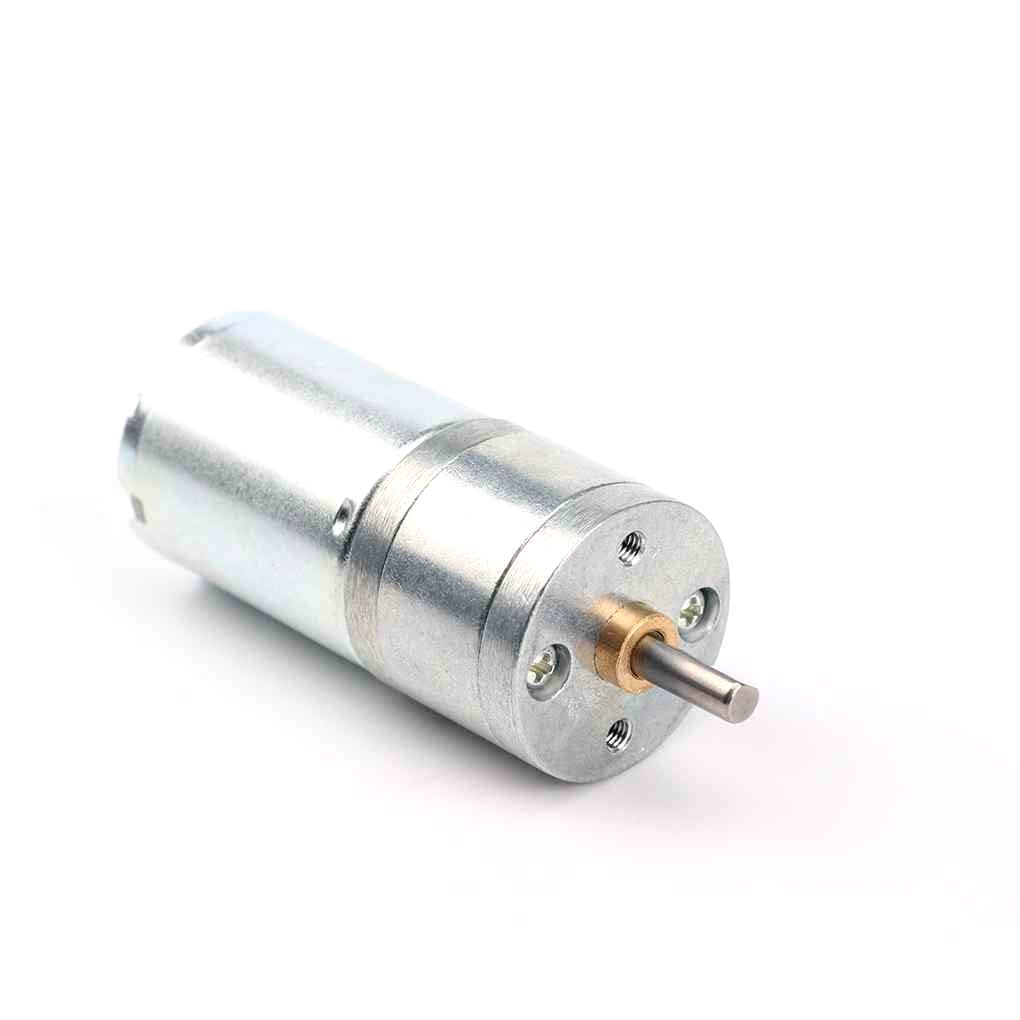
25GA-370 12V 12RPM DC Reducer Gear Motor
Compact geared DC motor useful for go-kart accessory systems — steering locks, headlight adjusters, or automated throttle limiters in smaller experimental builds.
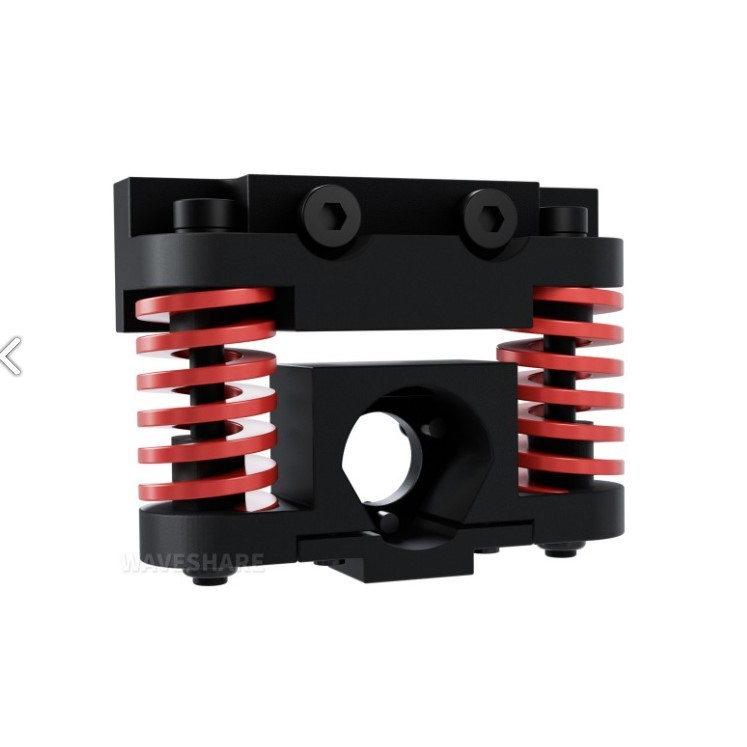
Waveshare All-Metal UGV Suspension (A) for DDSM115
High-strength spring suspension module supporting 7.5 kg load per corner. Perfect for experimental electric kart and UGV platforms using hub motors. All-metal construction.
Frequently Asked Questions
How much does a DIY electric go-kart cost in India?
A basic 500W electric go-kart build typically costs between ₹15,000 and ₹35,000 depending on battery capacity and build quality. The biggest cost driver is the battery pack (₹8,000–₹18,000 for a decent Li-Ion or LiFePO4 pack).
What speed can a 500W BLDC go-kart reach?
A 500W motor at 24V can typically push a loaded kart (rider + frame ~120 kg) to 25–35 km/h on flat ground. At 48V with the same motor, you can reach 35–45 km/h. Always gear appropriately for safe handling.
Is a DIY electric go-kart legal on Indian roads?
No. Homemade electric vehicles are not road-legal in India without ARAI (Automotive Research Association of India) certification. Use your go-kart only on private property or designated tracks.
Can I use a drone BLDC motor for a go-kart?
Small drone motors (2204, 2805 size) are far too low in power and torque for a rideable go-kart. You need motors specifically designed for EV applications — at minimum, a motor rated for 350W–500W continuous at your chosen voltage.
What battery chemistry should I choose for the Indian climate?
LiFePO4 is highly recommended for India due to its superior thermal stability. It performs reliably even in 45°C summer temperatures where standard Li-Ion cells may suffer capacity loss or enter protective cutoff.
How long does it take to build a DIY electric go-kart?
Most makers complete the first working version in 4–8 weekends (30–60 hours total), assuming they have basic tools and the chassis is pre-built or purchased. First-time builders often spend the most time on wiring and ESC configuration.
Conclusion: Start Your Electric Go-Kart Build Today
A DIY electric go-kart with a BLDC motor is a fantastic project that combines mechanical fabrication, electronics, and programming into a single rideable machine. With components readily available in India and a growing community of EV makers sharing builds online, there has never been a better time to start. Begin with a clear design, source quality components, follow safe wiring practices, and you will have a working kart in a matter of weekends.
Explore the full range of motors, ESCs, and EV components at Zbotic.in’s E-Bikes & Electric Vehicles section — with fast delivery across India and expert support for your build questions.



Add comment