
Choosing between Blynk 2.0 and ThingSpeak for your IoT dashboard is one of the first decisions every ESP32 project maker faces in 2026. Both platforms let you visualise sensor data from your ESP32 in real time, set up alerts, and control devices remotely — but they work very differently, have different pricing models, and suit different types of projects. This in-depth comparison is written specifically for Indian students, hobbyists, and startup developers to help you pick the right tool for your use case.
Platform Overview: Blynk 2.0 and ThingSpeak
Before diving into the comparison, it helps to understand the fundamental philosophy behind each platform.
Blynk 2.0 (launched in 2021) is a complete IoT platform focused on building applications. Its strength is the drag-and-drop mobile and web dashboard builder that lets you control devices in real time with buttons, sliders, and displays. Blynk is designed around the concept of Virtual Pins — software channels that carry any data type between your device and the dashboard. The new Blynk.Cloud infrastructure replaced the old Blynk 1.x server, and the API is completely different (Blynk 1.x code does not work with Blynk 2.0).
ThingSpeak is a data analytics platform owned by MathWorks (makers of MATLAB). It is primarily a time-series data store with built-in graphing. Each ThingSpeak channel has up to 8 fields. You send data using a simple HTTP GET request or MQTT, and ThingSpeak stores and displays it. The killer feature is MATLAB integration — you can run MATLAB scripts directly on your data for advanced analysis, statistical processing, and machine learning without moving data anywhere.
Blynk 2.0 Features and Pricing
Core Features
- Real-time bidirectional communication: Control hardware from the app and display sensor data simultaneously
- Mobile app builder: iOS and Android apps with 20+ widget types (gauge, chart, button, map, table, etc.)
- Web dashboard: Full desktop dashboard, not just mobile
- Automations: Time-based and event-based triggers without writing any cloud code
- Device management: OTA firmware updates, device templates, multi-device management
- Blynk.Edgent: Built-in captive portal for end-user Wi-Fi provisioning
- Events and notifications: Push notifications to mobile, email alerts
- Multiple protocols: MQTT and HTTPS API, plus the native Blynk protocol
Blynk 2.0 Pricing (2026)
| Plan | Price | Devices | Data History |
|---|---|---|---|
| Free | $0/month | 2 devices | 1 month |
| Maker | ~$4.99/month | 5 devices | 3 months |
| Pro | ~$14.99/month | Unlimited | 12 months |
| Business | Custom | Unlimited | Custom |
For Indian users, Blynk pricing in USD (approximately ₹415–1250/month on paid plans) can feel steep compared to free alternatives. However, the 2-device free plan is sufficient for learning and single-project prototypes.
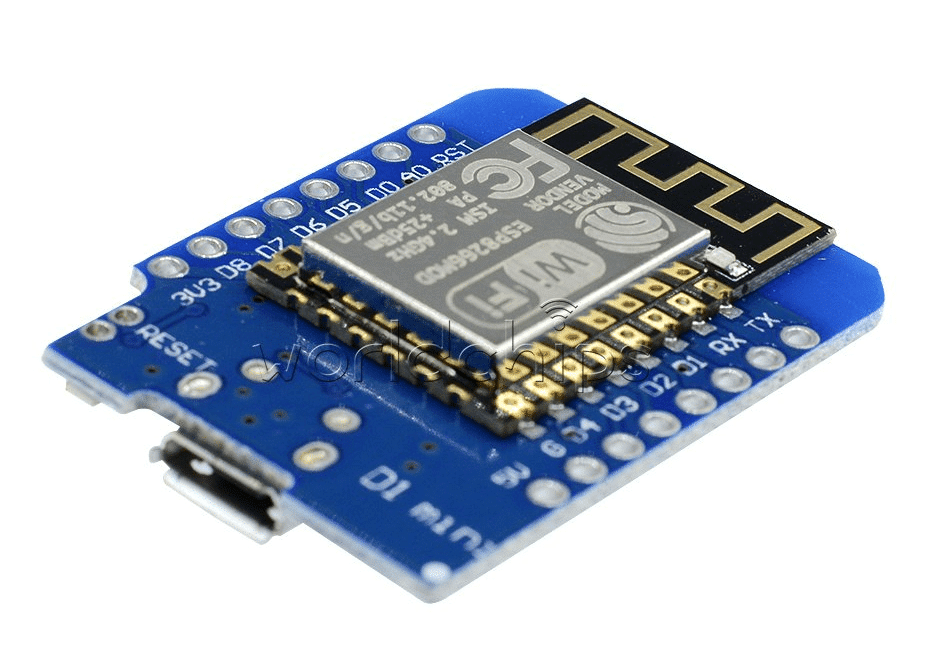
D1 Mini V2 NodeMCU 4M Bytes Lua Wi-Fi IoT Development Board (ESP8266)
A budget-friendly board for learning Blynk or ThingSpeak — the ESP8266 is fully supported by both platforms and ideal for single-sensor projects.
ThingSpeak Features and Pricing
Core Features
- 8 data fields per channel for multi-sensor logging
- MATLAB analytics: Run MATLAB visualisations, curve fitting, and ML directly on stored data
- MATLAB analysis automation: Schedule analytics to run at intervals without external servers
- React and TimeControl apps: Trigger actions when field values cross thresholds
- Charts and gauges: Built-in visualisation (simpler than Blynk’s dashboard)
- HTTP REST API and MQTT: Industry-standard protocols for easy integration
- Public channels: Share your sensor data publicly with the world
- TalkBack app: Queue commands for devices to pick up (polling model)
ThingSpeak Pricing (2026)
| Plan | Price | Messages/day | Update Interval |
|---|---|---|---|
| Free | $0/month | 8,200 | 15 seconds min |
| Academic | Free (verified) | 1,000,000 | 1 second min |
| Standard | $12/month | 3,000,000 | 1 second min |
ThingSpeak’s free Academic plan (available to students with a verified .edu email — including Indian university emails) is extraordinary value — 1 million messages per day for free. Indian engineering students should absolutely take advantage of this.
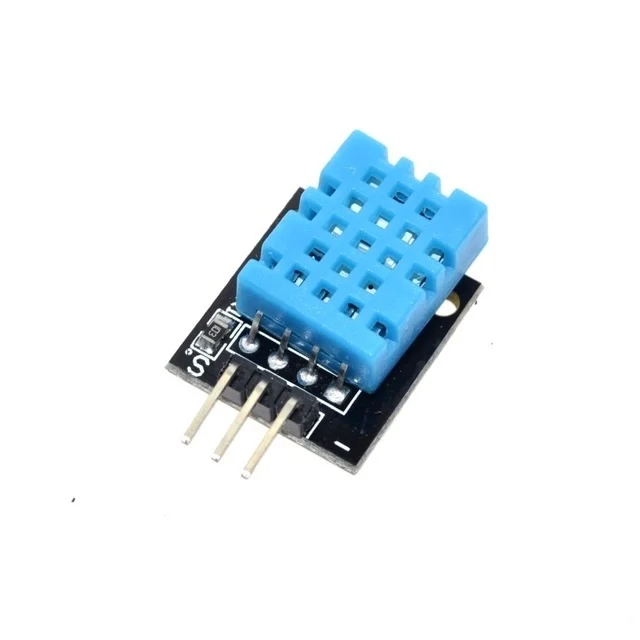
DHT11 Digital Relative Humidity and Temperature Sensor Module
A perfect beginner sensor for both Blynk and ThingSpeak projects — logs temperature and humidity data to your chosen IoT dashboard in seconds.
ESP32 Code Examples for Both Platforms
Blynk 2.0 — ESP32 Temperature Monitor
#define BLYNK_TEMPLATE_ID   "TMPLxxxxxx"
#define BLYNK_TEMPLATE_NAME "TempMonitor"
#define BLYNK_AUTH_TOKEN    "YourAuthToken"

#include <BlynkSimpleEsp32.h>
#include <DHT.h>

DHT dht(4, DHT11);
BlynkTimer timer;

void sendSensorData() {
  float t = dht.readTemperature();
  float h = dht.readHumidity();
  Blynk.virtualWrite(V0, t); // Virtual Pin V0 = Temperature
  Blynk.virtualWrite(V1, h); // Virtual Pin V1 = Humidity
  if (t > 35.0) {
    Blynk.logEvent("high_temp", "Temperature is " + String(t) + "°C");
  }
}

void setup() {
  dht.begin();
  Blynk.begin(BLYNK_AUTH_TOKEN, "WiFiSSID", "WiFiPass");
  timer.setInterval(10000L, sendSensorData); // every 10 seconds
}

void loop() {
  Blynk.run();
  timer.run();
}
ThingSpeak — ESP32 Multi-field Logger
#include <WiFi.h>
#include <ThingSpeak.h>
#include <DHT.h>

unsigned long channelID = 1234567;
const char* apiKey      = "YOUR_WRITE_API_KEY";
DHT dht(4, DHT11);
WiFiClient client;

void setup() {
  WiFi.begin("SSID", "PASSWORD");
  while (WiFi.status() != WL_CONNECTED) delay(500);
  ThingSpeak.begin(client);
  dht.begin();
}

void loop() {
  ThingSpeak.setField(1, dht.readTemperature());
  ThingSpeak.setField(2, dht.readHumidity());
  int code = ThingSpeak.writeFields(channelID, apiKey);
  if (code == 200) Serial.println("Data sent!");
  delay(20000); // ThingSpeak free plan: 15 second minimum
}
Feature Comparison Table
| Feature | Blynk 2.0 | ThingSpeak |
|---|---|---|
| Real-time Control | Yes (bidirectional) | Limited (TalkBack polling) |
| Mobile App | Excellent (iOS + Android) | Browser only |
| Data Analytics | Basic charts | Advanced (MATLAB) |
| Free Data History | 1 month | Unlimited (3M+ messages) |
| Setup Complexity | Moderate (template setup) | Very easy (HTTP GET) |
| OTA Firmware Updates | Yes (built-in) | No |
| Best Free Tier | 2 devices, 1 month history | Academic: 1M msg/day free |
| Protocol | Blynk + MQTT + HTTP | HTTP REST + MQTT |
| India Data Residency | No (US/EU servers) | No (US servers) |
Which Platform for Which Use Case?
Choose Blynk 2.0 When:
- You need a mobile app to control devices in real time (turn on lights, adjust speed, etc.)
- Building a demo or MVP to show investors or clients
- You want push notifications for alerts on your phone
- Non-technical end users need to interact with your device
- OTA firmware updates are important for deployed devices
Choose ThingSpeak When:
- You are an engineering student with a .edu email (free Academic plan is unbeatable)
- Long-term data logging and historical analysis is the primary requirement
- You want to run MATLAB code on your IoT data (signal processing, ML, statistics)
- Building a weather station, air quality monitor, or environmental logger
- You need to share data publicly with other researchers or students
- Budget is the primary constraint and you need maximum free tier
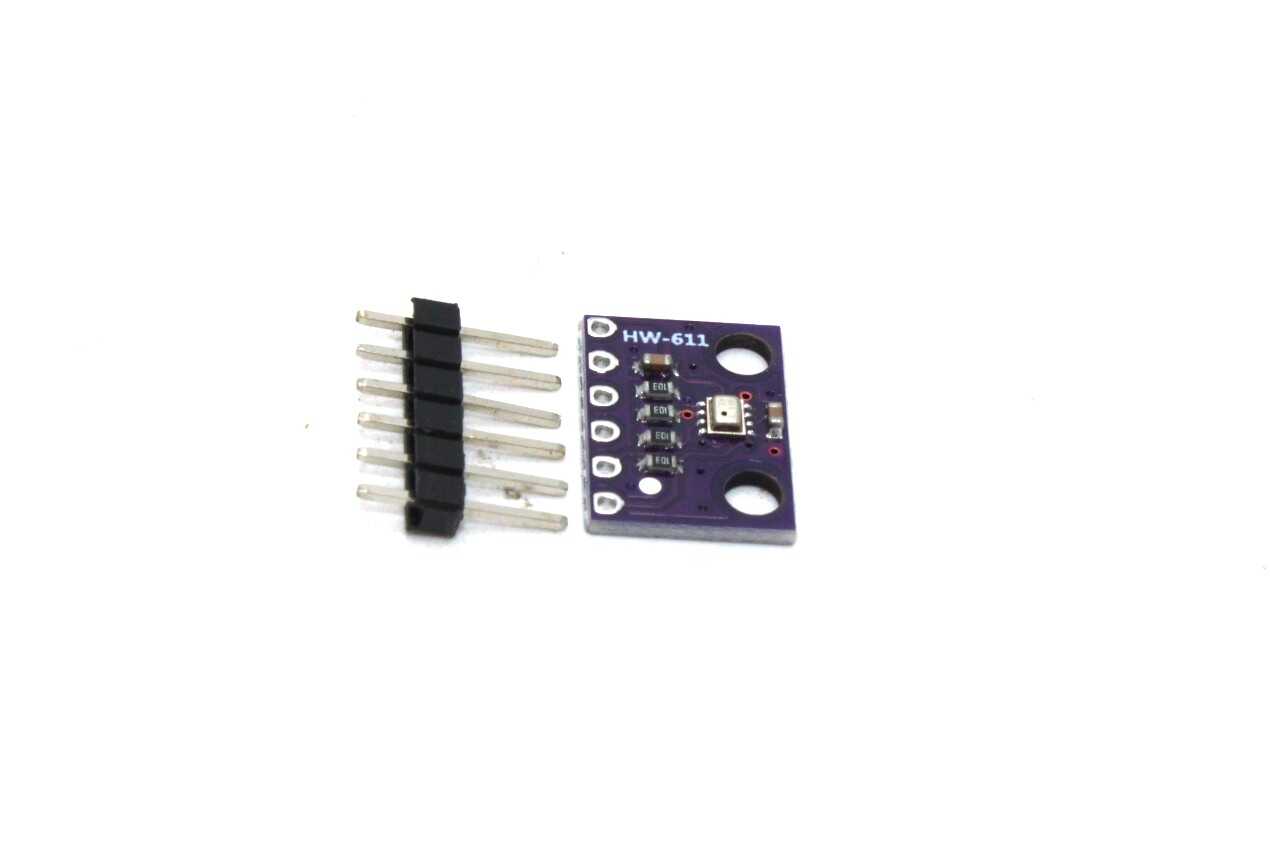
BMP280 Barometric Pressure and Altitude Sensor I2C/SPI Module
Add altitude and pressure logging to your Blynk or ThingSpeak dashboard — the BMP280 connects over I2C and works seamlessly with both platforms.
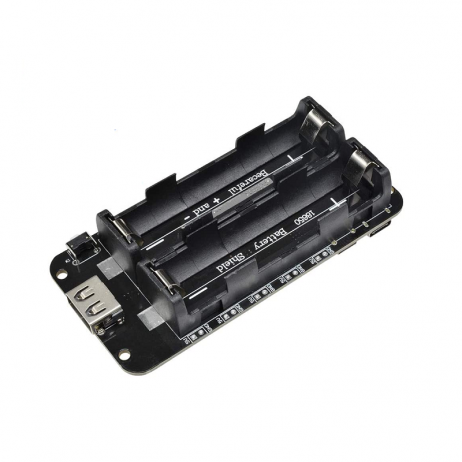
2 x 18650 Lithium Battery Shield for Arduino, ESP32, ESP8266
Make your Blynk or ThingSpeak sensor node portable with this dual 18650 battery shield — provides 5V/2A output for powering ESP32 and sensors in the field.
Frequently Asked Questions
Can I use Blynk 2.0 and ThingSpeak together?
Absolutely. A common pattern is to use Blynk 2.0 for real-time control and alerts, while simultaneously logging data to ThingSpeak for long-term analysis and MATLAB processing. In your ESP32 firmware, simply publish to both endpoints — the overhead is just one additional HTTP request every update cycle.
Is Blynk 1.x (old version) still working in 2026?
Blynk shut down the free community servers for Blynk 1.x. If you have old Blynk 1.x code, you need to either migrate to Blynk 2.0 (requires rewriting the device code and rebuilding the dashboard) or self-host the Blynk 1.x server on your own machine. Migration is strongly recommended — Blynk 2.0 is far more stable and feature-rich.
Which platform has better latency for real-time control?
Blynk 2.0 wins decisively for real-time control. It maintains a persistent TCP connection to the Blynk server, giving sub-100ms response time. ThingSpeak uses HTTP polling (minimum 15-second intervals on the free plan) and is not designed for real-time control.
Can Indian developers host their own Blynk server?
Blynk 2.0 (Blynk.Cloud) does not offer self-hosted community editions. The old Blynk 1.x server was open source and could be self-hosted on an AWS EC2 or DigitalOcean VPS in the ap-south-1 Mumbai region. For privacy-sensitive projects, this is still a valid option for Blynk 1.x style applications.
Does ThingSpeak work with ESP8266?
Yes. ThingSpeak’s HTTP API works with any device capable of making HTTPS GET/POST requests. The official ThingSpeak Arduino library supports ESP8266, ESP32, and all Arduino boards with Ethernet. For ESP8266, use the ESP8266WiFi.h header instead of WiFi.h and the rest of the code is identical.
Start Your IoT Dashboard Project Today
Whether you choose Blynk 2.0 or ThingSpeak, get all the ESP32 boards, sensors, and accessories you need from Zbotic.in — India’s go-to store for IoT components with fast nationwide delivery.


Add comment