
Owning an electric vehicle in India comes with significant savings on fuel and reduced emissions — but it still requires regular maintenance to stay reliable and safe. Unlike petrol vehicles, EVs have fewer moving parts, but the components that do exist — especially the battery pack, motor, and braking system — need specific care suited to Indian conditions like heat, humidity, dust, and monsoon riding. This guide covers all the key electric vehicle maintenance tips for India you need to keep your e-bike or EV running at its best.
Table of Contents
- Battery Pack Maintenance: The Heart of Your EV
- Motor Care and Inspection
- Brake Maintenance on Electric Bikes
- Electrical System and Wiring Checks
- Seasonal Maintenance for Indian Climate
- DIY Maintenance Tools and Parts
- Recommended Components from Zbotic
- Frequently Asked Questions
Battery Pack Maintenance: The Heart of Your EV
The battery pack is the single most expensive component in any electric vehicle. In India, where temperatures can swing from 10°C in winter to 45°C+ in summer, battery management is critical. Lithium-ion batteries degrade faster under high heat and improper charging habits.
Charging Best Practices
- Never charge to 100% every day: Keeping the battery between 20% and 80% State of Charge (SoC) significantly extends cycle life. Full charges should be done only before long trips.
- Avoid charging immediately after a long ride: Let the battery cool for at least 20–30 minutes before plugging in. Heat from discharge + immediate charging accelerates degradation.
- Use the original charger: Third-party chargers with incorrect CC/CV profiles can damage your BMS and cells. If you need a replacement, buy from a reputable source and match voltage exactly.
- Avoid overnight charging regularly: Many Indian riders plug in at night. Most modern BMS systems have overcharge protection, but prolonged float charging at full charge still stresses cells.
Storage Tips
- Store at 40–60% charge if not using for more than 2 weeks
- Keep away from direct sunlight and heat — store in a shaded, ventilated area
- Check battery voltage monthly during storage; charge to 50% if it drops below 30%
- In monsoon: keep connectors dry, use dielectric grease on exposed terminals
Physical Inspection
Every 3 months, inspect the battery pack externally. Look for:
- Swelling or bulging of the casing (indicates cell damage — replace immediately)
- Corrosion on terminals — clean with a dry brush or contact cleaner
- Loose mounting screws or rattling inside the case
- Discolouration of wires near the BMS output terminals
Motor Care and Inspection
Whether your e-bike uses a hub motor, mid-drive motor, or a chain-drive DC motor, regular inspection keeps it running efficiently and prevents expensive failures.
Hub Motor Maintenance
Hub motors are largely sealed and do not require lubrication. However:
- Check axle nuts monthly: Indian roads vibrate axle nuts loose over time. A loose axle on a hub motor can damage the dropout and hall sensor wires.
- Inspect phase wires: Check the 3-phase wire bundle where it exits the axle. Cracking or fraying insulation is common in dusty conditions.
- Listen for bearing noise: A grinding or squealing sound from the hub indicates worn bearings. Replace immediately to avoid shaft damage.
- Temperature check: After a 20 km ride, the motor should be warm but not too hot to touch. Excessive heat indicates an undersized motor for your load or a winding fault.
Chain Drive Motor Maintenance (MY1020 type)
- Lubricate the chain every 300–500 km or after monsoon riding
- Check chain tension — too loose causes chain slap and jumping; too tight overloads the motor bearing
- Inspect the sprocket for wear — replace if teeth become pointed or hooked
- Clean the motor ventilation slots with compressed air every month in dusty conditions
BLDC Motor (DIY Builds)
For custom builds using standalone brushless motors with ESC controllers, additional care applies:
- Check motor mount bolts for vibration-induced loosening every 500 km
- Keep the ESC heat sink clean and unobstructed
- Monitor ESC temperature using the controller’s diagnostic mode if available
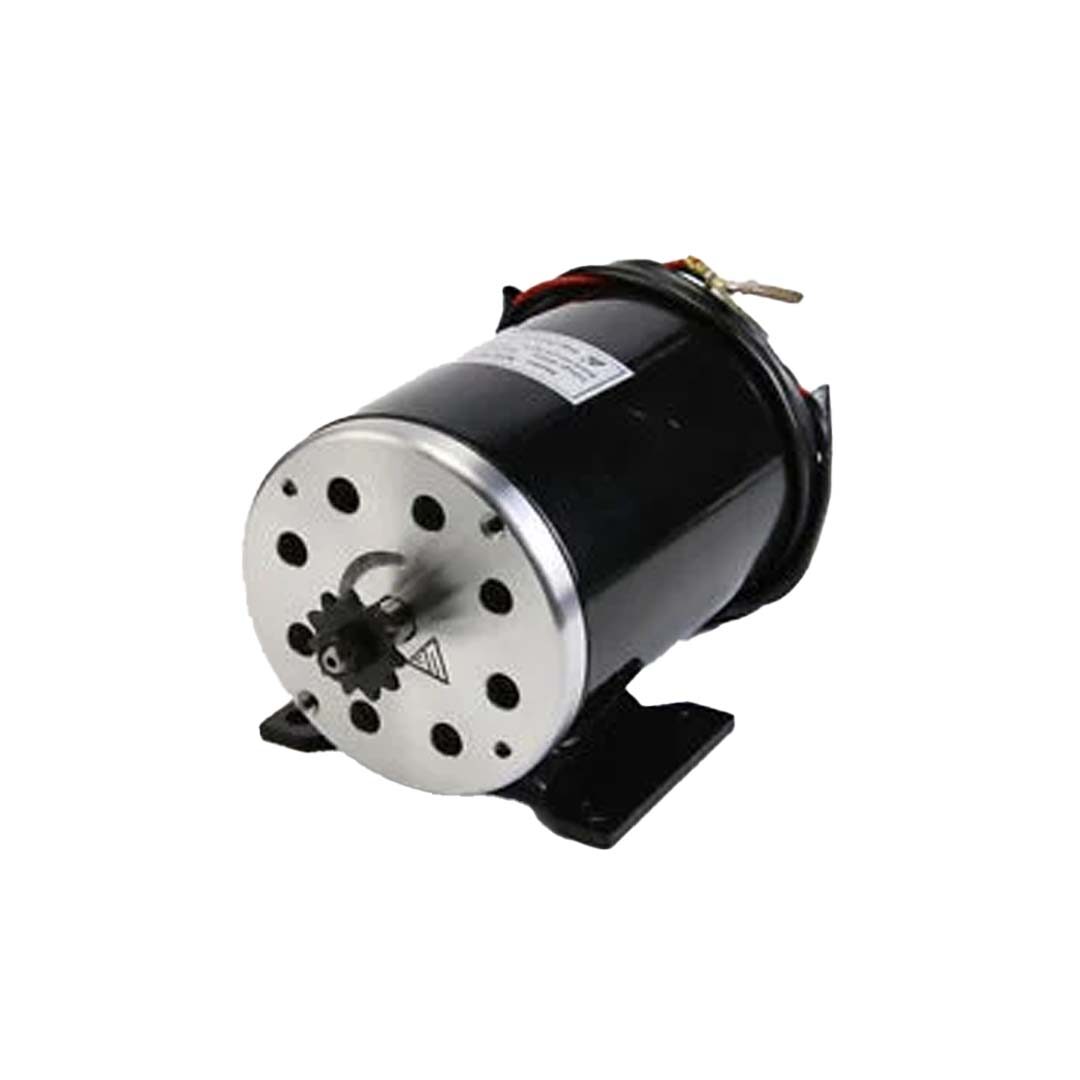
Ebike 500W 24V DC 2500 RPM Motor (MY1020)
A reliable 500W chain-drive DC motor for e-bikes and go-karts. Designed for 24V systems with 2500 RPM output — a popular choice for DIY electric bike conversions in India.
Brake Maintenance on Electric Bikes
E-bikes are heavier than regular bicycles due to the battery and motor, and they travel faster. This makes brake maintenance even more critical. Failing brakes on an e-bike at 30–40 km/h in city traffic is a serious safety hazard.
Mechanical Disc Brakes
- Pad inspection every 500 km: Check thickness through the caliper window. Replace when pad material is under 1.5mm thick.
- Rotor alignment: A rubbing or pinging sound while riding indicates a bent or misaligned rotor. Re-align the caliper or straighten the rotor with a rotor truing tool.
- Cable tension: Mechanical disc cables stretch over time. Adjust tension at the barrel adjuster or cable anchor bolt as needed.
Hydraulic Disc Brakes
- Bleed every 1–2 years: In Indian monsoon conditions, moisture gets into hydraulic lines faster than in dry climates. Spongy lever feel is the main sign of air or moisture in the system.
- Fluid level: Check the reservoir cap monthly. Use only the recommended fluid (DOT 4 or mineral oil depending on your brand — never mix).
- Contamination: Even a drop of oil or chain lube on brake pads or rotors destroys braking performance. Keep all lubricants away from disc brakes.
E-Brake (Motor Cut-Off) Sensors
Most e-bike kits include e-brake sensors that cut motor power when brakes are applied. Test this every 3 months by applying the brake lever while the motor is running at low throttle. The motor should cut out instantly. A faulty e-brake sensor can cause the motor to keep driving while you are trying to stop — extremely dangerous.
Electrical System and Wiring Checks
The electrical system on an Indian e-bike faces unique challenges — road vibration, dust ingress, moisture from monsoons, and heat from summer riding. A systematic check every 6 months prevents most failures.
- Connector inspection: Check all XT60, Anderson, and JST connectors for heat discolouration, corrosion, or looseness. Burnt connectors indicate excessive current draw.
- Wire routing: Ensure no wires are pinched against the frame, pass over sharp edges, or can be caught in the wheel or chain.
- Main fuse or circuit breaker: Confirm the fuse rating matches your battery and controller spec. An incorrectly rated fuse will either blow prematurely or fail to protect in a real fault.
- Display and throttle: Clean the throttle housing — dust and moisture cause erratic throttle signals. Check display connections for corrosion.
- Hall sensor wires: On brushless hub and mid-drive motors, the 5-wire hall sensor cable is fragile. If the motor stutters at low speed, this is the first thing to check.
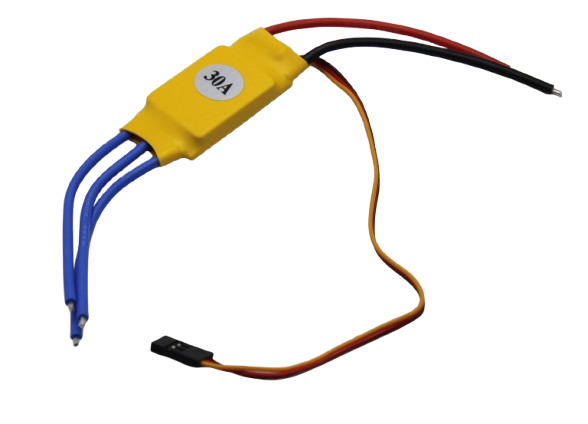
30A BLDC ESC Brushless Electronic Speed Controller
A versatile 30A brushless ESC for EV drive systems. Provides smooth speed control, regenerative braking support, and protects the motor against overcurrent conditions.
Seasonal Maintenance for Indian Climate
Summer (March to June)
- Park in shade whenever possible — direct sun on the battery can raise cell temperature by 10–15°C above ambient
- Avoid charging during peak afternoon heat (1–5 PM)
- Check tyre pressure more frequently — heat expands air and overinflated tyres reduce grip
- Monitor motor temperature more carefully — heat above 80°C can damage winding insulation
Monsoon (June to September)
- Apply dielectric grease to all electrical connectors before the season starts
- Dry the bike thoroughly after wet rides before charging
- Check brake pads more frequently — wet riding accelerates pad wear
- Inspect motor axle for rust if it is a brushed DC motor
- Keep the battery pack mounting points free of mud accumulation
Winter (October to February)
- Expect 10–15% reduction in battery range below 15°C — this is normal chemistry behaviour
- Charge at room temperature if possible — cold charging reduces capacity and can stress cells
- Check tyre pressure regularly — cold air contracts and tyres lose pressure faster
DIY Maintenance Tools and Parts
For riders who prefer to handle their own EV maintenance, the following tools are essential:
- Digital multimeter — for checking battery voltage, cell balance, and continuity
- Hex key (Allen key) set — for disc caliper, motor mount, and handle bar bolts
- Chain wear indicator — for chain-drive motor systems
- Contact cleaner spray — for electrical connectors
- Dielectric grease — for weatherproofing connectors
- Tyre pressure gauge — for accurate inflation
- Spoke tension wrench (if you have a hub motor) — for checking spoke tension periodically
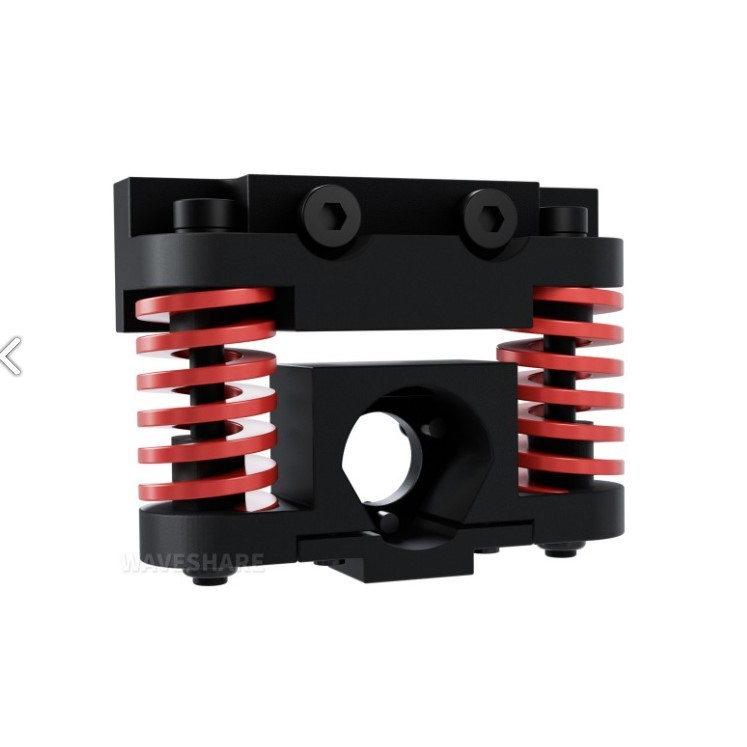
Waveshare All-Metal Compact UGV Suspension (A)
High-strength spring suspension for motorised ground vehicles with 7.5KG load capacity. Compatible with DDSM115 hub motor for robust EV chassis builds.
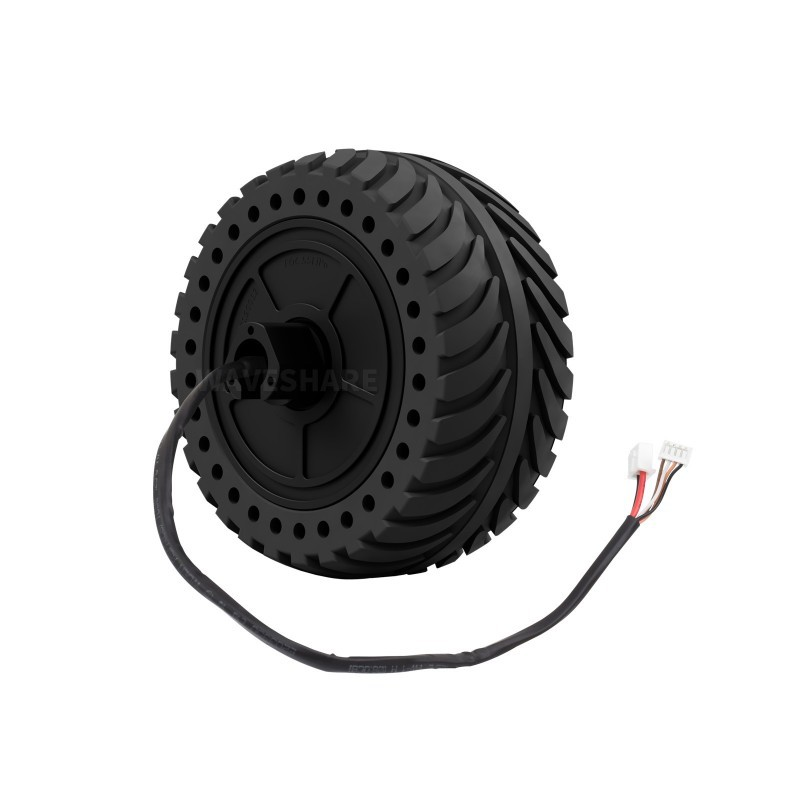
Waveshare DDSM115 Direct Drive Hub Motor
A low-noise, high-torque direct drive hub motor ideal for quiet EV builds. Minimal maintenance required — no gears or chains to service, just bearing inspection.
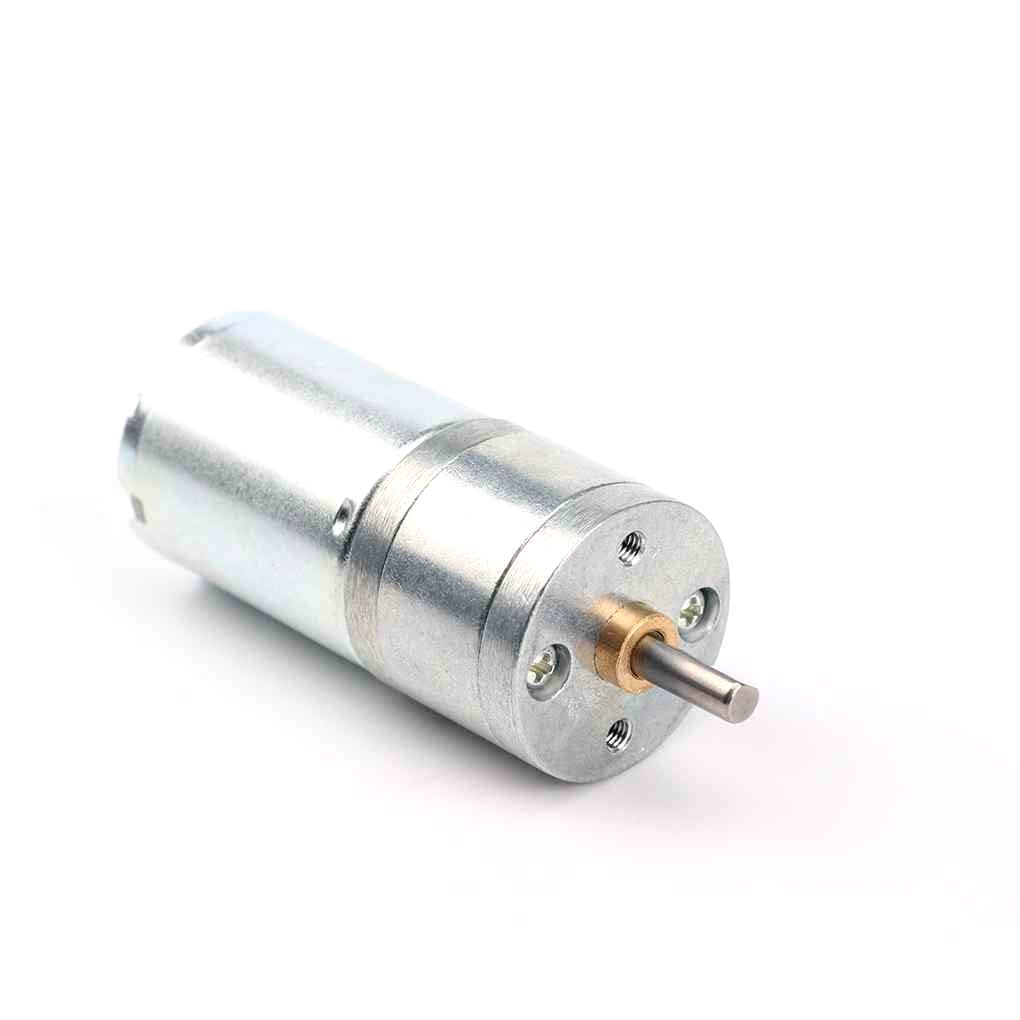
25GA-370 12V 12RPM DC Reducer Gear Motor
A compact 12V DC gear motor with integrated gearbox for low-speed, high-torque applications. Great for auxiliary EV systems — throttle actuators, seat adjusters, and cargo mechanisms.
Frequently Asked Questions
How often should I service my electric bike in India?
A basic inspection every 3 months or 1,000 km is ideal for Indian conditions. Monsoon season warrants more frequent checks — especially for electrical connectors and brake pads.
Does an e-bike battery need special maintenance in Indian summers?
Yes. High temperatures accelerate lithium-ion degradation. Avoid direct sun parking, delay charging until the battery cools after a ride, and never charge in temperatures above 40°C.
How long does an e-bike motor last in India?
A quality hub motor can last 30,000–50,000 km with proper care. Chain-drive DC motors like the MY1020 typically last 15,000–25,000 km before bearing replacement is needed.
What causes e-bike controllers to fail in India?
Heat, moisture, and voltage spikes from uneven charging are the top causes. Mount the controller in a ventilated location away from direct heat, and use a battery with a reliable BMS.
Is monsoon riding safe for electric bikes?
Most sealed hub motors and well-protected battery packs can handle light rain. Avoid waterlogged roads and deep puddles. Always dry connectors and check for water ingress after heavy rain riding.
Final Thoughts
Consistent, proactive maintenance is the key to getting maximum life and performance from your electric vehicle in India. The battery, motor, and braking system each have distinct needs — and Indian climate adds extra demands on all three. By following these electric vehicle maintenance tips for India, you will reduce downtime, extend component life, and keep your EV safe to ride year-round.
Zbotic supplies a wide range of EV motors, controllers, and components for DIY builders and EV enthusiasts. Visit our E-Bikes & Electric Vehicles category to find the right parts for your build or repair.




Add comment