
Choosing between the Rigol DS1054Z vs Siglent SDS1202 is one of the most common dilemmas for electronics students, hobbyists, and professionals entering the world of digital oscilloscopes. Both models sit in the affordable entry-to-mid range and offer impressive specifications for their price — but they are very different instruments. This detailed comparison will help you decide which scope is right for your bench in India.
Quick Overview: DS1054Z and SDS1202
The Rigol DS1054Z is a 4-channel, 50 MHz (hackable to 100 MHz) digital oscilloscope that became wildly popular after it shipped with a hackable licence system — early adopters unlocked serial decoding, deep memory, and extended bandwidth for free. It has a large 7-inch TFT display and an encyclopaedic triggering system.
The Siglent SDS1202 is a 2-channel, 200 MHz oscilloscope that often retails at a similar price point. Siglent has grown rapidly as a test-equipment brand and the SDS1202 represents genuine 200 MHz performance at an accessible price. For RF work or high-speed digital signals, those extra MHz matter enormously.
In short: the DS1054Z gives you more channels and a richer trigger set; the SDS1202 gives you more raw bandwidth. The right choice depends entirely on what you are measuring.
Spec Sheet Face-Off
Here is a side-by-side of the most important specifications:
| Spec | Rigol DS1054Z | Siglent SDS1202 |
|---|---|---|
| Channels | 4 | 2 |
| Bandwidth | 50 MHz (100 MHz with hack) | 200 MHz |
| Sample Rate | 1 GSa/s | 1 GSa/s |
| Memory Depth | 12 Mpts | 14 Mpts |
| Display | 7″ TFT, 800×480 | 7″ TFT, 800×480 |
| Vertical Resolution | 8-bit ADC | 8-bit ADC |
| Serial Decode | I2C, SPI, UART (licence) | I2C, SPI, UART (included) |
| USB Host/Device | Both | Both |
| LAN (LXI) | Yes | Yes |
Both use the same sample rate and similar memory depth. The big differentiators are channel count and analogue bandwidth.
Display and User Interface
Both oscilloscopes ship with 7-inch, 800×480 TFT displays that are comfortable to work with. The Rigol DS1054Z display is widely praised for its waveform update rate — the instrument can display up to 30,000 waveforms per second in normal mode, which makes it excellent at catching rare glitches.
The Siglent SDS1202 display is bright and crisp. Siglent’s menu system is slightly more modern-feeling, but both are reasonably intuitive after a short learning curve. Rigol’s knob and button layout has been refined over years of production and many users find it more ergonomic for day-to-day lab work.
Rigol’s deep history means there is a huge library of YouTube tutorials and community guides — a significant practical advantage for students learning to use an oscilloscope for the first time.
Triggering and Protocol Decoding
The DS1054Z has one of the most comprehensive trigger systems available at its price: edge, pulse width, video, slope, pattern, RS232/UART, I2C, and SPI triggers are all available (the serial triggers require the paid/hacked licence). This makes the scope suitable for complex embedded debugging — catching a specific I2C address on a busy bus, for instance.
The SDS1202 includes edge, slope, pulse, video, window, interval, dropout, runt, and serial triggers. Its protocol decoding — I2C, SPI, UART, CAN, LIN — is included in the base price with no licence unlock needed, which is a genuine advantage.
For pure digital/embedded work, both cope well. The DS1054Z edges ahead when you need 4 channels simultaneously (e.g., debugging an SPI bus while also monitoring power rails). The SDS1202 is better if your signals are fast (50–200 MHz) where the DS1054Z’s limited analogue bandwidth will cause you to miss signal integrity issues.
PC Software and Connectivity
Rigol provides UltraSigma and UltraScope for Windows — the latter allows screen capture, waveform data export, and remote control via USB or LAN. Both are functional but not beautiful. Rigol instruments are also well-supported by open-source tools such as sigrok / PulseView, which is a major advantage for Linux users.
Siglent provides EasyScopeX, which is more polished and supports deeper data logging. Siglent scopes are also supported by sigrok, though community support is slightly less mature than for Rigol.
Both connect via USB-B (device) for PC control and have a USB-A host port for saving screenshots or waveform data to a USB drive directly. LAN connectivity (LXI-compliant) is present on both, enabling integration into automated test environments.
Value for Money in India
In the Indian market, pricing for both models fluctuates, but the Rigol DS1054Z and Siglent SDS1202 often land within ₹5,000–₹10,000 of each other. Rigol’s wider distribution network in India means spares, probes, and after-sales support are easier to come by in tier-2 cities. Siglent is growing its Indian presence rapidly, and many distributors now stock the SDS1202 line.
From a pure rupee-per-megahertz perspective, the SDS1202 wins comfortably. From a rupee-per-channel perspective, the DS1054Z wins. Budget-conscious hobbyists doing Arduino/STM32/ESP32 work (signals below 50 MHz) will find the DS1054Z more than adequate. RF hobbyists, those working with high-speed serial buses, or anyone measuring switching power supplies will appreciate the SDS1202’s extra headroom.
Accessories matter too — probes, bench organisers, and a solid workspace setup make a huge difference. While these scopes do not come from Zbotic, our store carries the essentials that sit alongside your test bench.
Recommended Accessories for Your Test Bench
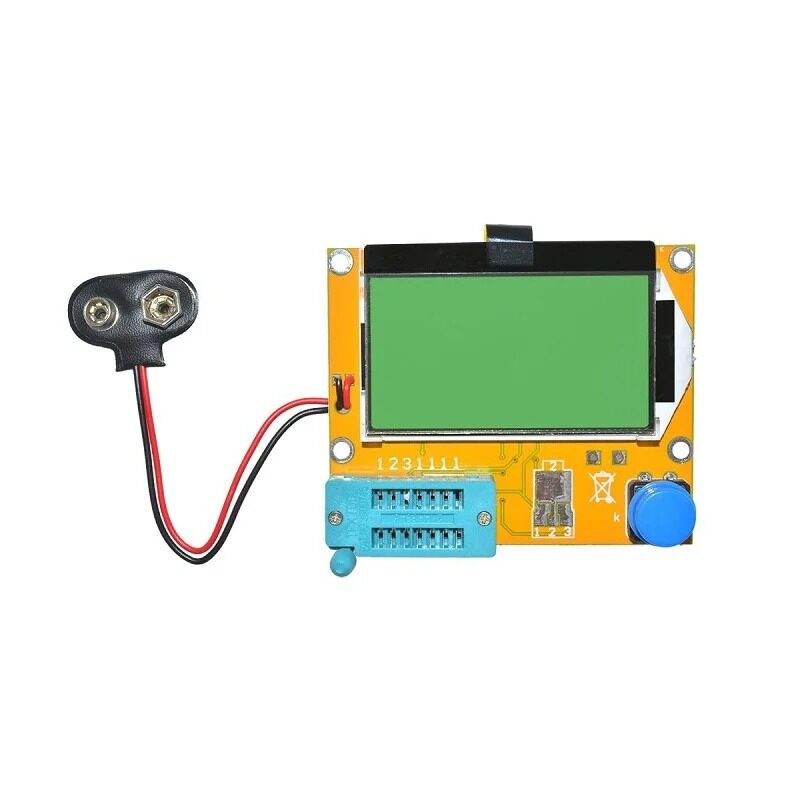
LCR-T4 Transistor & Component Tester
Quickly identify and test transistors, capacitors, resistors, and more — the perfect companion to your oscilloscope on any electronics bench.
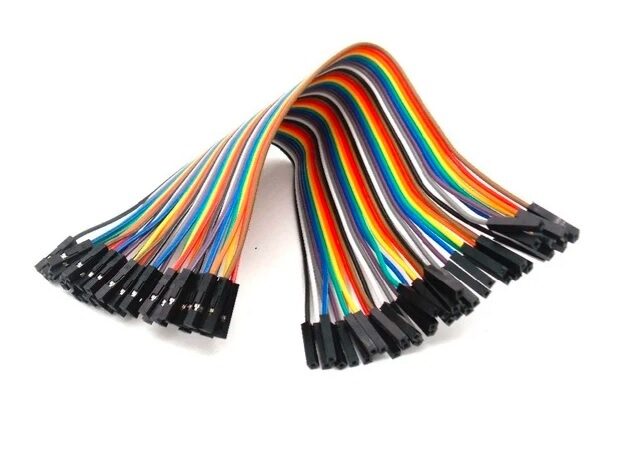
Female to Female Jumper Wires 40Pcs
Essential for connecting oscilloscope probe ground clips to circuit ground points on breadboard setups.
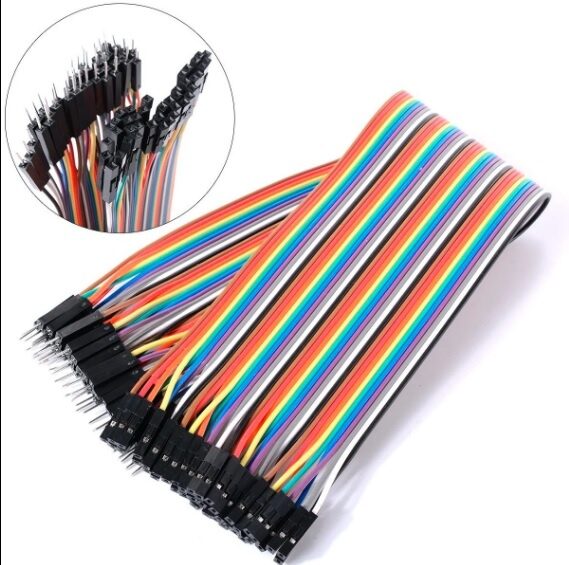
Male to Female Jumper Wires 40Pcs
Use these to tap signals directly from pin headers on development boards like Arduino or STM32 into your oscilloscope probes.
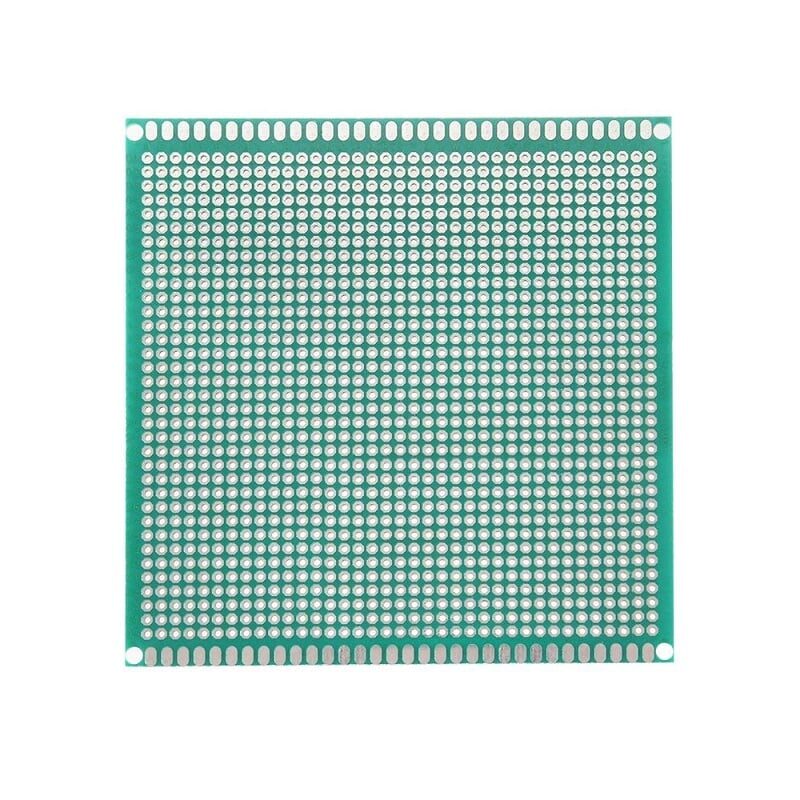
10×10cm Universal Prototype PCB Board
Build test circuits to probe with your oscilloscope — ideal for characterising sensor outputs, power rails, and communication lines.
Which Should You Buy?
Buy the Rigol DS1054Z if:
- You work primarily with microcontrollers (Arduino, STM32, ESP32) at frequencies below 50 MHz
- You frequently need to probe 3 or 4 signals simultaneously
- You are a student or hobbyist who values the huge online community and tutorial library
- Budget is tight and you want to stretch it with the bandwidth unlock hack
Buy the Siglent SDS1202 if:
- You work with RF circuits, high-speed digital signals, or switching power supplies (signals above 50 MHz)
- You need serial protocol decoding without any licence fee
- Two channels are sufficient for your typical debugging workflow
- You want the cleanest possible signal integrity view at a competitive price
For most Indian electronics students starting out, the Rigol DS1054Z remains the safer all-rounder — its 4 channels, excellent trigger system, massive community support, and hackable bandwidth make it one of the best values in entry oscilloscopes ever produced. The Siglent SDS1202 is the better choice once you know you need those extra MHz.
Frequently Asked Questions
Can I really unlock the DS1054Z to 100 MHz for free?
Early production units allowed bandwidth and feature unlocks via keycodes generated from the instrument serial number. More recent units may have this closed. Always verify the firmware version before purchasing if this is important to you.
Is 50 MHz enough for Arduino and ESP32 projects?
Yes, easily. Arduino runs at 16 MHz, STM32 at up to 72–168 MHz (though most signals you measure are slower), and ESP32 clock is 240 MHz internally but GPIO signals are generally under 50 MHz. 50 MHz is fine for the vast majority of hobbyist work.
Which oscilloscope is better for a final-year engineering project?
Either works well. The DS1054Z is more commonly found in college labs, so your supervisors will be more familiar with it. The SDS1202 impresses with higher bandwidth which helps if your project involves RF or high-speed comms.
Do these oscilloscopes come with probes?
Both typically include one probe per channel. Probe quality varies by seller; always check if 1x/10x switchable probes are included.
Can I use these oscilloscopes with a PC running Linux?
Yes. Both are supported by the open-source sigrok framework and can be controlled via USB. Rigol has broader driver support across community tools.
Ready to build your electronics lab? Zbotic stocks a wide range of components, prototyping tools, and accessories to complement your oscilloscope. Browse Tools & Equipment →




Add comment