
If you’re just starting out with electronics in India, choosing the best soldering iron in India can feel overwhelming. Walk into any electronics market or browse online and you’ll find dozens of options — from cheap 25W pencil irons to full-featured soldering stations. The wrong choice can mean burnt boards, cold joints, and a lot of frustration. The right one, however, will last you years and open the door to a world of DIY electronics, PCB assembly, and hardware prototyping.
In this buyer’s guide, we break down everything a beginner needs to know: wattage, tip types, temperature control, brands, and our top picks available in India in 2026.
Why the Right Soldering Iron Matters for Beginners
Many beginners make the mistake of buying the cheapest soldering iron available — often a basic 25W pencil iron with no temperature control. While these work for simple through-hole soldering on large pads, they fail miserably on small SMD components, multilayer PCBs, and fine-pitch ICs. Overheating is one of the most common causes of PCB damage for beginners, and a temperature-uncontrolled iron makes it nearly impossible to avoid.
On the flip side, spending ₹10,000+ on a Hakko or Weller station right out of the gate is overkill if you’re just learning. The sweet spot for most Indian beginners lies in the ₹800–₹2500 range — where you get temperature control, reliable tips, and consistent heat recovery without breaking the bank.
The soldering iron is also a long-term investment. A good ₹1500 iron with replaceable tips will outlast three cheap ₹300 irons and save you money in the long run.
Types of Soldering Irons Available in India
1. Pencil Soldering Iron (Basic, Fixed Wattage)
The most common type found in Indian electronics shops. Fixed wattage (usually 25W or 40W), no temperature control, and a simple plug-and-solder design. Suitable for casual hobbyists doing very basic through-hole work. Not recommended for sensitive components or PCB rework.
2. Temperature-Controlled Soldering Iron
These look similar to pencil irons but include a dial or digital control to set the tip temperature. Most operate between 200°C and 480°C. These are ideal for beginners moving beyond the absolute basics. Brands like KSGER, YIHUA, and Sugon offer reliable options in the ₹1000–₹2500 range in India.
3. Soldering Station
A combination of a control unit and a separate iron handpiece. Stations offer precise temperature control, faster heat recovery, and better ergonomics. Hakko FX-888D and Weller WE1010 are professional favourites. Budget alternatives like the YIHUA 936 are popular in India.
4. Hot Air Rework Station
Used for SMD component removal and rework. Often sold as a combo station with a soldering iron. Not strictly necessary for beginners but invaluable once you move to surface mount components.
Key Specs to Check Before Buying a Soldering Iron in India
Wattage
Wattage determines how fast the iron heats up and recovers after contact with a cold joint. For beginners:
- 25–40W: Budget irons. Slow heat recovery. Fine for simple jobs.
- 48–65W: Good temperature-controlled irons. Suitable for most PCB work.
- 80W+: Professional stations. Fast recovery, even on large ground planes.
More wattage does NOT mean more heat — it means better thermal performance and quicker response.
Temperature Range
Most PCB soldering happens between 300°C and 380°C. Lead-free solder (RoHS compliant) requires higher temperatures (340–400°C). A range of 200°C–480°C gives you plenty of headroom for all common tasks.
Tip Compatibility
Always check if the iron uses standard, widely-available tips. The 900M series (used by BAKON, KSGER, and Hakko clones) and T12 series (used by JBC clones and many budget stations) are the most popular in India. Avoid irons with proprietary tips that are hard to find locally.
Heating Element Type
Ceramic heating elements heat up faster and are more stable than nichrome wire elements. If you’re buying a mid-range iron, check for ceramic heater mentions in the spec sheet.
ESD Safety
If you’re working with CMOS chips, microcontrollers, or FETs, choose an ESD-safe (grounded tip) iron. Most decent irons above ₹800 are ESD safe.
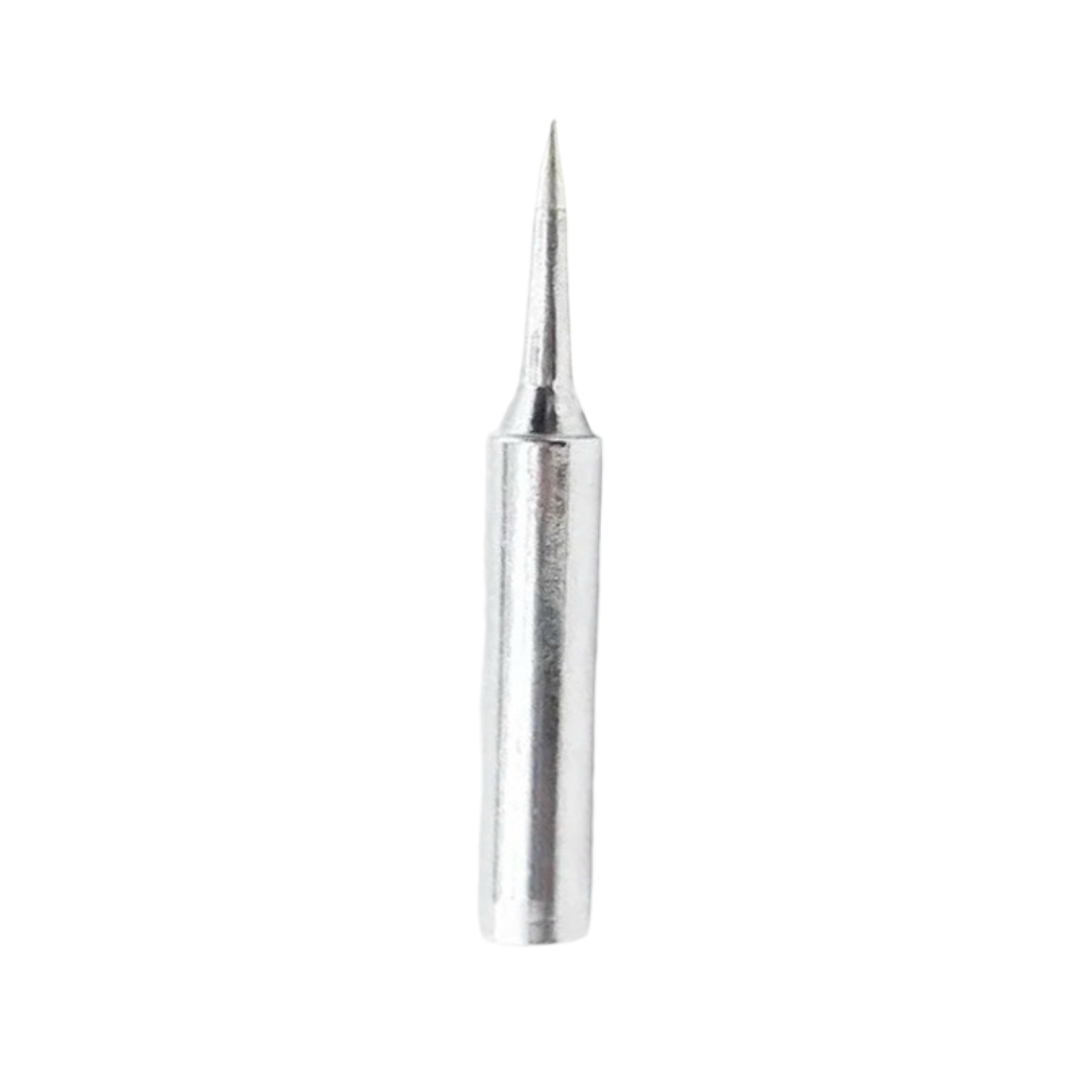
BAKON Soldering Iron Tip 900M-T-I
High-quality 900M series replacement tip compatible with most entry-level and mid-range soldering irons sold in India. Essential to have spares on hand.
Best Budget Soldering Irons in India (Under ₹500)
At this price point, you’re looking at basic pencil irons with no temperature control. These are fine for absolute beginners working on through-hole kits, LED circuits, or simple wire joining.
What to Expect at This Budget
- Fixed 25W or 40W output
- Bare metal handle (gets hot — use caution)
- Non-ESD tip
- Life span: 6–18 months with regular use
- Good for: LED soldering, wire splicing, through-hole kits
- Not good for: SMD, Arduino shields, microcontrollers
If you plan to take electronics seriously even slightly, we strongly recommend saving a bit more and jumping to the ₹800–₹1500 tier. The difference in usability is enormous.
Best Mid-Range Soldering Irons (₹500–₹2000) — Our Top Picks
This is where the real value lies for Indian beginners. You get temperature control, better build quality, and replacement tips that are easy to source.
KSGER T12 Mini Soldering Station (~₹1800–₹2500)
One of the best beginner soldering stations available in India in 2026. Uses T12 tips, has OLED display showing real temperature, and heats up to 350°C in under 10 seconds. The T12 tip ecosystem has hundreds of shapes available.
YIHUA 936 Soldering Station (~₹1500–₹2000)
A classic that has been popular in Indian electronics markets for over a decade. Analog temperature control, uses 900M series tips, and has a metal housing with a clean heat-up time. If you want something no-fuss with easily available spare parts, this is it.
Sugon T26 Smart Soldering Iron (~₹1200–₹1800)
A USB-C powered soldering iron (PD 65W) that is gaining popularity in India. No dedicated station needed — plug into any USB-C PD charger. Compact, lightweight, and hits 350°C in under 15 seconds. Great for on-the-go use.
Soldron 25W Professional Iron (~₹400–₹600)
If you absolutely must stay under ₹500, Soldron is the most reliable Indian brand in this segment. Better quality control than generic options and spare tips available in most local electronics shops.
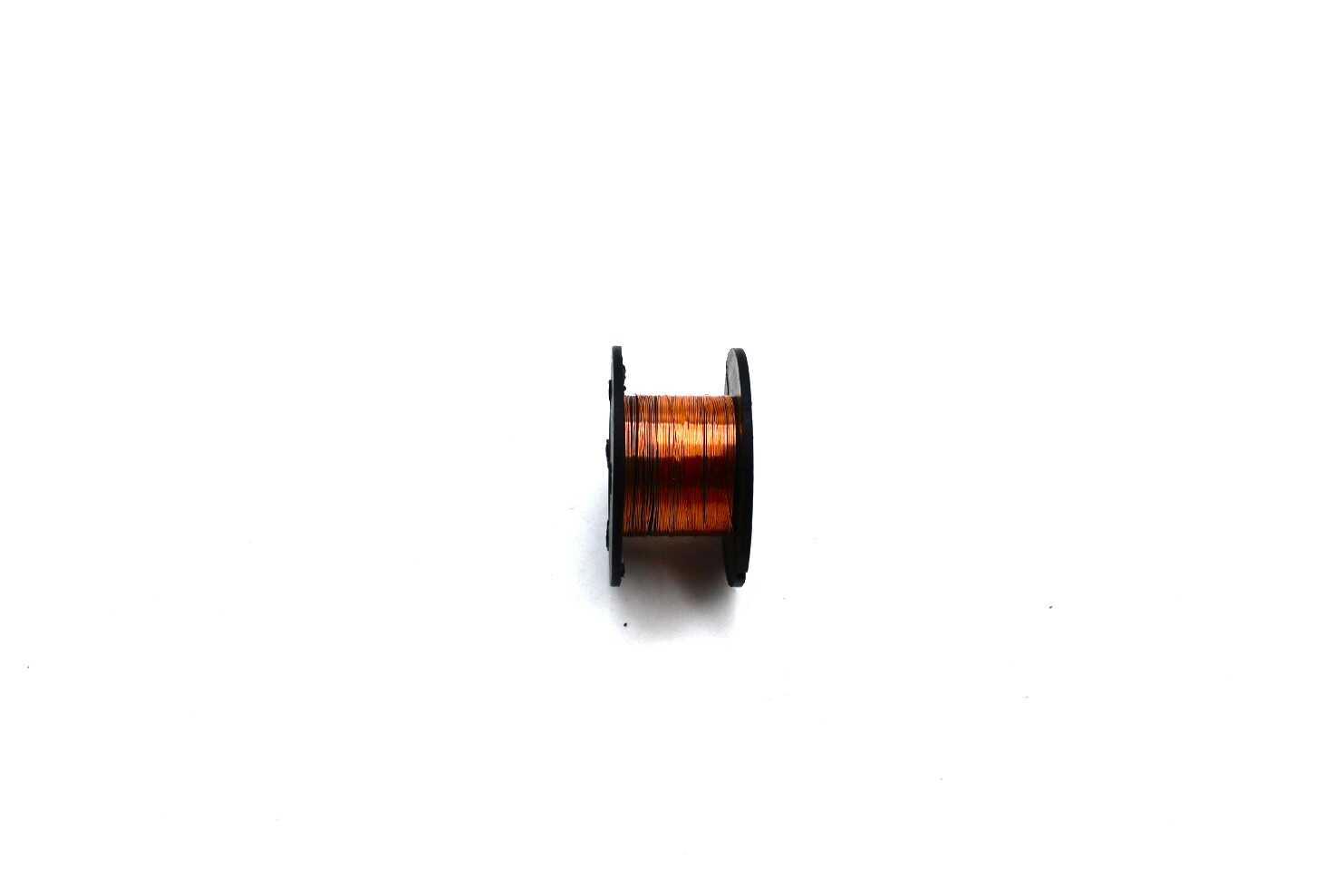
0.1MM Copper Soldering Solder PPA Enamelled Repair Reel Wire
Ultra-fine enamelled copper wire for repair work, coil winding, and precision soldering. Works with most soldering irons rated 300°C and above.
Essential Soldering Accessories for Beginners
A great soldering iron alone isn’t enough. Here’s what every beginner should have in their toolkit:
Soldering Wire
Use 60/40 (tin/lead) solder wire in 0.8mm or 1.0mm diameter for general PCB work. Lead-free 63/37 is better for professional work but requires higher temperatures. Always buy rosin-core solder — it has flux built in.
Soldering Stand / Holder
Never set a hot iron on your work surface. A proper iron stand keeps it safe and includes a brass wool or sponge for tip cleaning. Many budget stations include a basic stand.
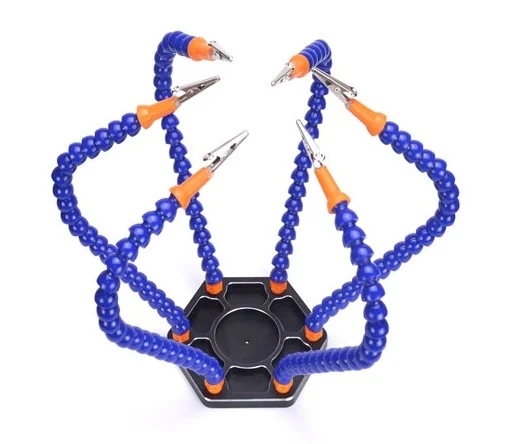
6 Flexible Arms Soldering Station with Swiveling Alligator Clip
Helping hands station with 6 flexible arms and alligator clips. Holds your PCB, component leads, and iron while you work — a must-have for solo soldering sessions.
Brass Tip Cleaner / Wet Sponge
Keeping your tip clean and tinned is the single biggest factor in good solder joints. Brass wool cleaners are better than wet sponges for temperature stability — they don’t cause thermal shock.
Flux Paste
Rosin or no-clean flux helps solder flow properly, prevents oxidation, and makes SMD work much easier. A small pot of flux paste (RMA type) is cheap and lasts a long time.
Jumper Wires for Testing
Once you’ve soldered something, you need wires to test it. Breadboard jumper wires help you connect your PCB to test circuits without soldering permanent connections first.
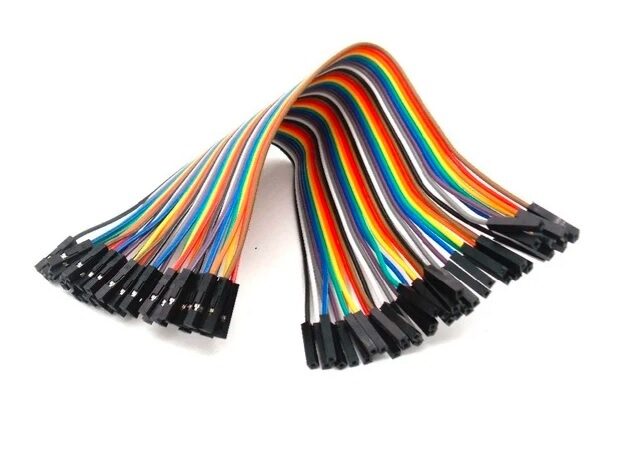
10CM Female To Female Breadboard Jumper Wires 2.54MM – 40Pcs
Standard 2.54mm pitch jumper wires for breadboard and PCB header connections. Ideal for prototyping alongside your soldering setup.
Pro Tips for Beginners Just Starting Soldering
- Tin your tip immediately after heating: Before any solder touch pads, coat the tip with fresh solder. This prevents oxidation and improves heat transfer dramatically.
- Heat the pad, not the solder: Place the iron on the component pad and let it heat for 2–3 seconds, then touch the solder wire to the pad — not the iron tip. Solder should flow smoothly into the joint.
- Don’t move the joint while it cools: Hold everything still for 2–3 seconds after removing the iron. Moving a joint while solder is semi-solid creates a cold joint — one of the most common beginner mistakes.
- Use the right amount of solder: A good joint is shiny, concave, and small. A bad joint is dull, blobby, or looks like a ball. Less is more with solder.
- Keep your tip clean and tinned: After every few joints, wipe the tip on brass wool and apply fresh solder. A dark, oxidised tip transfers heat poorly and ruins joints.
- Work in a ventilated area: Soldering fumes contain rosin and, if using leaded solder, lead vapour. A small fan, open window, or proper fume extractor keeps you safe.
- Practice on scrap PCBs first: Old electronics have PCBs with through-hole components. Desolder and re-solder them to practice before working on anything important.
Frequently Asked Questions About Soldering Irons in India
Which wattage soldering iron is best for beginners in India?
For beginners, a 48W–65W temperature-controlled soldering iron is ideal. It heats up quickly, gives you enough power for heat recovery, and the adjustable temperature prevents component damage. Fixed 25W irons are too underpowered for most PCB work.
Is a soldering station worth buying for beginners?
Yes, if you plan to do electronics regularly. Budget stations like the YIHUA 936 or KSGER T12 start around ₹1500–₹2500 and offer much better temperature control, ergonomics, and tip availability compared to pencil irons. They’re worth the extra investment.
Can I use a 40W soldering iron for Arduino and PCB work?
A fixed 40W iron can work for through-hole Arduino components, but without temperature control you risk overheating sensitive ICs and lifting PCB traces. A temperature-controlled iron in the same or slightly higher wattage range is much safer and more versatile.
What solder wire should beginners use in India?
Beginners should use 60/40 rosin-core solder wire in 0.8mm or 1.0mm diameter. It melts easily, flows well, and the built-in flux makes soldering more forgiving. Lead-free solder requires higher temperatures and is harder to work with as a beginner.
Where can I buy soldering iron tips (900M series) in India?
900M series soldering iron tips are widely available on Indian electronics platforms and local stores. Zbotic.in stocks quality BAKON-branded 900M tips that are compatible with most YIHUA, Soldron, and similar mid-range irons sold in India.
Ready to Start Soldering?
Zbotic.in stocks a wide range of soldering accessories, tips, wires, and electronics tools for beginners and professionals across India. Fast shipping, quality-checked products, and knowledgeable support.





Add comment