
Acetone Smoothing for ABS: Get a Perfect Finish on Your 3D Prints
One of the most impressive capabilities unique to ABS filament in 3D printing is the ability to chemically smooth your prints using acetone. The result is a transition from a visibly layer-lined, rough surface to a perfectly smooth, glossy, professional-looking finish — all without sanding. In India, where ABS is widely printed and acetone is readily available as nail polish remover or hardware solvent, this technique is both accessible and highly practical.
This comprehensive guide covers everything from safety to step-by-step methods, troubleshooting, and the best ABS filaments to use. By the end, you will know exactly how to achieve a flawless acetone-smoothed finish on your ABS prints.
Why ABS? The Science Behind Acetone Smoothing
Acetone is an organic solvent that dissolves ABS plastic. When ABS is exposed to acetone vapour or liquid, the surface layer partially dissolves, becoming a viscous fluid. Surface tension then draws this softened plastic into a smooth, even layer. As the acetone evaporates, the ABS re-solidifies in its new, smooth state.
This works specifically for ABS because ABS is soluble in acetone. PLA, PETG, and most other common filaments are not soluble in acetone and cannot be smoothed this way. This is one of the key advantages of ABS over PLA for display-quality prints and functional parts requiring low friction or sealed surfaces.
The smoothing process works at the molecular level — polymer chains at the surface become mobile, bridging the gaps between printed layers. A well-executed acetone smoothing session can make print layer lines virtually invisible to the naked eye.
Safety First: Critical Precautions
Acetone is highly flammable and the vapours can ignite. In India’s warm climate, vapours accumulate faster and at higher concentrations than in cooler environments. Before proceeding, take these precautions seriously:
- Work outdoors or in a very well-ventilated space: Open all windows and doors, or work on a balcony away from open flames
- No open flames within 5 metres: This includes gas stoves, lighters, candles, and any electrical sparks
- No electric fans or motors nearby: Acetone vapour + electrical spark = fire
- Wear nitrile gloves: Acetone degreases skin rapidly and is absorbed transdermally. Repeated exposure causes skin cracking and dermatitis
- Eye protection: Safety glasses to prevent splash
- Do not inhale fumes: Use a half-face respirator with organic vapour cartridges if doing this regularly
- Metal containers only: Never store or use acetone in plastic containers — it dissolves many plastics. Use glass or metal
- Keep away from children and pets: Acetone fumes accumulate at floor level and affect small animals and children quickly
- Store properly: In a sealed metal or glass container, away from heat and sunlight
Done carefully, acetone smoothing is safe. Thousands of makers do it every day. Just treat acetone with the same respect you would give petrol.
Three Acetone Smoothing Methods
Method 1: Acetone Vapour Chamber (Best Results)
The part is suspended inside a sealed container above liquid acetone. Vapour slowly diffuses onto the print surface, providing an even, controllable smoothing process. This is the preferred method for high-quality results.
Method 2: Brush Application (Quick and Targeted)
Liquid acetone is brushed directly onto the surface with a wide, soft brush. Less controlled than vapour but useful for touching up specific areas or doing quick smoothing on simple parts.
Method 3: Cold Dip (Aggressive, Less Controlled)
The part is briefly dipped directly in liquid acetone. This is the most aggressive method and can over-dissolve the surface, causing a wavy or melted appearance. Not recommended for beginners or detailed parts.
Step-by-Step: Vapour Chamber Method
What You Need
- Acetone (pure, minimum 95% — avoid nail polish removers with additives for the best results)
- An airtight metal or glass container (a large stainless steel tiffin box or glass casserole dish with a lid works perfectly in India)
- Paper towels or an absorbent cloth
- A platform to suspend the print (a piece of wire mesh, a bottle cap, or a glass coaster)
- Timer
- Gloves and eye protection
Step 1: Prepare the Print
Clean any support marks, blobs, or major layer artefacts from your ABS print first. Acetone vapour will not fill deep gouges — it only smooths surface texture. Use a craft knife or sandpaper (120 grit) to remove any obvious defects before smoothing. The better your raw print quality, the better the smoothed result.
Step 2: Set Up the Chamber
Work outdoors or in excellent ventilation. Pour 5–10 ml of acetone onto paper towels inside the bottom of the container — just enough to saturate the towels, not pool as liquid. Place your platform inside so the print will be held above the wet towels but not touching them. Avoid letting liquid acetone touch the print directly.
Step 3: Place the Print and Seal
Place your ABS print on the platform. Seal the container as quickly as possible. The acetone will begin evaporating immediately, filling the space with vapour.
Step 4: Monitor and Time
Check the print every 2–3 minutes by briefly opening the container and observing the surface with a torch. You will see the surface begin to glisten as the vapour dissolves the outer layer. For light smoothing (still visible layers, improved surface), 5–10 minutes is typical. For heavy smoothing (nearly invisible layers, glossy finish), 15–30 minutes depending on print size and layer height.
Do not leave the print unattended. Over-smoothing causes drooping, loss of sharp edges, and detail collapse — especially in fine text or intricate geometry.
Step 5: Remove and Cure
Remove the print carefully — it will be soft and fragile while wet. Suspend it in open air (use a wooden skewer through a hole, or rest it on a wire rack) and let it cure completely. This takes 30 minutes to 2 hours depending on how wet the surface is. Do not touch the surface until cured.
Step 6: Inspect and Touch Up
Once cured, inspect the finish under good lighting. If some areas need more smoothing, repeat briefly. If the overall finish is uneven, a light brush application can target specific spots.
Brush Application Method
Fill a small glass container with 10–15 ml of acetone. Use a wide, flat, soft-bristle brush (a painter’s brush or a flat watercolour brush works perfectly — keep it dedicated to this purpose). Lightly dip the brush and apply a thin, even coat across the print surface.
Work quickly and in one direction. Avoid going back over wet areas, as this drags dissolved ABS and creates streaks. Let each coat cure for 5–10 minutes before applying another. One or two coats is usually sufficient for most prints.
The brush method is excellent for:
- Targeted area smoothing
- Large flat surfaces
- Touch-up after vapour smoothing
- Bonding ABS parts together (acetone as adhesive)
Pro Tips for Perfect Results
- Print at 100% quality first: The higher your print quality going in, the better the smoothed result. Fix your print settings before relying on acetone to hide flaws.
- Layer height matters: Thinner layers (0.1–0.15mm) smooth more evenly and with less vapour than thick 0.3mm layers. The layer gaps are smaller, requiring less dissolved material to bridge them.
- Temperature in India: In summer (35–45°C), acetone evaporates faster, and smoothing times are shorter. In monsoon season (high humidity), smoothing still works but surface quality may be slightly less glossy. Check your chamber more frequently in summer.
- Warm the container slightly: If you are in a cooler climate or AC room, a slightly warm container (not hot!) produces more vapour. You can rest the container on a sunny surface for 5 minutes before sealing — no direct heat sources.
- Use a slow-release sponge: Instead of soaked paper towels, pour acetone into a sponge. The slower evaporation from the sponge gives finer control over vapour concentration.
- Test on scraps first: Before smoothing your best print, practice on test pieces to learn the timing for your environment and acetone concentration.
Troubleshooting Common Problems
Surface is Wavy or Rippled
The part was over-exposed. Too much acetone caused too deep a dissolution. Next time, reduce exposure time by 30–40% and check more frequently.
Uneven Smoothing (Shiny in Some Areas, Dull in Others)
Vapour concentration was uneven inside the chamber. Ensure the acetone-soaked towels are spread evenly around the base of the container, not concentrated in one spot. Also check that the print was suspended centrally, not touching the sides.
Surface Has White Haze
This is blushing — caused by moisture condensing on the surface as acetone evaporates rapidly in humid conditions. In India’s monsoon season, do acetone smoothing in an air-conditioned room to reduce ambient humidity. The haze usually clears as the part fully cures.
Print Deformed or Collapsed
The print was too light or fragile to survive the weight of dissolved surface material. Either print with more infill and walls next time, or use shorter exposure times. Hollow or thin-walled prints are most susceptible.
Detail is Lost
Fine detail (text, engraving, small features) is always sacrificed during acetone smoothing. If you need detail preserved, use the brush method targeted only at smooth flat surfaces, leaving detailed areas untouched.
Post-Smoothing Finishing Options
Primer and Paint
Acetone-smoothed ABS accepts automotive spray primer and acrylic paints beautifully. The smooth, slightly porous surface holds paint better than injection-moulded plastic. Prime with a grey or white automotive primer, sand lightly at 400 grit if needed, then apply colour coats.
Chrome Effect
Mirror-chrome spray paint (available in India from auto parts stores) applied over a very smooth acetone finish creates a striking chrome-look effect. The smoother the base, the more mirror-like the chrome.
Clear Coat
A clear lacquer coat preserves the glossy acetone finish and adds a protective layer against scratching and UV exposure. Use a UV-resistant clear coat for outdoor parts.
Electroplating
With a conductive primer, acetone-smoothed ABS can be electroplated with copper, nickel, or chrome for a genuine metal surface. This is a more advanced process, but the smooth ABS substrate is ideal for it.
India-Specific Tips and Sourcing
Sourcing acetone in India: Pure acetone is available from chemical supply shops, hardware stores (sometimes labelled as paint thinner or solvent), and online (Amazon, Flipkart). Look for 99% or 100% pure acetone — avoid nail polish removers that contain conditioning agents as these leave residue on the print.
Seasonal considerations:
- Summer (March–June): Fastest evaporation, shortest timing needed. Extra caution with flammability.
- Monsoon (June–September): Higher humidity causes blushing. Work in AC rooms.
- Winter (November–February): Slower evaporation. Increase exposure time by 20–30%.
Safety compliance: In India, acetone falls under Petroleum Act regulations when stored in large quantities. For hobby use (small quantities under 1 litre), personal storage in sealed containers is generally fine for home workshops.
Recommended ABS Filaments
Not all ABS is created equal for acetone smoothing. Filaments with consistent diameter and good layer adhesion produce the most even smoothed results. Bambu Lab ABS is a premium choice:
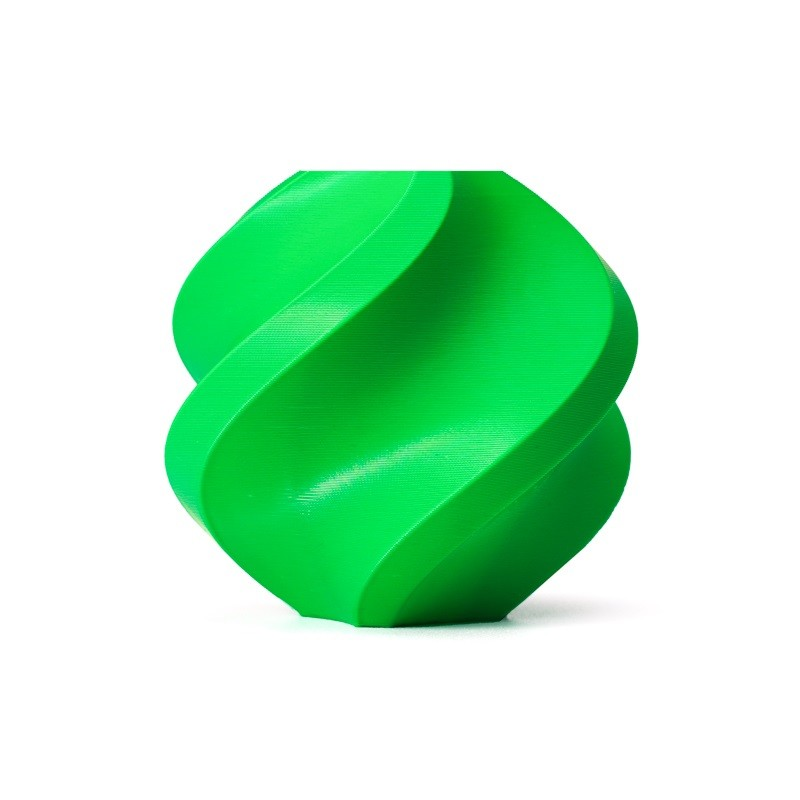
Bambu Lab ABS Filament – Bambu Green 1.75mm with Reusable Spool
Premium Bambu Lab ABS with excellent layer adhesion and consistent 1.75mm diameter. Acetone smooths beautifully — virtually invisible layer lines with 20 minutes of vapour exposure. Includes reusable spool.
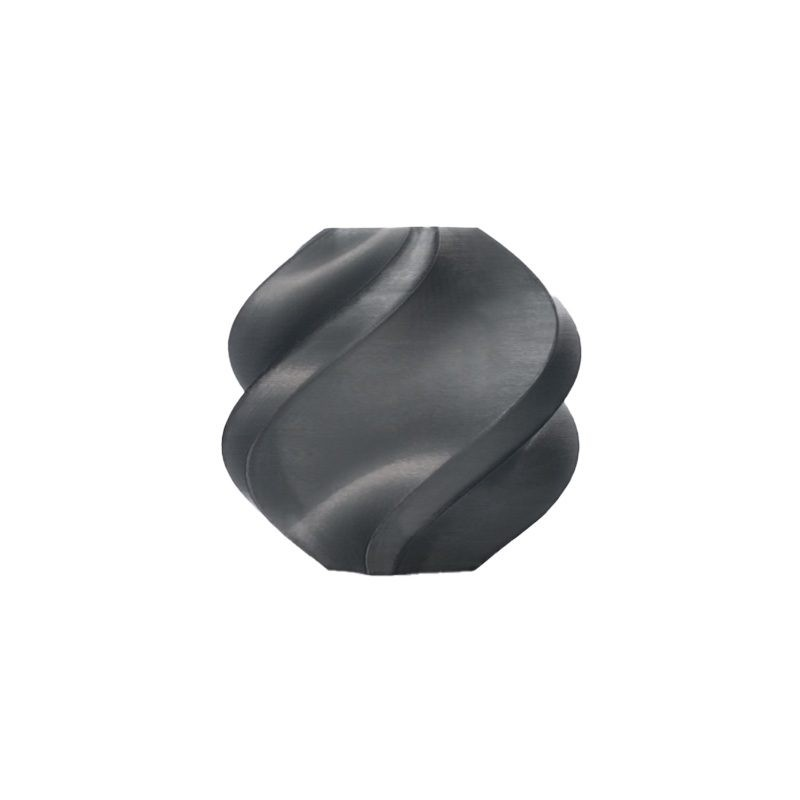
Bambu Lab ABS Filament – Black 1.75mm
Black ABS from Bambu Lab for sleek, professional-finish prints. Black acetone-smoothed ABS is particularly striking — deep, even gloss with no visible layer lines. Ideal for display models and enclosures.
For best ABS printing results, a clean nozzle and good bed adhesion are essential:
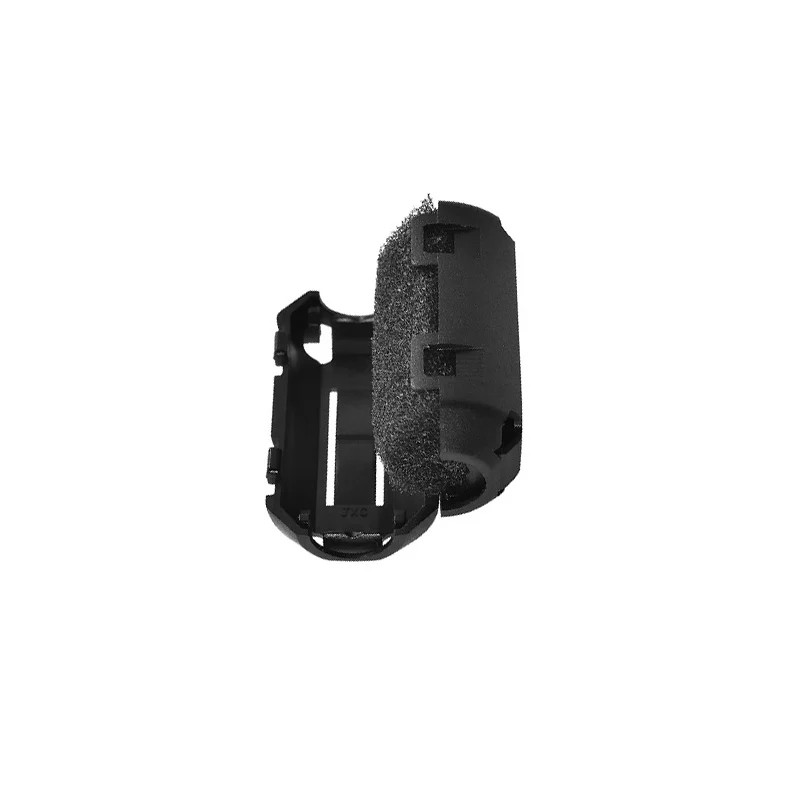
ABS PLA PETG Filament Filter Cleaner Block
Keep your ABS filament clean and dust-free entering the extruder for consistent print quality. Dust on filament can cause clogs and surface imperfections that ruin your acetone smoothing results.
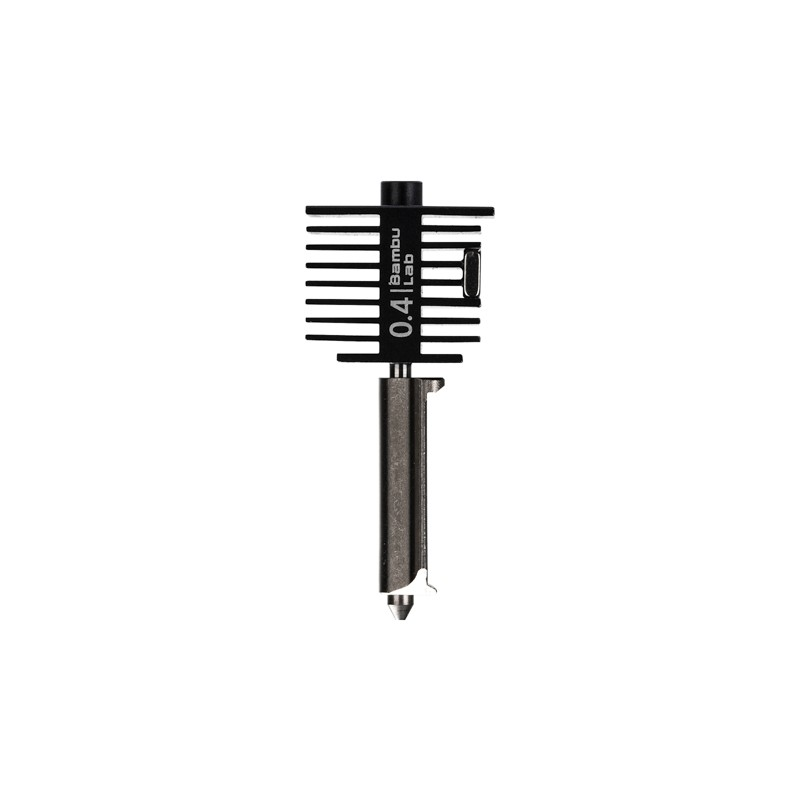
Bambu Lab Hotend with Hardened Steel Nozzle 0.4mm
Official Bambu Lab hotend for consistent, high-temperature ABS printing. The hardened steel nozzle handles abrasive filaments without wear. Essential for long ABS print runs.
Frequently Asked Questions
Can I use nail polish remover instead of pure acetone?
Standard nail polish remover works but is less effective. Many Indian formulations contain oils and moisturisers that leave a hazy residue on the print. Acetone-based removers with 70–80% acetone concentration still work, just expect slightly less perfect results. Pure acetone is preferred.
Does acetone smoothing affect the structural strength of the print?
Slightly. The surface layers are partially dissolved and re-solidified, which can marginally reduce surface hardness. However, for most functional parts, the change in strength is negligible and may actually improve impact resistance at the surface by eliminating layer-line crack initiation sites.
How long should I smooth a large ABS print?
Larger prints need longer vapour exposure — generally 20–40 minutes for a 200mm+ part. The important factor is that vapour reaches the inner surfaces and recessed areas, which takes more time on large parts.
Can I acetone smooth ABS prints from an Ender 3?
Yes. The Ender 3 prints ABS (though warping management is needed without an enclosure). Once printed, acetone smoothing works identically regardless of which printer produced the part.
Can I smooth PETG or PLA with any solvent?
PETG can be partially smoothed with tetrahydrofuran (THF) or dichloromethane, but these are much more hazardous than acetone and not recommended for home use. PLA can be smoothed with ethyl acetate, which is somewhat safer. For Indian hobbyists, ABS with acetone remains the safest and easiest chemical smoothing option.
Conclusion
Acetone vapour smoothing is a superpower exclusive to ABS filament that can transform rough, layer-lined prints into smooth, professional-quality finished pieces. With the right safety precautions, a basic setup using locally available materials, and a little practice, you can achieve results that look injection-moulded.
For Indian makers, the technique is especially accessible — acetone is cheap and available everywhere, and India’s warm climate even works in your favour by accelerating the vapour smoothing process.
Start with small, simple parts to learn the timing, and gradually work up to larger and more detailed prints. Combined with good post-processing (priming, painting, or clear coating), acetone-smoothed ABS prints can stand alongside commercially manufactured parts in both appearance and performance.
Shop for premium ABS filaments, hotend accessories, and all your 3D printing supplies at Zbotic.in.






Add comment