
Whether you are building a combat robot, an electric go-kart, a drone, or an industrial conveyor system, the DC motor you choose defines what your build can do. Too slow and you lack the speed for your application. Too fast without enough torque and the motor stalls under load. Buying the wrong motor is one of the most common (and expensive) mistakes in robotics and electronics projects in India.
This comprehensive buying guide covers the full spectrum of DC motors available in India — from 300RPM gear motors for precision drives to 10,000+RPM brushless motors for drones and high-speed spindles. We break down specifications, use cases, and specific recommendations with direct links to products you can buy from Zbotic today.
DC Motor Basics: RPM, Torque, and Power
Before selecting a motor, you need to understand three key parameters that define its performance:
RPM (Revolutions Per Minute)
RPM is the no-load rotational speed — the maximum speed the motor reaches when there is nothing attached to the shaft. As load increases, RPM drops. At stall (maximum load), RPM is zero. The “rated RPM” in a datasheet is usually measured at a specific voltage and current, at a defined torque load.
Torque
Torque is the rotational force the motor produces. Stall torque is the maximum force at zero speed. Rated torque is the recommended operating torque for sustained use (typically 40–70% of stall torque). More torque = ability to move heavier loads or overcome more friction.
Power (Watts)
Peak mechanical power is roughly V × I_rated × efficiency, or equivalently (Stall_torque × No_load_RPM) / (4 × 9.55) in watts. A 500W brushless motor can do far more work than a 50W brushed motor of similar physical size.
KV Rating (Brushless Motors)
KV is not kilovolts — it is the number of RPM per volt of supply with no load. A 2600KV brushless motor running on 11.1V (3S LiPo) spins at ~28,860 RPM unloaded. Lower KV = more torque, lower RPM. Higher KV = more RPM, less torque.
Types of DC Motors Available in India
1. Brushed DC Gear Motors
The most common type for robotics and automation. An internal gearbox reduces the motor’s high-speed shaft output to a lower, more usable RPM with higher torque. Available in a huge range of RPMs from 12RPM (very slow, high torque) to 1,360RPM. Typically 6V–24V operation, controlled with L298N or similar H-bridge drivers.
2. Brushed DC Hobby/Fan Motors
Small, high-speed brushed motors without gearboxes. RPMs from 3,000 to 30,000+. Used in RC cars, model aircraft, blowers, and hobby applications. Controlled with PWM and simple H-bridges or ESCs.
3. Brushless DC (BLDC) Motors
Require an Electronic Speed Controller (ESC) instead of a simple H-bridge. Available in gimbal (low KV, high torque) and propulsion (high KV, high RPM) variants. No brushes means longer life, less friction, and higher efficiency. Most modern drones, e-bikes, and industrial pumps use BLDC motors.
4. E-Bike / Scooter DC Motors
High-power (250W–1000W+) brushed or BLDC motors designed for electric vehicle applications. 24V–48V operation. Rated for continuous high-current duty cycles. Require dedicated motor controllers.
5. Vibration / Pager Motors
Tiny 3V–5V motors with an offset weight on the shaft. Not for driving loads — used purely for haptic feedback in wearables, game controllers, and notifications.
RPM Range Guide: What Speed Do You Actually Need?
| RPM Range | Typical Use Case | Notes |
|---|---|---|
| 12–50 RPM | Slow conveyors, valve actuators, antenna rotators | Very high torque, slow and controlled |
| 50–200 RPM | Robot wheels (small robots), tank tracks, turntables | Good balance of speed and torque |
| 200–600 RPM | Robot drive trains, RC car wheels, winches | Most popular range for wheeled robots |
| 600–1500 RPM | Faster robot wheels, drill press, pump drives | Requires proper wheel diameter matching |
| 2500–5000 RPM | E-bike hub motors, electric go-karts, scooters | High power, dedicated controllers needed |
| 5000–15000 RPM | Drone propulsion, CNC spindles, blowers | BLDC ESC required |
| 15000+ RPM | High-speed drones, racing quadcopters, Dremel tools | Low KV BLDC motors with high cell count LiPo |
Brushed vs Brushless DC Motors
For any serious project, understanding this distinction is critical:
Brushed DC Motors
- Pros: Simple control (just apply voltage), inexpensive, no special controller needed for basic on/off, available in gear versions.
- Cons: Brushes wear out (lifespan 500–2000 hours), higher friction, produce electrical noise (EMI), less efficient, sparking at high speeds.
- Best for: Budget robots, simple automation, educational projects, applications where replacement is easy.
Brushless DC Motors
- Pros: Much longer lifespan (10,000+ hours), higher efficiency (85–92% vs 75–80% for brushed), higher power density, less electrical noise, suitable for higher sustained RPMs.
- Cons: Require ESC or dedicated BLDC driver, more expensive, more complex to integrate.
- Best for: Drones, e-bikes, high-performance robots, gimbal motors, anything that needs to run for long periods or at high power.
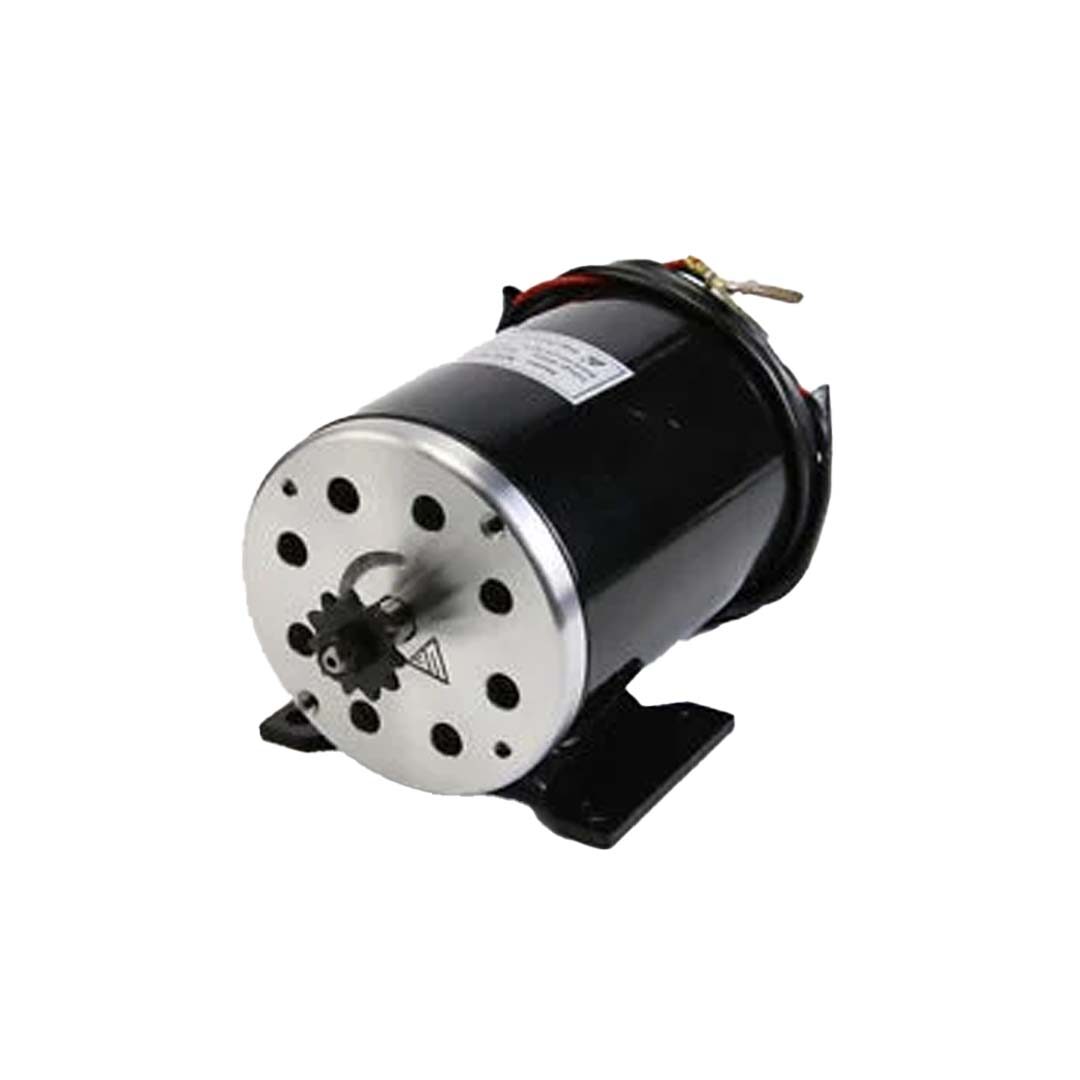
Ebike 500W 24V DC 2500 RPM Scooter / Go-Kart Motor MY1020
Powerful 500W brushed DC motor at 2500RPM — ideal for electric scooters, go-karts, mini bikes, and e-ATVs. 24V operation with MY1020 controller.
Voltage Selection: 6V, 12V, 24V
Most DC motors for hobbyist and medium-duty projects come in 6V, 12V, or 24V variants. Here is how to choose:
- 5–6V: Runs directly from USB power banks or single-cell LiPo (4.2V) to 4xAA (6V). Good for small desk robots, educational projects.
- 12V: The sweet spot for most hobbyist and maker projects. Matches car batteries, standard ATX PSU rails, and two-cell LiPo (7.4–8.4V can work, but 12V needs 3S LiPo or a 12V adapter). Abundant driver options.
- 24V: For higher power builds. 24V motors at the same wattage draw half the current of a 12V motor, reducing wire losses and enabling smaller drivers. Required for serious e-bike and CNC applications.
A rule of thumb: match the motor voltage to your available power supply. Running a 12V motor at 6V halves the RPM and reduces torque significantly. Over-voltaging by more than 20% risks burning the motor.
Torque Calculation for Your Project
Here is a practical formula for wheeled robot drive systems:
Required torque per motor = (Total weight × wheel radius × safety factor) / number of drive motors
Example: 2kg robot, 4cm radius wheels, 2 drive motors, 1.5 safety factor:
Torque = (2 kg × 9.81 m/s² × 0.04 m × 1.5) / 2 = 0.589 N·m = 5.89 kg-cm per motor
This robot needs motors with at least 6 kg-cm stall torque each. The 25GA-370 12V 12RPM gear motor produces approximately 100+ g-cm — insufficient. You would need a higher-torque gear motor or a larger motor with appropriate gearing.
Driver and Controller Selection
Matching the right driver to your motor is as important as the motor itself:
- L298N: Up to 2A continuous, up to 36V. For small brushed motors up to ~25W. Very common, cheap, but inefficient (significant voltage drop across H-bridge).
- L293D: Up to 600mA per channel. For very small motors only (micro gear motors, small fans).
- BTS7960 (IBT-2): Up to 43A peak. For high-current DC motors (e-bike drives, heavy robots). 5–27V operation.
- ESC (Electronic Speed Controller): For all BLDC motors. Match ESC current rating to motor’s peak current draw.
- MY1020 controller: Dedicated controller for the MY1020 family of e-bike motors.
Understanding Thermal Limits and Duty Cycle
Every DC motor has a thermal limit — the maximum temperature the windings and insulation can survive. Sustained operation at stall or near stall generates heat that can burn out the motor in minutes.
Key rules:
- Never run a brushed DC motor at stall current for more than a few seconds.
- At rated torque (60–70% of stall), motors can typically run continuously if adequately cooled.
- Duty cycle matters: a motor running at 80% load for 5 seconds on / 5 seconds off has time to cool. The same motor at 80% load continuously will eventually overheat.
- For high duty-cycle applications, always spec a motor at 50–60% of its rated current to leave thermal headroom.
- Add a heatsink or active cooling for motors in enclosed enclosures or high ambient temperatures (common in Indian summers).
Buying Guide by Project Type
Small Line-Following / Sumo Robot (under 500g)
Use 12V gear motors in the 100–300RPM range. The 25GA-370 series from Zbotic is a perfect match — compact, affordable, and with encoder variants for closed-loop control.
Medium Combat / Exploration Robot (500g–3kg)
Need higher torque and some speed. Look at 12V motors in the 200–500RPM range with at least 3–5 kg-cm torque. BTS7960 driver recommended for higher currents.
Electric Go-Kart / E-Bike
The MY1020 500W 24V motor is specifically designed for this. Paired with a dedicated 24V motor controller, it provides a complete drivetrain solution.
Drone / Multirotor
Brushless BLDC motors only. For a typical 250–450mm racing/FPV drone, use motors in the 2300–2600KV range with 4S LiPo and 30A+ ESCs. For camera/photography drones prioritise smooth gimbal motors with low KV.
Camera Gimbal
Use dedicated brushless gimbal motors (low KV, typically 140–260KV). The 2204 260KV and 2805 140KV gimbal motors from Zbotic are specifically designed for this application with high pole count for smooth, precise control.
Top DC Motor Picks from Zbotic
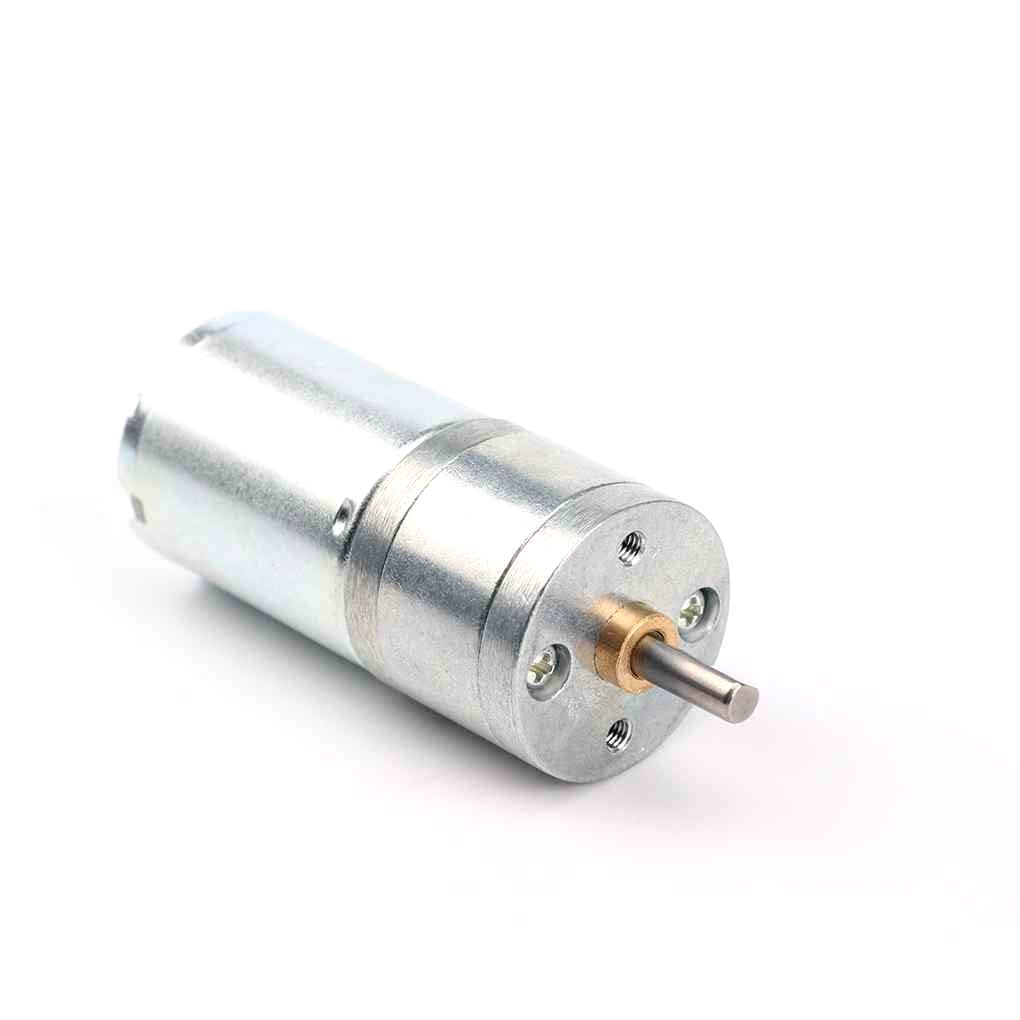
25GA-370 12V 12RPM DC Reducer Gear Motor
Low-speed, high-torque 12RPM gear motor — ideal for slow conveyors, valve actuators, pan-tilt mechanisms, and precision drives.
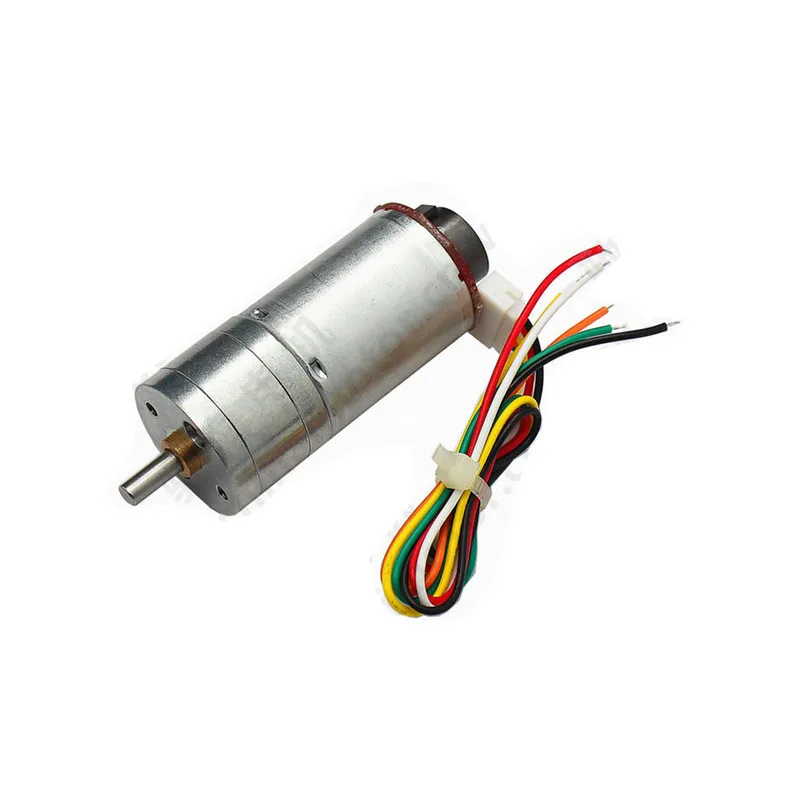
25GA-370 12V 12RPM DC Reducer Gear Motor with Encoder
Same reliable gear motor with quadrature encoder for closed-loop position and speed control — essential for precision robotics and PID control loops.
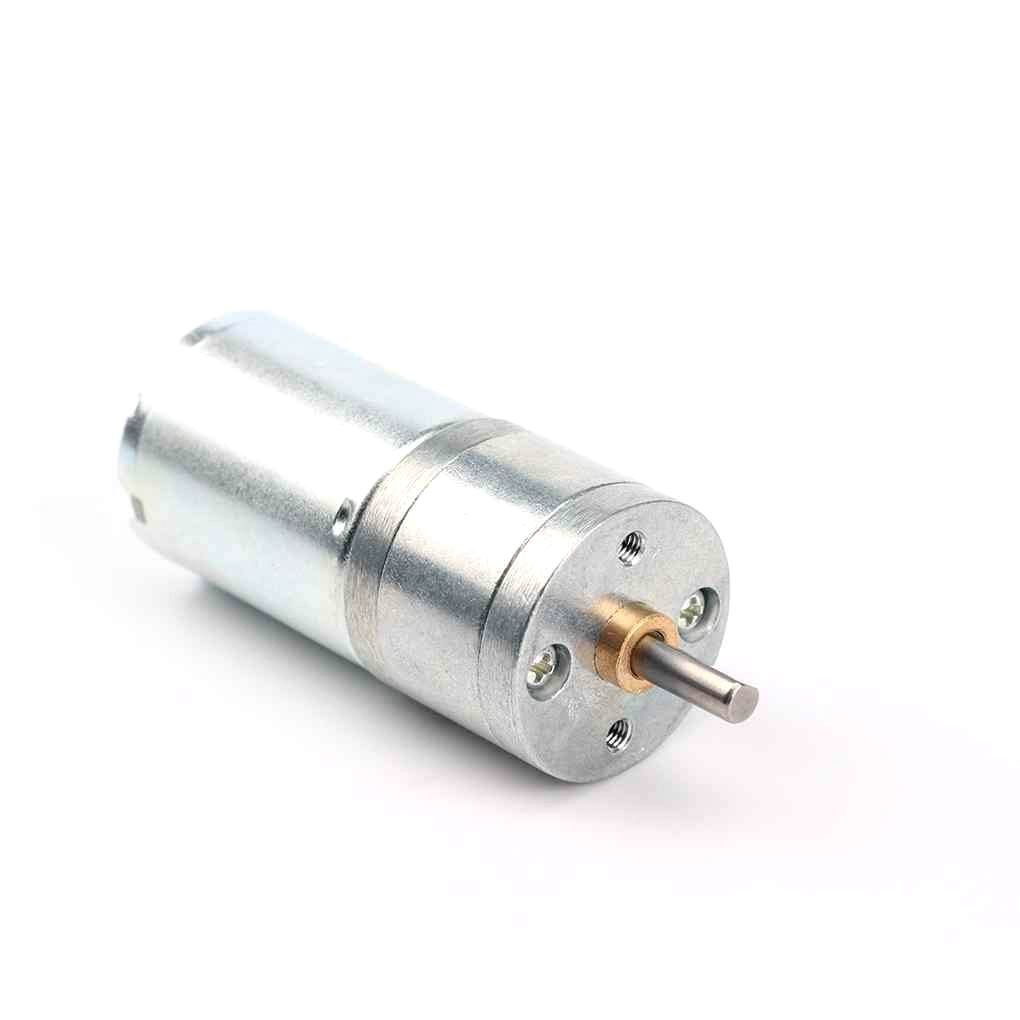
25GA-370 12V 1360RPM DC Reducer Gear Motor
High-speed variant at 1360RPM — great for robot wheels, drill mechanisms, and higher-speed conveyor drives within the compact 25mm diameter footprint.
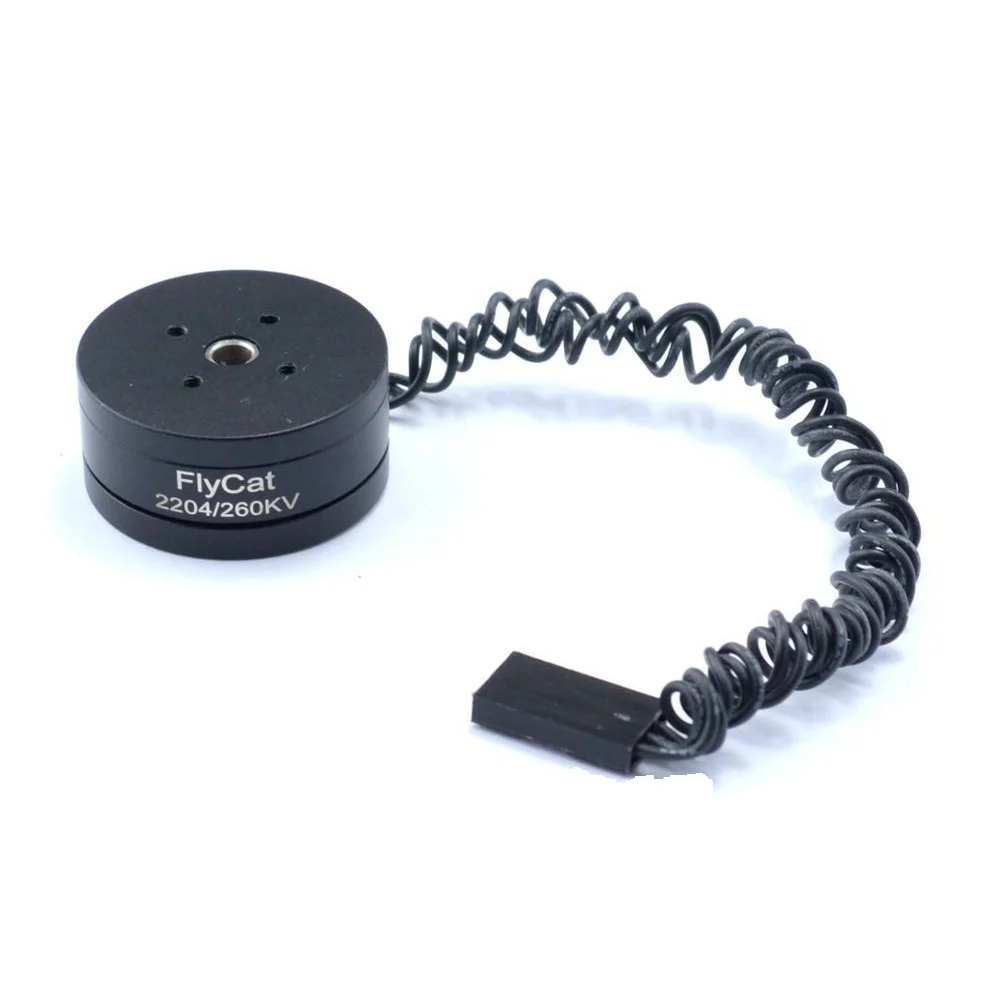
2204 260KV Brushless Gimbal Motor
Low-KV brushless gimbal motor for ultra-smooth camera stabilisation. High pole count for precise torque at low speed — pairs with brushless gimbal controller boards.
Frequently Asked Questions
What does RPM rating mean on a DC motor datasheet?
The RPM rating in a motor datasheet is the no-load speed at the specified voltage. Under load, the motor slows down. At full load (rated torque), the RPM drops to approximately 80–85% of no-load speed. At stall, RPM is zero.
Can I run a 12V motor at 5V?
Yes, but the motor will run significantly slower (approximately 41% of rated RPM) and produce much less torque. This can be acceptable for very light loads or when speed reduction is desired without a gearbox. Do not exceed the motor’s voltage rating without checking thermal limits.
What is the difference between 25GA-370 at 12RPM and 1360RPM?
Both are the same 370-series motor with different gearbox reduction ratios. The 12RPM version has a very high gear ratio (roughly 113:1) for maximum torque in slow applications. The 1360RPM version has a lower gear ratio (~1.3:1) for higher speed with less torque multiplication.
Do I need a motor driver if I just want to turn a motor on and off?
If you only need on/off (no direction control, no speed control), you can use a simple MOSFET or relay. But for most robotics applications — where you need forward/reverse and speed control — a proper H-bridge driver (L298N, BTS7960) is required. Never connect a motor directly to a microcontroller GPIO pin; the current draw will damage the pin.
How much current does a 12V 300RPM gear motor draw?
No-load current is typically 50–150mA. At rated torque load, current rises to 300–600mA. At stall, it can spike to 1–3A depending on the motor. Always design your power supply and driver for at least 150% of the stall current to handle startup spikes.
Which is better for a combat robot — brushed or brushless drive motors?
Brushless is better for drive motors in competition robots due to higher efficiency, better power-to-weight ratio, and longer lifespan. However, brushed motors are more forgiving of direct voltage spikes and simpler to control if you are a beginner. Many combat robots use brushless drive with brushed weapon motors.
Conclusion
Buying the right DC motor in India does not have to be guesswork. Start with your required RPM and torque based on your project’s load and speed requirements. Decide between brushed (simple, cheap) and brushless (efficient, durable). Match the voltage to your available power supply. Then select the appropriate driver for your motor’s current rating.
Zbotic stocks a wide range of DC motors suitable for every application — from 12RPM slow gear motors for precision drives to 500W e-bike motors for electric vehicle builds, and brushless gimbal motors for camera stabilisation. With fast delivery across India and technical support, finding the right motor for your project starts at Zbotic.



Add comment