
If you have been 3D printing for a while, you already know the frustration: adhesion failures, under-extrusion, heat creep, and prints that simply do not turn out the way the slicer preview promised. The good news is that most of these problems have straightforward hardware solutions. The bad news is that the internet is full of upgrade rabbit holes that cost money without delivering measurable improvement.
This guide focuses only on the best 3D printer upgrades worth doing — the modifications that experienced makers consistently recommend because they solve real problems and produce visible results. Whether you own a Creality Ender 3, a Bambu Lab machine, or any other FDM printer, at least a few of these upgrades will apply to your setup.
Why Upgrade Your 3D Printer at All?
Entry-level FDM printers are engineered to a price point. Manufacturers use adequate-but-not-great components so the machine can ship at an attractive cost. Over time, these components either wear out or become the bottleneck that stops you from printing faster, using better materials, or achieving higher dimensional accuracy.
Upgrading is not about chasing perfection. It is about removing the specific weak links in your machine so the rest of the hardware can perform at its potential. A well-chosen upgrade eliminates a recurring problem permanently rather than requiring you to compensate for it in every print profile.
For Indian makers, upgrades also represent a practical cost-saving strategy. Replacing a worn hotend or a degraded bed surface is significantly cheaper than buying a new printer, and the result is often better than what a stock entry-level machine could produce even when new.
1. Hotend Upgrade: The Single Biggest Impact
The hotend is where filament transforms from solid to liquid and gets pushed through the nozzle. If any part of this system underperforms — whether the heater block, heat break, or nozzle — your print quality degrades in ways that slicer settings cannot fully compensate for.
Stock hotends on budget printers typically use PTFE-lined heat breaks that extend all the way into the melt zone. This works reasonably well for PLA at low temperatures, but PTFE starts degrading above 240°C, which limits your ability to print materials like ABS, ASA, PETG at higher temperatures, or any engineering filament. A genuine all-metal hotend or a quality replacement like the Bambu Lab hardened steel hotend eliminates this restriction entirely.
Signs that your hotend needs attention or replacement:
- Inconsistent extrusion even at correct temperatures
- Heat creep (filament softening in the cold zone)
- Repeated clogs with no obvious cause
- Inability to reach or maintain target temperatures reliably
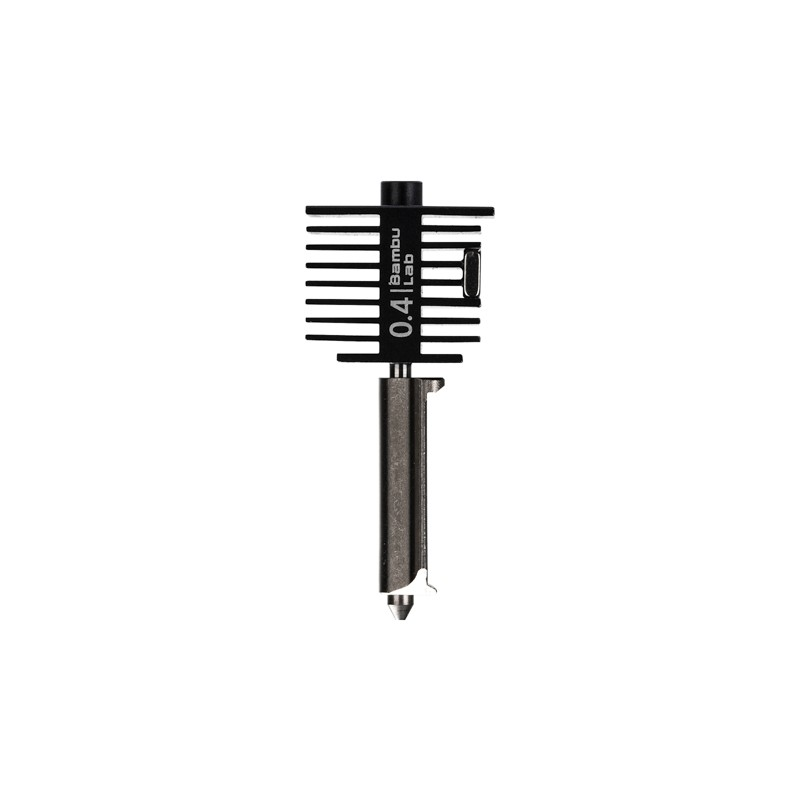
Bambu Lab Hotend with Hardened Steel Nozzle – 0.4mm
A premium drop-in hotend upgrade featuring a hardened steel nozzle that handles abrasive filaments like carbon-fibre composites and glow-in-the-dark PLA without wearing out.
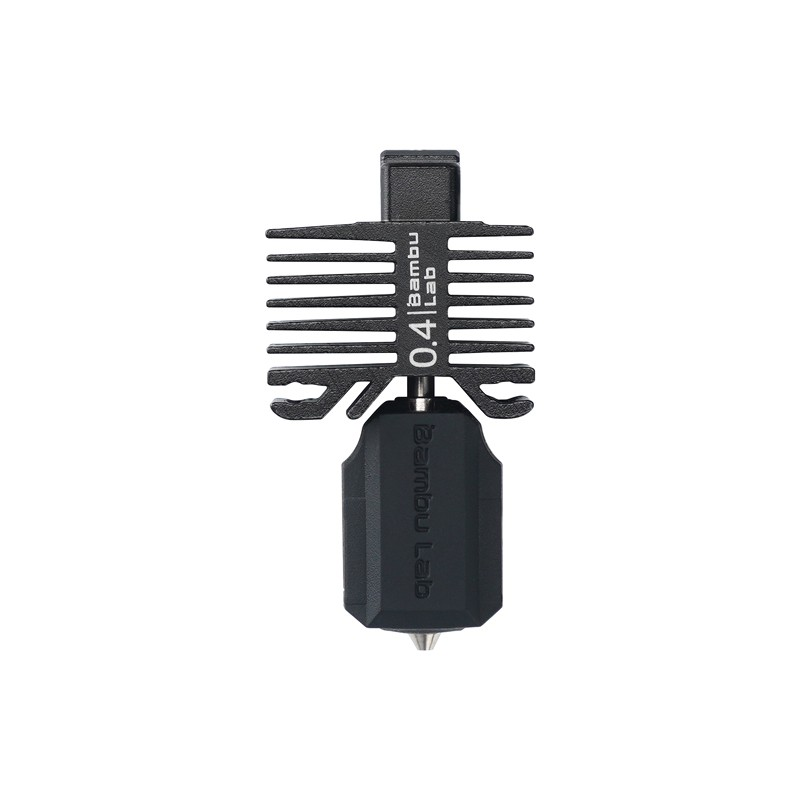
Bambu Lab Hotend with Hardened Steel Nozzle – 0.4mm for P1P, P1S, X1C
Purpose-built for Bambu Lab P-series and X-series machines. Hardened steel handles abrasive filaments that destroy brass nozzles within hours of printing.
2. Bed Surface: Stop Fighting Adhesion
Nothing wastes time like a first layer that refuses to stick or a print that will not release cleanly once it is done. The stock glass or metal beds on most printers are either too smooth (parts slide around during printing) or too rough (parts bond permanently and have to be pried off with force).
Modern magnetic PEI spring steel sheets solve both problems elegantly. PEI (polyetherimide) provides excellent adhesion when warm and releases prints effortlessly once the bed cools. The spring steel flexes to pop parts free without any tools. This upgrade alone can eliminate most adhesion-related failures permanently.
For builds that require extra security — particularly when printing tall objects or using PETG — a frosted build plate sticker offers a textured surface with mechanical bite. These adhesive-backed surfaces work particularly well for printers that do not have magnetic bed systems.
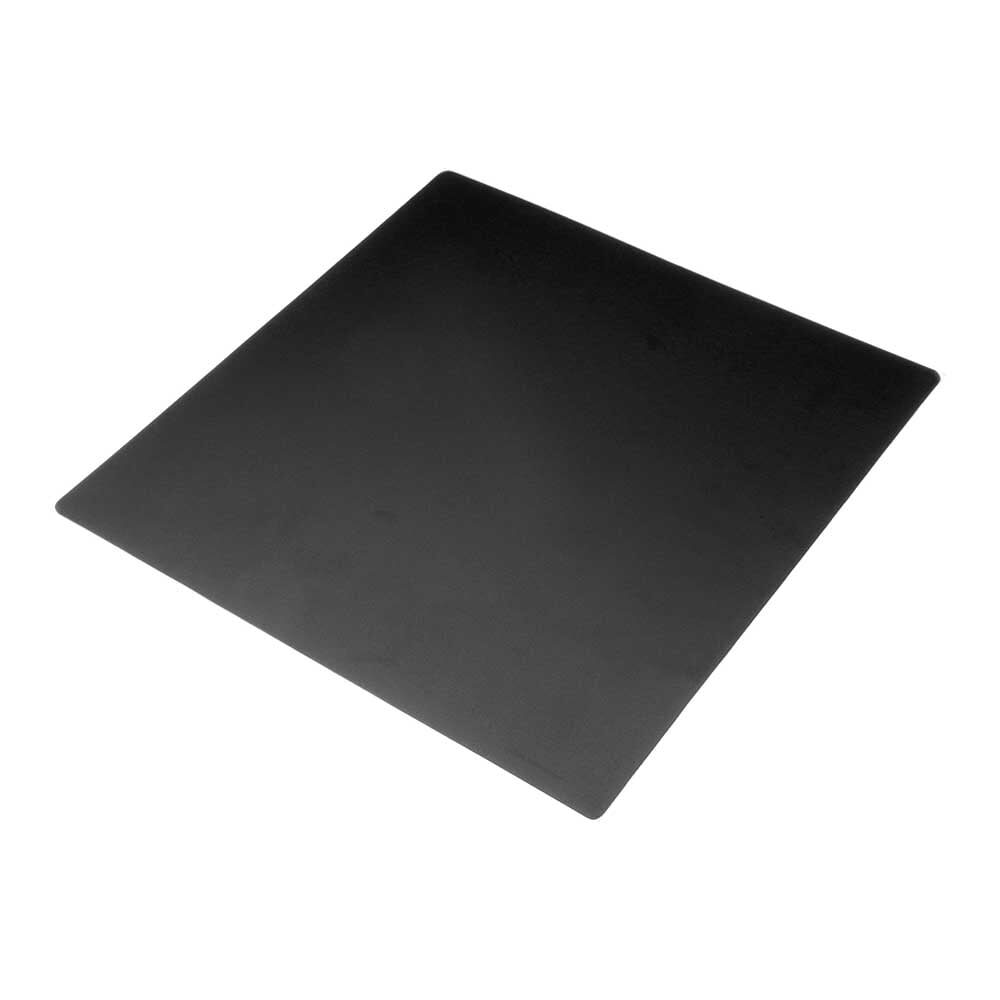
Frosted Heated Bed Sticker Build Plate Tape with Adhesive Backing
A 220×220mm frosted surface that provides excellent first-layer adhesion and releases prints cleanly after cooling. Compatible with most Ender 3-sized printers.
3. Extruder Upgrade: Fix Under-Extrusion at the Source
The extruder is the motor-driven mechanism that pushes filament into the hotend. Budget printers typically ship with plastic extruder arms that crack over time, or single-tooth drive gears with limited grip. The result is slipping, grinding, and inconsistent filament feed — especially with flexible materials or when printing at higher speeds.
Upgrading to an aluminium extruder arm eliminates the cracking problem immediately. For a more comprehensive improvement, a dual-drive BMG-style extruder provides gripping from both sides of the filament, dramatically increasing push force without needing to crank up motor current. This lets you print faster without under-extrusion and handle flexible filaments that ordinary extruders simply cannot grip reliably.
The aluminium MK8 extruder block is a particularly popular upgrade for Ender 3 and similar machines. It is a direct replacement for the stock plastic part, requires no firmware changes, and eliminates extruder cracking as a failure mode permanently.
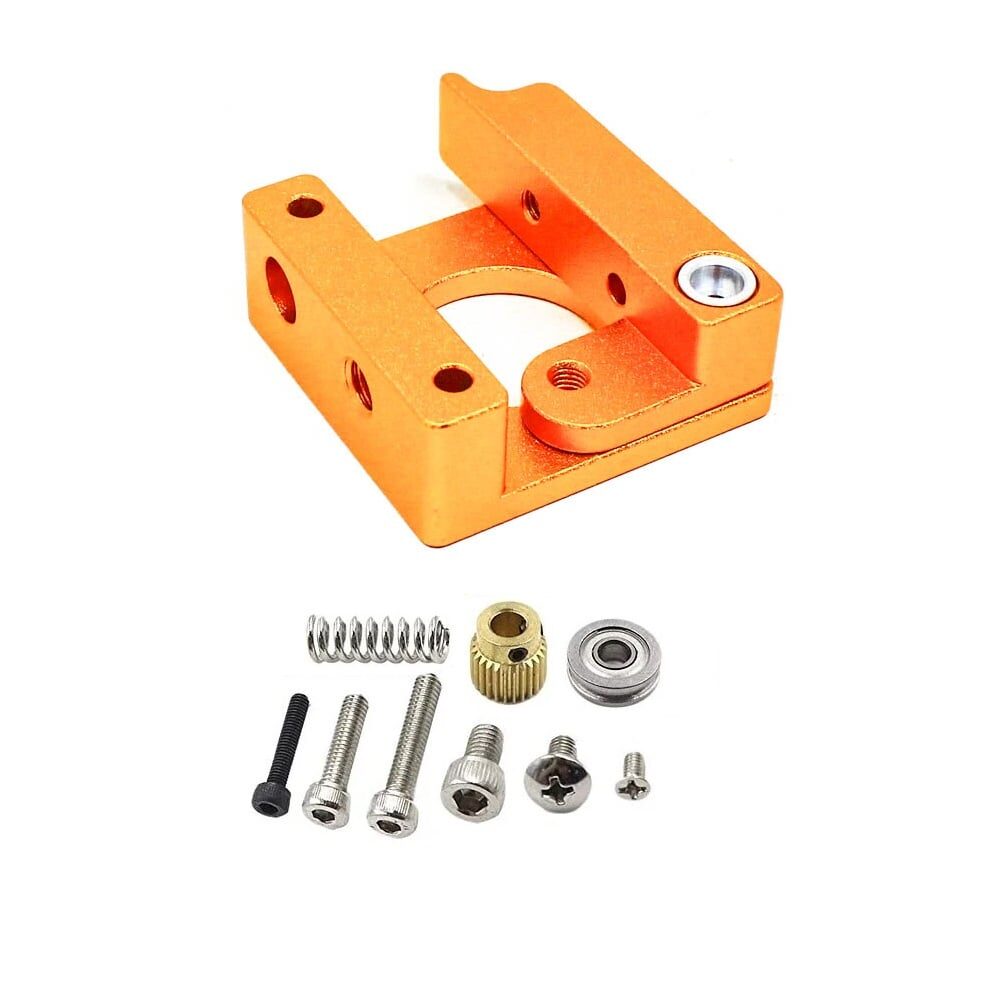
Left Side MK8 Extruder Aluminum 3D Printer Block
A direct aluminium replacement for the brittle plastic extruder arm on MK8-style extruders. Eliminates cracking and improves grip for more consistent filament feed.
4. Filament Filter and Cleaner: Overlooked but Essential
This is possibly the most underrated upgrade in 3D printing. Filament picks up dust, debris, and moisture as it travels from the spool to the hotend. Over time, this contamination accumulates in the nozzle, causes partial clogs, and leads to surface defects that look like extrusion problems but are actually contamination issues.
A filament filter — essentially a small block of foam or felt through which the filament passes — removes particles before they reach the melt zone. Many experienced makers report a noticeable improvement in print surface quality after adding this simple component, particularly for long prints where contamination has more opportunity to accumulate.
Combined with a dry storage box or sealed container for your filament spools, a filter completes a two-stage contamination defence system that extends both nozzle life and print quality.
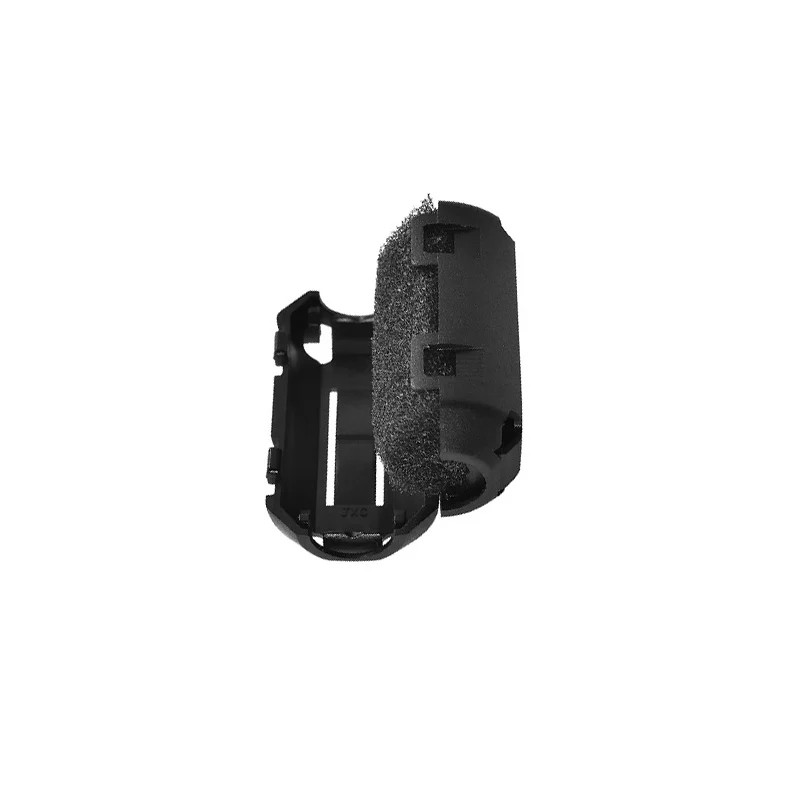
ABS PLA PETG 1.75mm Filament Filter Cleaner – Dust Removal for Ender 3, CR-10, Prusa i3
A universal filament cleaning block compatible with 1.75mm filament and popular printers including Ender 3, CR-10, A6, A8, and Prusa i3. Removes dust and debris before they reach the nozzle.
5. Nozzle Upgrade: Match Material to Metal
The stock brass nozzle on most printers is an excellent all-rounder for standard materials like PLA, PETG, and ABS. Brass machines easily and conducts heat efficiently, which is why it has remained the default for decades. However, brass wears quickly when printing abrasive materials — carbon fibre composites, glow-in-the-dark filaments, metal-fill, and wood-fill all contain particles that erode brass within a few hundred grams of printing.
Stainless steel nozzles offer significantly better wear resistance while remaining affordable. For materials that require very high temperatures (above 280°C), a hardened steel or ruby-tipped nozzle is the correct choice. Keep a stainless steel nozzle as your everyday workhorse, and invest in hardened steel when you move into engineering materials.
Also worth noting: nozzles are consumables. Even if you print only with PLA, your brass nozzle should be replaced every few kilograms of filament, or sooner if you notice any degradation in surface quality. Keeping a pack of spare nozzles and a cleaning needle set means you can address a clogged nozzle in minutes rather than losing a multi-hour print.
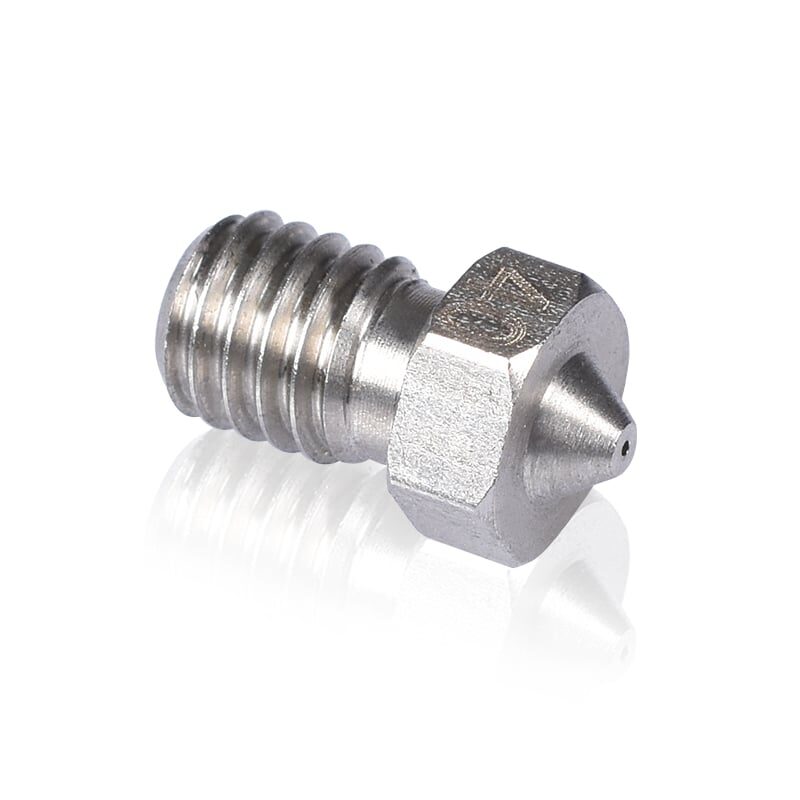
3D Printers Stainless Steel Nozzle 0.4mm
A stainless steel 0.4mm nozzle that outlasts brass by 5-10x when printing abrasive filaments. Compatible with V6, MK8, and similar hotend systems.
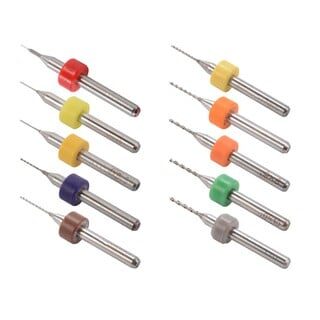
0.1–1.0mm Mixed Nozzle Cleaning Drill Bit Kit for MK7/MK8 – 10 Pieces
A set of 10 cleaning drill bits in sizes from 0.1 to 1.0mm. Essential for clearing partial clogs without removing the nozzle, saving time during long print sessions.
6. Thermistor Replacement: Accuracy Matters
The thermistor is the temperature sensor that tells your printer’s control board exactly how hot the hotend is. If this sensor drifts or fails, your printer may think it has reached target temperature when it actually has not — leading to under-extrusion, layer adhesion failures, and in extreme cases, thermal runaway events.
Thermistors are consumable components that degrade over time, especially if they have ever been subjected to thermal shock (rapid heating and cooling cycles). The 100K NTC thermistor with copper tip is the most common type used in MK8-style extruders and is an inexpensive but impactful replacement. If your temperature readings seem erratic or your prints have deteriorated without any obvious cause, thermistor replacement should be near the top of your troubleshooting list.
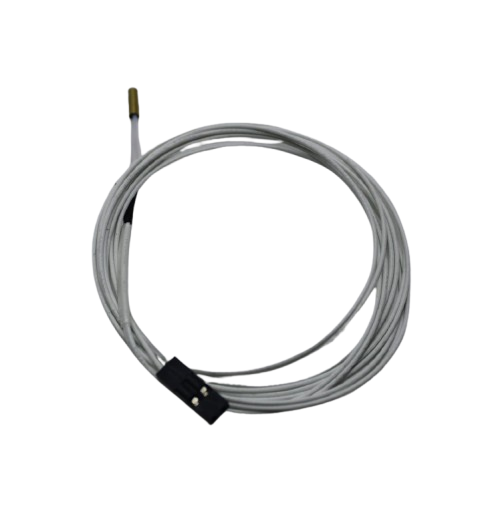
100K NTC Thermistor with Copper Tip for MK8 Extruder
A direct replacement thermistor for MK8-type hotends. Copper tip improves thermal conductivity for more accurate and stable temperature readings during printing.
7. Bed Levelling Springs: Consistency Every Print
Manual bed levelling is one of the most tedious aspects of budget 3D printing, but much of the re-levelling headache comes from springs that are too soft and compress unevenly under print bed vibration. Upgrading to stiffer silicone mounts (where applicable) or higher-tension springs means your bed level holds across many more prints before requiring adjustment.
For Ender 3 and similar printers with spring-levelled beds, the standard yellow springs compress and shift over time. Replacing them with stiffer springs — often sold as yellow or red variants with greater stiffness — significantly reduces how often you need to re-level. This is a five-minute upgrade that eliminates one of the most common sources of first-layer inconsistency.
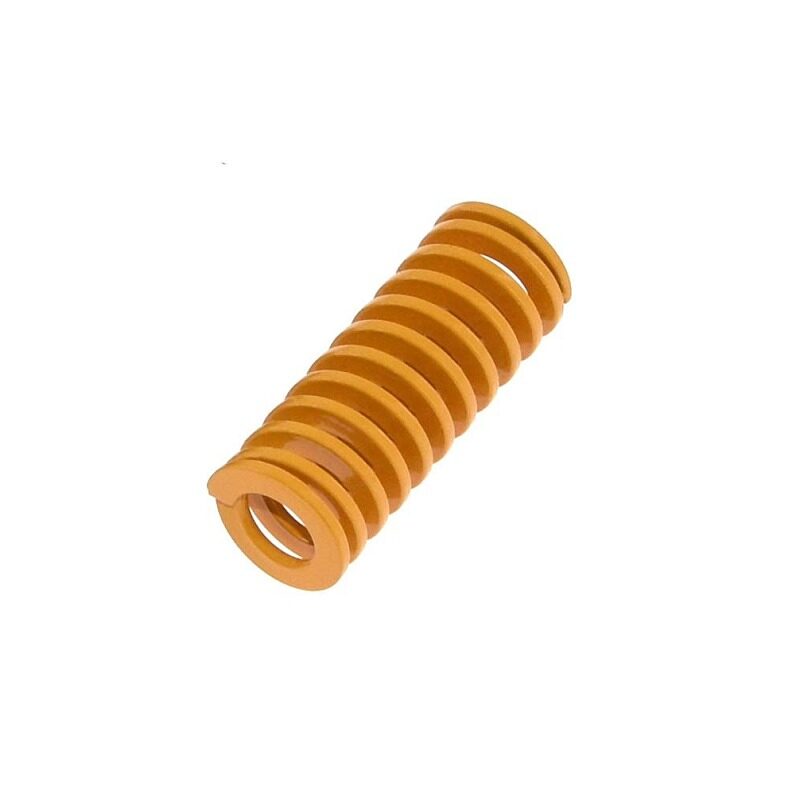
3D Printer Parts Spring for Heated Bed – MK3, CR-10, Hotbed
Replacement bed levelling springs that maintain tension better than stock components. Reduces re-levelling frequency dramatically on Ender 3, CR-10, and MK3-sized printers.
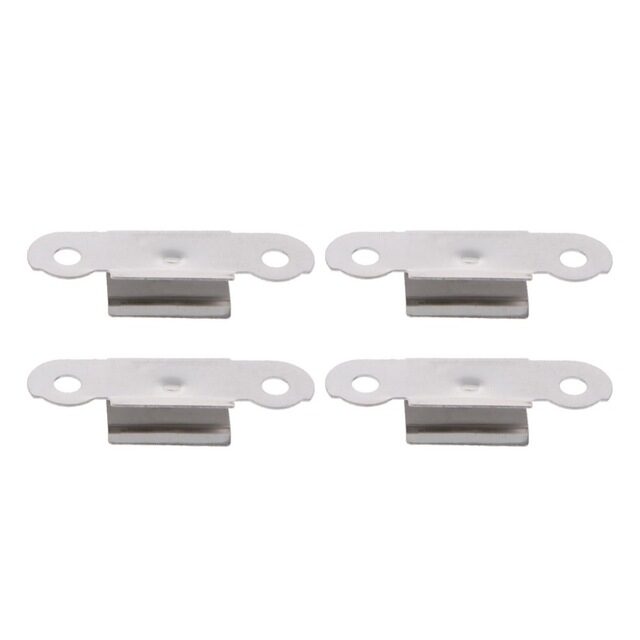
3D Printer Build Platform Glass Retainer Heated Bed Clip – Pack of 4
Stainless steel clips that securely hold your glass bed to the heated platform. Prevents shifting during printing that can ruin multi-hour jobs.
Upgrades That Are Usually Not Worth It
Just as important as knowing what to upgrade is knowing what to skip. Several popular modifications have more enthusiast appeal than practical benefit:
- Silent stepper driver boards: Reducing noise is pleasant, but it does not improve print quality on a well-tuned machine. Worth it for noise-sensitive environments, not for performance.
- LED lighting kits: Making the interior of your enclosure visible is nice for monitoring, but it does not improve prints in any measurable way.
- Raspberry Pi + OctoPrint before learning your printer: Remote monitoring and control is genuinely useful, but if you are still troubleshooting basic print quality, adding network complexity before understanding your machine makes diagnosis harder.
- Dual Z-axis motors before addressing the real source of Z-wobble: On many printers, Z-wobble is caused by lead screw misalignment, not by single-motor drive. Adding a second motor without addressing alignment may not solve the actual problem.
Which Upgrade Should You Do First?
If you are working through a list of potential upgrades, here is a practical priority order based on impact per rupee spent:
- Filament filter — cheapest, easiest, immediate effect on nozzle longevity
- Bed surface upgrade — eliminates adhesion frustration that plagues most beginners
- Bed springs — makes levelling stable so you stop fighting drift every session
- Nozzle set — consumable you will need anyway; stock up on stainless and a cleaning kit
- Extruder arm (aluminium) — if your current extruder is showing wear or cracking
- Thermistor — if temperature readings seem erratic or prints have degraded mysteriously
- Hotend — when you want to print engineering materials or the stock unit has failed
Resist the temptation to buy everything at once. Make one change, run a test print, assess the result. This methodical approach also makes it far easier to identify what is actually helping.
Browse Zbotic’s full range of 3D printer parts and filaments — sourced from trusted brands like Bambu Lab and eSUN, delivered fast across India.
Shop 3D Printer Parts at Zbotic
Frequently Asked Questions
Are all these upgrades compatible with Ender 3?
Most are. The MK8 extruder block, filament cleaner, bed springs, bed clips, nozzles, and thermistor are all standard Ender 3 / CR-10 compatible parts. The Bambu Lab hotends are specific to Bambu Lab machines. Always check the product listing for compatibility before ordering.
How often should I replace my nozzle?
For brass nozzles with standard PLA, every 1–2 kg of filament is a reasonable interval. For PETG or ABS, every 500g–1kg. For abrasive materials like carbon fibre or glow-in-the-dark filament, consider a stainless or hardened steel nozzle that will last 5–10x longer.
Can a filament filter really improve print quality?
Yes, particularly for long prints. Dust accumulation in the nozzle causes partial clogs that manifest as subtle under-extrusion, surface texture defects, and blobs. The effect is more pronounced in dusty workshop environments, which is common in India during summer months.
Is an aluminium extruder block a plug-and-play upgrade?
For most MK8-style extruders (Ender 3, CR-10, and clones), yes. The aluminium block is a direct replacement with no firmware changes required. Installation takes about 15 minutes and requires only a screwdriver.
Do I need to upgrade if I only print PLA?
The bed surface, springs, filament filter, and nozzle replacement remain useful even if you only print PLA. These upgrades improve reliability and consistency regardless of material. The hotend upgrade is less critical for PLA-only use, unless your stock hotend has developed problems.
Where can I buy these upgrades in India?
Zbotic.in stocks all the parts listed in this guide, including Bambu Lab, eSUN, and generic upgrade components. Orders are shipped across India from our warehouse. Visit zbotic.in/3d-printing to browse the full catalogue.



Add comment