
How to Get a DGCA Drone Pilot License in India (2026)
India’s drone sector has exploded over the past few years. From agricultural spraying over paddy fields in Punjab to FPV racing events in Bengaluru, unmanned aircraft are everywhere. But with great power comes great regulation — and the Directorate General of Civil Aviation (DGCA) has put a clear framework in place to ensure safe skies for everyone.
If you want to fly a drone commercially, operate a medium or large drone, or simply want to fly legally without risking a fine or jail time, you need a Remote Pilot Certificate (RPC) — commonly called the drone pilot license in India. This guide walks you through every single step you need to take in 2026.
1. Why You Need a Drone License in India
The Unmanned Aircraft System (UAS) Rules, 2021 and the updated Drone Rules, 2021 (notified in August 2021) replaced the earlier UAS rules and significantly simplified the regulatory framework. However, simplification does not mean elimination — you still need proper authorization to fly anything above the nano category in many situations.
Here’s why getting licensed matters:
- Legal protection: Flying without a license in restricted zones can attract fines up to ₹1 lakh and imprisonment under the Aircraft Act, 1934.
- Commercial viability: Clients — particularly in agriculture, real estate, and construction — demand proof of licensing before hiring drone operators.
- Insurance: Most drone insurance policies in India require a valid RPC for coverage to apply.
- Airspace access: A licensed pilot with a registered drone can request access to Yellow and even some Red zones through the Digital Sky platform.
2. Drone Categories Under DGCA Rules
DGCA classifies drones by maximum all-up weight (MTOW) including payload:
| Category | Weight | License Required? |
|---|---|---|
| Nano | < 250 g | No (with conditions) |
| Micro | 250 g – 2 kg | Yes (for BVLOS / commercial) |
| Small | 2 kg – 25 kg | Yes — RPC required |
| Medium | 25 kg – 150 kg | Yes — RPC required |
| Large | > 150 kg | Yes — RPC required |
Most hobbyist and commercial drones in India — including popular models used for photography, agriculture, and FPV racing — fall under the Small category. This means a Remote Pilot Certificate is mandatory.
3. Eligibility Requirements
To apply for a Remote Pilot Certificate (RPC) in India, you must meet the following criteria as per DGCA Drone Rules 2021:
- Age: Minimum 18 years old
- Education: Minimum Class 10th pass (matriculation)
- Medical: Must hold a valid medical certificate from a DGCA-authorized medical examiner (Class 2 medical is generally sufficient for drone pilots)
- Training: Must complete training from a DGCA-authorized Remote Pilot Training Organization (RPTO)
- Citizenship: Indian citizens, or foreign nationals with special permission from Ministry of Home Affairs + Ministry of Civil Aviation
There is no requirement for a private pilot license or aviation background. A 10th-pass Indian citizen with no aviation history can become a licensed drone pilot.
4. Step-by-Step Process to Get Your License
Step 1: Register on Digital Sky
Go to digitalsky.dgca.gov.in and create an account as a Remote Pilot. You’ll need Aadhaar-linked phone number for OTP verification. Keep your Aadhaar and PAN details handy.
Step 2: Get a Medical Certificate
Visit a DGCA-authorized aviation medical examiner (AME) or a listed hospital. They’ll check vision, hearing, and general fitness. The medical is valid for 2 years for pilots below 40 years of age and 1 year for those above 40.
Step 3: Enroll in an Authorized RPTO
DGCA has authorized dozens of Remote Pilot Training Organizations across India. Major cities like Mumbai, Delhi, Hyderabad, Pune, and Bengaluru all have multiple RPTOs. The training includes:
- Ground school (theory): Air regulations, meteorology, airspace, navigation, emergency procedures
- Simulator training (if available)
- Practical flying hours (minimum as specified per drone category)
Training fees typically range from ₹15,000 to ₹50,000 depending on the RPTO and course duration.
Step 4: Pass the DGCA Theory Examination
After completing training, appear for the DGCA online theory examination. The exam is conducted on the Digital Sky portal itself. Passing marks: 70%. You get up to 3 attempts.
Step 5: Complete Practical Training & Assessment
After passing theory, complete the practical flying assessment at your RPTO. An authorized examiner will evaluate your ability to safely control the drone, handle emergencies, and follow airspace protocols.
Step 6: Apply for RPC on Digital Sky
Upload the following documents on Digital Sky:
- Training completion certificate from RPTO
- Theory exam pass certificate
- Practical assessment certificate
- Medical fitness certificate
- Aadhaar card copy
- Passport-size photograph
Step 7: Receive Your Remote Pilot Certificate
DGCA typically processes applications within 7–15 working days. Your RPC will be issued digitally via the Digital Sky portal and can be downloaded and printed.
5. Using the Digital Sky Platform
The Digital Sky platform (digitalsky.dgca.gov.in) is the single window for all drone-related regulatory activities in India. Here’s what you can do on it:
- Drone registration: All drones (except Nano) must be registered and will receive a Unique Identification Number (UIN)
- RPC application: Apply for and renew your Remote Pilot Certificate
- Flight permission: Request permission to fly in Yellow zones (Green zones don’t need permission for registered drones with valid RPC)
- NPNT compliance: No Permission, No Take-off — your drone’s flight controller must communicate with Digital Sky for airspace authorization in controlled areas
- Drone import approvals: Required for importing foreign drones
Keep your Digital Sky credentials secure. All your compliance records, flight permissions, and certificates are stored here.
6. DGCA Exam: Syllabus and Tips
The DGCA Remote Pilot theory exam covers the following subjects:
Core Subjects
- Air Regulations: DGCA Drone Rules 2021, Aircraft Act, UAS rules, prohibited activities
- Meteorology: Weather phenomena, wind, turbulence, visibility, how weather affects drone flight
- Air Navigation: Basic navigation concepts, GPS, maps, coordinate systems
- Airspace: Classification of Indian airspace, CTR zones, ATZ, airspace structure
- Emergency Procedures: Fly-away scenarios, battery failure, lost link procedures
- Communication: ATC communication basics, phraseology for drone operators near airports
- Drone Systems: Basic understanding of drone components, ESC, flight controllers, sensors
Exam Tips
- Study the DGCA Drone Rules 2021 document thoroughly — many questions are directly from the text
- Memorize the weight categories and corresponding rules
- Understand Green/Yellow/Red zone definitions and permissions required
- Practice on the RPTO’s mock test system before the actual exam
- Pay attention to penalty clauses — examiners love testing knowledge of fines and violations
7. Fees and Validity
The DGCA has rationalized fees significantly under the 2021 rules. Here’s what to expect:
| Service | Fee |
|---|---|
| Drone Registration (UIN) | ₹100 |
| Remote Pilot Certificate (new) | ₹100 |
| RPC Renewal | ₹100 |
| RPTO Training Fees | ₹15,000 – ₹50,000 (private market) |
| Medical Certificate | ₹500 – ₹2,000 (doctor fees) |
The government fees are nominal. The bulk of your investment will go into RPTO training. Your RPC is valid for 10 years from the date of issue, after which renewal is required.
8. Flying Without Permission: What’s the Risk?
India takes drone violations seriously. Here are the consequences of flying illegally:
- Fine up to ₹1,00,000 under the Drone Rules, 2021
- Imprisonment up to 2 years under Section 10 of the Aircraft Act, 1934 for repeated or aggravated violations
- Drone confiscation by police or DGCA enforcement officers
- FIR registration for flying near airports, military installations, or government buildings
It’s simply not worth the risk. The licensing process in India is now streamlined, affordable, and accessible. Get licensed.
9. Green, Yellow & Red Zones Explained
India’s airspace is divided into three operational zones for drones. Understanding these is critical:
Green Zone
Areas where drones up to 400 ft AGL can fly without prior permission, provided:
- Drone is registered with a valid UIN
- Pilot holds a valid RPC
- Drone is NPNT-compliant
- Not within 5 km of an airport boundary (from uncontrolled airports: 3 km)
Yellow Zone
Controlled or restricted airspace requiring advance permission from Air Traffic Control (ATC) via Digital Sky. This typically covers airspace within 5–12 km of airports, near military areas, or over densely populated urban zones. Permission is typically granted for 24 hours and must be requested 1–3 days in advance.
Red Zone
Permanently restricted areas where drone flight is prohibited except with specific authorization from the Ministry of Defence or concerned authority. Includes areas within 5 km of international borders, strategic government buildings, nuclear installations, and Vijay Chowk in Delhi during national events.
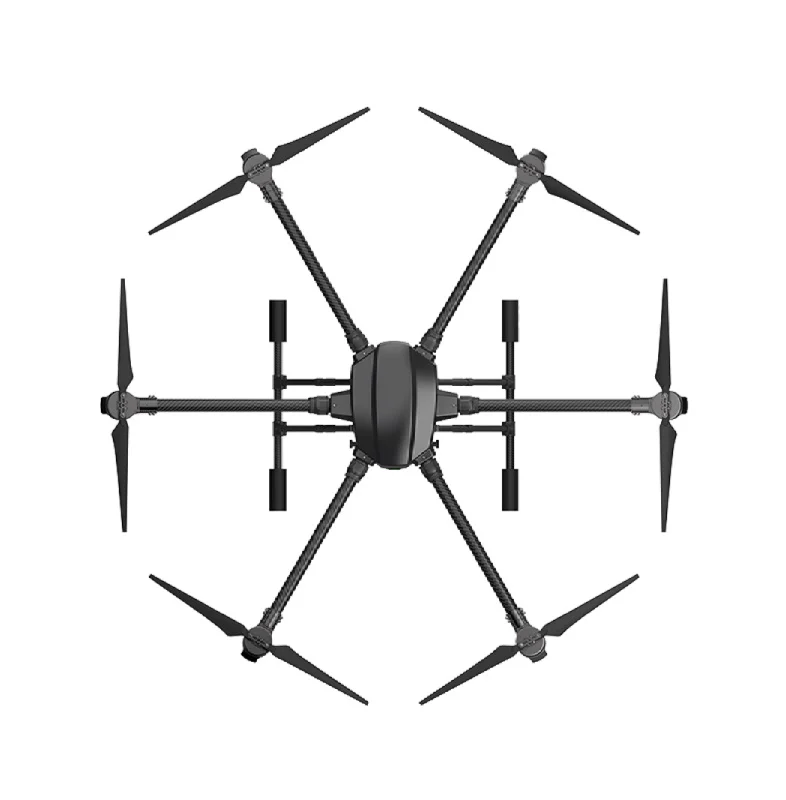
EFT 6120 Multifunction Surveillance Drone Frame
Heavy-duty hexacopter frame ideal for professional commercial operations. Perfect for operators planning licensed surveillance and inspection missions.
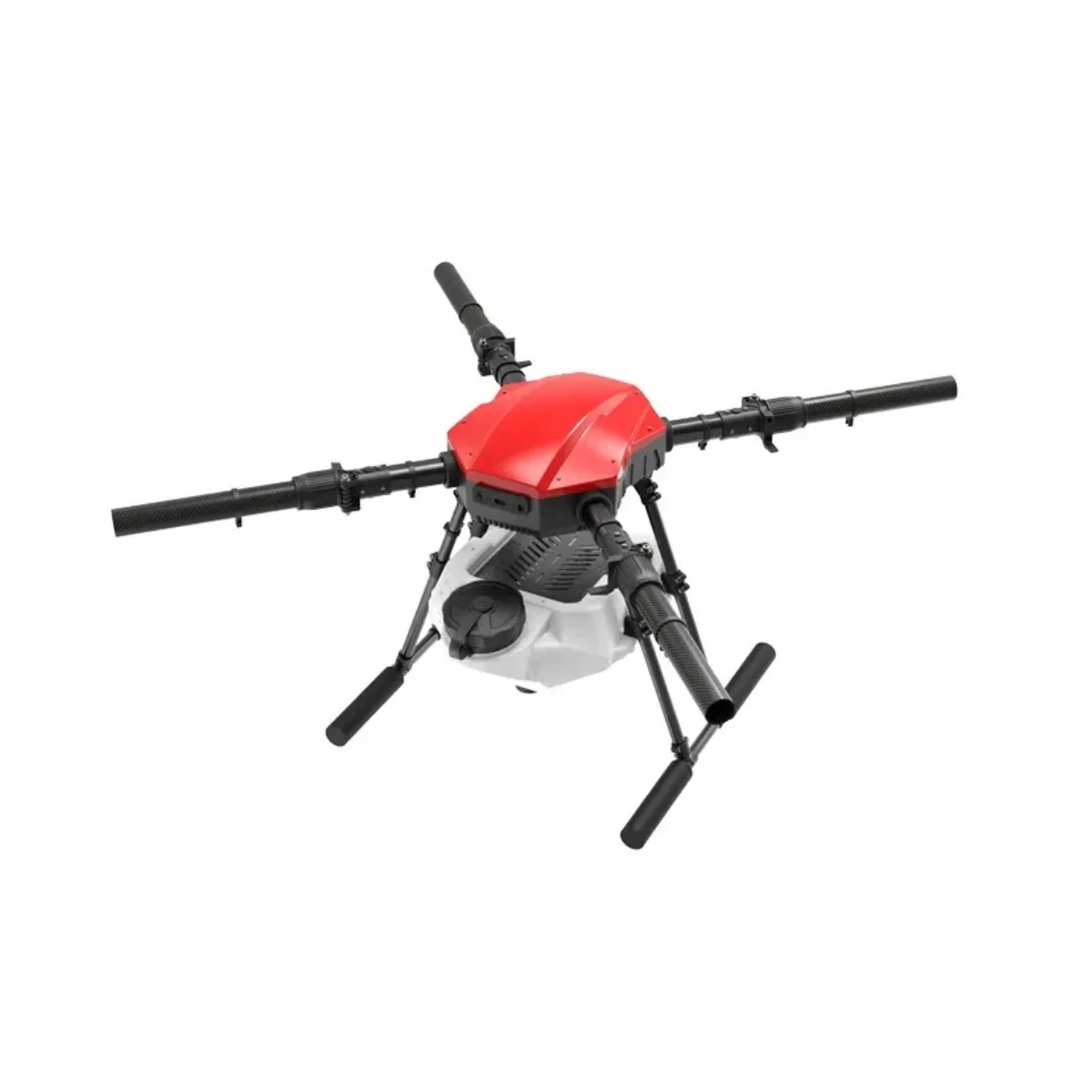
EFT E410P 10L 4 Axis Agricultural Drone Frame
10-litre agricultural spraying frame built for commercial agri-drone operations — a perfect platform for licensed agricultural drone pilots.
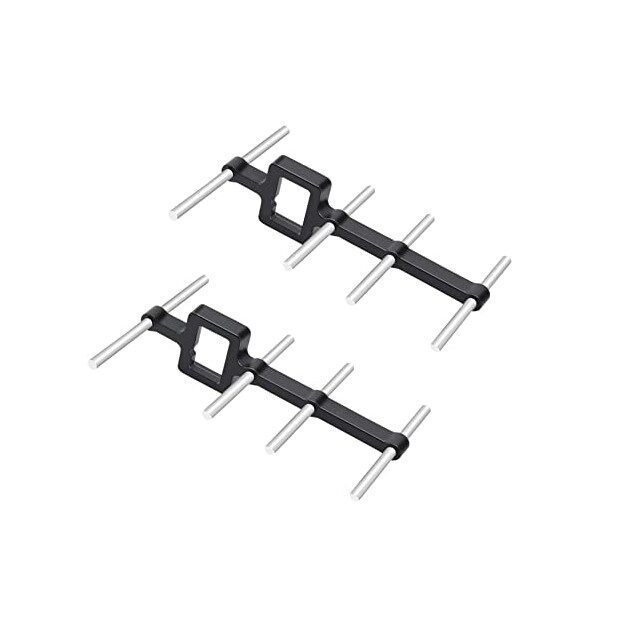
2.4Ghz Yagi-UDA Drone Signal Booster
Extend your drone’s control range for professional operations. Essential for maintaining reliable communication during licensed commercial missions.
10. Recommended Drone Components from Zbotic
Once you’re licensed, you’ll want a reliable platform for commercial or recreational flying. Zbotic stocks a wide range of drone components suited for everything from agricultural drones to FPV racers. Here are some top picks:
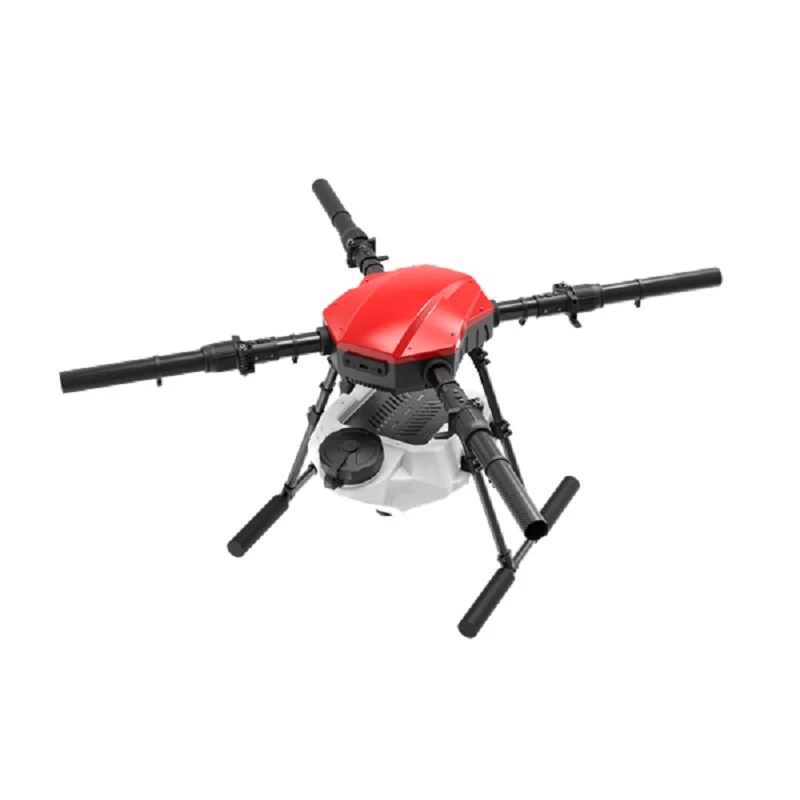
EFT E416P 16L 4 Axis Agricultural Drone Frame
Larger 16-litre agricultural quad frame for high-capacity spraying operations. Ideal for licensed operators covering large farm areas.

3DR 100mW Radio Telemetry 915MHz (APM/PX4/Pixhawk)
Essential for real-time GCS monitoring during licensed commercial missions. Integrates with Mission Planner and QGroundControl for professional operations.
11. Frequently Asked Questions
Q: Do I need a license to fly a DJI Mini 3 in India?
The DJI Mini 3 weighs approximately 249 g, which puts it in the Nano category (<250 g). Nano drones do not require an RPC for flying in Green zones in daylight, within visual line of sight, below 50 ft AGL, and away from controlled airspace. However, you still need to register the drone on Digital Sky if you plan to fly commercially.
Q: Can a foreign national get a drone license in India?
Foreign nationals can fly drones in India only with explicit approval from the Ministry of Home Affairs (security clearance) and the Ministry of Civil Aviation. The process is lengthy and not commonly used for tourism. Foreign-owned drones require special import approvals too.
Q: How long does the entire licensing process take?
From enrollment to certificate, expect 4–8 weeks depending on your RPTO’s schedule and DGCA processing time. If you’re well-prepared, the theory exam can be cleared quickly — practical training is typically 2–5 days of hands-on flying.
Q: Is the RPC valid all over India?
Yes. Your Remote Pilot Certificate is valid nationwide. However, flight permissions in Yellow zones are location-specific and must be requested for each mission location.
Q: Can I use any drone for commercial operations once licensed?
The drone itself must also be registered with a valid UIN on Digital Sky, and ideally should have a NPNT-compliant flight controller for operations in Yellow zones. Additionally, commercial operators may need an Unmanned Aircraft Operator Permit (UAOP) for BVLOS operations.
Q: What happens if my drone causes an accident?
You are legally liable for any damage or injury caused by your drone. This is why third-party liability insurance is strongly recommended for all commercial drone operators. Some RPTO courses include guidance on insurance as part of their curriculum.
12. Conclusion
Getting a DGCA drone pilot license in India in 2026 is more straightforward than ever. The digital-first approach through the Digital Sky platform, affordable government fees (just ₹100 for the RPC), and a network of authorized training organizations across the country means that any motivated individual can become a licensed drone pilot.
Whether you’re looking to launch an agricultural drone service in rural Maharashtra, build a drone photography business in Goa, or simply fly legally and responsibly as a hobbyist — your RPC is the first step. Start with the Digital Sky portal, find an authorized RPTO near you, and take the plunge.
And when you’re ready to build or upgrade your drone platform, Zbotic has you covered with premium frames, motors, ESCs, flight controllers, and more — all sourced and stocked in India for fast delivery.
Ready to Build Your Licensed Commercial Drone?
Shop India’s best selection of drone frames, motors, ESCs, and flight controllers at Zbotic.

Add comment