
When it comes to the HIKVISION vs Dahua CCTV India comparison 2026, both brands dominate the Indian security market, yet they cater to slightly different buyer profiles. Whether you are setting up cameras for a small apartment, a retail store, or a large warehouse, choosing the right brand can mean the difference between crystal-clear footage and blurry disappointment. This guide breaks down every major factor so you can make a confident purchase decision.
Brand Overview: HIKVISION and Dahua
HIKVISION, headquartered in Hangzhou, China, is the world’s largest manufacturer of video surveillance equipment by revenue. Dahua Technology, also based in Hangzhou, is the world’s second-largest. Both companies have had a strong presence in India for over a decade, with authorised distributors, local warranty centres, and government-empanelled partners. In 2026, both brands comply with the latest BIS (Bureau of Indian Standards) certification requirements for IP cameras and DVR/NVR systems sold in India.
HIKVISION has historically been the preferred brand for government, banking, and large enterprise projects. Dahua, meanwhile, has aggressively grown its market share in the SME and residential segments by offering competitive pricing and a wide range of OEM products under brands like Lorex and others globally.
Image Quality and Resolution
Both brands now offer cameras ranging from 2MP HD to 12MP 4K resolution. HIKVISION’s ColorVu series is widely regarded as one of the best for full-colour night vision without an IR floodlight. The technology uses a large F1.0 aperture lens combined with a supplemental white light to produce vivid colour images even in near-zero-lux environments.
Dahua’s Full-Color series offers a comparable solution, with the TIOC (Triple Intelligence on Chip) range integrating active deterrence, AI detection, and full-colour imaging into a single unit. In controlled lab tests and real-world Indian installations, both brands produce nearly identical image quality at equivalent price points. The key differentiator is the WDR (Wide Dynamic Range) performance: HIKVISION cameras tend to handle harsh backlit conditions (e.g., a gate with direct sunlight) slightly better in the 2–4MP segment, while Dahua’s HDR performs comparably at 5MP and above.
For Indian weather conditions — high humidity in coastal areas, extreme dust in northern cities — both brands’ outdoor IP cameras carry an IP67 or IP68 rating, making them suitable for year-round outdoor deployment.
Product Range and Ecosystem
HIKVISION’s ecosystem includes AcuSense AI cameras, DeepInMind NVRs, Turbo HD analog cameras, and a full suite of access control products. The Hik-Connect mobile app is available on Android and iOS and supports remote viewing with minimal lag even on 4G connections common in tier-2 Indian cities.
Dahua’s ecosystem centres around its Smart H.265+ compression, SmartPSS VMS software, and DMSS mobile app. Dahua also has a strong range of HDCVI analog cameras that are popular among Indian installers because they allow HD video over existing coaxial cable — significantly reducing retrofit installation costs.
For DIY enthusiasts and makers, neither brand provides open APIs for hobbyist integration, but third-party tools like iSpy and Shinobi NVR support RTSP streams from both brands, enabling custom integrations with Raspberry Pi, Arduino-based alarm panels, or Node-RED dashboards.
Pricing in India (2026)
In 2026, the Indian CCTV market has seen modest price increases due to component supply chain adjustments, but both brands remain competitive. Here is a general price comparison for common camera types available through authorised distributors and e-commerce platforms in India:
- 2MP Dome Camera: HIKVISION DS-2CD2123G2 — approx. ₹2,800–3,500 | Dahua IPC-HDW2831T — approx. ₹2,500–3,200
- 4MP Bullet Camera: HIKVISION DS-2CD2T43G2 — approx. ₹4,500–5,500 | Dahua IPC-HFW2849S — approx. ₹4,200–5,000
- 8MP 4K PTZ Camera: HIKVISION DS-2DE4425IWG-E — approx. ₹18,000–22,000 | Dahua SD49425XB-HNR — approx. ₹16,000–20,000
- 8-Channel NVR with HDD: HIKVISION DS-7608NI-Q2/8P — approx. ₹14,000–18,000 | Dahua NVR4108HS-8P-4KS3 — approx. ₹12,500–16,000
Dahua tends to undercut HIKVISION by 10–15% on equivalent SKUs, making it attractive for large-scale rollouts where per-unit cost matters. However, project-level discounts from HIKVISION authorised partners often close this gap for enterprise purchases.
After-Sales Service and Warranty
This is often the deciding factor for Indian buyers. HIKVISION India has over 350 authorised service centres across the country, including tier-2 and tier-3 cities. The standard warranty is 3 years for most cameras and NVRs. HIKVISION also has a dedicated technical support helpline and an online RMA portal for quick replacement claims.
Dahua India has been expanding its service network and now operates over 280 authorised service centres. The warranty is also 3 years for most products. Dahua’s partner portal and online support have improved significantly since 2024, though HIKVISION still leads on overall service responsiveness based on aggregated installer feedback on Indian forums like CCTV Forum India and various LinkedIn groups for security professionals.
For end-users in metros — Mumbai, Delhi, Bangalore, Chennai, Hyderabad — both brands offer excellent post-sale support. In smaller cities and rural areas, HIKVISION’s denser service network gives it a practical edge.
AI and Smart Features
AI-powered features are increasingly standard on mid-range and premium cameras from both brands. HIKVISION’s AcuSense technology uses deep learning to distinguish humans and vehicles from other motion triggers, dramatically reducing false alarms caused by animals, insects, or swaying trees. This is a major advantage for Indian homes where stray animals frequently trigger conventional motion detectors.
Dahua’s SMD Plus (Smart Motion Detection) achieves similar results and is available even on relatively affordable models starting around ₹3,000. Dahua also offers WizSense and WizMind tiers, with WizMind providing facial recognition, people counting, and heat mapping — features typically used in retail and corporate environments.
Both brands support ONVIF Profile S/G/T compliance, which means cameras can be integrated with third-party NVR/VMS platforms. This is important for larger Indian installations where mixed-brand environments are common.
Which Brand Should You Choose?
Choose HIKVISION if: you prioritise after-sales service in smaller cities, need the widest ecosystem of accessories and integration partners, are deploying for a government or banking project where HIKVISION brand compliance is specified, or want the best low-light colour performance in the 2–4MP range.
Choose Dahua if: budget is the primary constraint and you are comfortable with a slightly smaller (but still adequate) service network, you are retrofitting over existing coaxial cable infrastructure using HDCVI, or you need WizMind AI analytics features at a lower price than HIKVISION’s equivalent DeepInMind tier.
For most Indian home users and small business owners, Dahua offers slightly better value for money in 2026. For large enterprise and government projects where service SLAs and brand credibility matter, HIKVISION remains the safer choice.
Recommended Sensors for DIY Security Projects
If you are building a custom security system to complement your CCTV setup — such as motion-triggered alerts, temperature monitoring in server rooms, or environment sensing — the following sensors from Zbotic are excellent additions:
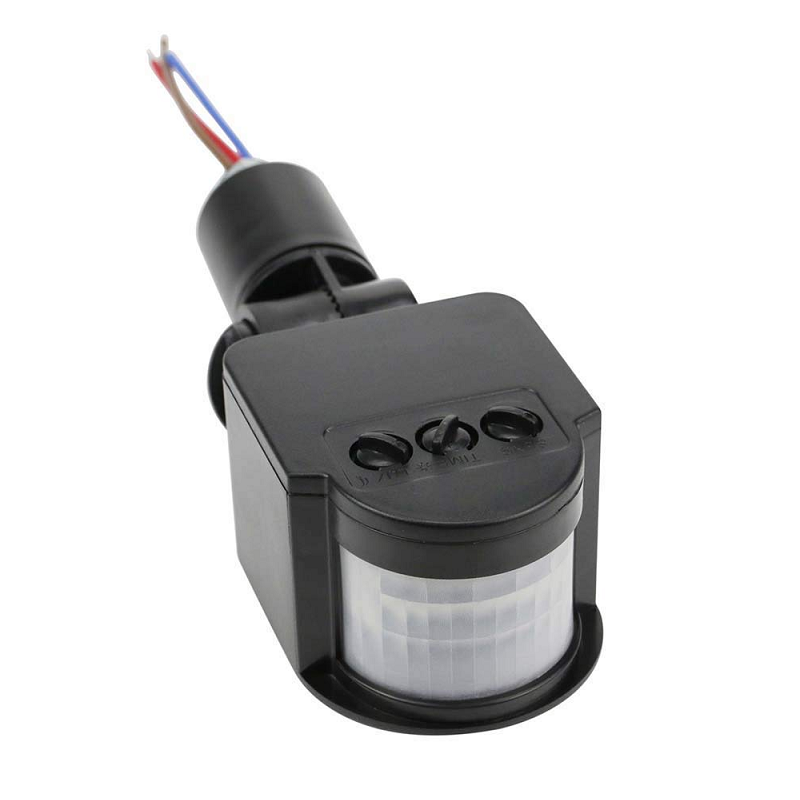
AC 220V Security PIR Human Body Motion Sensor Detector
A 220V-rated PIR sensor perfect for triggering lights or alarms on human motion. Ideal for stairways, parking areas, and building entrances alongside your CCTV system.
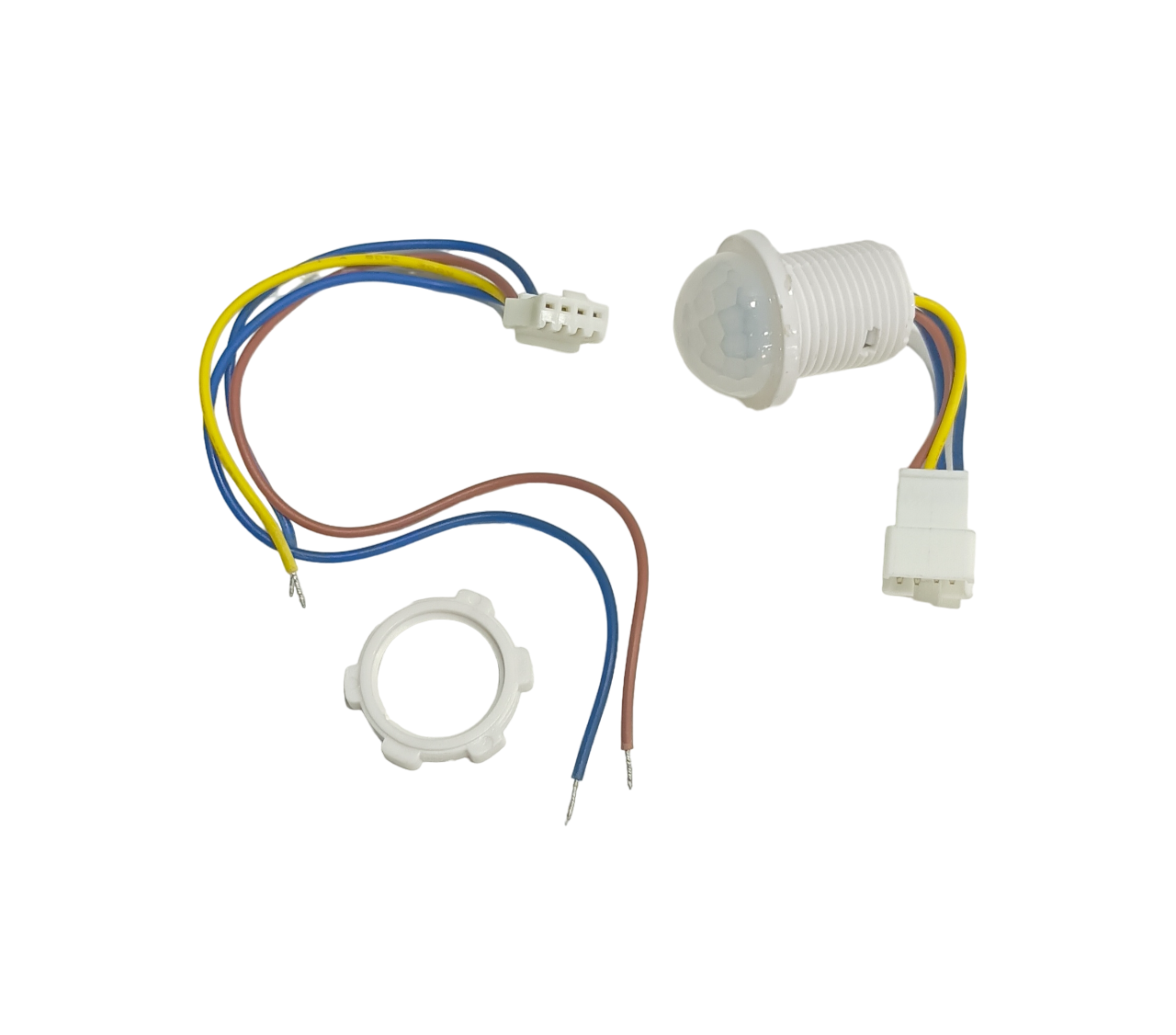
AC110-240V PIR Infrared Motion Sensor Switch
Wide voltage range PIR sensor with terminal line output. Suitable for integration into custom alarm panels or automatic lighting circuits in CCTV-monitored areas.
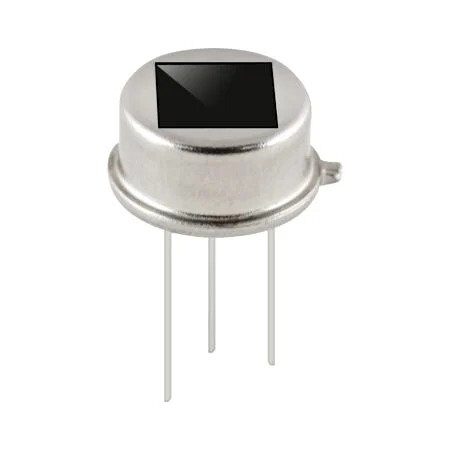
B2X2 4 Elements Infrared Motion Analog PIR Sensor for Lighting
A quad-element PIR sensor offering a wide detection zone, reducing blind spots in larger rooms or corridors monitored by CCTV cameras.

LM35 Temperature Sensor
Monitor server room or DVR cabinet temperatures with this precision analog sensor. Alert your system when temperatures exceed safe thresholds to protect your CCTV equipment.
Frequently Asked Questions
Is HIKVISION banned in India?
As of 2026, HIKVISION is not banned in India for civilian and commercial use. While several Western governments have restricted HIKVISION in government facilities, India has not imposed such restrictions. HIKVISION continues to be sold freely and is used in numerous Indian government and PSU projects.
Which brand has better night vision — HIKVISION or Dahua?
Both brands are closely matched. HIKVISION’s ColorVu series is slightly ahead in producing full-colour images in near-total darkness, while Dahua’s Full-Color cameras are comparable. For standard IR black-and-white night vision, both brands perform equally well at equivalent resolutions.
Can I mix HIKVISION cameras with a Dahua NVR?
Yes, provided both devices support ONVIF Profile S. Most modern HIKVISION cameras and Dahua NVRs support ONVIF, enabling cross-brand integration. However, proprietary features like smart analytics and Hik-Connect/DMSS app integration will only work within the same brand ecosystem.
Which brand offers better warranty in India?
Both brands offer a 3-year warranty in India. HIKVISION has a slightly more extensive service network, particularly outside metro cities, which may result in faster turnaround on warranty claims in remote areas.
Are budget Dahua cameras worth buying in India?
Yes, budget Dahua cameras (₹2,000–3,000 range) offer good image quality and reliable build for residential use. The value proposition is strong for Indian consumers who need basic surveillance without advanced AI features.
Ready to build your security system? Explore our range of security and surveillance components at Zbotic, including PIR sensors, motion detectors, and environment monitoring modules to complement your CCTV setup. Shop Now



Add comment