
E-Bike Range Calculator: Battery Capacity vs Distance Guide India
One of the most common questions from e-bike riders and builders in India is: how far can my e-bike go on a single charge? The answer depends on several variables — battery capacity, motor wattage, rider weight, terrain, and riding style. This e-bike range calculator guide for India will help you estimate your range accurately, understand the key factors, and make smart choices when building or buying an e-bike battery pack.
The E-Bike Range Formula Explained
The core formula for estimating e-bike range is straightforward:
Range (km) = Battery Energy (Wh) ÷ Energy Consumption (Wh/km)
Breaking down the terms:
- Battery Energy (Wh): Voltage × Capacity in Ah. Example: 48V × 10Ah = 480 Wh.
- Energy Consumption (Wh/km): How many watt-hours your e-bike uses per kilometre. Typical range: 15–40 Wh/km depending on conditions.
So a 480Wh battery at 20 Wh/km (moderate conditions) gives: 480 ÷ 20 = 24 km. At 15 Wh/km (flat road, light rider, PAS mode), the same pack gives 32 km.
Note: Always use only 80% of rated battery capacity in calculations to account for BMS cutoff and to preserve battery life. So treat a 480Wh pack as 384Wh effective.
E-Bike Range Calculator for India
Use the table below as a quick reference. Values assume 80% usable capacity and average Indian riding conditions (mixed flat and moderate incline, 70–80 kg rider, moderate assist).
| Battery Pack | Energy (Wh) | 500W Motor | 750W Motor | 1000W Motor |
|---|---|---|---|---|
| 48V 7.5Ah (13S3P) | 360Wh | 22–28 km | 18–22 km | 14–18 km |
| 48V 10Ah (13S4P) | 480Wh | 30–38 km | 24–30 km | 19–24 km |
| 48V 12.5Ah (13S5P) | 600Wh | 38–48 km | 30–38 km | 24–30 km |
| 48V 17.5Ah (13S7P) | 840Wh | 54–68 km | 42–54 km | 34–42 km |
| 36V 10Ah | 360Wh | 22–28 km | 18–22 km | — |
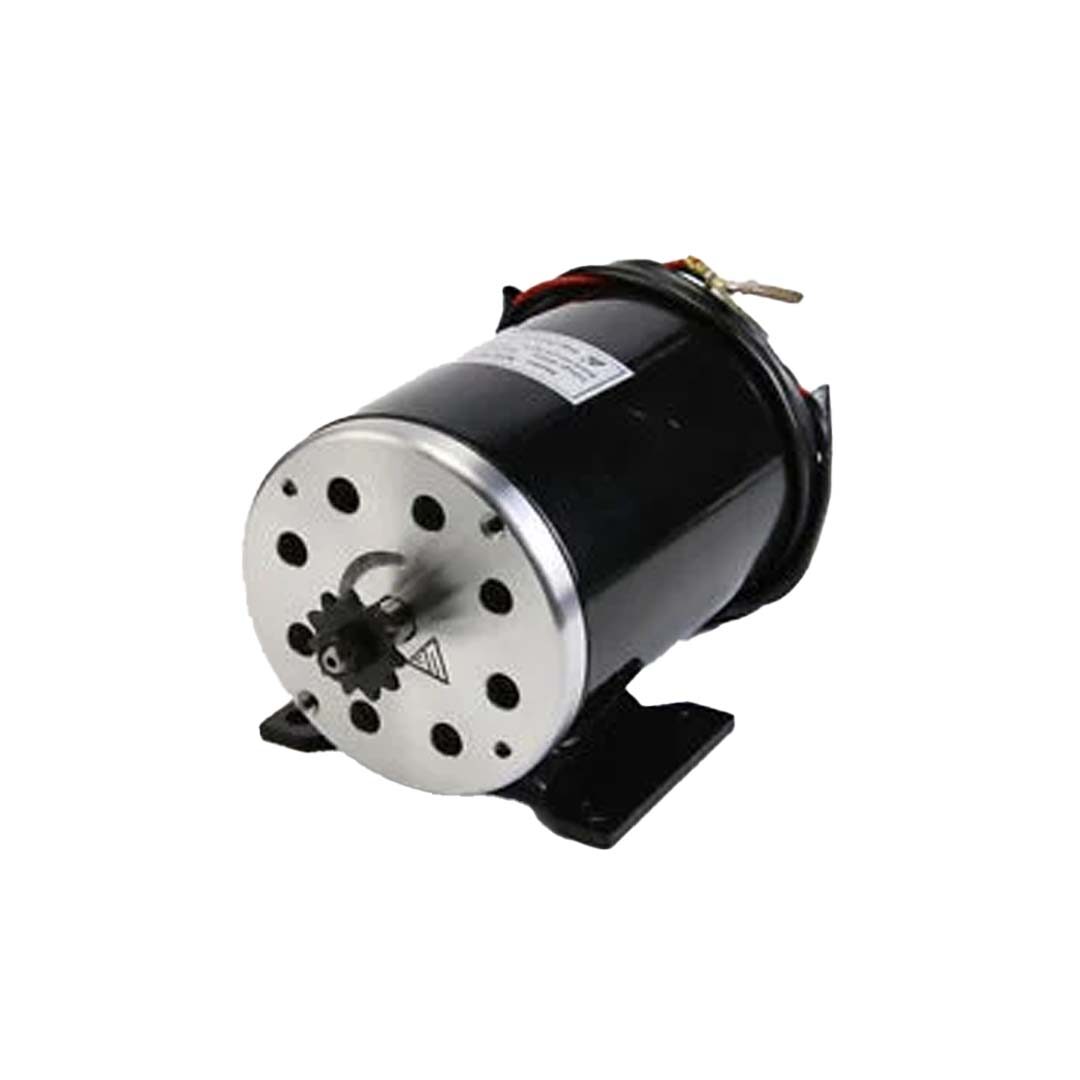
Ebike 500W 24V DC 2500 RPM Scooter/Bike Motor MY1020
A popular 500W DC motor for e-bike conversion kits and go-karts. Efficient power delivery at moderate current draw makes it ideal for maximising range on your battery pack.
Factors Affecting E-Bike Range in Indian Conditions
India’s diverse terrain, climate, and traffic patterns create unique range challenges compared to European or American riding conditions.
1. Terrain and Elevation
Indian cities vary dramatically — Mumbai and Hyderabad are relatively flat, while Pune, Shimla, and Bengaluru have significant elevation changes. Climbing hills can increase energy consumption by 30–60%. Riding in hilly terrain (like Pune or Shillong) with a 500W motor can reduce range by 25–35% vs flat city riding.
2. Temperature
Lithium batteries lose capacity in extreme heat and cold. In Indian summers (40–46°C in Rajasthan, UP, and central India), battery capacity can drop 5–15% due to thermal management limitations. In Himalayan winters, the drop can be 20–30%. Store and charge your battery in shade during peak summer.
3. Rider Weight
Heavier riders require more energy to accelerate and climb. A 90 kg rider versus a 60 kg rider can see a 15–20% difference in range on the same bike. Account for luggage (grocery bags, laptop backpack) which adds to effective load.
4. Traffic Conditions
Stop-and-go traffic in Indian metros (Mumbai CST area, Bengaluru ORR, Delhi ring road) increases energy consumption significantly because frequent acceleration from standstill is the most energy-intensive operation. Expressway riding at constant speed maximises range.
5. Tyre Pressure
Under-inflated tyres increase rolling resistance. In India, road quality varies widely — potholes and rough surfaces on under-inflated tyres can increase energy consumption by 10–20%. Always maintain recommended pressure (typically 40–50 PSI for e-bikes).
6. Assist Level
Using throttle-only mode is significantly less efficient than pedal assist (PAS). PAS Level 1 can double your range compared to full throttle riding, because you contribute mechanical energy and the motor only supplements your effort.
Battery Configurations and Expected Range
For Indian commuters, here are the most practical battery configurations:
City Commuter (15–25 km daily)
Recommended: 48V 7.5Ah–10Ah (13S3P or 13S4P with Samsung 25R cells)
This gives comfortable 25–35 km range with a safety buffer. Weighs 3–4 kg. Easily charges overnight at home.
Extended Commuter (30–50 km daily)
Recommended: 48V 12.5Ah–15Ah (13S5P or 13S6P)
Range of 40–55 km. Weighs 4.5–6 kg. Good for long commutes to suburban areas or tech parks.
Weekend Touring (50–80 km rides)
Recommended: 48V 17.5Ah–20Ah (13S7P or 13S8P)
Range of 60–80 km. Pack weighs 7–9 kg — consider mounting on rear rack. Suitable for rides like Bengaluru to Nandi Hills or Mumbai to Lonavala.
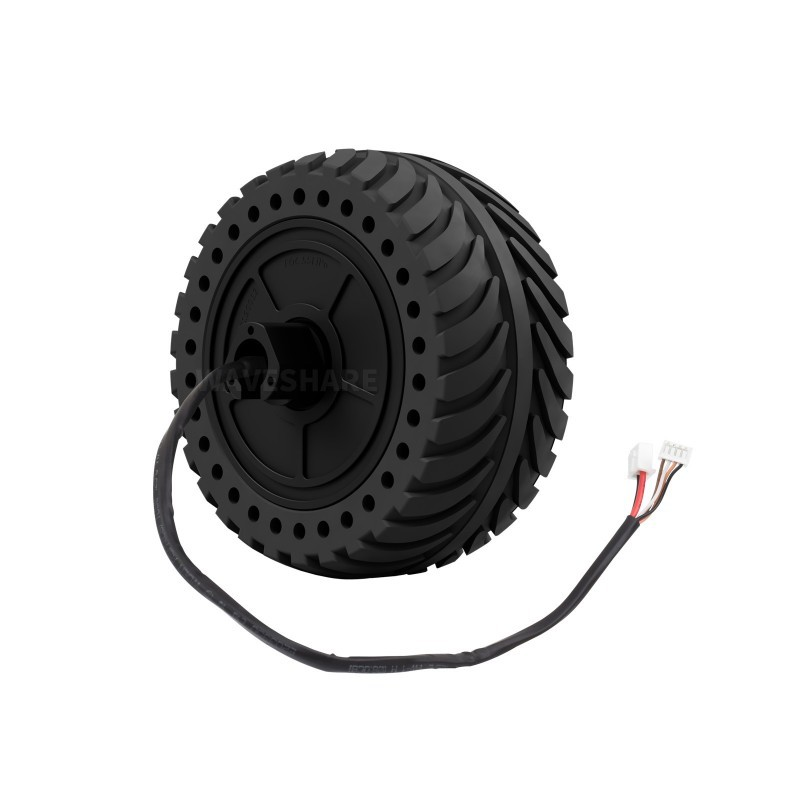
Waveshare DDSM115 Direct Drive Hub Motor
Low-noise, high-torque hub motor perfect for energy-efficient e-bike builds. Direct drive eliminates gearbox losses, helping you squeeze more kilometres from every charge cycle.
Tips to Maximize E-Bike Range
These practical tips can extend your real-world range by 20–40%:
- Use PAS over throttle: PAS Level 1 or 2 significantly extends range vs pure throttle mode.
- Maintain correct tyre pressure: Check weekly. Firm tyres = less rolling resistance.
- Plan flat routes where possible: Avoid unnecessary climbs, especially on short battery packs.
- Smooth acceleration: Avoid jackrabbit starts. Gradual acceleration is far more efficient.
- Reduce weight: Remove unnecessary cargo. Every kg costs range.
- Keep battery at room temperature: In summer, don’t leave your battery in direct sunlight. A hot battery loses both capacity and longevity.
- Service your drivetrain: Dry chain and stiff brakes rub energy away constantly. Lubricate and adjust regularly.
- Charge to 90% for daily use: Charging to 90% instead of 100% reduces range only slightly but extends battery life significantly (reduces degradation per cycle by 20–30%).
Choosing the Right Motor for Your Range Goal
Motor wattage and type directly affect range. Higher wattage = more power but also more energy draw.
- 250W motor: Legal on public roads in India without registration. Very efficient — 15–20 Wh/km. Best range per Wh. Suitable for light riders on flat terrain.
- 500W motor: Best balance of power and efficiency for most Indian riders. 18–25 Wh/km. Handles moderate hills well.
- 750W–1000W motor: Good hill climbing, higher top speed. 22–35 Wh/km. Reduces range but increases versatility.
- Hub motors vs mid-drive: Mid-drive motors (like the Bafang BBS series) are 10–20% more efficient than hub motors on hilly terrain because they can leverage the bike’s gearing. Hub motors are simpler and more reliable for flat commutes.
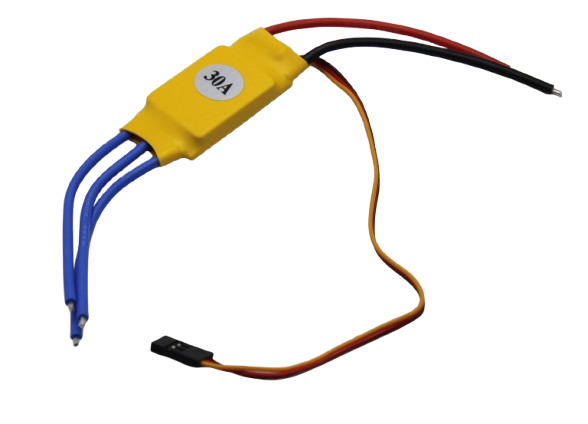
30A BLDC ESC Brushless Electronic Speed Controller
A capable 30A ESC for controlling brushless hub or mid-drive motors. Efficient PWM control reduces heat and maximises energy transfer from battery to wheel.
Real-World Range Examples from Indian Riders
Here are realistic scenarios based on community feedback from Indian e-bike builders and riders:
- Bengaluru IT commuter (15 km one way, moderate hills): 48V 10Ah + 500W motor → 28–32 km actual range. Two-way commute with ~4 km buffer.
- Mumbai flat commute (20 km one way): 48V 12.5Ah + 750W motor → 38–44 km actual range. Easily covers round trip with charge at office.
- Pune hill rider (weekend touring, 40–50 km): 48V 17.5Ah + 500W motor → 55–60 km. PAS Level 2 throughout. Handles ghats with some power walks on steepest sections.
- Delhi fast commuter (30 km one way, full throttle): 48V 15Ah + 1000W motor → 30–35 km actual range. Motor draws heavily in full-throttle mode.
The consistent lesson: PAS mode combined with conservative riding adds 25–40% range compared to full-throttle operation.
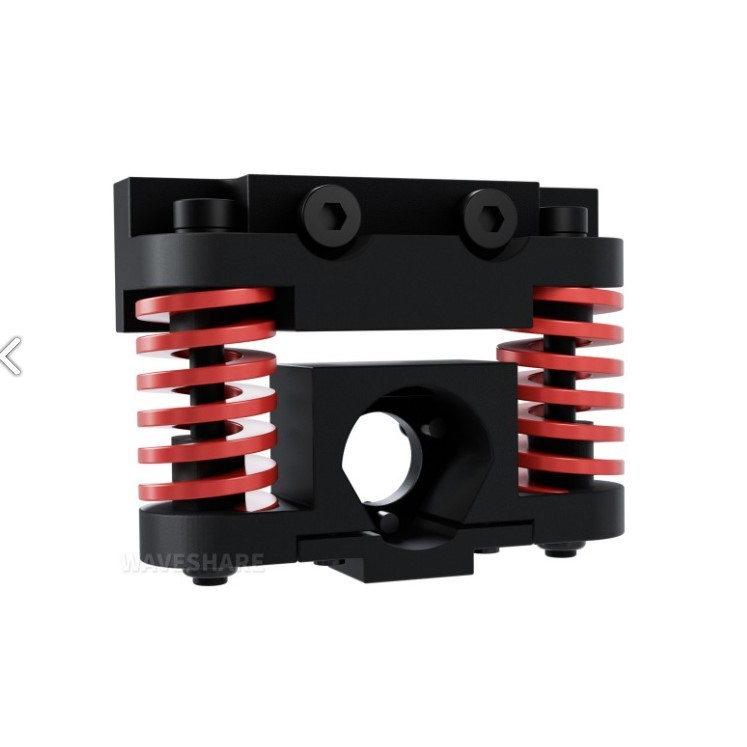
Waveshare All-metal UGV Suspension for Hub Motor Builds
All-metal compact suspension system compatible with DDSM115 hub motors. Reduces vibration transfer and rolling resistance on Indian roads, helping preserve battery range.
Frequently Asked Questions
How do I calculate my e-bike’s range in India?
Use this formula: Range (km) = (Battery Voltage × Ah × 0.8) ÷ Wh/km consumption. For Indian mixed conditions, use 20–25 Wh/km as a starting estimate for a 500W motor with a 70–80 kg rider.
What battery capacity is best for a 40 km daily commute in India?
A 48V 12.5Ah (600Wh) battery paired with a 500W motor will comfortably cover 40 km on a single charge under average Indian conditions with PAS assist. This gives you a comfortable buffer.
Does riding in summer heat reduce e-bike range?
Yes. At 40–45°C ambient temperature (common in Indian summers), lithium battery capacity can drop 5–15%. Keep the battery shaded, don’t charge immediately after a hot ride, and allow it to cool before charging.
Can I use two batteries in series/parallel to extend range?
Parallel connection of two identical batteries (same voltage, same state of charge) is safe and doubles your capacity. Never connect batteries of different voltages or charge states in parallel — always balance charge first and use a proper parallel combiner with fuses.
What is the realistic range for a 48V 10Ah e-bike in Bengaluru traffic?
In Bengaluru’s stop-and-go traffic on the outer ring road or whitefield stretch, a 48V 10Ah pack with 500W motor will realistically deliver 25–30 km. Marketing claims of 40+ km assume flat roads, light riders, and PAS-only mode.
Plan Your E-Bike Build Around Your Range Needs
Understanding the relationship between battery capacity and range is the foundation of any successful e-bike build or purchase decision in India. Use the calculator table and tips in this guide to right-size your battery pack — neither too small (range anxiety) nor too heavy (efficiency loss).
Browse Zbotic’s full range of motors, motor drivers, and EV components to find everything you need for your e-bike conversion or custom build. Smart component choices start with the right information.





Add comment