
Choosing the right solder wire type is one of the most important decisions for any electronics hobbyist or professional. Whether you are working on Arduino projects, PCB repairs, or assembling circuits, the wrong solder can ruin joints, damage components, or leave you with unreliable connections. This guide breaks down the three most popular solder wire types — lead-free vs 60/40 vs rosin core — so you can make the best choice for your next project.
What Is Solder Wire and Why Does the Type Matter?
Solder wire is a fusible metal alloy that melts when heated and flows into a joint between two metal surfaces, creating a permanent electrical and mechanical connection when it cools. The composition of the solder directly affects:
- Melting point — determines the iron temperature needed
- Joint strength — mechanical durability of the bond
- Electrical conductivity — resistance of the completed joint
- Ease of use — how quickly and cleanly the solder flows
- Safety and compliance — especially relevant for commercial products
For hobbyists in India building Arduino robots, drones, or IoT devices, there is no single best answer. The ideal solder depends on your iron, your components, and your end application.
60/40 Tin-Lead Solder: The Hobbyist Favourite
The 60/40 solder (60% tin, 40% lead) has been the workhorse of electronics for decades. It remains extremely popular among hobbyists because it is easy to work with and forgiving for beginners.
Key Properties of 60/40 Solder
- Melting point: ~183°C (eutectic point), fully liquid at ~188°C
- Appearance: Shiny, bright silver joints
- Flow: Excellent — wets copper pads quickly
- Cost: Cheaper than lead-free alternatives
Pros
- Lower melting temperature — gentler on heat-sensitive components
- Shiny joints make cold joints easy to spot visually
- Very forgiving during rework and desoldering
- Works well with basic 30–40W soldering irons
Cons
- Contains lead (Pb) — health and disposal concerns
- Not RoHS compliant — unsuitable for commercial/exported products
- Lead vapour risk if iron temperature is too high
For a personal Arduino project or one-off repair at home in India, 60/40 solder is still a perfectly reasonable choice. Just work in a ventilated area and wash your hands after use.
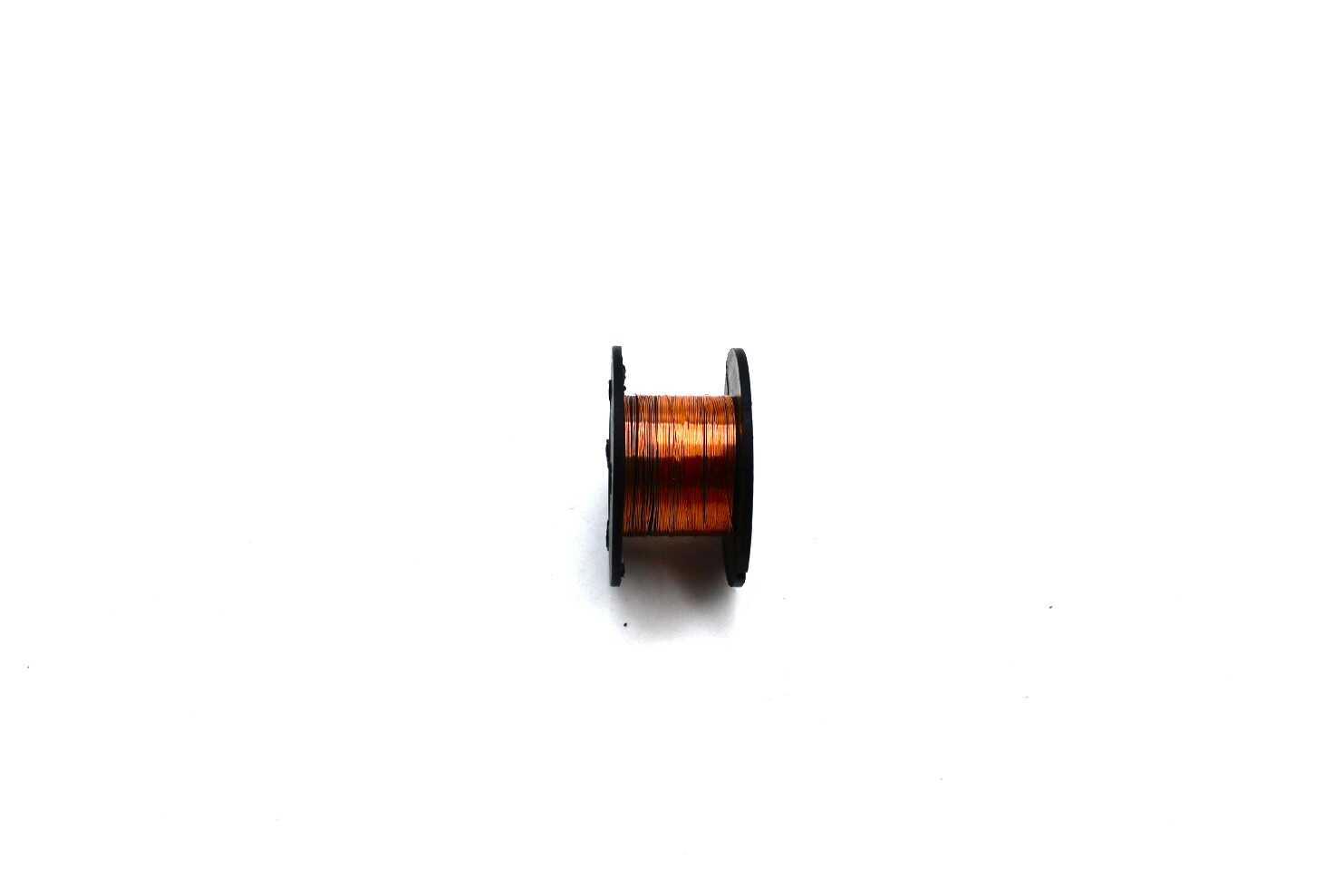
0.1MM Copper Soldering Solder PPA Enamelled Repair Reel Wire
Ultra-fine 0.1mm enamelled copper solder wire ideal for PCB repair, fine pitch SMD work, and coil winding. Perfect for precision electronics repair tasks.
Lead-Free Solder: The Modern Standard
Lead-free solder became the industry standard after the European Union’s RoHS directive in 2006 banned lead from commercial electronics. In India, demand for lead-free solder is growing as more makers build products for export or pursue professional certifications.
Common Lead-Free Alloys
- SAC305 (96.5% Sn, 3% Ag, 0.5% Cu) — the most popular; excellent joints
- Sn99.3/Cu0.7 — cheaper but higher melting point
- Sn96.5/Ag3.5 — good for fine-pitch work
Key Properties
- Melting point: 217–220°C (higher than 60/40)
- Appearance: Slightly duller, greyish joints
- Flow: Less fluid — requires higher iron temperature (320–380°C)
- Cost: 20–40% more expensive than 60/40
Pros
- RoHS compliant — legal for commercial sale in EU and increasingly in India
- No lead toxicity risk
- Stronger joints in high-vibration environments
Cons
- Higher working temperature can stress heat-sensitive components
- More skill required to achieve clean joints
- More expensive
- Dull appearance makes it harder to spot cold joints by eye
Rosin Core Solder: Flux Built Right In
Rosin core solder is not a different alloy — it is any solder wire (60/40, lead-free, or other) that contains a hollow core filled with flux. As the solder melts, flux is released and chemically cleans the metal surfaces being joined.
Why Flux Matters
Copper oxidises almost instantly when exposed to air. An oxide layer prevents solder from bonding properly. Flux removes this oxide layer during soldering, enabling the solder to wet the surface cleanly. Without flux, you get:
- Poor solder adhesion (balling up)
- Cold-looking, grainy joints
- Poor electrical conductivity
Types of Flux Cores
- Rosin (R) — pure rosin; mildly acidic, non-corrosive residue, fine for most electronics
- Rosin Mildly Activated (RMA) — better wetting with minimal residue; most popular
- No-Clean — residue safe to leave; used in automated assembly
- Water-Soluble — most aggressive; residue must be washed off to prevent corrosion
For hobbyists in India, rosin core (RMA) solder is the most practical choice. The flux handles oxidised pads automatically, reducing the need for separate flux application on most through-hole work.
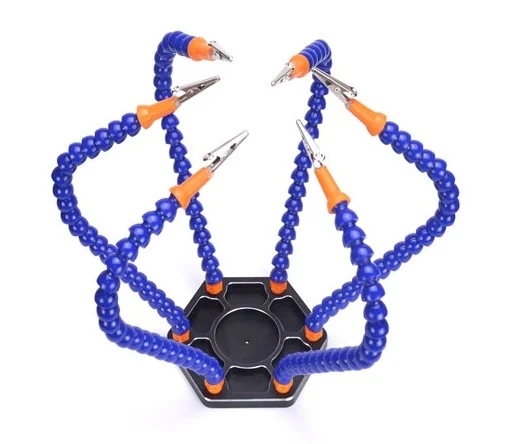
6 Flexible Arms Soldering Station With Swiveling Alligator Clip
A helping hands station with 6 flexible arms and alligator clips to hold your PCB and components steady while you solder. Essential for any soldering workbench.
Side-by-Side Comparison: Which Solder Is Best?
| Property | 60/40 (Leaded) | Lead-Free (SAC305) | Rosin Core |
|---|---|---|---|
| Melting Point | 183–188°C | 217–220°C | Varies by alloy |
| Ease of Use | Excellent | Moderate | Excellent |
| RoHS Compliant | No | Yes | Depends on alloy |
| Joint Appearance | Shiny | Dull grey | Shiny with flux |
| Cost | Low | Higher | Low-Moderate |
| Best For | Hobby projects | Commercial products | General use |
Choosing Solder by Application
Arduino and Microcontroller Projects
Use 60/40 rosin core, 0.8mm diameter. The lower melting point protects small microcontroller pins and sensor pads. Rosin core means you rarely need extra flux.
SMD (Surface Mount Device) Soldering
Use lead-free SAC305 or 60/40 at 0.3–0.5mm diameter. Finer wire gives better control over tiny pads. Apply extra liquid flux from a flux pen for best results.
PCB Assembly for Sale / Export
Use lead-free SAC305 rosin core, 0.8–1.0mm. Required for RoHS compliance. Upgrade your iron to a temperature-controlled station that can reliably reach 350°C.
Wire Splicing and Connector Work
Use 60/40 at 1.0–1.5mm. Larger diameter means faster heat transfer to thick wires. Shiny joints also make it easy to confirm a good bond visually.
High-Temperature or Automotive Electronics
Use SAC305 or silver-bearing lead-free. The higher melting point of lead-free alloys makes joints more stable under thermal cycling and vibration.
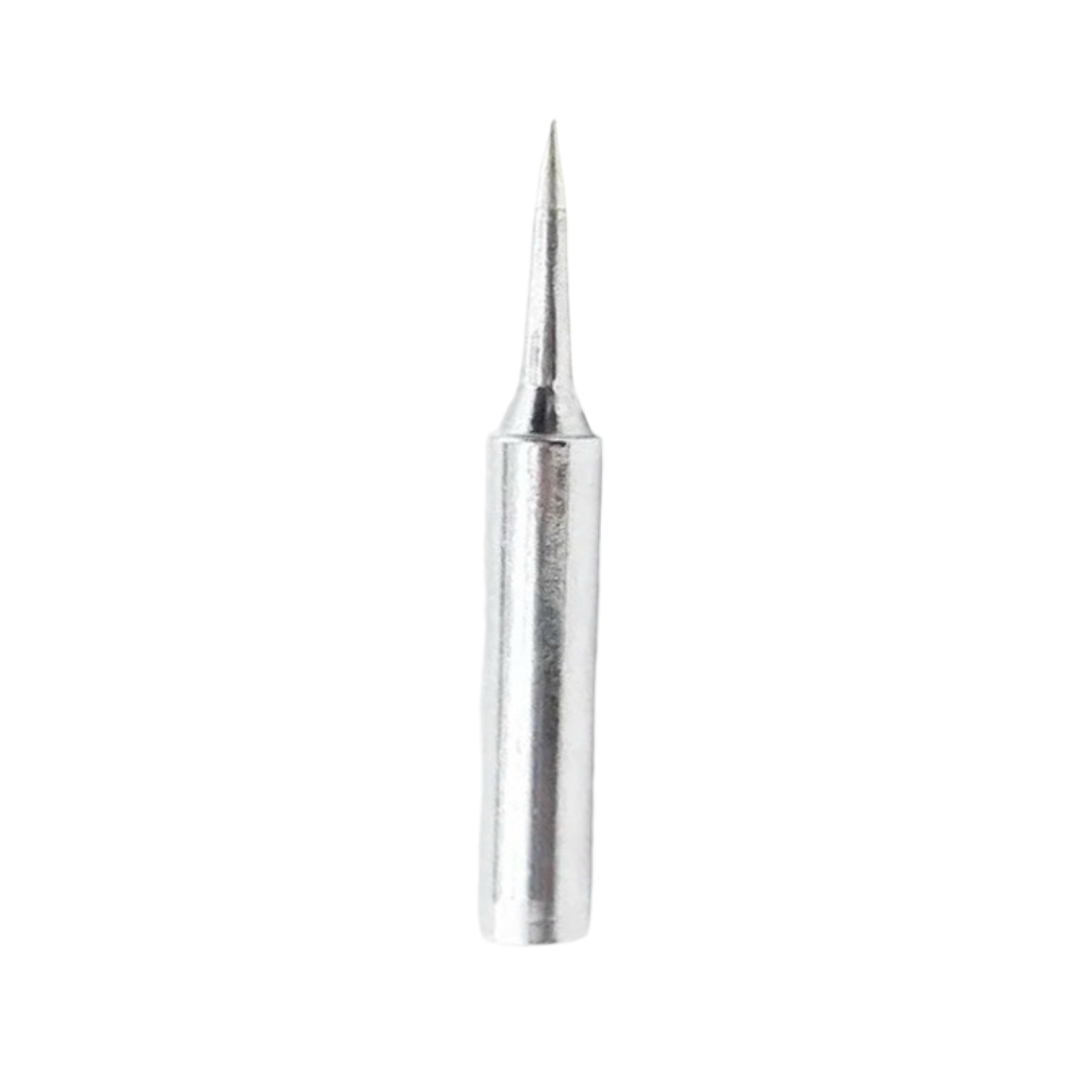
BAKON Soldering Iron Tip 900M-T-I
High-quality 900M series soldering iron tip compatible with most 900M-type stations. The right tip shape makes a huge difference in solder joint quality.
Tips for Making Perfect Solder Joints
- Tin the tip first: Before every session, apply a small blob of fresh solder to the iron tip. This improves heat transfer dramatically.
- Heat the joint, not the solder: Touch the iron to the pad and lead for 1–2 seconds, then feed solder into the joint — not onto the iron.
- Use the right temperature: 60/40 works well at 300–320°C. Lead-free needs 340–370°C. Too high burns flux and oxidises tips.
- Don’t move until solidified: Hold the joint still for 3–5 seconds after removing the iron. Movement creates cold joints.
- Keep your tip clean: Wipe the tip on a damp brass wool cleaner or wet sponge regularly. A dirty tip transfers heat poorly.
- Ventilate your workspace: Flux fumes are irritating. Use a small fan to direct fumes away, especially with lead solder.
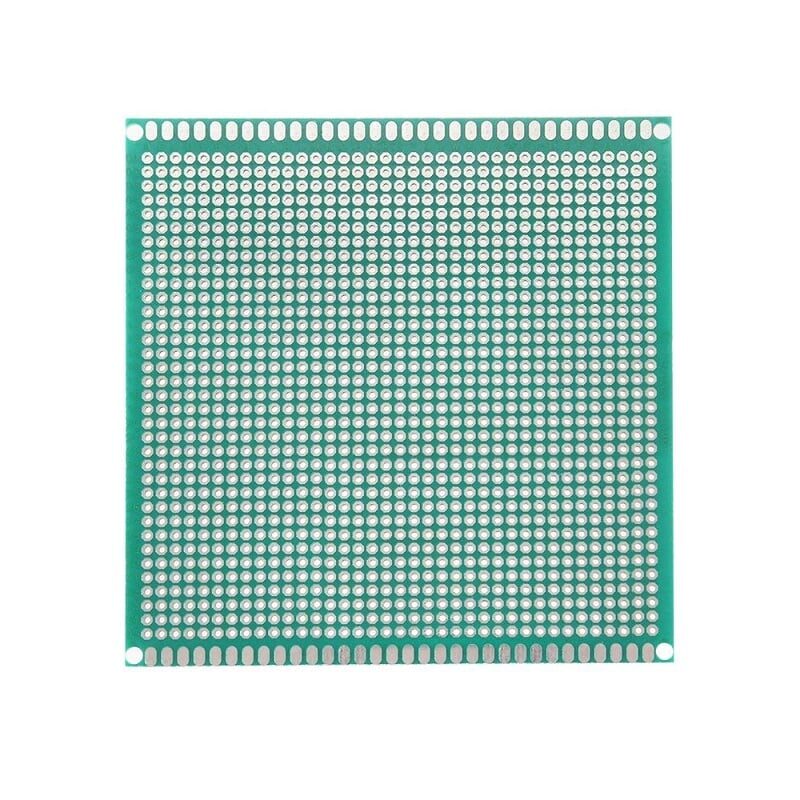
10 x 10 cm Universal PCB Prototype Board Single-Sided 2.54mm
Practice your soldering on this universal prototype PCB before committing to your final design. Standard 2.54mm pitch for through-hole components.
Frequently Asked Questions
Is lead-free solder harder to use than 60/40?
Yes, lead-free solder requires a higher iron temperature (around 350°C vs 300°C for 60/40) and is less forgiving. Joints can look dull even when they are good. For beginners, 60/40 is easier to learn with.
Can I mix lead-free and leaded solder on the same board?
Technically yes, but it is not recommended for production work. Mixing alloys can create weak, grainy joints. For hobby projects it is acceptable, but try to stick to one type per board.
What diameter solder wire should I buy?
For general through-hole electronics: 0.8mm. For SMD work: 0.3–0.5mm. For wiring and connectors: 1.0–1.5mm. Having 0.8mm in both leaded and lead-free covers 90% of hobby needs.
Does rosin core solder need to be cleaned off?
Rosin (R) and RMA core fluxes leave a harmless, non-corrosive residue. Most hobbyists leave it. If you want a clean finish, wipe with 99% isopropyl alcohol (IPA). Water-soluble flux residues must be cleaned to prevent corrosion.
Is solder wire available in India without import?
Yes. Both 60/40 and lead-free solder wire from brands like Kester, MG Chemicals, and local manufacturers are readily available in India. Zbotic.in stocks soldering supplies for fast delivery across India.







Add comment