
The SG90 and MG90S are arguably the two most popular micro servo motors in the hobbyist and robotics world. Both are manufactured in the same form factor, both operate on 4.8–6V, and both are used in everything from RC planes to robotic hands. Yet they have one crucial difference: the SG90 has plastic gears while the MG90S has metal gears.
That single difference cascades into significant real-world performance gaps. This guide breaks down every important parameter — torque, speed, accuracy, durability, weight, and price — to help you decide which servo is right for your project. We also include a detailed breakdown of which servo works best in specific application categories.
Quick Overview: SG90 and MG90S
Both servos were popularised by TowerPro and have since been cloned by dozens of manufacturers. Their pin-to-pin compatibility means you can swap one for the other in most builds without any wiring changes. The three-wire interface (VCC, GND, Signal) is universal, and both respond to standard 50Hz PWM signals with 1ms–2ms pulse widths for 0°–180° rotation.
The SG90 has been the go-to budget servo since the early days of the Arduino ecosystem. It is inexpensive (₹50–₹100), widely available, and perfectly adequate for lightweight applications. The MG90S was developed as an upgrade — keeping the same footprint but swapping the plastic gear train for metal gears and boosting the stall torque slightly.
Specifications Side by Side
| Specification | SG90 | MG90S |
|---|---|---|
| Gear Material | Plastic (nylon) | Metal (aluminium alloy) |
| Operating Voltage | 4.8V – 6V | 4.8V – 6V |
| Stall Torque @ 4.8V | 1.5 kg-cm | 1.8 kg-cm |
| Stall Torque @ 6V | 1.8 kg-cm | 2.2 kg-cm |
| Operating Speed @ 4.8V | 0.12 sec/60° | 0.11 sec/60° |
| Operating Speed @ 6V | 0.10 sec/60° | 0.08 sec/60° |
| Weight | 9g | 13.4g |
| Dimensions | 23 × 12.2 × 29 mm | 22.8 × 12.2 × 28.5 mm |
| Rotation | 0°–180° | 0°–180° |
| Typical Price (India) | ₹50–₹100 | ₹100–₹180 |
| Pin Compatibility | Universal 3-pin | Universal 3-pin |
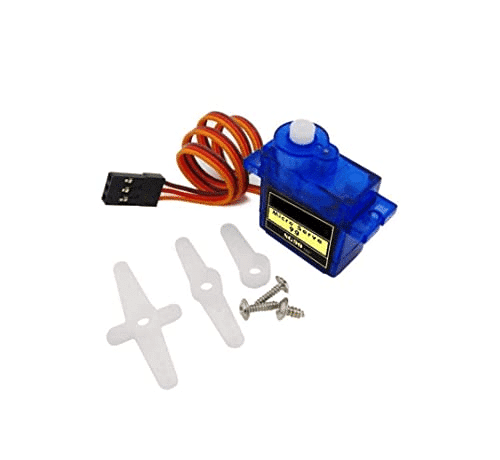
TowerPro SG90 180 Degree Rotation Servo Motor
Genuine TowerPro SG90 — the most widely used micro servo for Arduino and robotics projects. 9g, 1.8kg-cm at 6V.
Torque Analysis: 1.8 kg-cm vs 2.2 kg-cm
At 6V, the MG90S produces 2.2 kg-cm of stall torque versus 1.8 kg-cm for the SG90 — a 22% improvement. For a 9g servo, that is a meaningful difference. Here is what that torque means in practice:
- 1.8 kg-cm (SG90): Can lift approximately 18 grams at 10cm moment arm, or 36 grams at 5cm.
- 2.2 kg-cm (MG90S): Can lift approximately 22 grams at 10cm, or 44 grams at 5cm.
For a small robotic arm with 5–10 cm link lengths carrying 20–30g payloads, this difference is the margin between stalling and moving reliably. The MG90S is also significantly more tolerant of momentary overloads — since metal gears do not strip under brief torque spikes, you have a natural safety margin.
Keep in mind: “stall torque” is the force at zero speed. Actual operating torque under movement is lower. Always spec your servo with a 30–50% safety margin on torque for reliable operation.
Plastic vs Metal Gears: Real-World Impact
This is the most important difference between the two servos. Gear material affects:
Strip Resistance
Plastic (nylon) gears strip easily when the output shaft is stalled against a mechanical stop, subjected to sudden impacts, or overloaded. A single bad crash in an RC plane or a robotic arm that hits its mechanical endstop can destroy the SG90’s gear train completely. Metal gears in the MG90S survive the same events with no damage.
Backlash
Metal gears can be machined to tighter tolerances than plastic, resulting in less backlash (free play in the gear train). The MG90S typically shows 1–2° less backlash than the SG90, which matters for precision positioning tasks.
Wear Rate
Plastic gears wear faster than metal, especially when operated near stall torque regularly. In a deployment with 10,000+ actuation cycles (a school project robot arm that runs all day at a fair, for example), MG90S gears will outlast SG90 by a large margin.
Noise
Metal gears are slightly louder than plastic — a quiet whine versus the near-silent operation of nylon gears. In audio-sensitive environments, this can be a minor drawback of the MG90S.
Accuracy, Deadband, and Centering
Both servos use the same feedback potentiometer design, so their electronic accuracy is similar. The deadband (the minimum pulse width change the servo responds to) is typically 5–10 microseconds for both. This translates to approximately 0.5–1° of angular resolution.
However, the MG90S’s tighter gear tolerances mean its mechanical accuracy is slightly better. When commanded to return to 90°, the MG90S will typically return within 0.5° while the SG90 may vary by 1–2° due to gear backlash.
For most projects this difference is irrelevant. For precision pan-tilt camera systems or robotic surgery trainers, it can matter.
Weight and Size
The SG90 weighs 9g and the MG90S weighs 13.4g — a 49% weight increase. In absolute terms, 4.4 grams extra is tiny. However, in weight-critical applications like micro drones, indoor RC planes, or tiny wearable robots, every gram counts.
A quadcopter with 4 SG90 servos for tilt rotor control would weigh 36g just in servos. Swapping to MG90S adds 17.6g to the flying weight — potentially the difference between staying airborne and falling out of the sky with underpowered motors.
Physical dimensions are nearly identical, so mounting hardware (servo frames, horns, brackets) is interchangeable.
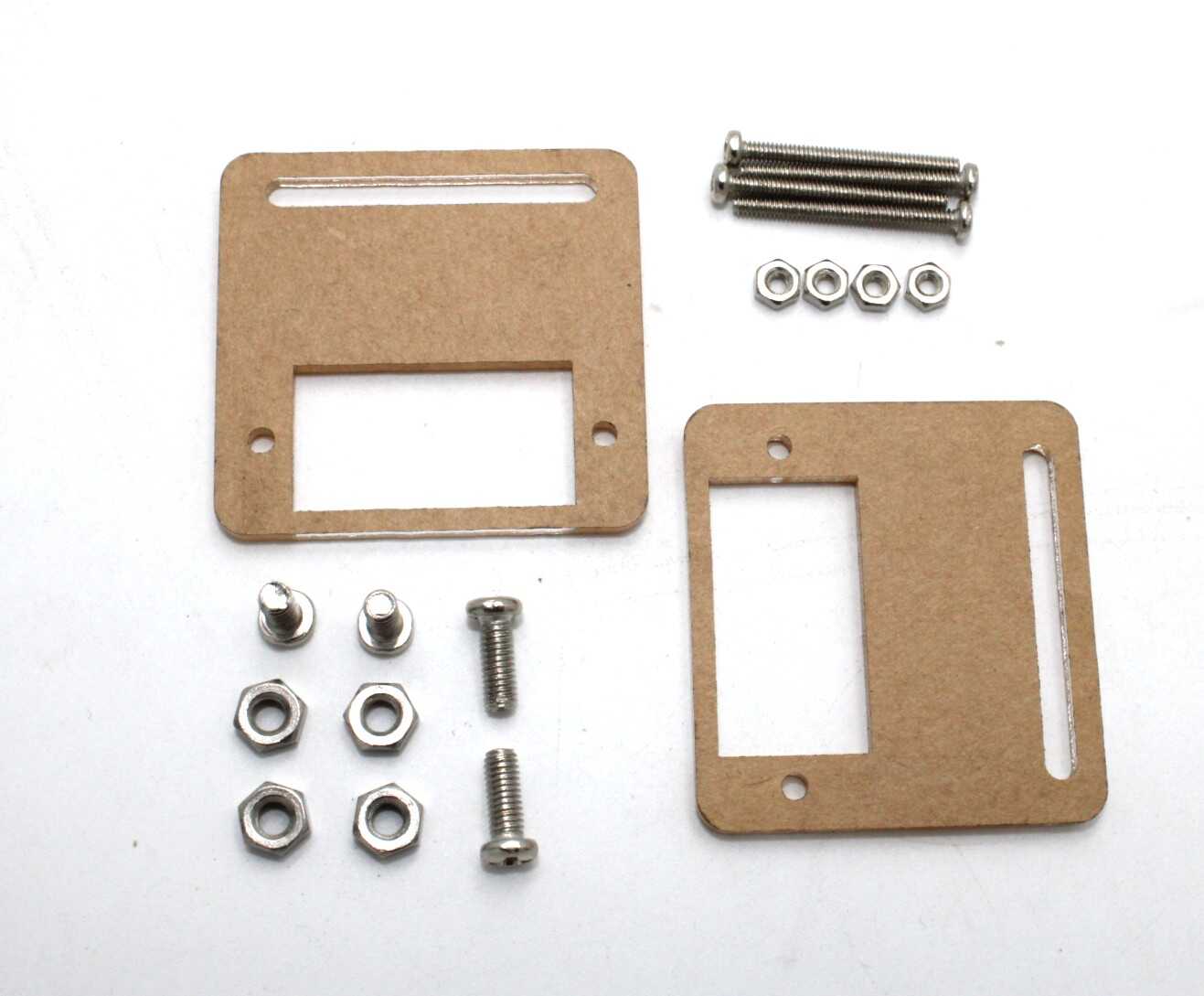
Servo Mount Holder Bracket For SG90/MG90 (Pack of 2)
Aluminium mounting brackets compatible with both SG90 and MG90S — ideal for pan-tilt systems and robotic joints.
Speed Comparison
At 6V, the MG90S is marginally faster: 0.08 sec/60° versus 0.10 sec/60° for the SG90. This is about 25% faster angular velocity. For camera gimbals or RC plane control surfaces where snappy response is important, the MG90S has a real edge.
At 4.8V the gap narrows (0.11 vs 0.12 sec/60°), so if you are running from a 5V Arduino pin-regulated supply, speed differences are minimal.
Durability and Lifespan
In our testing and community reports, the SG90’s primary failure mode is gear strip — typically triggered by:
- Hitting mechanical endstops while the servo is still powered
- RC plane crashes (impact on the control surface)
- Robotic arms where the arm weight creates continuous stall loading
- Overclocking (running above 6V)
The MG90S almost never fails due to gear strip. Its failure modes are motor winding burnout (from sustained stall current) and potentiometer wear (from millions of cycles), both of which take much longer to manifest than plastic gear failures.
In competitive robotics environments, combat robots, or any application with crash risk, always use MG90S or better.
Best Uses for Each Servo
SG90 — Best For:
- Learning and prototyping (first servo project, school projects)
- Applications where weight is critical (micro drones, indoor planes)
- Static displays (servo for a logo that rotates, clock hand mechanism)
- High-quantity builds where cost savings matter (10+ servos in a puppet)
- Temporary builds and demos that don’t need long-term reliability
MG90S — Best For:
- Robotic arms and grippers (moderate load, repeated actuation)
- RC planes, cars, boats (crash risk warrants metal gears)
- Pan-tilt camera mounts (continuous load, precision matters)
- Wearable robots and exoskeleton prototypes
- Competition robots and hackathons
- Any project that needs to run reliably for weeks or months
Project-Based Recommendation Guide
| Project | Recommended Servo | Reason |
|---|---|---|
| Arduino servo tutorial | SG90 | Cheapest way to learn |
| 3-DOF robotic arm | MG90S | Load on shoulder joint strips SG90 |
| RC plane (foam, 250g) | SG90 | Weight critical, low crash speed |
| RC car steering | MG90S | Impact loads on steering rack |
| Pan-tilt camera | MG90S | Continuous load, precision required |
| Puppet / animatronics | SG90 (qty) or MG90S (key joints) | Use MG90S for high-load joints only |
| Biped robot legs | MG90S (or MG996) | Body weight creates constant torque |
| Door lock mechanism | MG90S | Reliability and torque under load |
Buy SG90 and MG90S from Zbotic
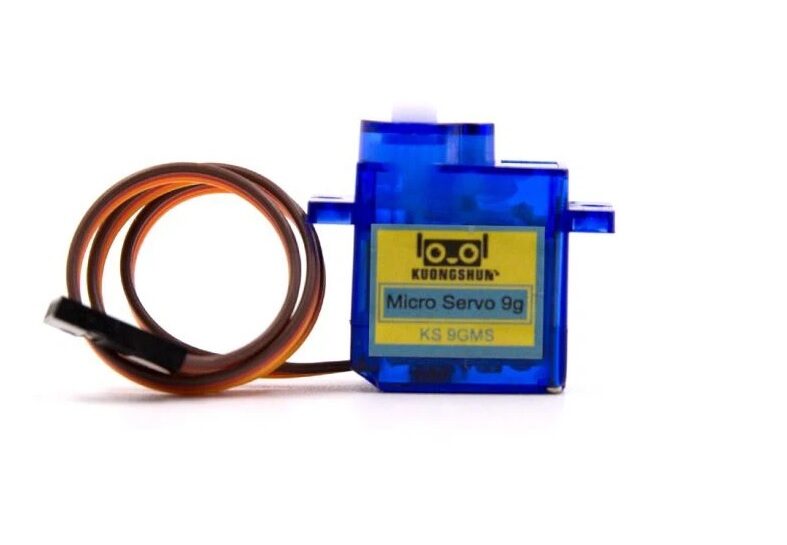
Servo SG90 9g 180 Degree
Budget-friendly 9g SG90 servo — perfect for learning, prototyping, and weight-sensitive builds.
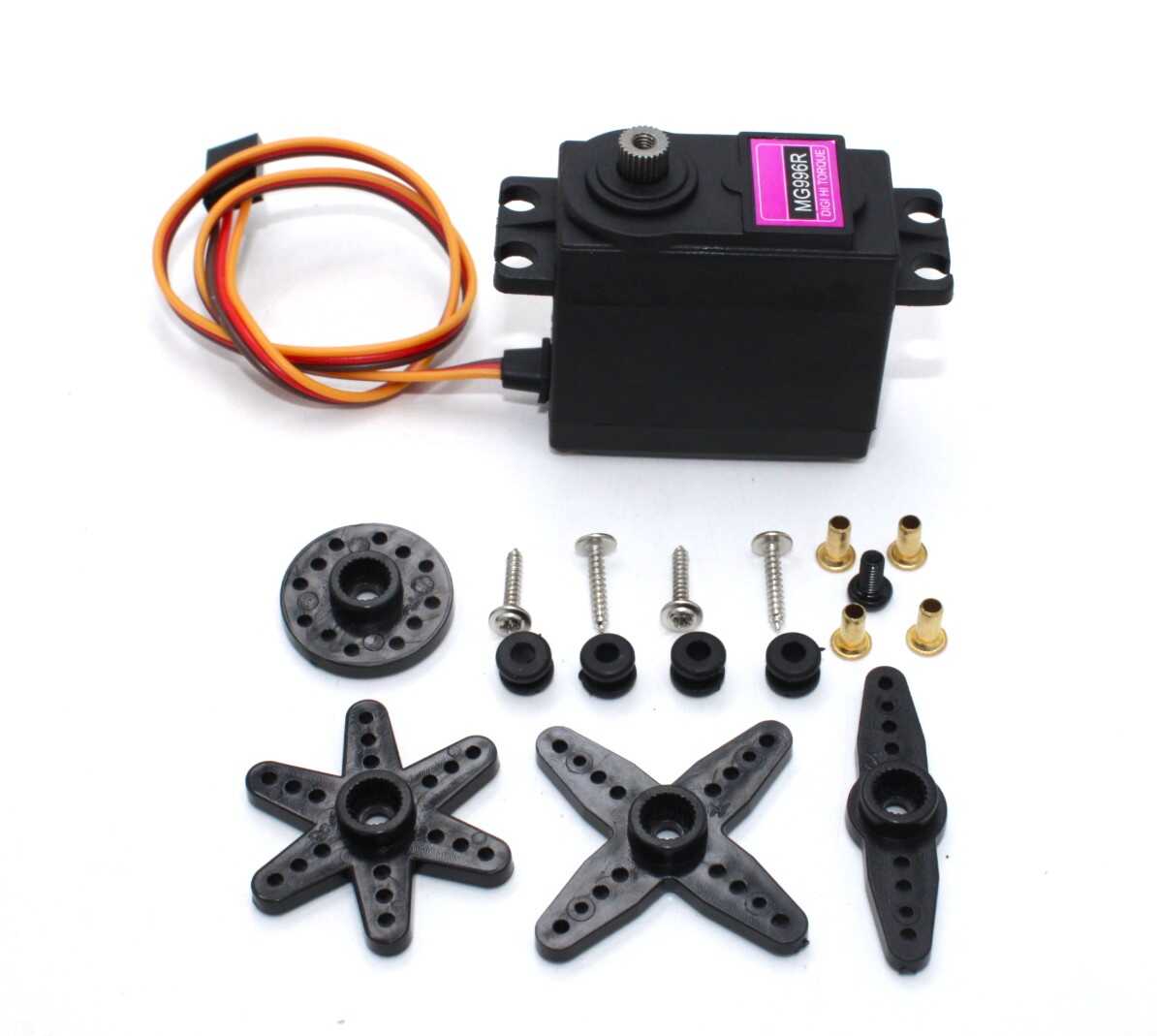
Servo MG996 13KG 180 Degree High Quality
When MG90S isn’t enough — upgrade to MG996 for 13kg-cm torque in the same servo form factor ecosystem.
Frequently Asked Questions
Is MG90S better than SG90?
In most applications, yes. The MG90S offers higher torque, more durable metal gears, and slightly better accuracy. The only scenarios where SG90 is preferable are weight-critical builds or very high quantities where cost is the primary constraint.
Can I use the same servo horn on both SG90 and MG90S?
Yes. The output shaft and horn interface is identical on both. Any servo horn or bracket that fits SG90 will also fit MG90S.
What voltage should I use for MG90S?
The MG90S operates on 4.8V–6V. Running at 5V from an Arduino power pin is fine for light loads, but for heavy-duty applications use a separate 5–6V servo power supply (not the Arduino 5V pin, which is limited to 800mA total).
How do I tell SG90 and MG90S apart?
The easiest way is weight: SG90 feels lighter (9g) and MG90S is noticeably heavier (13.4g). Looking through the servo case window, you can see metal gears in the MG90S. The model number is printed or stickered on the case.
Is MG90S waterproof?
No, neither SG90 nor MG90S are waterproof. For wet environments, use waterproof-rated servos specifically designed for marine or outdoor RC use.
Which servo should I use for a hexapod robot?
MG90S at minimum, and even then only for smaller hexapods (under 200g all-up). For hexapods carrying sensors, cameras, or batteries, step up to MG996 (13kg-cm) for leg joints.
Final Verdict
The SG90 vs MG90S decision is simple once you know the stakes of your project. For any build where reliability matters, loads are significant, or the servo will operate hundreds of times, spend the extra ₹50–₹80 and get the MG90S. The metal gears make it genuinely a different class of servo despite the identical form factor.
Use SG90 when you are learning, weight is critical, or you need many cheap servos for a budget display or educational project. Use MG90S for everything else. Both are available from Zbotic with fast India delivery.






Add comment