
Hover Games and FPV Racing Clubs India: Getting Started
India’s FPV drone racing scene has exploded over the last three years. From basement workshops in Bengaluru to open fields in Pune and makeshift courses in Hyderabad, FPV racing clubs in India are popping up everywhere — and for good reason. The thrill of piloting a quad at 120 km/h while watching a live video feed through goggles is unlike anything else in hobby electronics. If you’ve been searching for how to break into this world, this guide is for you.
Whether you’re a college student who just discovered FPV on YouTube or a seasoned RC enthusiast looking to go faster, this beginner’s guide covers everything: what FPV racing actually is, how to find clubs near you, what gear you need to start, and how to stay legal while flying in India.
- What Is FPV Racing? Understanding the Basics
- FPV Racing Clubs in India: Where to Find Your Community
- Hover Games and Organised Events in India
- Essential Gear for a FPV Racing Beginner
- Indian Drone Regulations: Flying Legal in 2024
- Training Tips: From Simulator to Real Flight
- Building Your First Racing Drone
- Cost Breakdown: What It Takes to Start in India
- Frequently Asked Questions
- Conclusion
1. What Is FPV Racing? Understanding the Basics
FPV stands for First-Person View. Instead of watching your drone from the ground, you see what the drone sees — in real time — through a camera mounted on the aircraft, transmitted wirelessly to goggles or a monitor on the ground. The result is an immersive flying experience that feels like you’re actually sitting inside the cockpit.
FPV racing takes this a step further. Multiple pilots fly purpose-built racing quads simultaneously through a marked course featuring gates, flags, and obstacles. Lap times are counted electronically using transponders, and the fastest pilot wins. Races are typically held in three formats:
- Time Trial / Practice: Solo flights where you try to beat your own lap time.
- Heads-Up Racing: Multiple drones on track simultaneously, direct elimination.
- League Racing: Points-based competitions across multiple rounds, like a sports season.
The drones used for racing — often called quads or miniquads — are typically 3-inch to 5-inch builds. They are incredibly fast, hyper-responsive, and purpose-built for speed over everything else. They are NOT the same as the camera drones you see at weddings.
2. FPV Racing Clubs in India: Where to Find Your Community
Finding fellow enthusiasts is the single most important step when starting out. Flying alone without guidance is frustrating, dangerous, and much less fun. Here’s how to connect with the Indian FPV community:
Major Cities with Active FPV Scenes
Bengaluru: The tech capital has one of India’s most active drone communities. Groups regularly meet on weekends at open grounds in areas like Hebbal, Whitefield, and Kengeri. Check Facebook groups like “Bangalore FPV Pilots” and “Drone Racing Bangalore”.
Pune: Home to several engineering colleges, Pune has a strong maker and drone culture. MAHE, Symbiosis, and COEP students have organised informal racing sessions. The outskirts of Pune (Lavasa region, Pirangut) offer excellent open flying areas.
Hyderabad: The drone industry is particularly strong here given the manufacturing presence. DRDO proximity has also cultivated a knowledgeable community. Look for “Hyderabad Drone Pilots” on Telegram and WhatsApp.
Mumbai/Thane: Space is the challenge, but the community is resilient. Indoor events at large warehouse venues have become popular. Thane creek area and Boisar have been used for outdoor racing.
Delhi/NCR: The Yamuna floodplains and various model aircraft clubs near Safdarjung have hosted events. The Aeromodelling Club at IIT Delhi is a good entry point.
Online Communities You Must Join
- RCDesign.in Forum: India’s oldest RC hobbyist forum, with dedicated FPV sections.
- Facebook Groups: Search “FPV India”, “Drone Racing India”, or your city name + FPV.
- Telegram Channels: Many city-level groups operate on Telegram for quick coordination.
- Discord: Some clubs maintain Discord servers for build support and event updates.
3. Hover Games and Organised Events in India
“Hover Games” has become something of a generic term in India for organised drone flying events, borrowing from both competitive racing and informal gathering culture. Here’s what to expect:
The Drone Racing League India (DRL India) Influence
The global Drone Racing League (DRL) has inspired many Indian promoters to organise similar events. While a full DRL-calibre event hasn’t been permanently established in India yet, several one-off competitions have been held — notably at tech fests in IITs and NITs.
Aeromodelling Clubs and Their Role
Many FPV events piggyback off established aeromodelling clubs. These clubs often have existing airspace permissions, infrastructure, and organisational experience. Joining an aeromodelling club (even if your primary interest is FPV) gives you immediate access to legal flying space, mentors, and event infrastructure.
College Tech Fests
Events like Shaastra (IIT Madras), Techfest (IIT Bombay), and Kshitij (IIT Kharagpur) regularly feature drone racing as a competition category. These are fantastic entry points — the events are well-structured, and winning at a national tech fest looks excellent on a resume.
Corporate and Sponsored Events
Companies like DJI, Foxeer, and domestic distributors occasionally sponsor racing events. Keep an eye on social media and drone hobby shops (like Zbotic.in) for announcements of such events.

35A V2.1 2-5S 4-in-1 Brushless ESC for RC Drone FPV Racing
A compact all-in-one ESC stack perfect for racing builds. Handles 2S–5S battery packs with 35A continuous current per motor.
View on Zbotic4. Essential Gear for a FPV Racing Beginner
Let’s be honest — FPV is not the cheapest hobby. But it doesn’t have to break the bank either, especially in India where you can source parts smartly. Here’s what you need to get started:
The Drone (Quad)
For beginners, there are two routes:
- Bind-and-Fly (BNF): Pre-built drones that just need a receiver bound to your transmitter. Easier but more expensive.
- Build Your Own: More effort, more learning, but cheaper and more rewarding. We recommend this path.
For a first build, a 5-inch freestyle/racing quad is the standard. Budget around ₹8,000–₹15,000 for parts (frame, motors, ESC, FC, camera, VTX).
FPV Goggles
Goggles are the most important part of the FPV experience. Options range from budget box goggles (₹2,500–₹5,000) to premium fat-shark style goggles (₹12,000–₹25,000). For beginners, the Eachine EV800D or Skyzone SKY02C are popular choices in India.
Radio Transmitter (Controller)
A proper FPV transmitter with at least 6 channels is essential. The RadioMaster TX16S and Radiomaster Boxer are extremely popular in India for their open-source EdgeTX firmware and reliability. Budget ₹5,000–₹12,000.
Battery and Charger
LiPo batteries are the power source. For a 5-inch quad, you’ll want 4S or 6S LiPo packs. Get at least 3-4 batteries so you have continuous flight sessions. A proper balance charger is non-negotiable for safety.
FPV Camera and Video Transmitter
The analog FPV camera + VTX combo is still popular for racing because of its ultra-low latency. The digital systems (DJI O3, HDZero) are superior in quality but cost more. Beginners should start with analog.

1/3″ CMOS 700TVL Mini FPV Camera 2.1mm Lens PAL/NTSC
A compact, affordable analog FPV camera ideal for beginners. Supports both PAL and NTSC formats, fits standard 20mm and 30mm mounts.
View on Zbotic5. Indian Drone Regulations: Flying Legal in 2024
India’s drone regulations have evolved significantly since the Ministry of Civil Aviation (MoCA) and DGCA overhauled the framework in 2021. Here’s what every FPV pilot in India must know:
Drone Categories
Drones are categorized by weight in India:
- Nano: Up to 250g — minimal restrictions, no registration required.
- Micro: 250g to 2 kg — registration required, green zone flying allowed.
- Small: 2 kg to 25 kg — RPAS operator permit required.
Most FPV racing quads fall in the Nano or Micro category. A typical 5-inch quad weighs 300–500g, so it falls in Micro.
The Digital Sky Platform
Registration is done via the Digital Sky platform (digitalsky.dgca.gov.in). You’ll need to register your drone, get a Unique Identification Number (UIN), and optionally get an RPAS Operator Permit (ROP).
Green, Yellow, and Red Zones
India uses a colour-coded airspace map. Most open fields away from airports, defence areas, and government buildings are green zones where flying is permitted without permission. Always check the Digital Sky app before flying.
Line of Sight Rule
FPV racing is technically flying Beyond Visual Line of Sight (BVLOS) since you’re looking through goggles. Current Indian law requires a spotter (a second person who maintains visual line of sight while you’re on goggles). Always have a spotter when racing.
6. Training Tips: From Simulator to Real Flight
Don’t fly real hardware until you’ve put in simulator hours. This is not optional advice — it will save you thousands of rupees in crash repairs and make you a much better pilot faster.
Best FPV Simulators for Indian Beginners
- Velocidrone: The gold standard for racing practice. Very realistic physics. ~₹900 on Steam.
- Liftoff: Good for freestyle and racing. Prettier graphics. ~₹900 on Steam.
- Uncrashed: Excellent beginner-friendly physics. ~₹600.
- Orqa FPV.SkyDive: Free to download, surprisingly good physics.
Simulator Training Plan
Dedicate at least 20 hours to the simulator before touching a real quad. Focus on:
- Hovering in acro mode (no self-leveling)
- Basic turns and figure-8s
- Gate passes
- Split-S and power loops
- Full racing tracks
7. Building Your First Racing Drone
Once you’ve logged simulator hours, it’s time to build. A first racing quad doesn’t need to be fast — it needs to be cheap to crash (and you WILL crash). Here’s a basic 5-inch build checklist:
Components List
- Frame: A 5-inch True-X or stretched-X carbon frame (₹800–₹2,000)
- Motors: 4x 2306 or 2207 motors in 2400–2650 KV range
- ESC: 4-in-1 35A ESC stack (simplifies wiring enormously)
- Flight Controller: F4 or F7 FC running Betaflight
- FPV Camera: Budget analog camera like the 700TVL CMOS unit
- VTX: 200–600mW video transmitter
- Receiver: ELRS or FrSky matching your transmitter
- Propellers: 5045 or 5148 props (have spares — you’ll break them)
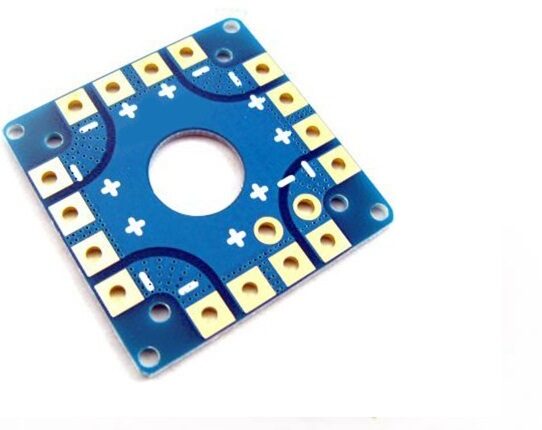
100A Multirotor ESC Power Distribution Battery Board For Quadcopter
A reliable power distribution board that cleanly routes battery power to all 4 ESCs. Supports up to 100A continuous, ideal for high-performance racing builds.
View on Zbotic8. Cost Breakdown: What It Takes to Start in India
Let’s put real rupee numbers on this hobby for an Indian beginner:
| Item | Approximate Cost (INR) |
|---|---|
| 5-inch FPV Racing Quad (self-build parts) | ₹10,000 – ₹15,000 |
| FPV Goggles (budget) | ₹3,000 – ₹6,000 |
| Radio Transmitter | ₹5,000 – ₹10,000 |
| LiPo Batteries (3 packs) + Charger | ₹4,000 – ₹7,000 |
| Simulator (Steam purchase) | ₹600 – ₹900 |
| Miscellaneous (tools, solder, props, tape) | ₹1,500 – ₹3,000 |
| Total Starter Investment | ₹24,000 – ₹42,000 |
This is a one-time investment. Ongoing costs are mainly batteries and replacement props — maybe ₹1,500–₹3,000 per month for an active flier.
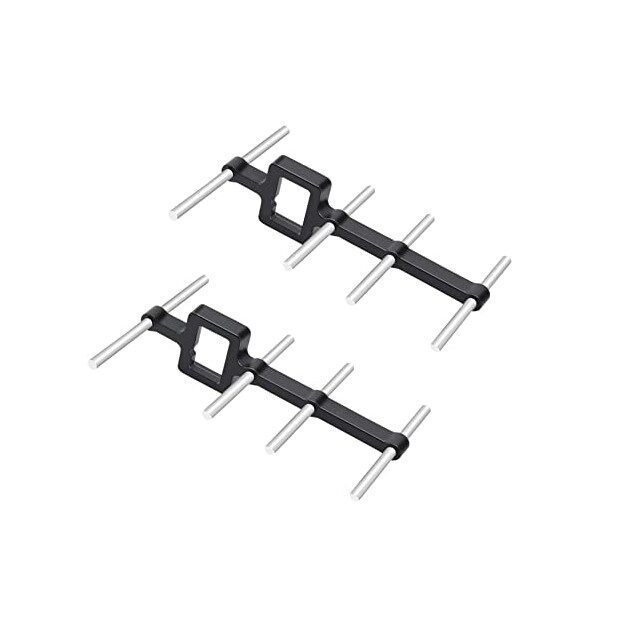
2.4GHz Yagi-UDA Drone Signal Booster
Extend your transmitter’s effective range at racing events with this directional Yagi antenna. Dramatically improves signal strength and link quality at distance.
View on ZboticFrequently Asked Questions
Is FPV drone racing legal in India?
Yes, with the right registration. Drones in the Nano category (<250g) need no registration. Micro drones (250g–2kg) need UIN registration on the Digital Sky platform. Always fly in Green Zones and have a spotter when using FPV goggles.
Do I need a licence to fly FPV in India?
For Nano and Micro drones flown within visual line of sight (with a spotter), no pilot licence is required. A Remote Pilot Licence (RPL) is required only for drones above 2 kg or for commercial BVLOS operations.
Where can I find FPV clubs in my city?
Search Facebook for “[Your City] FPV”, “[Your City] Drone Racing”, or check RCDesign.in forums. Telegram is also widely used — try searching drone/FPV groups for your city.
What age do I need to be to join a racing club?
Most clubs accept members from age 14 onwards, often with parental consent for minors. There is no official minimum age in Indian drone regulations, but responsible clubs set their own guidelines.
How long does it take to become a competitive FPV racer?
With consistent simulator practice (20–50 hours) and regular real flying sessions, most beginners can participate in club-level races within 3–6 months. Reaching competitive national-level standard typically takes 1–2 years of dedicated practice.
Conclusion
India’s FPV racing community is young, passionate, and growing fast. The barriers to entry have never been lower — components are more affordable than ever, simulators let you practice risk-free, and a growing network of clubs means you’ll rarely have to fly alone. The key is to take it step by step: spend time on the simulator, join online communities before you build, and get your registration sorted before your first outdoor flight.
The Indian FPV scene needs more pilots, more builders, and more organisers. Whether you just want to enjoy the thrill of first-person flight or have your eyes on competing at the national level, there has never been a better time to get started.
Ready to Build Your First FPV Racing Drone?
Zbotic.in stocks all the components you need — from ESCs and flight controllers to FPV cameras and propellers, sourced and delivered across India.
Shop FPV Components at Zbotic


Add comment