
Indoor air quality is a serious health concern, and formaldehyde sensor HCHO indoor air pollution monitoring has become increasingly accessible thanks to affordable electrochemical sensors and microcontrollers. Formaldehyde (HCHO) off-gasses from plywood, MDF furniture, carpets, paints, and adhesives — and at concentrations above 0.1 ppm it causes eye irritation, headaches, and long-term respiratory issues. In this guide we cover how to select, wire, and program a formaldehyde sensor to build a real-time HCHO monitor for homes, offices, and factories.
What Is Formaldehyde and Why Monitor It?
Formaldehyde is a colorless, flammable gas with a pungent odor. At room temperature it is emitted from a surprisingly large number of household products: laminate flooring, particle board furniture, wall paints, fabric softeners, and even some candles. New homes and recently renovated offices can have HCHO levels 5 to 10 times higher than the WHO guideline of 0.1 mg/m³ (roughly 0.08 ppm).
Short-term exposure at 0.1–0.5 ppm causes eye and nose irritation. Chronic exposure above 1 ppm is classified as a Group 1 carcinogen by the International Agency for Research on Cancer (IARC). In Indian cities, where cross-ventilation is limited in apartments and furniture is often manufactured with urea-formaldehyde resins, indoor HCHO monitoring is particularly important.
Types of HCHO Sensors
Three technologies are commonly used for low-cost HCHO sensing:
1. Metal Oxide Semiconductor (MOS) Sensors
The MQ-138 and similar MOS sensors detect volatile organic compounds including formaldehyde, but they also respond to alcohol, acetone, and benzene. This cross-sensitivity makes them useful for general VOC monitoring but not for precise HCHO-only readings.
2. Electrochemical Sensors
Sensors like the DART sensor or Winsen ZE08-CH2O use an electrochemical cell that is selective for formaldehyde. They output a calibrated analog voltage or UART data representing ppm concentration. These are more accurate but cost more.
3. Photoionization Detectors (PID)
PIDs detect a very wide range of VOCs at ppb resolution. They are expensive (typically above ₹15,000) and are mainly used in industrial safety equipment.
For most DIY projects and home monitoring, the Winsen ZE08-CH2O (UART output, 0–5 ppm range, electrochemical) or the FS-HCHO electrochemical sensor are the best balance of accuracy and price.
Safe Formaldehyde Levels and WHO Limits
| HCHO Level (ppm) | Health Effect | Action |
|---|---|---|
| < 0.08 | Safe (WHO guideline) | None needed |
| 0.08 – 0.1 | Approaching threshold | Increase ventilation |
| 0.1 – 0.5 | Eye/nose irritation | Open windows, use air purifier |
| 0.5 – 1.0 | Headache, burning eyes | Evacuate, ventilate thoroughly |
| > 1.0 | Respiratory distress | Immediate action, medical attention |
Hardware Setup with Arduino
This tutorial uses the Winsen ZE08-CH2O sensor with UART serial output. It operates at 3.3 V or 5 V and communicates at 9600 baud. The sensor module is typically 42 × 32 × 19 mm and includes its own pump-driven gas channel.
Connections to Arduino Uno (using SoftwareSerial):
- Sensor VCC → Arduino 5V
- Sensor GND → Arduino GND
- Sensor TX → Arduino D10 (SoftwareSerial RX)
- Sensor RX → Arduino D11 (SoftwareSerial TX) — optional for active mode switching
Warm-up time: allow 3 minutes for the electrochemical sensor to stabilize before taking readings. In Q&A mode (sending a query command), the sensor returns a 9-byte packet on each request.
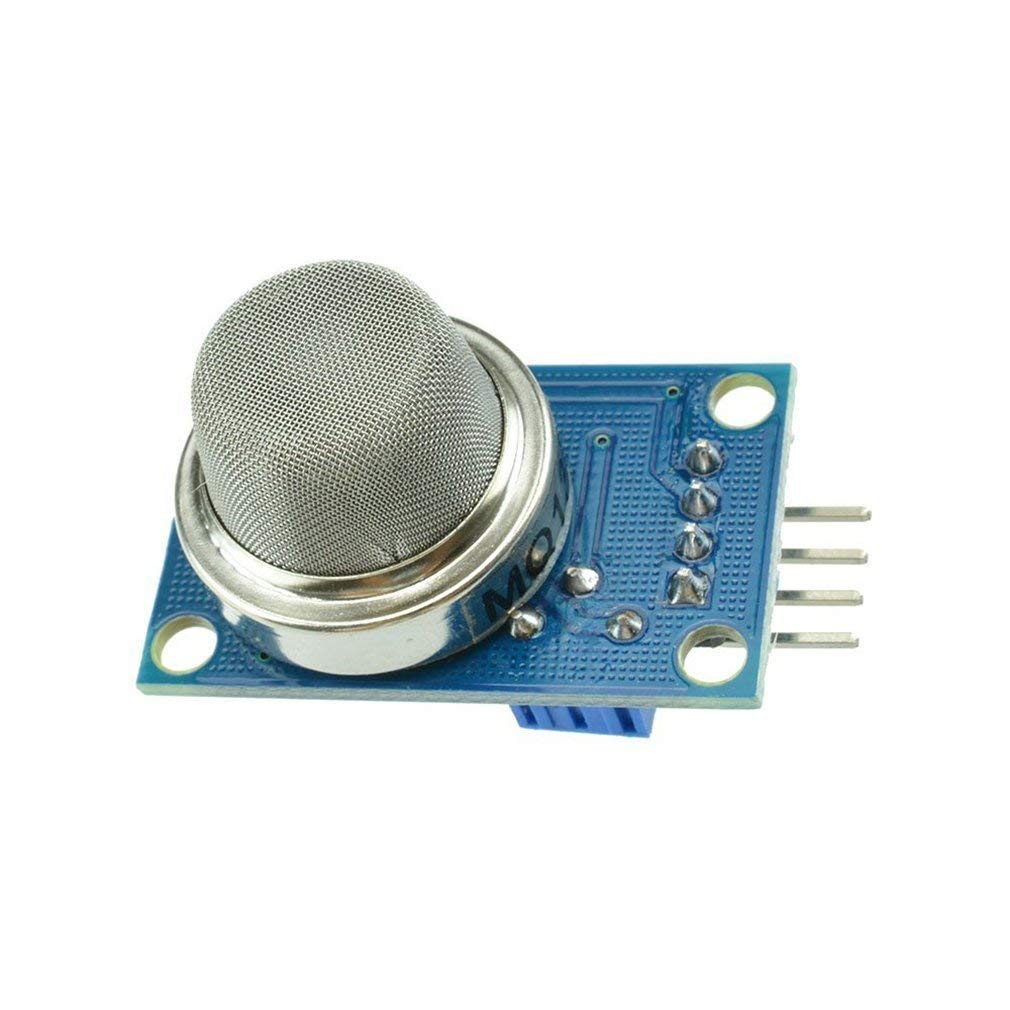
MQ-135 Air Quality/Gas Detector Sensor Module
Detect a wide range of harmful gases including NH3, NOx, and benzene alongside formaldehyde for a comprehensive indoor air quality monitor.
Arduino Code for HCHO Reading
#include <SoftwareSerial.h>

SoftwareSerial hchoSerial(10, 11); // RX, TX

byte queryCmd[] = {0xFF, 0x01, 0x86, 0x00, 0x00, 0x00, 0x00, 0x00, 0x79};

void setup() {
  Serial.begin(9600);
  hchoSerial.begin(9600);
  delay(180000); // 3-minute warm-up
}

float readHCHO() {
  hchoSerial.write(queryCmd, 9);
  delay(100);
  if (hchoSerial.available() < 9) return -1;
  byte response[9];
  hchoSerial.readBytes(response, 9);
  if (response[0] != 0xFF || response[1] != 0x86) return -1;
  int rawValue = (response[2] << 8) | response[3];
  return rawValue / 1000.0; // convert to ppm
}

void loop() {
  float hcho = readHCHO();
  if (hcho >= 0) {
    Serial.print("HCHO: ");
    Serial.print(hcho, 3);
    Serial.println(" ppm");
  } else {
    Serial.println("Sensor error or warming up");
  }
  delay(5000);
}
Adding Alerts and Ventilation Control
Once you have reliable readings, you can add automatic responses. Connect a buzzer to pin D7 for an audible alert above 0.1 ppm. For ventilation control, use a 5 V relay module to switch an exhaust fan ON when HCHO exceeds the threshold and OFF when it drops below 0.07 ppm (hysteresis).
For a wireless version, replace the Arduino with an ESP32 and send HCHO readings to a Telegram bot or display them on a web dashboard. The ESP32’s dual-core architecture handles serial sensor reading and Wi-Fi simultaneously without any noticeable latency.
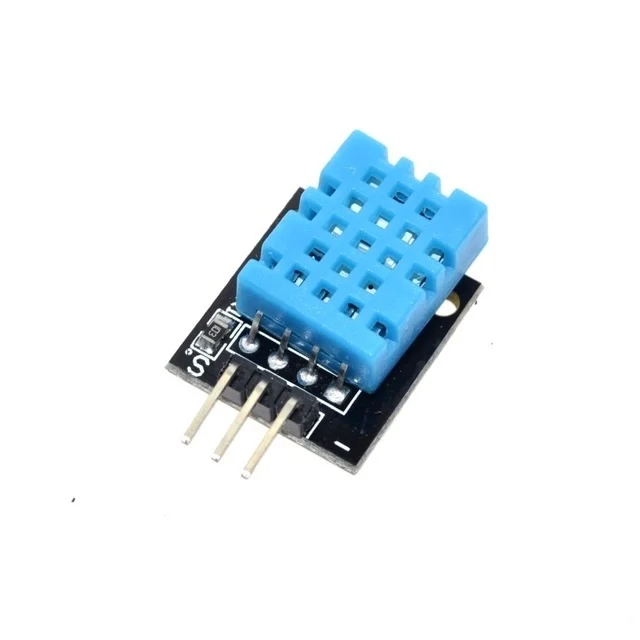
DHT11 Digital Relative Humidity and Temperature Sensor Module
Humidity and temperature correlate strongly with HCHO off-gassing rates. Logging both gives a more complete picture of indoor air quality.
How to Reduce Indoor Formaldehyde
Monitoring is only useful if you act on the data. Here are proven methods to reduce indoor HCHO levels:
- Increase ventilation: Open windows for at least 30 minutes every morning. Cross-ventilation is most effective.
- Use low-VOC products: Choose furniture with E0 or E1 formaldehyde emission ratings. Avoid uncoated particle board in closed spaces.
- Activated carbon air purifiers: HEPA + activated carbon filters capture formaldehyde molecules. Replace carbon filters every 6 months.
- Indoor plants: Spider plants, peace lilies, and Boston ferns absorb some VOCs, though their effect at typical indoor concentrations is modest.
- Seal surfaces: Coat unfinished particle board with polyurethane or latex paint to slow HCHO off-gassing.
- Temperature management: Higher room temperature accelerates off-gassing. Keeping rooms below 26°C reduces HCHO emission rates significantly.
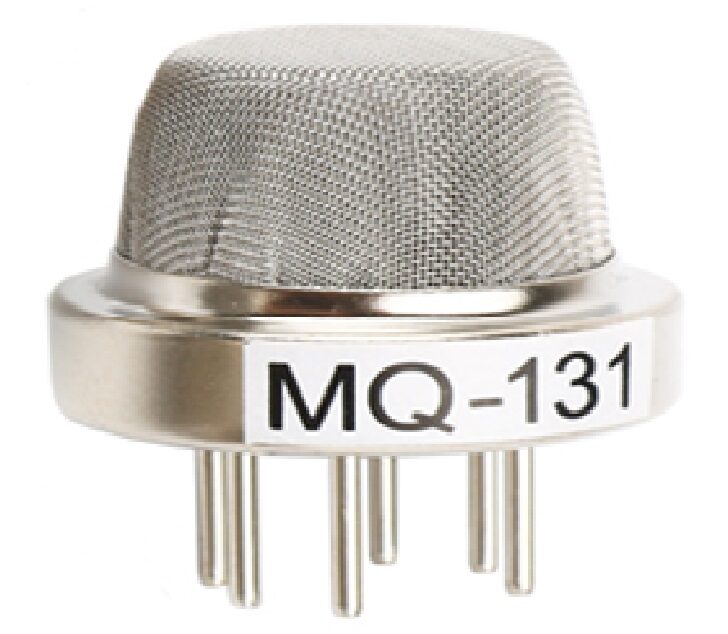
MQ-131 Ozone Gas Detection Sensor
Some air purifiers generate ozone to oxidize formaldehyde — use the MQ-131 to ensure ozone levels stay within safe limits alongside your HCHO monitor.
Frequently Asked Questions
Q: How accurate are low-cost formaldehyde sensors?
Electrochemical sensors like the ZE08-CH2O have ±10% accuracy within their calibrated range (0–5 ppm). MOS sensors are less accurate but useful for trend monitoring. For regulatory compliance you need a certified reference instrument, but DIY sensors are excellent for personal awareness and alerting.
Q: How long does a formaldehyde sensor last?
Electrochemical sensors typically last 2 years in normal use. The electrolyte gradually depletes. MOS sensors last much longer (5+ years) but require periodic re-calibration because their baseline resistance drifts over time.
Q: Does the MQ-135 detect formaldehyde?
The MQ-135 is sensitive to NH3, benzene, and some VOCs including formaldehyde, but its cross-sensitivity means it cannot distinguish between these gases. Use it for general air quality alarms, not precise HCHO measurement.
Q: Can I put the sensor in a closed box?
No — electrochemical HCHO sensors need ambient air flow to respond quickly. Mount the sensor in an open enclosure with ventilation holes, or use a small fan to draw room air across the sensor element.
Q: Is formaldehyde worse in summer?
Yes. Higher temperatures and humidity significantly increase HCHO off-gassing from wood-based furniture and glues. Monitoring during the Indian summer months (April–June) when rooms are often closed for air conditioning is especially important.
Build Your Own Indoor Air Quality Monitor
Shop gas sensors, temperature modules, and Arduino-compatible components at Zbotic.in. Fast delivery across India and expert support for your DIY projects.







Add comment