
Fast Charging Protocols: QC 3.0 vs USB-PD vs VOOC Explained
If you’ve ever shopped for a charger or phone in India and seen claims like “QC 3.0 charging”, “65W PD”, or “33W VOOC” and wondered what any of it actually means, you’re in the right place. Fast charging protocols — QC 3.0, USB Power Delivery (PD), and VOOC — are the technologies that allow your devices to charge dramatically faster than the standard 5V/0.5A used a decade ago. Understanding how these protocols work is essential not just for buying the right charger, but for designing electronics projects, building DIY power banks, and choosing the right charging modules for your maker builds. Let’s break down all three in detail.
Why Standard Charging Is Too Slow
The original USB specification (USB 2.0) limited charging to 5V at 500 mA — just 2.5 watts. For a 3000 mAh smartphone battery, this meant 4–6 hours of charging time. As batteries got larger (some flagship phones now pack 5000–6000 mAh) and as users demanded overnight charges to be eliminated, the industry needed to push more power safely through the same connectors.
The fundamental equation of charging power is: P = V × I (Power = Voltage × Current). To increase power (and thus charging speed), you can increase voltage, increase current, or both. Each approach has trade-offs, and different fast charging protocols take different approaches.
Higher current means thicker cables and more heat in connectors. Higher voltage means efficiency gains in the cable but more conversion work in the device. Most fast charging standards negotiate the optimal voltage and current dynamically between the charger and device.
Qualcomm Quick Charge (QC 3.0 and Beyond)
Qualcomm Quick Charge was one of the first widely adopted fast charging protocols. It’s built into Qualcomm Snapdragon SoCs and supported by a large number of Android devices using these chips — which includes most mid-range and flagship Android phones sold in India from brands like Xiaomi, Realme, OnePlus, Samsung (some models), and Motorola.
How QC works: Instead of the fixed 5V of standard USB, QC uses the USB D+/D- pins to negotiate a higher voltage between the charger and device. The device tells the charger what voltage it needs, and the charger adjusts accordingly.
QC version timeline:
- QC 1.0: 5V/2A = 10W. Simple current increase. Backward compatible.
- QC 2.0: Up to 12V/1.67A = 18W. Introduced high-voltage modes (5V, 9V, 12V).
- QC 3.0: Up to 18W. Introduced INOV (Intelligent Negotiation for Optimum Voltage) — voltage adjusts in 200mV steps from 3.6V to 20V. More efficient, less heat than QC 2.0.
- QC 4.0/4+: Up to 100W. Compatible with USB-PD. Added dual-charge paths to directly charge the battery, bypassing the PMIC for less heat.
- QC 5: Up to 100W+. Multiport, even more efficient, charges a 4500 mAh battery from 0–50% in 5 minutes.
Key facts about QC 3.0 (still the most common version in India):
- Maximum power: 18W (practical real-world charging)
- Voltage range: 3.6V to 20V in 200mV steps
- Backward compatible: QC 3.0 charger works with QC 2.0 devices, and vice versa (at lower speeds)
- Requires: Qualcomm-certified charger + Snapdragon device with QC support
- Heat: Less than QC 2.0 due to optimal voltage selection
A QC 3.0 charger is what you typically see bundled with Redmi, Realme, and mid-range Snapdragon phones in India. The 18W QC 3.0 adapter charges a 4000 mAh phone from 0–50% in about 30 minutes.
USB Power Delivery (PD): The Universal Standard
USB Power Delivery is the charging standard developed by the USB Implementers Forum (USB-IF) — the same body that defines the USB specification itself. Unlike QC which is proprietary to Qualcomm, USB-PD is an open standard that any manufacturer can implement. This makes it the most widely supported fast charging protocol across different brands and device categories.
How USB-PD works: PD uses the CC (Configuration Channel) pins on USB-C connectors to negotiate power. The charger and device exchange Power Data Objects (PDOs) specifying what voltages and currents they can supply or accept. They agree on the optimal combination.
USB-PD specifications:
- PD 2.0/3.0: Up to 100W (20V/5A). Supports 5V, 9V, 15V, and 20V profiles.
- PD 3.1: Up to 240W (48V/5A). New Extended Power Range (EPR) for laptops and monitors.
- Requires USB-C connector (cannot be used with Micro-USB or Lightning)
- Works over USB 2.0 to USB4 cable speeds — power delivery is independent of data speed
Why USB-PD matters for Indian makers:
- A single 65W PD charger can charge your laptop, iPad, smartphone, and wireless earphones — one charger for everything.
- Apple MacBooks, iPads, iPhones 8 and later, Google Pixel, Samsung Galaxy S21+, Nintendo Switch — all use USB-PD.
- GaN (Gallium Nitride) chargers are almost always USB-PD compatible, enabling 65W–140W in a compact adapter.
- For maker projects, USB-PD triggers (small ICs or breakout boards) can request specific voltages from a PD charger — 9V, 12V, 15V, or 20V — without a Qualcomm chip.
PD trigger boards for makers: An important concept for DIY electronics is the USB-PD trigger board. This tiny PCB plugs into a USB-C PD charger and negotiates a specific voltage output (typically 9V, 12V, 15V, or 20V), which is then available on output terminals. This lets you use a compact PD wall charger as a lab power supply or to power 12V LED strips, fans, and other loads from a single adapter.
VOOC, Dash, and Warp: Proprietary Fast Charging
While QC and USB-PD work by increasing voltage (and keeping current moderate to reduce cable heating), OPPO’s VOOC technology takes the opposite approach: it keeps voltage low (5V) and pushes extremely high current instead (4A, 6.5A, or even higher in newer versions). This approach pushes the heat generation into the charger adapter rather than the device or battery, keeping the phone cooler during charging.
VOOC ecosystem:
- VOOC (original): 5V/4A = 20W. Used in OPPO, Realme phones.
- VOOC 4.0 / Flash Charge: 5V/6A = 30W.
- SuperVOOC: 10V/6.5A = 65W (dual-battery architecture).
- Dash Charge: OnePlus’s 5V/4A = 20W (same as VOOC, licensed from OPPO).
- Warp Charge 30/65: OnePlus’s 30W and 65W variants.
- Huawei SuperCharge: 10V/4A = 40W (proprietary, not compatible with QC or PD).
Key limitation: These proprietary protocols only work between the brand’s own charger and compatible device. A VOOC charger will NOT fast-charge a Xiaomi phone, and a QC charger will NOT VOOC-charge an OPPO phone. Using the wrong charger triggers a fallback to standard 5V/2A (10W) charging.
Cable requirements: VOOC requires proprietary cables with additional data pins for protocol negotiation and to carry high current. Using a standard cable with a VOOC charger will limit charging to standard speeds — this trips up many Indian users who replace lost cables with generic ones.
Side-by-Side Comparison Table
| Feature | QC 3.0 | USB-PD 3.0 | VOOC/Dash |
|---|---|---|---|
| Developer | Qualcomm | USB-IF (open standard) | OPPO/OnePlus |
| Max Power | 18W | 100W (240W with PD 3.1) | 20W–65W+ |
| Voltage Range | 3.6V–20V (INOV) | 5V, 9V, 15V, 20V | 5V–10V (low-V strategy) |
| Connector | USB-A or USB-C | USB-C only | Micro-USB or USB-C (proprietary) |
| Cross-brand? | Yes (QC devices) | Yes (all PD devices) | No (own brand only) |
| Cable needed | Standard USB | USB-C (rated 5A for >60W) | Proprietary cable required |
| Heat in device | Moderate | Low–moderate | Low (heat stays in charger) |
| Indian phones | Xiaomi, Realme, Motorola | Apple, Samsung, Google | OPPO, Realme, OnePlus |
| Maker-friendly? | Moderate | Excellent (PD trigger boards) | Poor (proprietary) |
Fast Charging for Electronics Makers and Hobbyists
For the electronics maker community, USB-PD is by far the most useful fast charging technology. Here’s why it matters for your projects:
Multiple voltage outputs from one charger: A USB-PD charger with a PD trigger board can provide 5V, 9V, 12V, or 20V on demand. This makes it a versatile variable power supply for your workbench — particularly useful for powering 12V LED strips, Raspberry Pi, routers during development, or motor driver boards during testing.
Powering 3D printers and Raspberry Pi: Raspberry Pi 4 and Pi 5 specifically require USB-C PD power. The Pi 5 official adapter is a 27W PD charger. Similarly, many modern 3D printer controllers accept 24V PD input.
Charging LiPo packs: Intelligent ISDT chargers (popular in the drone community) accept wide DC input ranges. A 65W USB-PD charger set to 20V output can power an ISDT charger for fast LiPo pack charging in the field — eliminating the need to carry a heavy lead-acid battery as input power.
QC chargers with TP4056: Standard TP4056-based charging modules for 18650 cells accept 5V input — standard QC chargers (which always support 5V as well) work perfectly fine for this. QC fast charging is not relevant for single-cell charging at 1A max.
Which Protocol Should You Choose?
For daily phone charging in India:
Check what SoC your phone uses. Snapdragon? Get a QC 3.0 charger. MediaTek? Check if it supports QC or PD. OPPO/Realme/OnePlus? Use the bundled charger for fastest speeds. iPhone or Google Pixel? USB-PD is what you need.
For a universal travel charger:
Get a 65W GaN USB-C charger that supports both USB-PD and QC 3.0. These cover 95% of devices. Check that it’s BIS-approved for India’s 230V/50Hz power grid.
For maker projects:
Invest in USB-PD. Buy a 65W PD charger and a set of USB-PD trigger boards for different voltages. This gives you a compact, flexible power supply for the workbench.
For drone/RC batteries:
Focus on input power to your charger, not the charging protocol for the LiPo pack itself. LiPo packs use proprietary balance charging protocols (not QC/PD). USB-PD helps by powering your smart charger from a compact wall adapter.
Recommended Products from Zbotic
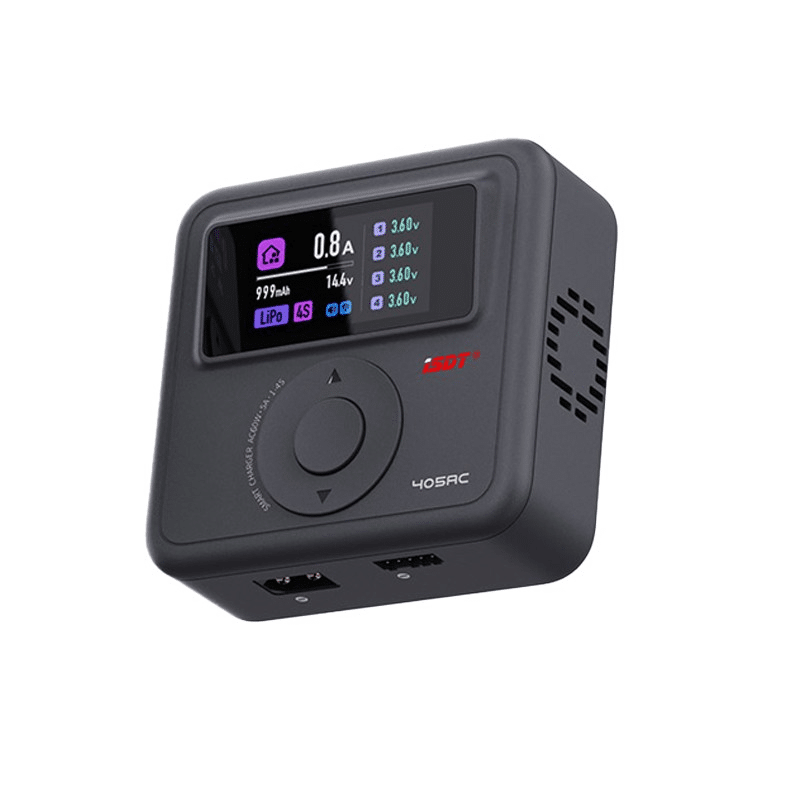
ISDT 405AC 60W AC GaN Smart Charger – 1–4S LiPo/LiHv/LiFe (XT60 Output)
GaN technology in a compact AC charger delivering 60W for 1–4S packs. Built-in AC input means no separate power supply needed — perfect for fast LiPo charging at your workbench or in the field.
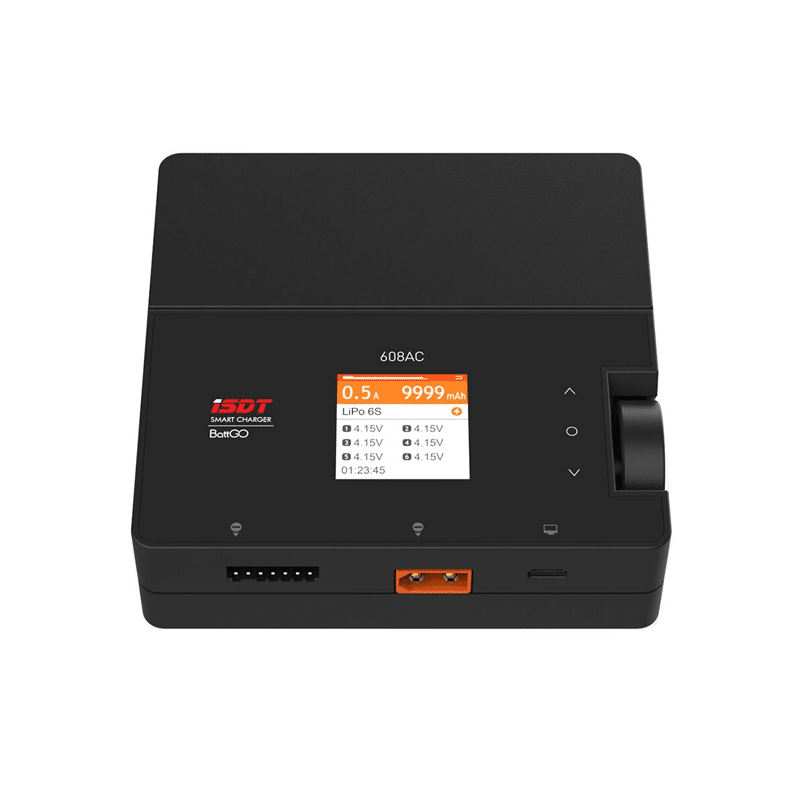
ISDT 608 AC LiPo Charger – AC 50W / DC 200W Dual Mode RC Charger/Discharger
Professional dual-mode charger accepting both AC and DC input. Power it from a USB-PD charger at 20V for field use, or from mains at home. Supports LiPo, LiHv, NiMH, and lead-acid.
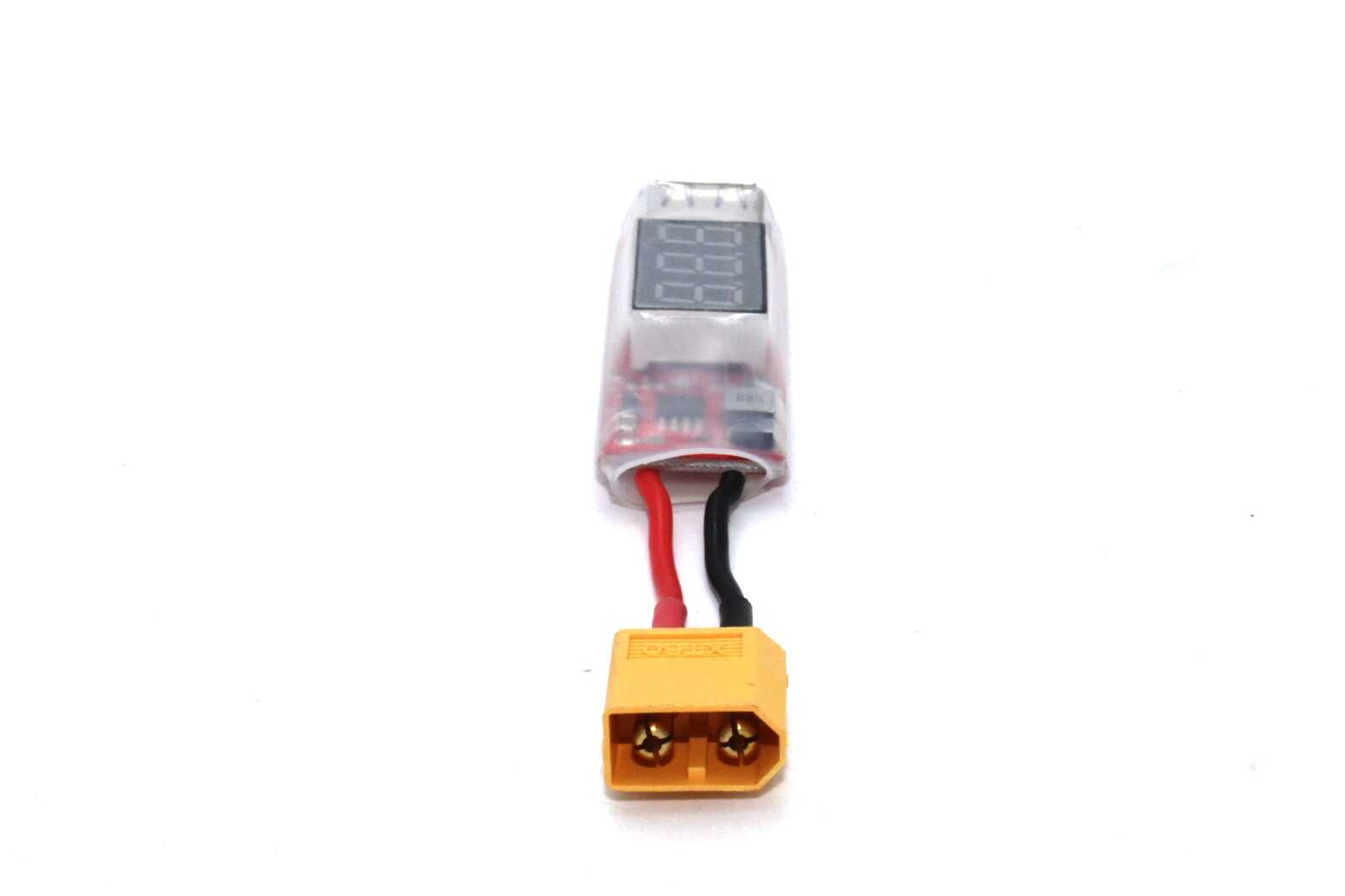
2S–6S LiPo Battery XT60 to USB Charger Adapter with Voltage Display
Use your LiPo drone pack to charge phones and devices via USB when in the field. Shows live battery voltage so you know how much charge remains in the pack.
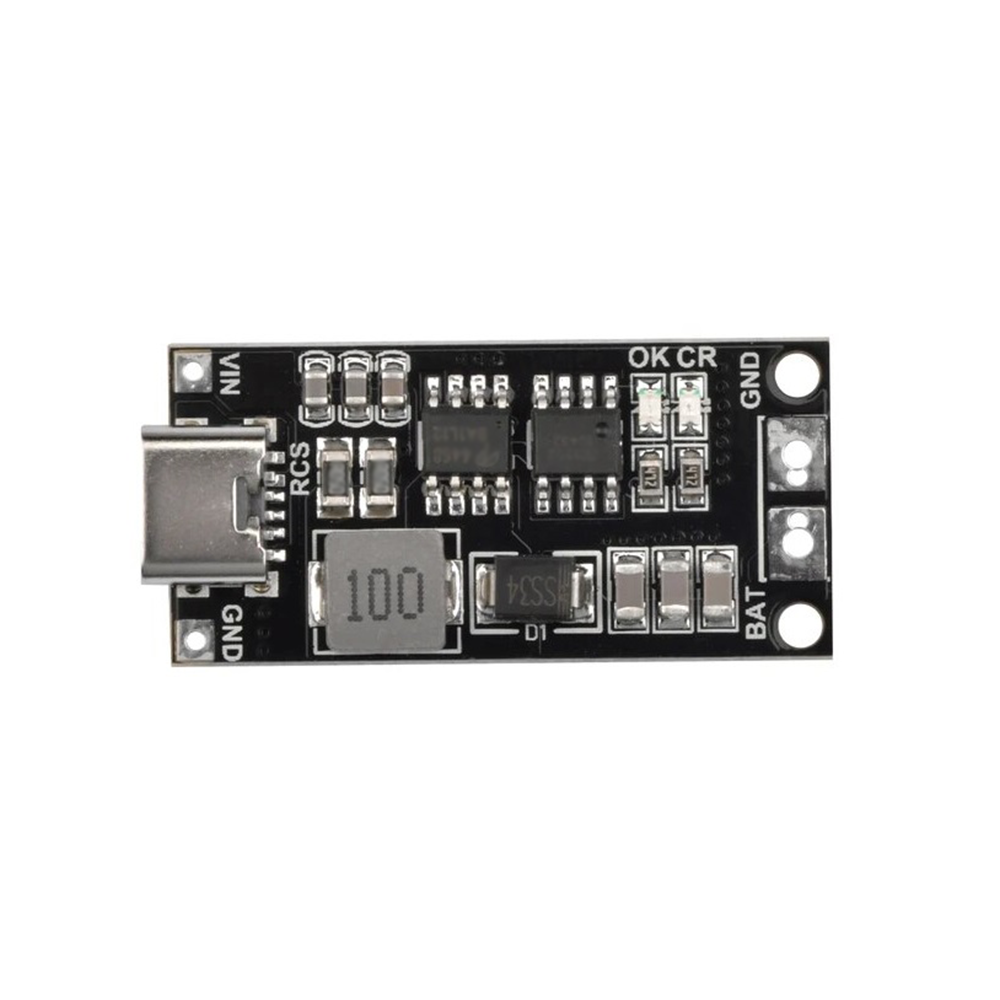
18650 Polymer Lithium Ion Charger Type-C to 3S 12.6V 4A Booster Module
Charge a 3S lithium pack to 12.6V at 4A (48W) using USB-C input. Combines fast USB-C charging input with multi-cell lithium charging output — ideal for DIY power banks.
Frequently Asked Questions
Q1: Will a QC 3.0 charger damage a non-QC phone?
No. QC is a negotiated protocol. If your phone doesn’t support QC, the charger and phone negotiate standard 5V charging during handshake. The phone will charge at normal speed without any risk of damage. The higher voltages are only applied when both sides confirm support.
Q2: Can I use a USB-PD charger with an older phone that has Micro-USB?
USB-PD requires a USB-C connector, so you can’t use PD charging directly with a Micro-USB phone. However, you can use a USB-A port on the same PD charger (if it has one) for standard 5V/2A charging. Some PD chargers include USB-A QC ports alongside USB-C PD ports, giving maximum versatility.
Q3: Does fast charging damage batteries?
Proper implementation of fast charging (where the protocol negotiates safe parameters) does not significantly damage batteries beyond normal degradation. However, charging to 100% repeatedly, charging in high-ambient temperatures (common Indian summer), and using uncertified chargers do cause accelerated degradation. Genuine fast charging from the original brand charger is designed to balance speed and battery health.
Q4: What is GaN charging and how does it relate to QC/PD?
GaN (Gallium Nitride) is a transistor material that enables smaller, more efficient power adapters. A GaN charger is simply a physically smaller adapter — it can support QC, USB-PD, or both. GaN is about the physical size of the charger, not the charging protocol. A 65W GaN charger typically supports USB-PD and often QC 3.0 as well.
Q5: Why do Indian phones like Realme support both VOOC and QC on some models?
Realme uses Qualcomm Snapdragon SoCs (which include QC) but also offers its own VOOC-compatible Dart Charge or SUPERVOOC protocols. The phone detects which charger is connected and uses the highest-speed compatible protocol. With the official charger, VOOC is used. With a third-party QC charger, QC is used instead. This dual-protocol support maximises flexibility for users.
Choose the Right Charger for Your Needs
Fast charging technology has advanced remarkably in just a few years, and India’s smartphone market is one of the world’s most competitive arenas for fast charging claims. QC 3.0 remains the workhorse for Snapdragon-based mid-range phones, USB-PD is the future-proof universal standard increasingly adopted across all categories, and VOOC/Dash/Warp deliver excellent speeds within their own ecosystems.
For makers and electronics enthusiasts, USB-PD’s open standard and the availability of PD trigger boards make it the most powerful tool in the workbench arsenal. Combine a 65W PD charger with quality ISDT smart chargers from Zbotic, and you have a compact, travel-friendly, professional charging setup for all your devices and battery packs.






Add comment