
Energy Harvesting: Powering IoT Devices from Ambient Sources
What if your IoT sensor never needed a battery change? What if it powered itself entirely from its environment — light, heat, vibration, or radio waves — for years on end with no maintenance? This isn’t science fiction. Energy harvesting from ambient sources is a rapidly maturing field that is increasingly practical for Indian IoT deployments in agriculture, smart cities, industrial monitoring, and wearable technology. In this guide, we explore the major ambient energy sources, the technologies that harvest them, real-world power budgets, and how to build efficient low-power IoT nodes that run on harvested energy.
What is Energy Harvesting?
Energy harvesting (also called energy scavenging or power harvesting) is the process of capturing small amounts of energy from ambient environmental sources and converting them into usable electrical power. This power is typically used to run ultra-low-power microcontrollers, sensors, and wireless transceivers, or to trickle-charge a small energy storage element (capacitor, supercapacitor, or coin cell battery) that buffers energy for periodic operation.
The key distinction from conventional power sources: harvested energy is typically in the microwatt to milliwatt range. This is not enough to run a power-hungry device continuously — but it is absolutely sufficient to run a carefully designed IoT sensor node that wakes up every few minutes, takes a reading, transmits it wirelessly, and goes back to deep sleep.
Why energy harvesting matters for India specifically:
- India has millions of potential IoT deployment sites (agricultural fields, railway lines, bridges, remote industrial equipment) where replacing batteries every 6–12 months is logistically challenging and expensive.
- India’s high solar irradiance (4–7 kWh/m²/day across most of the country) makes photovoltaic harvesting exceptionally productive.
- India’s vast temperature differentials — extreme summer heat on rooftops and industrial machinery — make thermal harvesting viable in many scenarios.
- The BLE and LoRa chipsets that dominate Indian AgriTech IoT deployments have deep sleep currents below 1 µA, making harvest-powered operation feasible.
Solar / Photovoltaic Harvesting
Solar energy harvesting is the most powerful and practical ambient energy source for IoT devices in India. Even a small solar cell can generate meaningful power for embedded systems.
Harvesting potential:
- Outdoor direct sunlight (India): 1000 W/m² peak, ~5 kWh/m²/day average
- A 10cm × 10cm solar cell at 20% efficiency: ~200 mW peak power
- Indoor lighting (fluorescent/LED): 50–500 µW/cm² typical
System architecture for solar-harvested IoT:
- Solar cell: Amorphous silicon (indoor) or monocrystalline (outdoor) panel sized to provide 5–10× average daily load
- Energy harvesting PMIC: ICs like the Texas Instruments BQ25504 or Linear Technology LTC3105 extract maximum power via MPPT (Maximum Power Point Tracking) and regulate output voltage
- Energy storage: Supercapacitor (0.1–10F) for fast cycling, or LiFePO4 coin cell for long-term storage. Supercaps handle millions of charge cycles with no degradation
- MCU + sensor: Ultra-low-power MCU (STM32L4, nRF52840, SAMD21) with sub-µA sleep current, waking on a real-time alarm
- Wireless: BLE, Zigbee, LoRa, or NB-IoT with duty-cycled operation
Real power budget example — outdoor soil sensor:
- Solar cell: 20cm × 20cm, ~800 mW peak, average 100 mW over daylight hours = 360 J/hour
- Sensor node duty cycle: Wake every 15 minutes, measure (1 sec at 10 mA), transmit LoRa (200 ms at 50 mA), sleep (14.8 min at 1 µA)
- Average current draw: ~225 µA = 225 µW at 1V (storage). Easily covered by even partial-day solar.
- Result: Perpetually powered with energy to spare for overcast days
Indoor solar harvesting: With ambient light energy harvesting ICs (like AEM10941 from e-peas), even indoor lighting can power simple BLE beacon tags. These run from a single small solar cell the size of a business card, refreshing sensor readings every 30–60 seconds.
Thermal Energy Harvesting (TEG)
Thermoelectric generators (TEGs) convert temperature differences directly into electrical voltage using the Seebeck effect. Where there is a consistent temperature gradient between a hot surface and cooler ambient air, a TEG can generate continuous power.
TEG characteristics:
- Output voltage: Proportional to temperature difference (typically 2–5 mV/°C per module)
- Power output: A standard 40mm × 40mm TEC1-12706 (used backwards as a generator): at ΔT of 30°C, produces ~50–100 mW
- Efficiency: Only 2–8% thermodynamic efficiency — but when the heat source is “free” (industrial exhaust, body heat, engine), efficiency doesn’t matter
Indian thermal harvesting applications:
- Industrial motor monitoring: A TEG mounted on a hot motor casing (70–80°C) with ambient air at 35°C provides ΔT = 40°C — sufficient to power a vibration + temperature sensor node continuously.
- Furnace and boiler monitoring: Steel plants, glass factories, and ceramic kilns in India have surfaces at 200–500°C. TEGs here can generate watts, not milliwatts.
- Body-worn wearables: Human skin at 32–34°C in 25°C ambient provides ~8°C ΔT — enough for a wristband health monitor using specialist flexible TEG films.
TEG power management: TEGs produce very low voltages (tens to hundreds of millivolts), requiring a boost converter to reach usable voltages. Specialised TEG harvesting ICs like the Linear Technology LTC3108 (boost converter for TEG with 20mV startup) are essential. A simple LTC3108 with a 1:100 transformer can start up from a TEG producing just 20 mV.
RF and Radio Frequency Harvesting
RF energy harvesting captures electromagnetic energy from ambient radio transmissions — WiFi routers, cellular base stations, broadcast TV/FM, and even intentionally beamed RF power (as in RFID).
Ambient RF power levels:
- Near a WiFi router (1m): ~0.1–1 mW/cm²
- Near a 4G/5G base station (10m): ~1–10 µW/cm²
- In a typical urban environment: 0.1–10 µW harvested from a 10cm antenna
Ambient RF harvesting provides very small amounts of energy — typically nanowatts to low microwatts in most realistic environments. This is sufficient only for the most ultra-low-power applications like:
- RFID/NFC tags (passive, harvest energy from the reader’s field)
- Environmental sensors that transmit once every several hours
- Batteryless smart labels in warehouses with active RFID readers
Dedicated RF beaming: A more practical form is deliberate RF beaming, where a base station transmits at 915 MHz or 2.4 GHz and nearby sensor nodes harvest that energy. This is used in passive sensor systems for asset tracking in warehouses and supermarkets. The rectenna (rectifying antenna) converts RF to DC efficiently at specific frequencies.
NFC harvesting in Indian retail: NFC tags on product packaging in Indian supermarkets (enabled by UHF RFID readers) can harvest enough energy from the reader field to power a small temperature sensor and transmit the reading — enabling battery-free cold chain monitoring for pharmaceuticals and dairy products.
Vibration and Piezoelectric Harvesting
Piezoelectric materials generate an electric charge when mechanically stressed. Vibrating structures — industrial machinery, bridges, railway tracks, vehicle bodies — produce continuous mechanical energy that can be converted to electricity.
Piezoelectric characteristics:
- Typical output: 10–500 µW from vibrations in industrial machinery
- Best sources: 50–400 Hz vibration, amplitudes of 0.1–10 mm
- Output voltage: High voltage, low current — requires specialised energy harvesting circuits
Indian applications:
- Railway track monitoring: Piezo sensors embedded near railway lines harvest energy from train vibrations. Indian Railways has thousands of kilometres of tracks where wired sensor installations are impractical. Piezo-harvested wireless sensors can monitor track health, temperature, and vibration signature continuously.
- Industrial pump monitoring: Pump housing vibration in sugar mills, textile factories, and refineries powers wireless vibration sensors for predictive maintenance — eliminating scheduled inspection visits.
- Bridge structural health: Traffic vibration on major highway bridges (like those over Narmada, Godavari, Krishna rivers) can power structural monitoring sensors for years without battery replacement.
Electromagnetic (inductive) harvesting: Besides piezoelectric, electromagnetic generators (small coil-magnet assemblies) harvest vibration energy. These produce lower voltages but higher currents, and are often more practical at low vibration frequencies (under 50 Hz). Linear vibration harvesters from companies like Perpetuum are used in commercial rail and industrial applications.
Power Management ICs for Harvesting
The energy harvesting PMIC (Power Management IC) is the brain of any harvesting system. It must:
- Accept highly variable input voltage from the harvester
- Implement MPPT to extract maximum power from the source
- Boost or regulate output to a stable voltage (typically 1.8V, 3.0V, or 3.3V)
- Manage charge into storage (supercap or battery)
- Handle cold-start with minimal initial energy (some ICs start from as little as 80 µW)
Key ICs to know:
- BQ25504 (Texas Instruments): Multi-source harvesting PMIC, MPPT, battery/supercap management, 330 nA quiescent current. Industry standard for solar harvesting.
- LTC3105 (Analog Devices): Designed for solar cells, 225 mV minimum input, integrated MPPT, 24 µA Iq. Good for indoor light harvesting.
- SPV1040 (STMicroelectronics): Dedicated solar energy harvester with MPPT, available on breakout boards, popular with makers.
- AEM10941 (e-peas): Next-gen harvesting PMIC for solar, thermal, and kinetic sources. 380 µW input activation, suitable for indoor/outdoor solar.
- LTC3108 (Analog Devices): TEG-specific harvester, starts from 20 mV input, integrated transformer driver. Perfect for waste-heat harvesting.
For the hobbyist just getting started, the BQ25504 evaluation module from TI and the SPV1040 breakout board provide a hands-on introduction to solar harvesting circuits without custom PCB design.
Real-World Applications for Indian IoT Deployments
1. Smart Agriculture in Maharashtra: Orange and grape orchards in Nashik and Nagpur use soil moisture and weather sensors. Solar-harvested BLE mesh sensor networks report to a gateway at the farm office, eliminating monthly battery replacement visits across 50–100 sensor nodes spread over a large farm.
2. Smart Water Metering in Rajasthan: Water scarcity makes monitoring critical. Flow sensors in water pipelines use vibration energy (from flowing water) plus small solar panels to power NB-IoT nodes that report daily consumption to municipal servers — enabling leak detection and better water allocation without electrical wiring in remote pipeline sections.
3. Cold Chain Monitoring for Pharma: Indian pharmaceutical exports to Europe require continuous temperature logging. NFC-harvested temperature sensors in pharmaceutical packaging activate when scanned by handheld readers, logging temperature deviations — eliminating the need for battery-powered data loggers in each shipment.
4. Traffic and Air Quality Monitoring: Solar-powered LoRaWAN sensor nodes in Indian cities (Delhi, Pune, Chennai) measure PM2.5, NOx, CO2, and traffic flow. A 10cm × 10cm solar cell provides sufficient power for continuous measurement and hourly LoRa transmissions, even on overcast monsoon days in Mumbai.
5. Predictive Maintenance in Textile Industry: Tamil Nadu and Gujarat textile mills have hundreds of spinning and weaving machines. Piezoelectric harvesting from machine vibration powers wireless vibration signature sensors. Abnormal patterns (bearing failure, belt wear) trigger maintenance alerts before catastrophic failure occurs.
Recommended Products from Zbotic
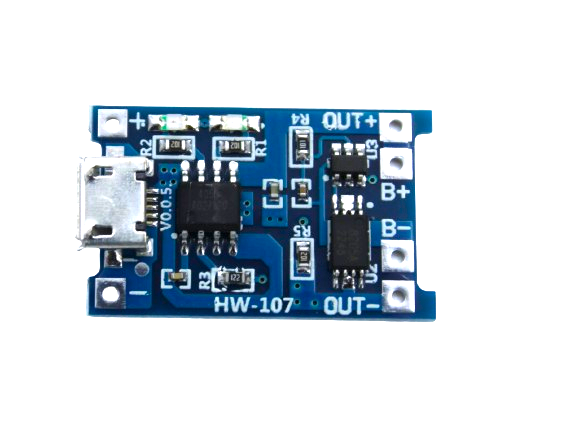
TP4056 1A Li-Ion Battery Charging Board Micro USB with Protection
Essential for solar energy harvesting projects. Use this as the charging stage between your small solar panel and 18650 storage cell — low-cost, reliable, with full protection circuitry.
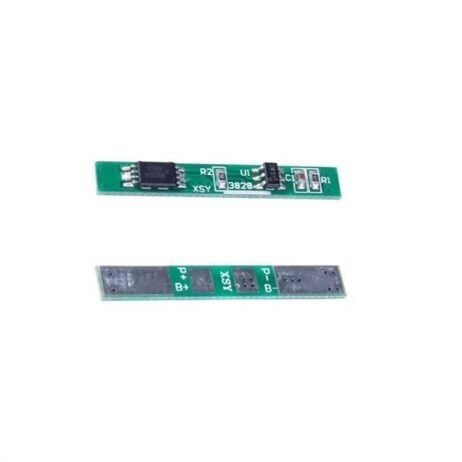
1S 3.7V 2A 1MOS BMS Li-ion 18650 Battery Protection Board
Protect your energy storage cell in harvest-powered IoT nodes. Prevents deep discharge damage when harvesting is intermittent on cloudy days or in low-vibration environments.

1 x 18650 Battery Holder with 18.4MM Bore Diameter – Pack of 4
House your 18650 energy storage cell in a field-deployable sensor enclosure. Swappable cells mean you can bring a pre-charged spare during initial deployment while the harvesting circuit gets established.
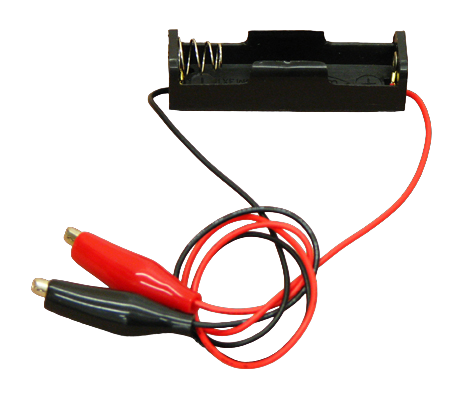
1 x AA Battery Holder Box with Alligator Clips
Perfect for prototyping energy harvesting circuits on the workbench. Alligator clips let you quickly connect to your harvesting PMIC evaluation board without soldering during initial testing.
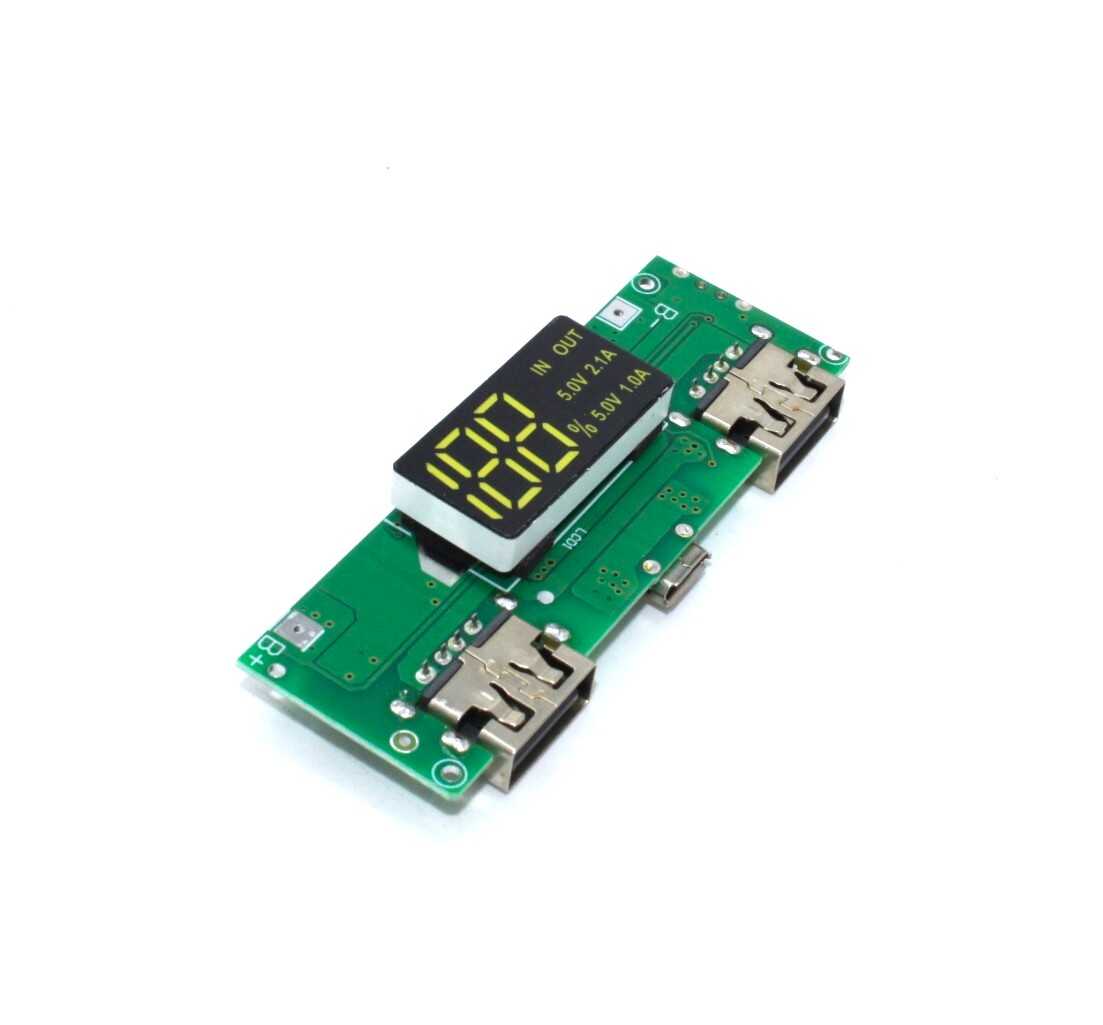
18650 5V 1A/2A Lithium Battery Digital Display Charging Module Dual USB
All-in-one charging, storage, and 5V boost module. Use as the power stage in a solar harvesting demo — the digital display shows charge level so you can monitor harvesting effectiveness in real time.
Frequently Asked Questions
Q1: Can energy harvesting replace batteries entirely in IoT devices?
For carefully designed ultra-low-power nodes (average current draw under 100 µA), solar or vibration harvesting can sustain operation indefinitely without battery replacement. For higher-power devices (GPS trackers, video cameras, cellular modems with frequent transmissions), harvesting supplements rather than replaces batteries. The key is matching your power budget to what the ambient source can sustainably provide.
Q2: What is the minimum solar cell size needed to power an Arduino in India?
A standard Arduino Uno draws 46 mA — far too much for energy harvesting. You need to switch to an ultra-low-power MCU (STM32L0, nRF52, or ATtiny in power-down mode). With an average load of 50 µA (duty-cycled operation), a 2cm × 4cm outdoor solar cell in India provides ample power. The Arduino platform is not suitable for energy-harvested designs without significant software optimisation and hardware modifications.
Q3: Can I harvest energy from the 5G towers being installed across India?
Theoretically yes, but practically very little. A 5G base station at 100m distance provides roughly 1–10 µW on a reasonably sized antenna — only enough for ultra-simple applications like a counter or ambient RF detector. The energy density drops sharply with distance (inverse square law). Dedicated RF harvesting makes more sense in close proximity to strong RF sources like RFID readers or dedicated beaming transmitters.
Q4: Are TEG modules available in India and what do they cost?
TEC/TEG modules (the same Peltier modules used for cooling, run in reverse) are widely available through Indian electronics distributors. A 40mm × 40mm TEC1-12706 costs ₹200–₹500. Dedicated TEG modules optimised for power generation (with lower thermal resistance and higher Seebeck coefficient) cost ₹1,000–₹5,000 but produce more power per degree of temperature difference. For industrial applications, high-grade TEG modules from Ferrotec or Marlow are available through import.
Q5: What programming frameworks support ultra-low-power operation for harvested IoT?
Zephyr RTOS has excellent power management primitives for Nordic nRF52/nRF53 chips (sub-1 µA sleep, hardware-accelerated BLE duty cycling). FreeRTOS with tickless idle mode works on STM32L series. Arduino Low Power library supports basic sleep modes on SAMD21. For the most power-critical designs, bare-metal C with direct register control of sleep modes gives the best results. The nRF5 SDK from Nordic and the STM32Cube HAL both include comprehensive power management examples.
Start Your Energy Harvesting Journey
Energy harvesting is no longer a research curiosity — it’s a practical engineering discipline with mature components, proven ICs, and real-world deployments across India. Whether you’re an engineering student exploring green electronics, a startup building AgriTech sensors, or an experienced maker wanting to eliminate battery maintenance from your outdoor projects, ambient energy harvesting offers a compelling path forward.
The building blocks are accessible: start with a solar cell, a BQ25504 evaluation module, a TP4056 charging board, an 18650 cell for energy storage, and an nRF52840 or STM32L4 development board. Build a simple solar-harvested sensor node that measures temperature and transmits via BLE — then iterate from there. Zbotic has the battery holders, BMS boards, and charging modules you need to get your first energy harvesting prototype running this weekend.





Add comment