
Drone Thermal Camera Guide: FLIR, InfiRay & Budget Options in India
Thermal cameras on drones are no longer just for defence and disaster response teams. In India, thermal drone cameras are finding applications in agriculture (crop stress detection, irrigation leak identification), industrial inspection (solar panel hot spot detection, electrical line monitoring), search and rescue, wildlife monitoring, and construction site safety. But the market is confusing — FLIR, InfiRay, Seek Thermal, and dozens of budget options with wildly varying prices and capabilities.
This comprehensive drone thermal camera guide breaks down everything the Indian buyer needs to know — technology basics, key specifications to compare, top cameras across price tiers, and which drone frames to pair them with for professional results.
1. How Drone Thermal Cameras Work
Thermal cameras — also called infrared (IR) cameras — detect electromagnetic radiation in the thermal infrared spectrum (7.5–14 micrometres wavelength). Unlike visible light cameras that capture reflected light, thermal cameras measure heat emitted by objects. The temperature differences are converted into a false-colour or greyscale image where warmer areas appear brighter (or in hot-to-cold colour maps: white/red to blue).
Two core technologies power thermal cameras:
Uncooled Microbolometer
The vast majority of commercial drone thermal cameras use uncooled microbolometer sensors. These are simpler, smaller, cheaper, and require no cryogenic cooling. They operate at ambient temperature and detect infrared radiation through resistance changes in a vanadium oxide or amorphous silicon array. Sensitivity (NETD) is typically 50–100 mK (millikelvin).
Cooled Detectors
Used in military and high-end scientific applications. Requires a mechanical Stirling cooler to bring the detector to cryogenic temperatures (~77K). Offers vastly better sensitivity (5–10 mK) but is expensive (₹10 lakh+), heavy, and requires regular maintenance. Not practical for most Indian drone applications.
Radiometric vs Non-Radiometric
This is a critical distinction. Radiometric cameras store absolute temperature data per pixel — you can click on any pixel in post-processing software and get its exact temperature in °C. Non-radiometric cameras only provide a relative thermal image — useful for visual inspection but can’t give precise temperature readings. For industrial inspection (solar panels, electrical) in India, always choose radiometric.
2. Key Specifications Explained
Resolution
Thermal resolution is much lower than visible cameras. Common options:
- 160×120 — basic, good for small drones, rough temperature mapping
- 256×192 — mid-range, adequate for most industrial inspections
- 384×288 — professional grade, clear detail from altitude
- 640×512 — high-end, equivalent to entry-level visible camera in thermal
- 1280×1024 — top-tier, only in premium DJI/FLIR cameras
NETD (Noise Equivalent Temperature Difference)
Measures thermal sensitivity — the smallest temperature difference the camera can detect. Lower is better. 50 mK is excellent; 100 mK is acceptable for most applications.
Frame Rate
Thermal frame rate is typically 9Hz (for export-controlled reasons — US law restricts export of uncooled thermal cameras above 9Hz without licence) or 30Hz (for cameras not subject to those restrictions, primarily non-US brands like InfiRay). For drone inspection, 9Hz is fine. For dynamic situations (moving targets, real-time fire detection), 30Hz is better.
FOV (Field of View)
Determines how wide an area you can see at a given altitude. For agricultural mapping, a wider FOV (45°+) means more coverage per pass. For precision inspection of solar panels or electrical components, a narrower FOV (13°–25°) with higher resolution gives better detail.
Temperature Range
Most cameras offer a standard range of -20°C to 150°C (or 400°C in high-gain mode). For industrial applications like molten metal inspection or fire detection, you need high-temperature range models going up to 1200°C.
3. FLIR Drone Cameras
FLIR (Forward Looking InfraRed), now owned by Teledyne, is the market leader in commercial thermal imaging with decades of experience.
FLIR Vue Tax Pro R
One of the most popular professional drone thermal cameras. 640×512 or 336×256 resolution, fully radiometric, 9Hz frame rate, Tau 2 core. Mounts on a gimbal with standard interfaces. Used extensively for solar farm inspections across Rajasthan and Gujarat.
- Resolution: 640×512
- NETD: <50 mK
- Frame rate: 9Hz (export compliant)
- Weight: ~113g
- Approximate India price: ₹3.5–6 lakh (imported)
FLIR Duo Pro R
A dual-sensor camera combining a 4K visible camera with a 336×256 or 640×512 thermal core. Excellent for simultaneous visible + thermal inspection. Popular with solar and electrical inspection companies.
DJI + FLIR Integration
DJI’s Zenmuse H20T and XT2 cameras use FLIR thermal cores. These are turnkey solutions if you’re using a DJI M300 or M350 platform, but the proprietary DJI ecosystem means they won’t work on custom builds.
FLIR Lepton (Module)
The FLIR Lepton is a tiny OEM thermal core (160×120, 80×60) used inside mobile phone attachments and DIY projects. Very budget-friendly (~₹8,000–15,000 for bare module) but extremely low resolution. Useful for experimental builds, not professional inspection.
4. InfiRay Thermal Cameras
InfiRay (Zhejiang Dali Technology) is China’s leading thermal camera manufacturer and a serious alternative to FLIR for price-conscious Indian buyers. InfiRay cameras are not subject to US export controls, so they often offer 25Hz or 30Hz frame rates at competitive prices.
InfiRay CLIP Series
Compact, modular thermal cameras designed for drone integration. Available in 256×192, 384×288, and 640×512 resolutions. The CLIP-M series offers 30Hz frame rate and full radiometric capability.
InfiRay T Series
Higher-end thermal modules with integrated gimbal interfaces. Used extensively in industrial inspection and mapping drones in China and increasingly in India. 640×512 resolution, NETD <40 mK, radiometric.
InfiRay vs FLIR for India
For Indian operators, InfiRay represents excellent value:
- 30Hz frame rate (vs 9Hz FLIR) — no US export restrictions
- Comparable resolution and sensitivity at 30-50% lower cost
- Growing Indian distributor network for after-sales support
- But: less name recognition which may matter for corporate/government tenders
5. Budget Thermal Options for India
Not every application needs a ₹5-lakh FLIR camera. Here are the realistic budget-tier options.
Seek Thermal Compact Pro
A smartphone-attached thermal camera (320×240, 9Hz) available around ₹25,000–35,000. Not designed for drone mounting but can be used on a custom vibration-isolated mount on slow, stable drones. Good for agricultural temperature mapping at lower altitudes.
Guide Sensmart Series
Chinese brand with competitive pricing in the ₹80,000–2,50,000 range. Guide offers drone-specific thermal cameras with 384×288 resolution and radiometric capability.
DIY Thermal with FPV Camera
Some FPV cameras claim thermal sensitivity but are actually just low-light visible cameras — not true thermal. Don’t be misled by “night vision” FPV cameras marketed as thermal.

1/3″ CMOS 700TVL Mini FPV Camera 2.1mm Lens PAL/NTSC
While not a thermal camera, this lightweight FPV camera is ideal as a secondary visible camera on a dual-sensor inspection drone build. Pairs with thermal for comprehensive inspection.
View on Zbotic6. Full Comparison Table
| Camera | Resolution | Frame Rate | Radiometric | India Price |
|---|---|---|---|---|
| FLIR Vue Pro R 640 | 640×512 | 9Hz | Yes | ₹4.5–6L |
| FLIR Vue Pro R 336 | 336×256 | 9Hz | Yes | ₹2.5–3.5L |
| InfiRay CLIP-M 640 | 640×512 | 30Hz | Yes | ₹2.5–4L |
| InfiRay CLIP-M 384 | 384×288 | 30Hz | Yes | ₹1.5–2.5L |
| Guide Sensmart 384 | 384×288 | 25Hz | Yes | ₹1–1.8L |
| FLIR Lepton Module | 160×120 | 9Hz | Basic | ₹8–15K |
7. Use Cases in India
Agricultural Drone Thermal Inspection
India’s agricultural sector is rapidly adopting drone thermal imaging. Common applications:
- Crop water stress detection — stressed plants retain heat differently than healthy ones. Thermal maps reveal irrigation deficiencies across large fields
- Pest and disease early warning — infected crop areas show different thermal signatures before visible symptoms appear
- Drip irrigation leak detection — leaks in buried drip lines create cold patches visible on thermal imagery
- Resolution needed: 256×192 or higher; NETD <80 mK; 9Hz is fine
Solar Farm Inspection
India has over 70 GW of installed solar capacity — and growing. Thermal drone inspection of solar panels detects:
- Hot spots from cell defects, bypass diode failures, or shading issues
- Soiling patterns that reduce efficiency
- Junction box overheating
- Resolution needed: 640×512 for flying height >50m; radiometric mandatory for quantitative analysis
Electrical Transmission Line Inspection
Power utilities like PGCIL and state discoms use thermal drones to inspect transmission towers, insulators, and conductors for hot spots indicating loose connections or failing equipment. Requires high-resolution radiometric cameras and Pixhawk/ArduPilot-based precision flying platforms.
Wildfire and Forest Monitoring
For India’s forest departments, thermal drones can detect early fire hotspots, map fire perimeters at night, and identify smouldering areas after suppression. High frame rate (30Hz) and wide FOV cameras are preferred here.
Search and Rescue
NDRF and state disaster response teams increasingly deploy thermal drones for locating missing persons in forests, mountains, or disaster rubble. The human body’s heat signature is clearly visible even in complete darkness or through light foliage.
8. Which Drone Frame to Use?
A thermal camera is only as effective as the drone platform carrying it. Key considerations:
Payload Capacity
Most professional thermal cameras weigh 100–500g including gimbal. Your drone must carry the camera while maintaining stable flight for at least 20 minutes. This typically means a hexacopter or large quadcopter with 10–16 litre-class motors.
Vibration Isolation
Thermal cameras are sensitive to vibration which causes image blur and noise. Mount the camera on a 3-axis brushless gimbal or at minimum a rubber vibration isolator. The anti-vibration mounts available at Zbotic work well for lighter thermal cameras.
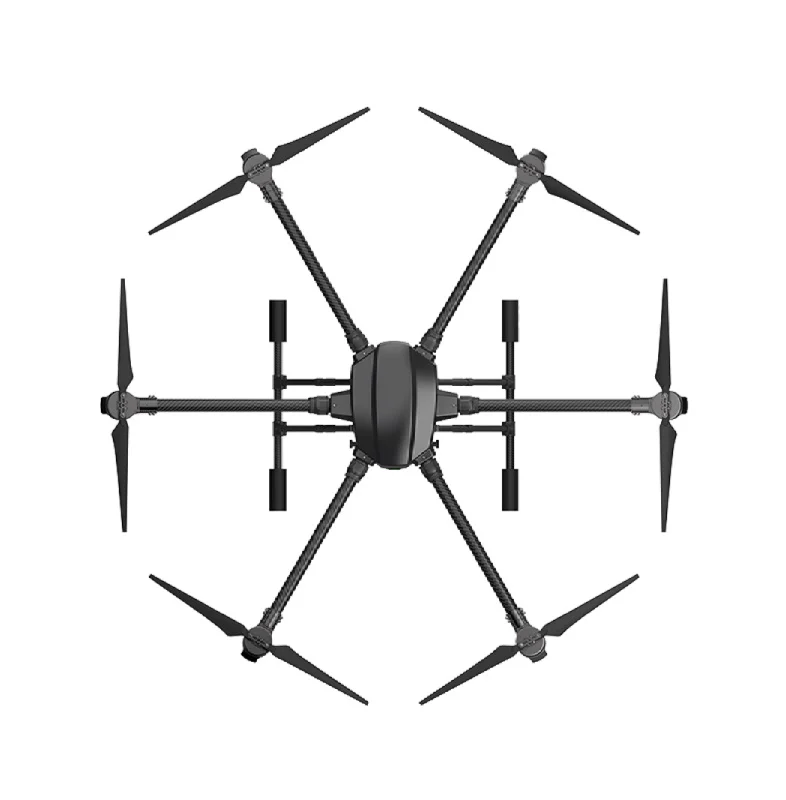
EFT 6120 Multifunction Surveillance Drone Frame
Professional hexacopter frame purpose-built for surveillance and payload missions. Excellent payload capacity and stability for mounting professional thermal cameras in India.
View on ZboticFlight Time
For meaningful agricultural or solar inspection coverage, aim for minimum 20 minutes of hover time. High-efficiency motors and large propellers extend flight time. The Hobbywing X6 Plus and X9 Plus motor systems are designed specifically for heavy-lift efficiency.
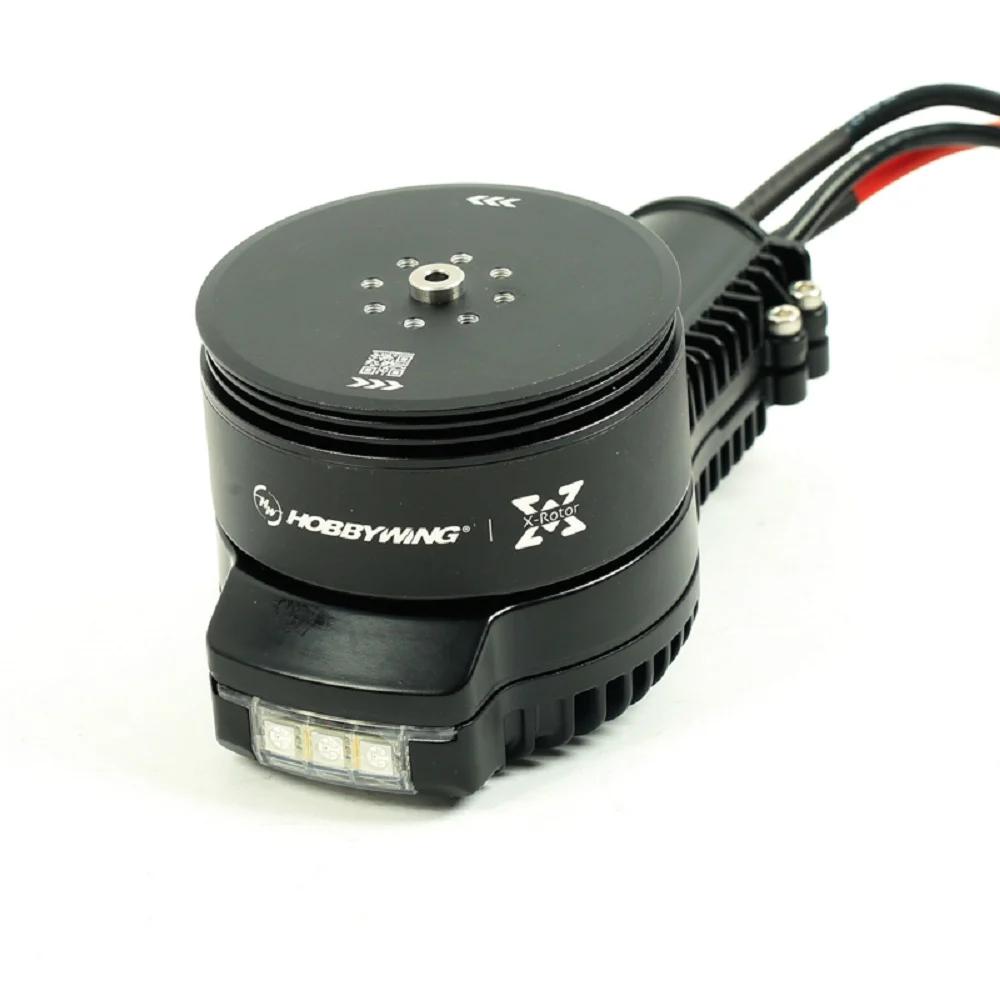
Hobbywing X6 Plus Motor CCW
High-efficiency motor from Hobbywing’s professional propulsion series. Ideal for heavy-lift drones carrying thermal cameras or agricultural spray payloads.
View on Zbotic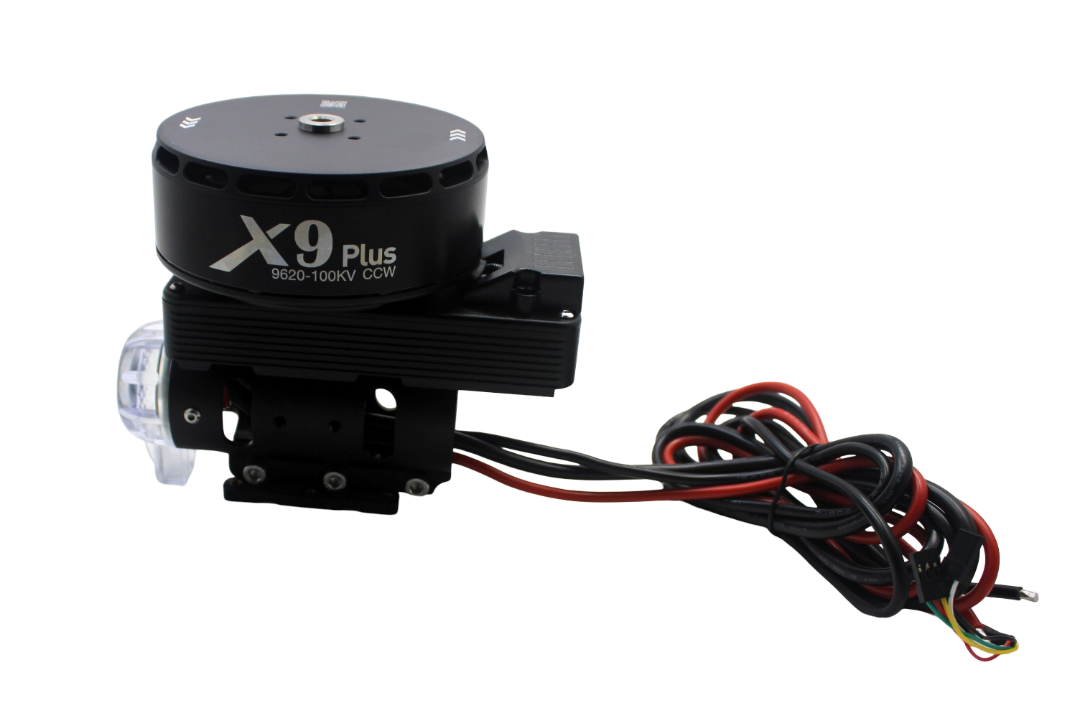
Hobbywing X9 Plus Motor CCW
Premium X9 Plus motor for heavy-lift agricultural and surveillance drones. Exceptional thrust efficiency means longer flight times for extended thermal inspection missions.
View on ZboticLanding Pad
Always use a landing pad for thermal drone operations, especially in agricultural fields where dust, dirt and crop residue can contaminate thermal optics. A contaminated lens significantly degrades thermal image quality.

110cm Diameter Fast-fold Landing Pad/Helipad for RC Drone
Large 110cm landing pad folds quickly for field use. Protects expensive thermal camera optics from dust and debris during landing in agricultural or industrial sites.
View on Zbotic9. Regulatory Considerations in India
Thermal drone cameras in India sit at the intersection of drone regulations and import/export controls on thermal imaging equipment.
Import Regulations
Thermal cameras above 9Hz with resolution above 160×120 may require import licences under India’s SCOMET (Special Chemicals, Organisms, Materials, Equipment, and Technologies) list, which implements dual-use export control obligations under the Wassenaar Arrangement. Consult a customs broker experienced in defence/dual-use items before importing high-end thermal cameras.
Drone Regulations (DGCA)
A drone carrying a thermal camera is subject to the same DGCA Drone Rules 2021 as any other drone. Weight classification applies to the total system weight including payload. Drones 2–25kg (Small category) require type certification, UIN registration, and Remote Pilot Certificate. Operating over critical infrastructure (power plants, refineries, defence areas) requires additional clearances beyond standard DGCA permissions.
Data Privacy
Thermal cameras that capture identifiable human figures may raise privacy concerns. While India’s data protection laws are still evolving, best practice is to obtain site permissions before conducting thermal drone surveys over private property or populated areas.
Frequently Asked Questions
Q: Can a regular FPV camera be used for thermal imaging?
No. Standard FPV cameras detect visible light and some near-infrared (NIR) wavelengths but cannot detect mid-wave or long-wave infrared (thermal radiation). A true thermal camera uses a completely different sensor technology (microbolometer or photovoltaic detector) that is insensitive to visible light.
Q: What altitude should I fly thermal inspection missions?
It depends on resolution and FOV. For solar panel inspection requiring individual cell-level hot spot detection, fly at 40–80m with a 640×512 camera. For agricultural field temperature mapping where you need broad coverage, 80–120m with 384×288 is efficient. Use GSD (Ground Sampling Distance) calculators to optimise altitude for your specific camera and inspection requirements.
Q: Is thermal imaging effective during Indian summer daytime?
Daytime thermal inspection in India is challenging during summer (March–June) when ambient temperatures reach 40–48°C. Solar heating of surfaces creates thermal noise that reduces contrast. Best results are obtained during early morning (6–9 AM) or evening (5–8 PM) when thermal contrast between targets and background is highest. For solar panel inspection, fly between 10 AM and 2 PM when panels are at peak operating temperature for maximum hot spot contrast.
Q: What software is used to analyse thermal drone images?
Common analysis tools include FLIR Tools/ResearchIR (for FLIR cameras), InfiRay IRay Studio, Pix4Dmapper (for thermal orthomosaics from survey missions), Agisoft Metashape, and DJI Terra. For agricultural analysis, FieldAgent and similar precision agriculture platforms can process thermal maps into actionable data.
Q: How do I connect a thermal camera to my flight controller for data logging?
Most professional thermal cameras output video via analog (NTSC/PAL) or digital (HDMI, MIPI, USB) interfaces. For ArduPilot integration, some cameras support MAVLink trigger for photo capture at waypoints. Some InfiRay and FLIR cameras have dedicated drone integration SDKs. Simpler builds use a separate video recorder (DVR) connected to the camera’s video output.
Q: Are there Indian manufacturers of drone thermal cameras?
As of 2024, India’s thermal sensor manufacturing ecosystem is nascent. Most professional thermal cameras used in India are imported (FLIR from USA, InfiRay/Guide from China). The government’s PLI scheme for defence electronics may catalyse domestic development. Some Indian companies like Tonbo Imaging have developed cooled thermal cameras for defence applications but these are not commercially available.
Build Your Professional Inspection Drone
From high-efficiency motors to landing pads and power systems — find all the components for your thermal inspection drone build at Zbotic with fast delivery across India.
Shop Drone Components at Zbotic





Add comment