
Table of Contents
- The Budget FPV Reality Check for Indian Beginners
- What a ₹5000 Budget Actually Gets You
- FPV Kit Categories Under ₹5000
- Micro FPV Kits (65mm–85mm Whoops)
- Mini FPV Kits (3-inch Class)
- Key Components to Evaluate in Any Kit
- What to Avoid in Cheap FPV Kits
- Building Your Own vs Buying a Kit
- Recommended FPV Components from Zbotic
- Frequently Asked Questions
FPV (First Person View) drone flying is one of the most thrilling hobbies available to Indian electronics enthusiasts — and thanks to falling component costs and the growth of the domestic hobby market, getting started has never been more accessible. But with so much marketing noise around budget FPV kits, it can be genuinely difficult to figure out what ₹5,000 actually buys you in 2026.
This guide cuts through the confusion. We will tell you exactly what you can and cannot expect from a budget under ₹5,000, which kit categories make sense at this price point, what specifications to look for, and — crucially — what corners cheap kits cut that will cost you more money later. Whether you are a college student in Pune, a tinkerer in Hyderabad, or a parent buying a first kit for a teenage maker in Bengaluru, this is the guide you need.
The Budget FPV Reality Check for Indian Beginners
First, an honest conversation about what ₹5,000 means in the FPV world in India in 2026.
A complete, flyable FPV system consists of:
- Drone frame + motors + ESC + flight controller + propellers
- FPV camera
- Video transmitter (VTX)
- Radio transmitter (TX/controller) — the thing you hold in your hands
- Radio receiver (RX) — installed in the drone
- FPV display — goggles or monitor
- LiPo battery + charger
The honest truth: you cannot assemble a complete, quality FPV system — drone + controller + goggles + battery — for ₹5,000 total. In 2026, a quality radio transmitter alone (ExpressLRS-capable, like Radiomaster Zorro) costs ₹6,000–₹9,000 in India. Quality FPV goggles start at ₹4,000 for budget digital goggles and go up rapidly.
So what does ₹5,000 get you? Specifically, it gets you a complete drone kit (the aircraft itself — frame, motors, ESC, FC, camera, VTX) in the micro or mini class. You will still need to separately acquire a radio system and FPV display. Many beginners already have access to a radio from a previous RC hobby, or can borrow one to start with.
With this understanding, let us explore what ₹5,000 gets you in drone kit terms.
What a ₹5000 Budget Actually Gets You
Budget Breakdown for a ₹5,000 Drone Kit
| Component | Budget Allocation | What to Expect |
|---|---|---|
| Frame + Arms | ₹300–₹600 | 65–85mm injection moulded, or 3-inch CF |
| Brushless Motors (4x) | ₹800–₹1,500 | 1102–1404 class for micro, 1408–2004 for 3-inch |
| 4-in-1 ESC + FC stack | ₹1,200–₹2,000 | F4 or F7 FC, 15A–25A 4-in-1 ESC |
| FPV Camera | ₹400–₹800 | CMOS 700–1200TVL analog camera |
| VTX | ₹300–₹600 | 25–200mW 5.8GHz analog VTX |
| RC Receiver (RX) | ₹300–₹700 | ELRS or FrSky SBUS-compatible |
| Propellers | ₹100–₹300 | 2–3 sets of 2-inch to 3-inch props |
This puts the all-in drone kit cost at roughly ₹3,400–₹6,500 depending on sourcing and component choices. With smart buying and choosing micro over mini, ₹5,000 is realistic for a decent micro FPV drone kit.
FPV Kit Categories Under ₹5000
There are two categories worth considering at this budget:
Category 1: Micro FPV Whoop Kits (65mm–85mm)
Tiny, enclosed-propeller “whoop” style drones that fly indoors safely. These are the most popular entry-level FPV platform globally and can absolutely be built for under ₹5,000 including all drone components (excluding radio and goggles).
Category 2: 3-Inch Mini FPV Kits
Slightly larger, open-air prop design. More performance than a whoop but requires outdoor flying. At ₹5,000 you get decent but not exceptional components — expect entry-level motors and a basic analog FPV system. The 3-inch class is very capable of outdoor freestyle at reasonable speeds.
Micro FPV Kits (65mm–85mm Whoops)
The micro whoop is the Indian beginner’s best friend at the ₹5,000 budget. Here is why:
Why Start with a Micro Whoop?
- Safe to fly indoors: Prop guards are built into the frame. You can practise in your living room, bedroom, or school hall without the risk of injuring people or property.
- Crashes are cheap: Props for 65mm whoops cost ₹50–₹100 for a set of 4. Even a frame replacement is ₹200–₹400.
- Teaches real FPV skills: The acro flying skills you build on a whoop transfer directly to 5-inch freestyle quads. Professional FPV pilots regularly train on indoor whoops.
- No DGCA registration required: 65mm–85mm whoops weigh well under 250g and fall into the nano category under Drone Rules 2021 — no UASP registration or remote pilot certificate required for non-commercial use.
- Lower battery cost: 1S and 2S batteries for micro drones are cheap — a set of 4 good 1S 300mAh batteries costs ₹800–₹1,200. Charging is fast.
Key Specs for a Good 65mm Whoop Kit
- Motors: 0802 or 1002 brushless, 16,000–25,000 KV for 1S systems
- FC: F4 or better with Betaflight support and an onboard SPI receiver
- ESC: 5A–7A per motor on 1S builds
- Camera: CMOS 700TVL or better with OSD support
- VTX: 25mW 5.8GHz with at least 25 channels
- Battery: 1S 300mAh or 2S 250mAh LiHV (High Voltage) compatible
Recommended 65mm Whoop Build (Approx. ₹4,200–₹4,800)
- Frame: Mobula7 clone or similar 75mm frame — ₹300–₹500
- AIO (All-In-One FC+ESC+VTX board): ₹1,400–₹2,000
- Motors: 1102 or 1103 (4x): ₹600–₹900
- Camera: RunCam Nano 2 equivalent: ₹400–₹600
- 4x 1S LiHV batteries: ₹800–₹1,200
- Charger (1S compatible): ₹300–₹600
- Props (5 sets): ₹150–₹250

1/3″ CMOS 700TVL Mini FPV Camera 2.1mm Lens
A compact 700TVL analog FPV camera with PAL/NTSC support — the ideal budget camera for micro and mini FPV builds where low latency analog video is the priority.
Mini FPV Kits (3-inch Class)
The 3-inch mini class is a step up in performance from micro whoops — faster, more capable outdoors, and capable of genuine freestyle flying. At ₹5,000, you can build a basic but flyable 3-inch FPV drone.
What to Expect from a Budget 3-inch Build
- All-up weight: 150–220g
- Top speed: 60–90 km/h
- Flight time: 3–6 minutes on a 3S 650–850mAh LiPo
- Analog video only (no digital HD FPV at this budget)
- Betaflight-compatible FC — tunable for your preferences
Budget 3-inch Build (Approx. ₹4,500–₹5,500)
- Frame: 3-inch carbon fibre (simple H-frame): ₹600–₹1,200
- FC + ESC stack (F4 + 20A 4-in-1): ₹1,200–₹1,800
- Motors: 1404 or 1407 (4x): ₹900–₹1,400
- FPV Camera: 700TVL mini cam: ₹400–₹600
- VTX: 25–200mW 5.8GHz: ₹350–₹600
- RX: ELRS receiver: ₹350–₹600
- Props: 3-inch (3 sets): ₹100–₹200
Note: This build budget does not include battery (₹600–₹1,200 for a 3S 650mAh) or charger (₹800–₹2,000). Realistically, plan for a total of ₹6,000–₹7,500 for a complete flying 3-inch mini including batteries and charger.

35A V2.1 2-5S 4-in-1 Brushless ESC for FPV Racing
A compact all-in-one 4-channel ESC for FPV race and freestyle builds — 35A per channel handles 3-inch to 5-inch builds on 2S–5S LiPo with onboard 5V BEC.
Key Components to Evaluate in Any Kit
Flight Controller: The Brain of Your Drone
The FC is arguably the most important component in any FPV kit. Look for:
- Processor: STM32F405 (F4) minimum. F7 chips are faster and support more UART ports but cost more.
- Betaflight compatibility: Must support Betaflight 4.4 or later (2026 standard)
- UART count: Minimum 4 UARTs — you need separate UARTs for ESC telemetry, GPS, VTX control, and receiver
- Gyro: ICM42688P or MPU6000. Avoid FC boards with no gyro specification listed — it is almost certainly a low-grade knockoff sensor.
- Onboard barometer and OSD: OSD (On-Screen Display) is essential for flight data overlay on your FPV video
Camera: Your Eyes in the Sky
At budget price points, you will be looking at analog cameras. Key specs:
- TVL (TV Lines): 700–1200TVL is adequate. Higher TVL means more detail but diminishing returns at 1200+
- Dynamic range / WDR (Wide Dynamic Range): This matters more than TVL for real-world visibility. A camera with WDR handles the contrast between sunny sky and shaded ground much better.
- Frame rate: 50fps (PAL) or 60fps (NTSC) — NTSC at 60fps looks smoother in flight
- Latency: Analog cameras have very low latency (20–30ms) — this is their key advantage over cheap digital systems
1/3″ CMOS 1500TVL Mini FPV Camera with OSD
An upgraded 1500TVL FPV camera with built-in OSD menus for adjusting camera settings in the field — a significant step up in image quality for competitive FPV flying.
Motors: Where Your Money Has the Most Impact
Cheap motors ruin FPV drones. They vibrate, lose power under load, and burn out quickly. Minimum specifications:
- Stator size: Match to your prop size. 1102/1103 for 65mm–85mm, 1404–1507 for 3-inch, 2204–2407 for 5-inch
- KV rating: Higher KV with smaller props, lower KV with larger props. 3600KV for 3-inch 3S is typical.
- N52 magnets: Specify this. Cheaper motors use N45 or N38 grade magnets with lower flux density and reduced efficiency.
- Quality bearings: Japanese or quality Chinese bearings (EZO, NSK) last significantly longer than budget alternatives
What to Avoid in Cheap FPV Kits
Shopping at this budget requires vigilance. Here are the red flags that mark out poor-quality kits:
No Named Brand on Key Components
Legitimate kit sellers specify the brand and model number of every component. If a ₹4,000 kit listing says just “F4 Flight Controller” with no further specification, assume the worst. Demand a component list with model numbers before purchasing.
Brushed Motor Kits Above 65mm
Some budget kits at or below ₹3,000 use brushed motors instead of brushless. Brushed motors are acceptable for tiny 65mm micro drones at very low speeds. Anything 85mm and above should use brushless. Brushed motors have a lifespan of only 15–30 hours versus 100–300 hours for brushless. The brush replacement cost and downtime will cost more than the savings on the initial kit.
Proprietary Connectors and Protocols
Some Chinese toy-grade kits use proprietary connectors and protocols that lock you into their ecosystem. If the radio protocol is not SBUS, CRSF, or DSM2/DSMX, walk away. If the battery connector is not JST-PH, JST-XH, XT30, or XT60, check if adapters are readily available in India before buying.
No Betaflight Support
Betaflight is the open-source standard for FPV drone firmware. If an FC cannot be flashed with Betaflight, you are locked into the manufacturer’s proprietary firmware — which is usually inferior, rarely updated, and incompatible with the broader FPV community’s resources. Avoid any kit that cannot run Betaflight.
Very Low VTX Power (Under 25mW) with No Adjustability
Some ultra-budget kits include VTX modules fixed at 5mW or 10mW with no power adjustment. At these power levels, video signal breaks up beyond 20–30 metres outdoors. You need at least 25mW minimum with the ability to go to 100–200mW for outdoor use. In India, 25mW is the legally allowed outdoor maximum without a ham radio licence, but you will want the option to increase for longer range.
Building Your Own vs Buying a Kit
For Indian beginners, this is a critical question. There are two approaches:
Pre-built RTF (Ready to Fly) Kits
Some sellers offer pre-built micro whoops that just need a battery and radio binding to fly. These are faster to get into the air but often come with generic components, minimal documentation, and no learning value. Typically ₹2,500–₹5,000 for a micro RTF kit in India.
Best for: Complete beginners who want to test the hobby before committing to building. Parents buying for children.
DIY Component Kits (BNF — Bind and Fly)
You source all components individually and solder/assemble yourself. This takes 4–8 hours for a first build but teaches you exactly how the drone works, makes repairs trivially easy, and gives you confidence to upgrade individual components later.
Best for: Anyone with basic soldering skills, students, hobbyist electronics enthusiasts. The FPV community strongly recommends this path.
Soldering Requirements
All FPV drone builds require soldering. You will need a soldering iron (a TS100 or TS80 type USB-powered iron, available for ₹1,500–₹2,500 in India, is ideal for drone work), good solder (63/37 tin-lead or lead-free with flux), and flux paste. Plan ₹1,500–₹3,000 in tools if you do not already have them — a one-time cost amortised across many builds.
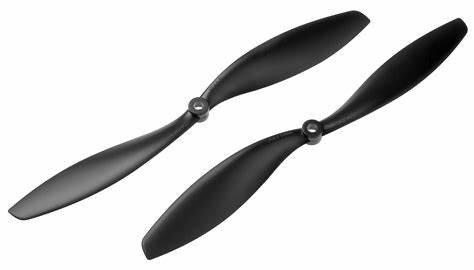
1045 Carbon Fiber Propeller CW&CCW
Premium carbon fibre props for larger FPV and UAV builds — as your skills grow beyond micro drones, upgrade to carbon fibre props for better efficiency and responsiveness.
Recommended FPV Components from Zbotic
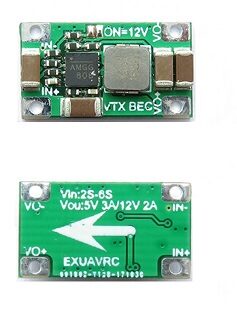
2-6S 5V 5A BEC For Quadcopter Drone
A reliable standalone 5V BEC for powering FPV components cleanly — essential if your budget ESC’s onboard BEC isn’t stable enough for your camera and VTX.
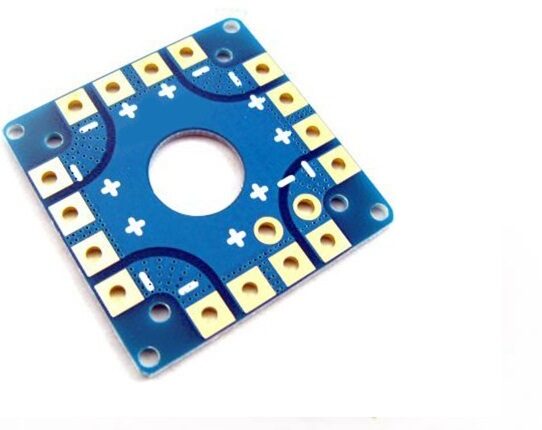
100A Multirotor ESC Power Distribution Battery Board
A dedicated power distribution board rated at 100A total — perfect for larger FPV builds as you graduate from micro drones to 5-inch and beyond.
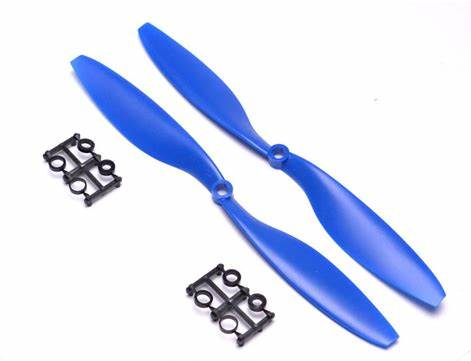
1045 2 Blades Propeller CW&CCW (Blue)
Coloured 10-inch propellers for larger FPV and UAV builds — colour-coded CW/CCW identification helps with correct motor direction setup during your first build.
Frequently Asked Questions
Do I need a DGCA licence to fly a budget FPV drone in India?
Nano drones under 250g for non-commercial, visual-line-of-sight flying in permitted zones require no Remote Pilot Certificate under DGCA Drone Rules 2021. Most budget micro FPV whoops fall under this category. For any commercial use, drones above 250g, or beyond visual line of sight, DGCA registration and a Remote Pilot Certificate are mandatory.
Can I start FPV without a radio transmitter?
Not practically. Some micro drones have simple built-in protocols that can be bound to cheap toy transmitters, but for any real FPV experience you need at least an entry-level radio like the Radiomaster Pocket (₹4,500–₹6,000 in India) with ELRS support. Alternatively, join a local FPV community club — members often lend radios to beginners to try the hobby before investing.
Is analog FPV still worth starting with in 2026?
Yes, absolutely. Analog FPV has two major advantages: ultra-low latency (20–30ms versus 30–50ms for budget digital) and lower cost. For learning to fly FPV, analog is more than adequate. Budget digital FPV systems (like HDZero Whoop or Walksnail Avatar at budget tier) are now approaching the ₹4,000–₹6,000 range in India, which is viable if you specifically want a cleaner image.
What is the difference between a BNF and RTF kit?
RTF (Ready to Fly) includes everything — drone, radio, goggles, battery, charger. BNF (Bind and Fly) means the drone is assembled and needs only to be bound to your existing radio transmitter — battery and charger sold separately. ARF (Almost Ready to Fly) means the drone needs some assembly, typically installing the motor, ESC, and wiring before binding. Most DIY component kits are ARF/DIY.
Where can I buy FPV components in India other than Zbotic?
Quality options include Robocraze (Bengaluru-based), RC Superstore, GetFPV India, Quadkopters, and local hobby shops in Mumbai, Delhi, Bengaluru, Hyderabad, and Pune. AliExpress is popular for lower prices but import duties of 20–25% plus customs processing can delay delivery 2–4 weeks. For time-sensitive builds, domestic suppliers are recommended despite slightly higher prices.
What is the best way to learn Betaflight configuration?
Joshua Bardwell’s YouTube channel is the gold standard resource for Betaflight setup — free, comprehensive, and regularly updated. The Betaflight Configurator software is free to download. Most FC manufacturers publish detailed setup guides. Plan 3–5 hours of setup time for your first Betaflight FC configuration including motor direction, receiver binding, failsafe setup, and OSD configuration.
Conclusion
Getting into FPV on a ₹5,000 drone kit budget is absolutely achievable in India in 2026 — provided you understand what that budget gets you and plan your overall system (radio, goggles, batteries) accordingly. Start with a micro whoop for indoor flying, learn the fundamentals of acro flight on analog FPV, and upgrade incrementally. The FPV hobby rewards patience and learning — every crash is a lesson, and the skill ceiling is as high as you want to take it. Get your first kit from Zbotic and join India’s growing FPV community.






Add comment