
FPV Dive Techniques: How to Execute Safe Power Dives Like a Pro
There is no feeling quite like pointing your FPV quad straight at the ground and hammering the throttle. Power dives are one of the most visually spectacular and adrenaline-charged manoeuvres in freestyle FPV flying, but they are also one of the most dangerous if executed incorrectly. Get it wrong and you will be picking carbon fibre out of the ground. Get it right, and you will have footage that makes viewers grip their seats.
This comprehensive guide covers every aspect of FPV dive techniques — from understanding the physics and aerodynamics involved, to the specific stick inputs required, the hardware settings that make dives safer, and the gradual progression system that Indian FPV pilots can use to build competence without writing off their quads.
1. Understanding Dive Physics and Propwash
Before you attempt any dive, you need to understand what is physically happening to your quad during descent. This knowledge will make you a better pilot and help you diagnose problems when things go wrong.
Gravity vs Thrust
During a power dive, you are pointing the quad’s thrust vector downward and adding gravity to the mix. The quad accelerates toward the ground much faster than it would in level flight at full throttle. A typical 5-inch quad can reach 120–150 km/h in a steep dive — fast enough to completely destroy itself if you misjudge the recovery altitude.
Propwash: The Dive Recovery Killer
Propwash is turbulent air that the propellers generate behind the quad. In normal level flight, the props are moving through clean, undisturbed air. During dive recovery — when you pull out of a dive and increase throttle — the props suddenly start pushing through the wake of air they just threw downward during the dive. This creates oscillations, wobbling, and momentary loss of attitude control. This is why dives look rough at the pull-out on badly tuned quads.
Propwash is the number one reason why high-altitude beginners should not attempt steep dives — the wobbly recovery phase requires calm, precise inputs and a well-tuned machine.
2. Types of FPV Dives Explained
Power Dive (Straight Down)
The classic dive — nose pitched forward aggressively or even pointing straight down, throttle at 50–100%, then recovery. Maximum speed gain, maximum risk, maximum visual impact.
Split-S
Roll inverted, then pull (pitch) out into a half loop. This is the safest way to dive because the transition is gradual and you naturally gain altitude at the exit rather than losing more. Excellent for beginners.
Canyon Dive
Diving into a ravine, between trees, or through a gap while also navigating laterally. Requires simultaneous pitch, roll, and throttle management. Only for experienced pilots with thorough location scouting.
Nose-In Dive (Knife Edge Dive)
Entering the dive while rolling, creating a spiral or corkscrew effect. Extremely visually impressive but highly technical.
Dive Bomb
Dropping from high altitude with minimal throttle (free-fall style), then adding throttle just before the ground to stop the descent. Creates a dramatic ground-rush effect in footage.
3. Essential Setup: Rates, Throttle, and Angle Limits
Your Betaflight setup has a huge impact on how safe and controllable dives feel. Here are the key settings to review before attempting dives:
Throttle Mid and Expo
During dives, you need smooth, predictable throttle response at the lower end of the throttle range (for controlling dive speed) and strong, immediate response when pulling out. Set throttle_mid around 0.5 and throttle_expo between 0.2–0.3 for a natural feel.
Rates for Dive Recovery
During recovery from a steep dive, you are making a large, fast pitch movement. If your pitch rate is too low, you will not be able to pull out in time. Ensure your pitch rate allows at least 500 deg/s at full stick deflection. Most freestyle pilots use 700–900 deg/s.
Angle Mode vs Acro Mode
Dives are always done in Acro (Rate) mode. Angle mode will not allow you to pitch past 55–70 degrees, making steep dives impossible. Horizon mode is equally unsuitable. If you are not yet comfortable in Acro mode, practice without diving first.
Disable Angle Limit in Acro
Ensure angle_limit is not accidentally limiting your pitch in Acro mode. Check in CLI:
get angle_limit
# Should be 0 or not applicable in Acro mode

35A V2.1 2-5S 4-in-1 Brushless ESC for RC Drone FPV Racing
Responsive 4-in-1 ESC with fast throttle response — essential for clean dive recovery on 5-inch FPV builds.
View on Zbotic4. Executing a Basic Power Dive Step by Step
Here is the exact sequence for a beginner-friendly power dive. Practice each element in isolation before combining them.
Phase 1: Altitude Acquisition
You need height to dive safely. For your first dives, start at minimum 60–80 metres above the ground. This gives you ample time to recover without panic. The urge to rush to the ground is natural but resist it. Altitude is your safety margin.
Phase 2: Entry
- Reduce throttle to 20–30% to bleed speed before the dive entry.
- Push pitch stick forward firmly — for a moderate dive, 45–60 degrees nose-down. For a steep dive, 70–90 degrees.
- Increase throttle back to 60–80% after the nose is pointed down. This is the “power” part of the power dive.
Phase 3: Dive Execution
During the dive, your job is to maintain the nose angle and control your trajectory. Use small yaw and roll inputs to steer if needed. Watch the ground in your FPV feed. Your brain will want to pull out way too early — resist this urge and commit to the line.
Phase 4: Recovery
This is the critical phase. Start your pull-out with enough altitude to complete the manoeuvre:
- Cut throttle to zero briefly (0.1–0.2 seconds) just before pulling — this reduces propwash oscillations at recovery.
- Pull pitch stick back firmly and quickly to raise the nose.
- As the nose comes level, add throttle smoothly to exit the dive.
- Minimum safe recovery altitude for a steep dive is 20–25 metres at the start of the pull-out.
The throttle cut trick (also called the “props-out trick”) is widely used in the FPV community to smooth out dive recovery. The brief period of unpowered flight passes through the disturbed air wake without creating propwash feedback.
5. The Split-S: Easiest Safe Dive for Beginners
If you are new to diving manoeuvres, start here. The Split-S is the simplest, most forgiving dive-entry manoeuvre:
- Flying level, at altitude, roll the quad 180 degrees to inverted flight.
- Once fully inverted, pull pitch stick back (toward you). The quad will pitch through a half loop, arcing down and then levelling out below your starting altitude.
- You exit the Split-S in level flight, lower than you started. No recovery required — the manoeuvre exits itself.
The Split-S loses altitude (typically 20–40 metres depending on speed), so start high. It is forgiving because you exit in a natural level-flight attitude rather than needing to fight out of a nose-down attitude like in a straight power dive.
6. Canyon and Gap Dives: Advanced Techniques
Canyon diving involves navigating through terrain features while descending. This requires:
Location Scouting
Always walk the terrain before flying. Check for:
- Power lines (invisible in FPV goggles)
- Tree branches at the exit point
- Width of the canyon vs your quad’s wingspan
- Other people who might enter the area
In India: Suitable Locations
For canyon-style diving, dry riverbeds in states like Rajasthan, Maharashtra, and Karnataka can offer excellent terrain during dry season. Always ensure you are flying far from populated areas and have DGCA permissions if required. Open agricultural areas provide safer alternatives for beginners — wide open spaces with defined tree lines to dive between.
Lateral Control During Canyon Dives
You need to simultaneously manage:
- Pitch: Controlling dive angle and recovery
- Roll: Following turns in the canyon
- Throttle: Speed management
- Yaw: Minor course corrections
Practice these combinations in open airspace before committing to a narrow canyon line.
7. Managing Propwash During Dive Recovery
Propwash during recovery is the biggest obstacle to clean-looking dive footage. Here is how to minimise it:
Tune D-Term Higher
Increasing D-term on pitch and roll specifically improves propwash rejection. Use Blackbox (as covered in our companion article) to verify D-term is not generating excess noise before increasing it.
Enable Anti-Gravity
Betaflight’s Anti-Gravity feature boosts I-term momentarily when throttle changes rapidly — exactly what happens at dive recovery. Enable it in the PID Tuning tab:
set anti_gravity_mode = SMOOTH
set anti_gravity_gain = 5000
save
Smooth Throttle Application
Slamming full throttle after the pull-out maximises propwash. Learn to ramp throttle up over 0.3–0.5 seconds for a smoother recovery.
Props Out During Pull-Out
As mentioned earlier, briefly cutting throttle to zero at the start of the pull-out is the single most effective technique for reducing propwash wobbles.
8. Betaflight Settings That Help with Dives
iTerm Relax
The iterm_relax feature reduces I-term windup during fast manoeuvres like dives. This prevents the drone from over-correcting after a sharp dive entry:
set iterm_relax = RP
set iterm_relax_type = SETPOINT
save
Throttle Boost
The throttle_boost feature compensates for battery sag at high throttle, which is especially noticeable during dive pull-outs. Adjust in the Configurator’s Filter tab.
Motor Idle Throttle
Setting idle throttle too low means motors may stop spinning during the zero-throttle phase of a dive, causing a brief lag when you need power quickly. Set min_check and min_throttle to keep motors spinning at a reliable idle speed.
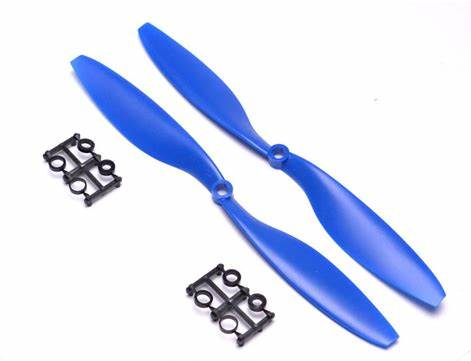
1045 2 Blades Propeller CW&CCW (Blue)
Durable 10-inch props well-suited for stable high-speed dives — balanced pitch for smooth recovery from power dives.
View on Zbotic
1/3″ CMOS 700TVL Mini FPV Camera
Compact FPV camera with wide dynamic range — essential for capturing the full visual experience of high-speed dive footage.
View on Zbotic9. Safety Protocols and Location Selection in India
Safety is non-negotiable, especially in India where DGCA (Directorate General of Civil Aviation) regulations apply to all drone operations. Here is what every pilot must know before attempting power dives:
Legal Requirements
- Nano drones (under 250g) may fly without permission in most uncontrolled areas. Micro and larger drones require UAS pilot licences and permissions via the Digital Sky Platform.
- FPV flying (goggles on, no line of sight) technically requires a ground observer in India under current DGCA rules.
- Power dives with potential crash risk near populated areas = never acceptable, legally or ethically.
Pre-Flight Safety Checklist for Dives
- Check weather: wind below 15 km/h, no visibility issues
- Inspect all props for cracks or chips — a prop failure during a dive is catastrophic
- Confirm battery is above 3.8V per cell before attempting any high-throttle manoeuvres
- Define a clear abort altitude: if you are below your abort altitude and still in the dive, cut throttle and accept the crash rather than risk a worse outcome
- Clear the area; post a ground observer
- Never dive toward animals, people, or structures
Progression Plan
Follow this progression before attempting deep dives:
- Comfortable in Acro mode at all orientations (2+ hours logged)
- Comfortable with Split-S manoeuvres (10+ repetitions without incident)
- 45-degree dives with recovery at 30 metres (20+ repetitions)
- 60-degree dives with recovery at 25 metres
- Vertical dives only after all above are mastered
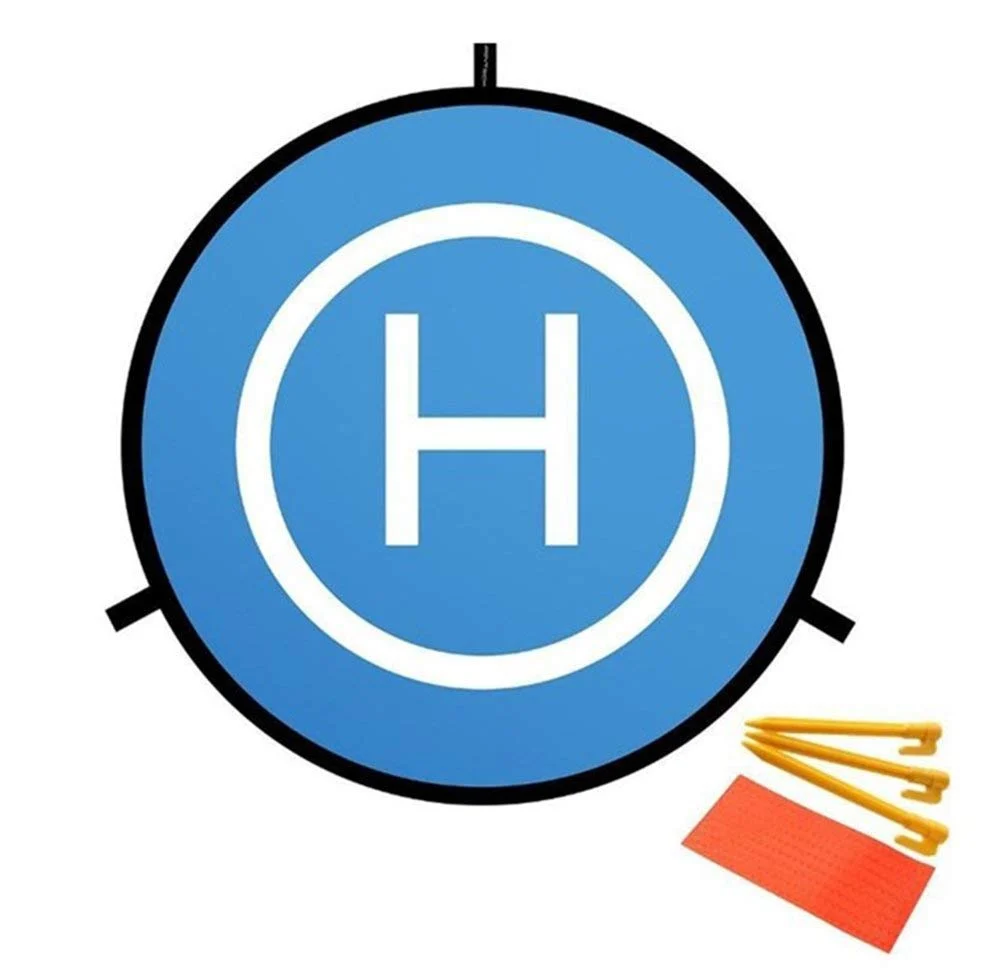
110cm Diameter Fast-fold Landing Pad for RC Drone
Bright, visible landing pad — gives you a clear visual reference point on the ground when orienting during dives.
View on Zbotic10. Frequently Asked Questions
Q: What is the minimum altitude I should start a power dive from?
A: For a 45-degree dive, 40 metres is sufficient. For 60-degree dives, 60 metres. For vertical or near-vertical dives, start at 80+ metres. Always add 50% buffer until you are confident in your recovery timing.
Q: My quad wobbles badly when I pull out of the dive. What is causing this?
A: This is propwash oscillation. Solutions: (1) try the brief throttle cut before pull-out, (2) increase D-term on pitch, (3) enable anti-gravity in Betaflight, (4) ensure your props are balanced and undamaged.
Q: Is a 5-inch or 3-inch quad better for learning power dives?
A: 5-inch is generally better for learning dives due to its stability and power reserve. 3-inch quads are more nervous and the higher RPM means propwash effects are more severe.
Q: Can I practice dive techniques on a simulator?
A: Yes — Liftoff, Velocidrone, and DRL Simulator all allow you to practice dive techniques without risk. This is strongly recommended before your first real dive attempts. The muscle memory translates directly.
Q: My FPV camera keeps washing out to white during dives. How do I fix this?
A: This is WDR (Wide Dynamic Range) switching on your camera. Set WDR to a fixed setting in the camera OSD menu rather than auto. For dives where you are moving from bright sky to darker ground quickly, a slightly underexposed manual setting often gives the most usable footage.
Gear Up for Your First Power Dive
Zbotic stocks FPV cameras, ESCs, propellers, and accessories specifically suited to freestyle and racing pilots. Get the right gear and dive with confidence.
Shop FPV Gear at Zbotic






Add comment