
Espressif’s ESP32-P4 high-performance projects ecosystem opens doors that were previously reserved for dedicated application processors or expensive SoCs. Announced in late 2023 and sampling in 2024, the ESP32-P4 is Espressif’s most powerful microcontroller to date — a dual-core RISC-V SoC running at up to 400 MHz with a hardware ISP (Image Signal Processor), a 2D graphics accelerator, and 32 MB of embedded PSRAM. This is no longer a simple IoT chip — it’s a multimedia microcontroller capable of running camera pipelines, AI inference, and rich touch-display UIs at the same time.
For Indian product developers, makers, and engineers, the ESP32-P4 represents an opportunity to build smart cameras, local AI edge devices, industrial HMIs, and video analytics products at a fraction of the cost of equivalent Arm Cortex-A solutions. This guide covers everything: chip architecture, new hardware features, ESP-IDF setup, and five project ideas you can start building today.
ESP32-P4 Architecture Deep Dive
The ESP32-P4 breaks from the dual-core Xtensa LX7 architecture of the ESP32-S3 and introduces a pure RISC-V design at every level:
- CPU: Dual-core RISC-V @ up to 400 MHz (HP core) + LP (Low-Power) RISC-V core @ 40 MHz for always-on sensing
- Cache: 512 KB L2 cache shared between the two HP cores — dramatically improves repeated code execution compared to the TCM-only models
- PSRAM: 32 MB embedded PSRAM (Octal SPI, 200 MHz) — 4× the ESP32-S3’s external PSRAM ceiling
- Flash: Supports up to 128 MB external flash via Octal SPI
- ISP: Hardware Image Signal Processor for camera pipelines: lens distortion correction, auto white balance, auto exposure, demosaicing (Bayer to RGB), HDR
- 2D GPU: Pixel Processing Accelerator (PPA) for image scaling, color space conversion, rotation, and blending — offloads the CPU for display rendering
- Video Codec: H.264 video encoder/decoder at up to 4K 30fps decode, 1080p 30fps encode (hardware-accelerated)
- DSP: AI/ML acceleration for neural network inference (INT8, INT16)
- Display: MIPI-DSI interface for high-resolution displays (up to 1920×1080)
- Camera: MIPI-CSI interface for up to 4K image sensors
- USB: USB 2.0 OTG (480 Mbps High-Speed) — 10× faster than the ESP32-S3’s Full-Speed USB
The combination of MIPI-CSI camera input, hardware ISP, H.264 encoder, and USB 2.0 HS makes the ESP32-P4 a standalone IP camera solution without any external processor — something that previously required a Raspberry Pi Zero or similar Linux SBC.
ESP32-P4 vs ESP32-S3 vs ESP32-H2
| Feature | ESP32-P4 | ESP32-S3 | ESP32-H2 |
|---|---|---|---|
| CPU | Dual RISC-V 400MHz | Dual Xtensa LX7 240MHz | Single RISC-V 96MHz |
| RAM | 32 MB PSRAM embedded | 8 MB PSRAM (external) | 320 KB SRAM |
| Wi-Fi | None (add ESP32-C6/H2 combo) | Wi-Fi 4 + BT 5 | None (802.15.4 only) |
| Camera Interface | MIPI-CSI (4K) | DVP parallel (2MP) | None |
| Display Interface | MIPI-DSI | SPI/I8080 (up to 800×480) | SPI |
| USB Speed | USB 2.0 HS (480Mbps) | USB 2.0 FS (12Mbps) | USB FS Serial/JTAG |
| Target Use | Edge AI, camera, HMI | General IoT + display | Zigbee/Thread/Matter |
One critical difference: the ESP32-P4 does NOT include Wi-Fi or Bluetooth on-chip. Espressif’s recommended solution is to pair it with an ESP32-C6 (Wi-Fi 6 + BT 5 + Zigbee) or ESP32-H2 (Zigbee/Thread) via a high-speed SDIO or SPI interface. This modular radio architecture lets the ESP32-P4 focus its power budget entirely on compute and media processing.
Key New Hardware Features
Hardware Image Signal Processor (ISP)
Previous ESP32 camera-capable variants (ESP32, ESP32-S3) relied entirely on firmware ISP, meaning the CPU spent significant cycles on image processing. The ESP32-P4’s hardware ISP handles:
- Bayer RAW to RGB/YUV conversion
- Lens shading correction
- Defect pixel correction
- Auto exposure control (AEC)
- Auto white balance (AWB)
- 3A statistics collection
- HDR tone mapping
This frees the main CPU cores for AI inference, compression, or application logic.
Pixel Processing Accelerator (PPA / 2D GPU)
The PPA performs display-critical operations in hardware:
- Image scaling (bilinear and nearest-neighbor)
- Color format conversion (RGB888, RGB565, YUV420, YUV422)
- Image rotation (90°, 180°, 270°)
- Alpha blending for overlays
This makes it practical to run a 1080p touch-screen HMI without any external graphics chip.
H.264 Video Codec
Hardware H.264 encode/decode enables:
- RTSP streaming from a camera sensor at 1080p 30fps
- Playback of stored H.264 video files
- Video conferencing endpoints
- Time-lapse recording with hardware compression
USB 2.0 High Speed
At 480 Mbps, the HS USB enables USB Video Class (UVC) streaming — plug the ESP32-P4 into a Linux PC and it appears as a webcam with no driver needed. This is transformative for DIY PTZ cameras, machine vision inspection heads, and endoscopes.
ESP-IDF Setup for ESP32-P4
The ESP32-P4 requires ESP-IDF v5.3 or newer. At time of writing, v5.3.1 has official ESP32-P4 support including camera, display, ISP, and USB HS drivers.
git clone --recursive https://github.com/espressif/esp-idf.git
cd esp-idf
git checkout v5.3.1
./install.sh esp32p4
. ./export.sh

# Create and configure project
idf.py create-project my_p4_project
cd my_p4_project
idf.py set-target esp32p4
idf.py menuconfig   # Configure camera, display, PSRAM, etc.
idf.py build flash monitor
Important menuconfig settings for ESP32-P4:
- Enable PSRAM: Component config → ESP PSRAM → Support for external, SPI-connected RAM
- Enable Camera: Component config → ESP-IDF CAM → Enable camera driver
- Enable USB HS: Component config → USB → Enable USB High Speed
- Enable MIPI DSI: Component config → ESP LCD → Enable MIPI-DSI LCD support
5 High-Performance Project Ideas for ESP32-P4
1. Smart Doorbell with Local Face Recognition
Pair the ESP32-P4 with a MIPI-CSI camera sensor (e.g., OV5640) and run ESP-WHO face detection entirely on the device — no cloud API, no privacy concerns. When a known face is detected, trigger a relay to unlock the door. Stream H.264 video to a phone via RTSP. This entire pipeline runs at 15 fps on the ESP32-P4 without breaking a sweat.
2. Industrial HMI Panel (1080p Touch Display)
Connect a 7-inch 1080p MIPI-DSI display and build a factory floor HMI using LVGL (Light and Versatile Graphics Library). The ESP32-P4’s PPA accelerator handles all graphics rendering in hardware — smooth 60 fps animations, charts, and gauge widgets. Connect to the factory PLC via Modbus RTU/TCP or OPC-UA over Ethernet.
3. USB Webcam with AI Overlay
The ESP32-P4’s USB HS UVC support means you can build a USB webcam that performs on-device pose estimation, object detection, or OCR and overlays the results on the video stream before sending it to the PC. This is powerful for educational robots, warehouse automation, and quality inspection in Indian SME manufacturing.
4. AI-Powered Agriculture Pest Detection
Mount the ESP32-P4 + camera in a weatherproof enclosure above crop rows. Run a TFLite Micro model trained on Indian pest datasets to detect leaf blight, aphids, or caterpillars in real time. When a pest is detected, trigger a precision sprayer relay and send an alert with a JPEG snapshot via the ESP32-C6 radio companion. This kind of precision agriculture device currently costs lakhs when built on industrial hardware.
5. Edge AI Sound + Vision Classifier for Smart Manufacturing
Combine the ESP32-P4’s CPU power with a MEMS microphone array to simultaneously analyze machine vibration audio and visual camera feed. Detect anomalies in CNC machines, packaging lines, or textile looms — predict failures before they happen. All inference runs locally with no cloud latency.
Recommended Hardware from Zbotic
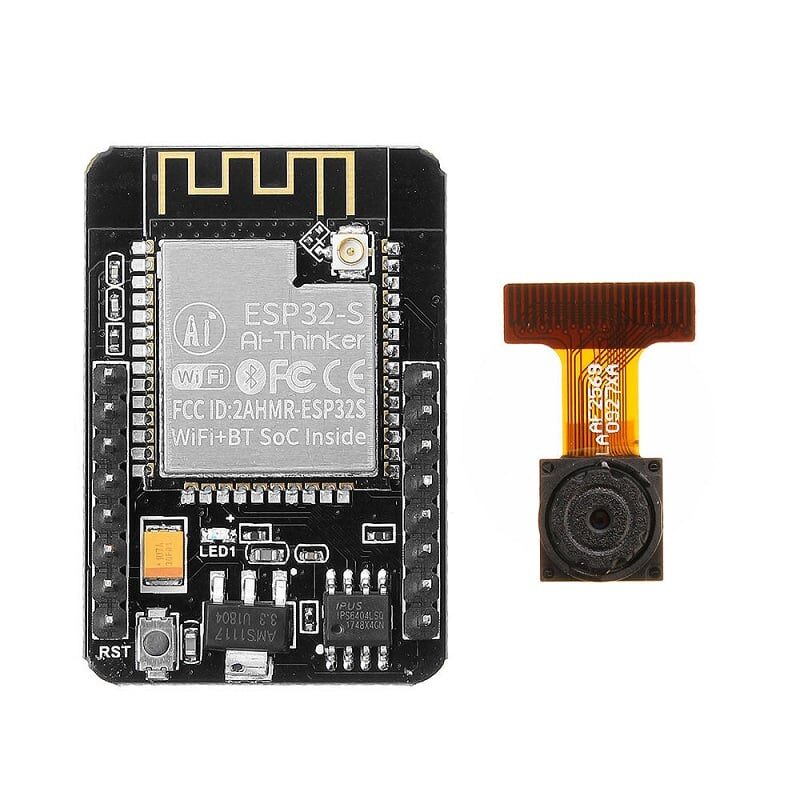
Ai Thinker ESP32 CAM Development Board with Camera Module
Start your camera project journey with this affordable ESP32-CAM board. Learn the DVP camera pipeline before upgrading to ESP32-P4’s MIPI-CSI for production.
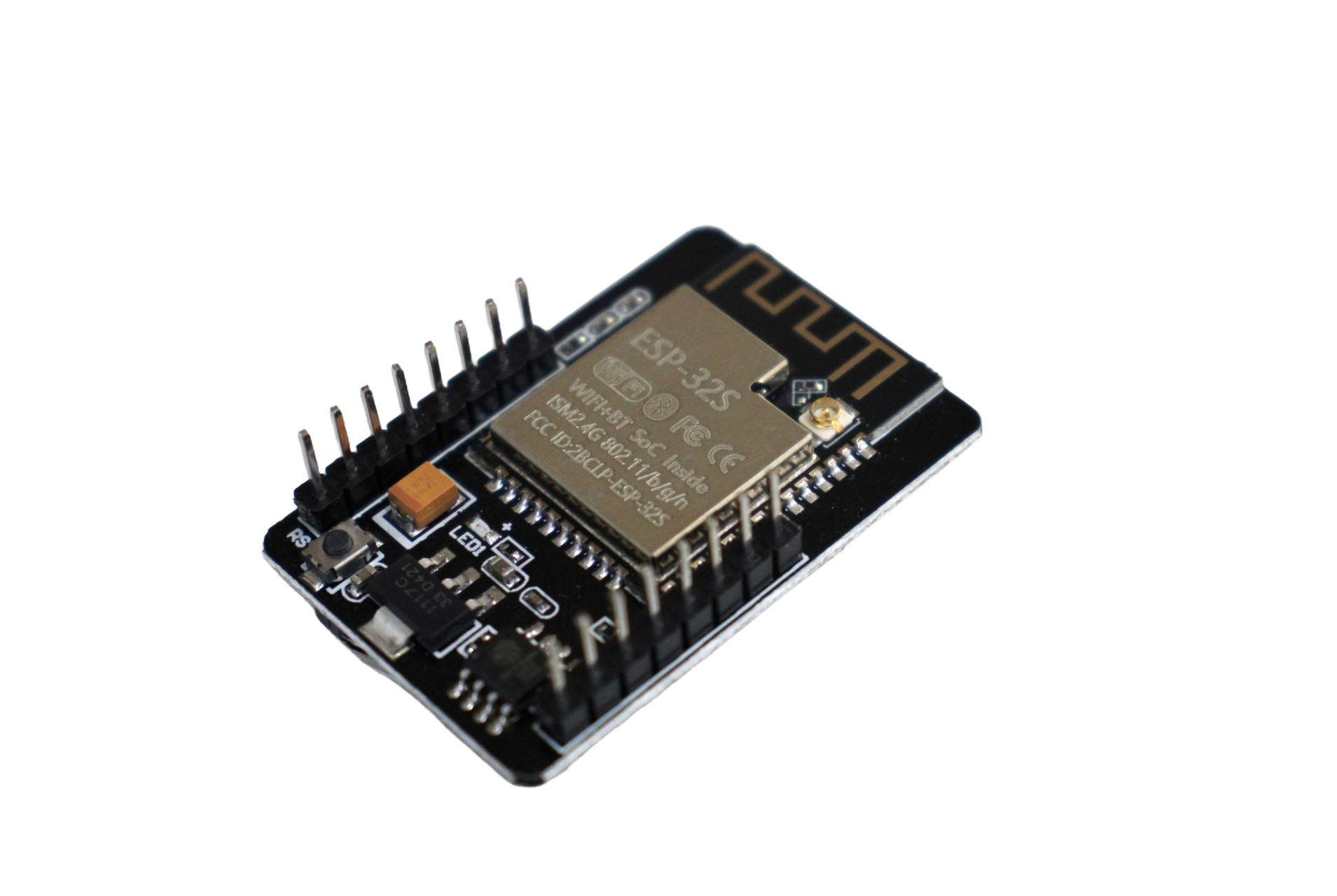
ESP32 CAM WiFi Module with OV2640 Camera for Face Recognition
The OV2640 2MP camera with face recognition support — a perfect stepping stone toward ESP32-P4 projects. Practice camera pipeline programming with this widely available board.
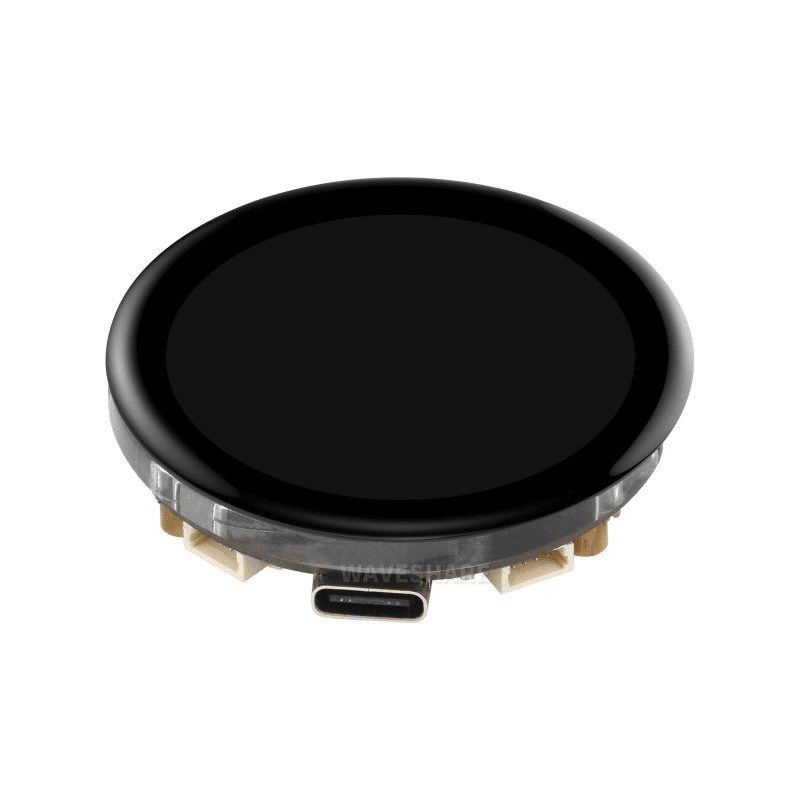
Waveshare ESP32-S3 1.43inch AMOLED Display Development Board
Prototype your HMI UI concept on this ESP32-S3 AMOLED board today — then migrate the LVGL code directly to ESP32-P4 + MIPI-DSI for your final product.
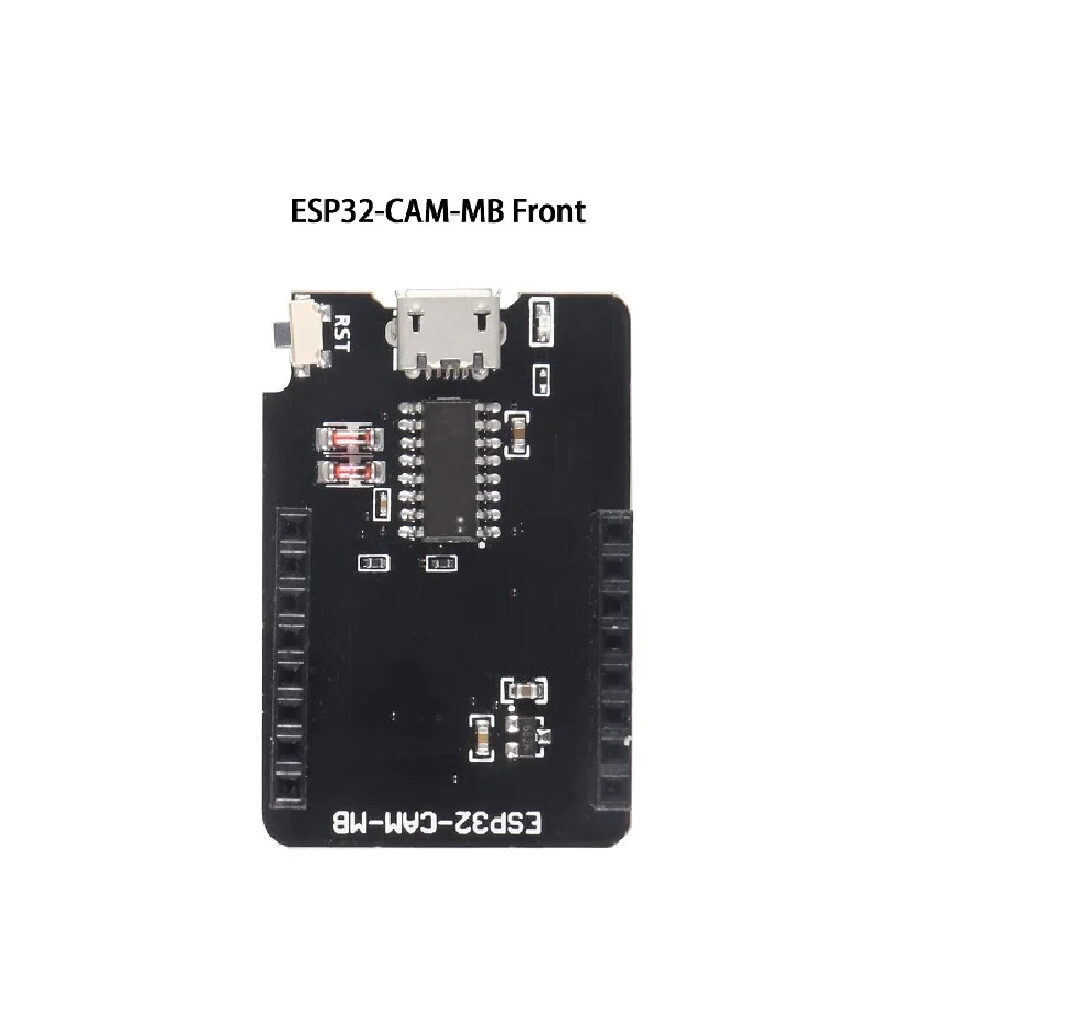
ESP32-CAM-MB Micro USB Download Module
Flash and debug ESP32-CAM boards easily with this USB programmer module — essential for iterating on camera projects before moving to ESP32-P4 hardware.
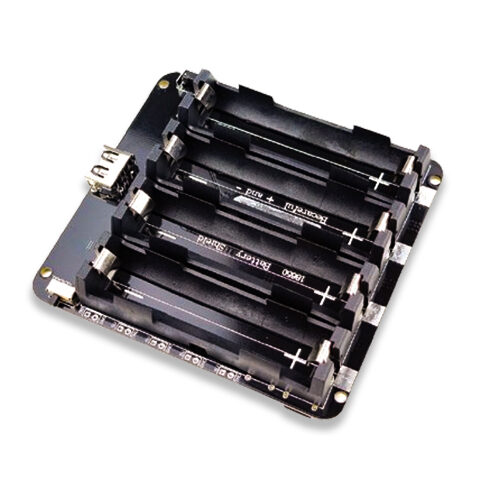
4 x 18650 Lithium Battery Shield V8 V9 for ESP32
The ESP32-P4 running camera + AI consumes 500–800 mA. This 4-cell 18650 shield provides enough capacity for field-deployable edge AI devices like pest detection cameras.
Getting Started Today
While you wait for ESP32-P4 development kits to become widely available in India, the best preparation is to build your skills on the ESP32-S3 or ESP32-CAM. The ESP-IDF codebase, ESP-IDF Camera driver API, and LVGL display framework are all forward-compatible — code you write today for ESP32-CAM or ESP32-S3 will compile on ESP32-P4 with minimal changes to pin assignments and camera interface configuration.
Start with these steps:
- Build a face detection project on ESP32-CAM to learn the camera pipeline
- Build an LVGL UI on ESP32-S3 + display to learn the graphics framework
- Experiment with TFLite Micro on ESP32-S3 for AI inference
- When ESP32-P4 devkits arrive (Espressif and third parties are shipping kits in late 2024–2025), your existing knowledge directly transfers
Frequently Asked Questions
Does the ESP32-P4 replace the ESP32-S3?
No — they target different applications. The ESP32-S3 remains the right choice for general-purpose IoT projects that need Wi-Fi, Bluetooth, and moderate processing in a single chip. The ESP32-P4 is for demanding multimedia, AI, and HMI applications where processing power and memory bandwidth are the bottleneck.
Can the ESP32-P4 run Linux?
Not officially supported. The ESP32-P4 runs FreeRTOS via ESP-IDF, same as other ESP32 variants. Its 32 MB PSRAM makes it much more capable than previous chips, but it is not an application processor designed for Linux. For Linux, consider Raspberry Pi or Allwinner-based SBCs.
When will ESP32-P4 development boards be available in India?
Espressif started engineering samples in mid-2024, with module-level products from partners (AI-Thinker, Waveshare, M5Stack) expected in 2025. Keep an eye on Zbotic.in for new ESP32-P4 stock announcements.
How does ESP32-P4 compare to Raspberry Pi Zero 2W for camera projects?
The Pi Zero 2W is easier to program (Linux + Python ecosystem) but uses 300–500 mW just for the OS, limiting battery life. The ESP32-P4 is harder to program but consumes 50–100 mW for equivalent camera tasks, making it 3–5× more power-efficient for embedded deployments.
Does the ESP32-P4 support MicroPython?
MicroPython support is expected but was not available in the initial ESP-IDF v5.3 release. Monitor the MicroPython GitHub repository and Espressif’s forum for updates. For now, C/C++ via ESP-IDF is the primary development path.
Prepare for ESP32-P4 with Zbotic.in
Build your ESP32 camera, display, and AI foundations today. Shop ESP32-CAM, ESP32-S3, and sensor modules from Zbotic.in — fast delivery across India and growing stock of new ESP32 family products.

Add comment