
Standard hobby servos — the SG90s and MG996Rs that fill every Arduino starter kit — operate on 4.8–6 V and produce 2–13 kg·cm of torque. They are perfectly adequate for light robotic arms, pan-tilt rigs, and RC models. But when your project moves into heavier territory — a full-scale bipedal robot, a hydraulics-free leg mechanism, a heavy payload arm, or an industrial-grade gripper — you need something fundamentally more powerful: a 12V high-torque servo motor.
The DS3225 and DS5160 are two of the most popular 12V heavy-duty digital servos used by advanced robotics builders worldwide. They are waterproof, digitally controlled, run on 6.5–7.4 V for standard models (and full 12 V for the wider-voltage variants), and produce torques in the range of 25–60 kg·cm — five to twenty times more than a standard MG996R. This guide covers everything you need to know to select, wire, program, and integrate these motors into your heavy robotics project.
Why 12V Servos for Heavy Robotics?
The physics of servo torque are straightforward: torque = force × lever arm. A robotic arm lifting 1 kg at a distance of 20 cm from the joint needs 20 kg·cm of torque just to hold the load — plus extra for dynamic loads during movement and a safety margin of at least 2×. That means 40 kg·cm minimum. No standard 5 V hobby servo provides this.
Running servos at higher voltage is the most direct way to increase available torque and speed. The servo’s internal DC motor produces more power at higher voltage (P = V × I). A servo rated for 6 V producing 15 kg·cm might produce 25–35 kg·cm at 7.4 V, and some models specifically designed for 8.4–12 V reach 50–60 kg·cm. This is the territory of the DS3225, DS5160, and similar high-voltage digital servos.
Additionally, 12V power systems are common in heavy robotics because:
- 3S LiPo packs (11.1 V) are readily available, compact, and energy-dense
- 12 V is safe to work with (below 48 V SELV threshold for extra safety regulations)
- 12 V allows longer wire runs without significant voltage drop
- Many other actuators (DC motors, linear actuators) in the same robot already run on 12 V, simplifying power distribution
DS3225: Specs and Performance
The DS3225 is a waterproof (IP55) digital servo built around a coreless motor with all-metal gears. It has become the go-to motor for builders of quadruped robots (like Boston Dynamics-inspired spot-type builds), heavy robotic arms, and animatronics.
| Parameter | DS3225 (6V) / DS3225PRO (8.4V) |
|---|---|
| Operating Voltage | 4.8–6.8 V (standard) / 6–8.4 V (PRO) |
| Holding Torque @ 6 V | 25 kg·cm |
| Holding Torque @ 7.4 V | 30–32 kg·cm |
| Speed @ 6 V | 0.16 sec/60° |
| Stall Current | ~2.5 A |
| Rotation Range | 270° (some variants 180°) |
| Gear Type | Full metal, titanium-coated (PRO) |
| Waterproofing | Yes (IP55) |
| Connector | Standard 3-pin JR/Futaba |
| Weight | ~64 g |
The DS3225’s 270° range is a significant advantage for joint designs — standard 180° servos limit your joint’s range of motion. Many quadruped robot designs specifically require this wider range for natural gait simulation.
One important note: the standard DS3225 is rated for 4.8–6.8 V. To achieve the higher torque figures, use the DS3225PRO variant rated for 6–8.4 V. Both use the same connector and control interface. The PRO version’s gear train is also more robust for sustained heavy loads.
DS5160: Specs and Performance
The DS5160 is a step up from the DS3225 — specifically engineered for the heaviest servo-driven robotics applications. It features a brushless or coreless motor (depending on variant) and a significantly more robust gear train.
| Parameter | DS5160 Value |
|---|---|
| Operating Voltage | 6–8.4 V (standard) / up to 12 V (HV) |
| Holding Torque @ 7.4 V | 55–60 kg·cm |
| Holding Torque @ 8.4 V | 60–65 kg·cm |
| Speed @ 7.4 V | 0.13–0.15 sec/60° |
| Stall Current | ~5–6 A |
| Rotation Range | 270° |
| Gear Type | Full metal, titanium-alloy |
| Waterproofing | Yes |
| Weight | ~115 g |
At 60 kg·cm, the DS5160 can support a 1 kg load at 60 cm from the joint — enough for a substantial robot arm segment or a bipedal robot’s hip or knee joint. The DS5160 HV (high voltage) variant accepts up to 12.6 V (3S LiPo fully charged) which further increases torque output.
DS3225 vs DS5160: Head-to-Head
| Feature | DS3225 / DS3225PRO | DS5160 / DS5160 HV |
|---|---|---|
| Torque @ 7.4 V | 30–32 kg·cm | 55–60 kg·cm |
| Max voltage | 8.4 V | 12.6 V (HV) |
| Stall current | ~2.5 A | ~5–6 A |
| Weight | ~64 g | ~115 g |
| Price (approx.) | ₹800–1,500 | ₹2,000–4,000 |
| Best for | Quadrupeds, medium robot arms | Heavy bipeds, industrial arms, exoskeletons |
In practice, most quadruped robot builds (similar to Spot Micro) use DS3225PRO servos for hip and shoulder joints (lighter, faster) and DS5160 for the knee joint where torque demand peaks during stance. This hybrid approach optimises the cost-to-torque ratio across the robot.
Wiring to Arduino and Raspberry Pi
Both DS3225 and DS5160 use the standard three-wire servo connector: Signal (orange or white), Power (red), Ground (brown or black). The control interface is identical to any hobby servo — standard 50 Hz PWM, 1000–2000 µs pulse width.
Critical warning: Do NOT power these servos from your Arduino’s 5 V pin. The DS3225 draws up to 2.5 A stall current; the DS5160 up to 6 A. Both require a dedicated high-current power supply (a 2S or 3S LiPo for correct voltage). The servo’s power and ground wires connect only to the external supply. Only the Signal wire connects to the Arduino or Raspberry Pi PWM output.
Wiring diagram for Arduino:
- Servo Signal (orange) → Arduino D9 (or any PWM pin)
- Servo Power (red) → External 7.4 V LiPo positive
- Servo Ground (brown) → External LiPo negative AND Arduino GND (shared ground is essential)
For Raspberry Pi: The Pi’s GPIO pins output 3.3 V logic, which is compatible with these servos’ signal inputs. Use the pigpio library (hardware PWM) rather than RPi.GPIO software PWM for jitter-free servo control. The Pi’s 5 V GPIO pins cannot power these servos — always use an external LiPo.
For multiple servos (e.g., a 12-servo quadruped): Use a PCA9685 16-channel PWM servo driver board (I2C interface, works with both Arduino and Raspberry Pi). This generates precise 50 Hz PWM for all 16 channels from a single I2C connection, freeing your controller from pulse-generation timing burdens.
Power Supply Requirements
This is the most critical aspect of heavy servo builds. Getting power wrong means either burnt electronics or a robot that collapses under load.
Voltage:
- DS3225 standard: Use a 2S LiPo (7.4 V nominal, 8.4 V full charge). Fits within the 4.8–8.4 V range.
- DS3225PRO / DS5160: Use a 2S LiPo (7.4 V) for maximum compatibility. The DS5160 HV can accept 3S (11.1 V).
- Never exceed the servo’s rated voltage — this will burn the internal electronics instantly.
Current capacity:
- Plan for stall current × number of servos × 0.5 (not all servos stall simultaneously). For a 4-servo arm with DS3225 (2.5 A stall each): plan for 4 × 2.5 × 0.5 = 5 A supply minimum, with 10 A headroom for transients.
- Use high-discharge LiPo packs (20C or higher). A 2000 mAh 2S 30C pack provides up to 60 A burst current — more than adequate for most servo builds.
Wire gauge: Use 18 AWG or heavier silicone wire for power distribution. Thin wire creates voltage drop under load, causing servos to lose torque and potentially reboot.
Decoupling capacitors: Add 1000–4700 µF electrolytic capacitors across the power rail near the servo cluster. Servo switching creates current spikes that can momentarily drop rail voltage — the capacitor absorbs these spikes.
Control Code and Libraries
Control is identical to any hobby servo. On Arduino with the standard Servo.h library:
#include <Servo.h>

Servo hipServo;
Servo kneeServo;

void setup() {
  hipServo.attach(9);   // Signal wire to D9
  kneeServo.attach(10); // Signal wire to D10

  hipServo.write(90);   // Centre position
  kneeServo.write(90);
  delay(1000);
}

void loop() {
  // Sweep hip joint 45°–135°
  for (int angle = 45; angle = 45; angle--) {
    hipServo.write(angle);
    delay(15);
  }
}
For the DS3225’s 270° range, use servo.writeMicroseconds() with a wider range than the default 544–2400 µs. Many 270° servos use 500–2500 µs for full range. Test carefully to find the actual endpoints for your specific servo before running at full range mechanically — joint stops prevent over-rotation damage.
For PCA9685 (recommended for multi-servo builds):
#include <Wire.h>
#include <Adafruit_PWMServoDriver.h>

Adafruit_PWMServoDriver pwm = Adafruit_PWMServoDriver();

#define SERVOMIN 102  // 500us at 50Hz → 500/20000 * 4096
#define SERVOMAX 512  // 2500us at 50Hz → 2500/20000 * 4096

void setup() {
  pwm.begin();
  pwm.setPWMFreq(50);
}

void setServoAngle(uint8_t channel, float angle) {
  // angle: 0–270 for DS3225
  uint16_t pulse = map(angle, 0, 270, SERVOMIN, SERVOMAX);
  pwm.setPWM(channel, 0, pulse);
}
Mounting and Mechanical Considerations
High-torque servos create stress not just on their gears but on the mounting structure. Key mechanical considerations:
Double-bearing support: At 30–60 kg·cm, the side load on the servo output shaft is substantial. Use a secondary bearing block on the opposite side of the joint from the servo — this is standard practice in professional robot designs. Without it, the servo gearbox output shaft takes all the side load and will fail prematurely.
Use both servo mounting ears: The DS3225 and DS5160 have two mounting ear tabs. Both must be bolted down rigidly. Using only one ear allows the servo to rock under high torque and introduces backlash into the joint.
Aluminium or steel horn: Replace any plastic servo horn that comes with the servo. At 30+ kg·cm, plastic horns shear. Use a proper aluminium disc horn or custom machined horn — the spline interface is standard 25T, compatible with most aftermarket horns.
Heat management: The DS3225 and DS5160 run warm under sustained load. In enclosed housings, ensure airflow. Do not mount directly against thermally insulating materials like 3D-printed PLA without ventilation — PLA softens at 60°C and the servo body can reach this temperature under continuous load.
Recommended Products from Zbotic
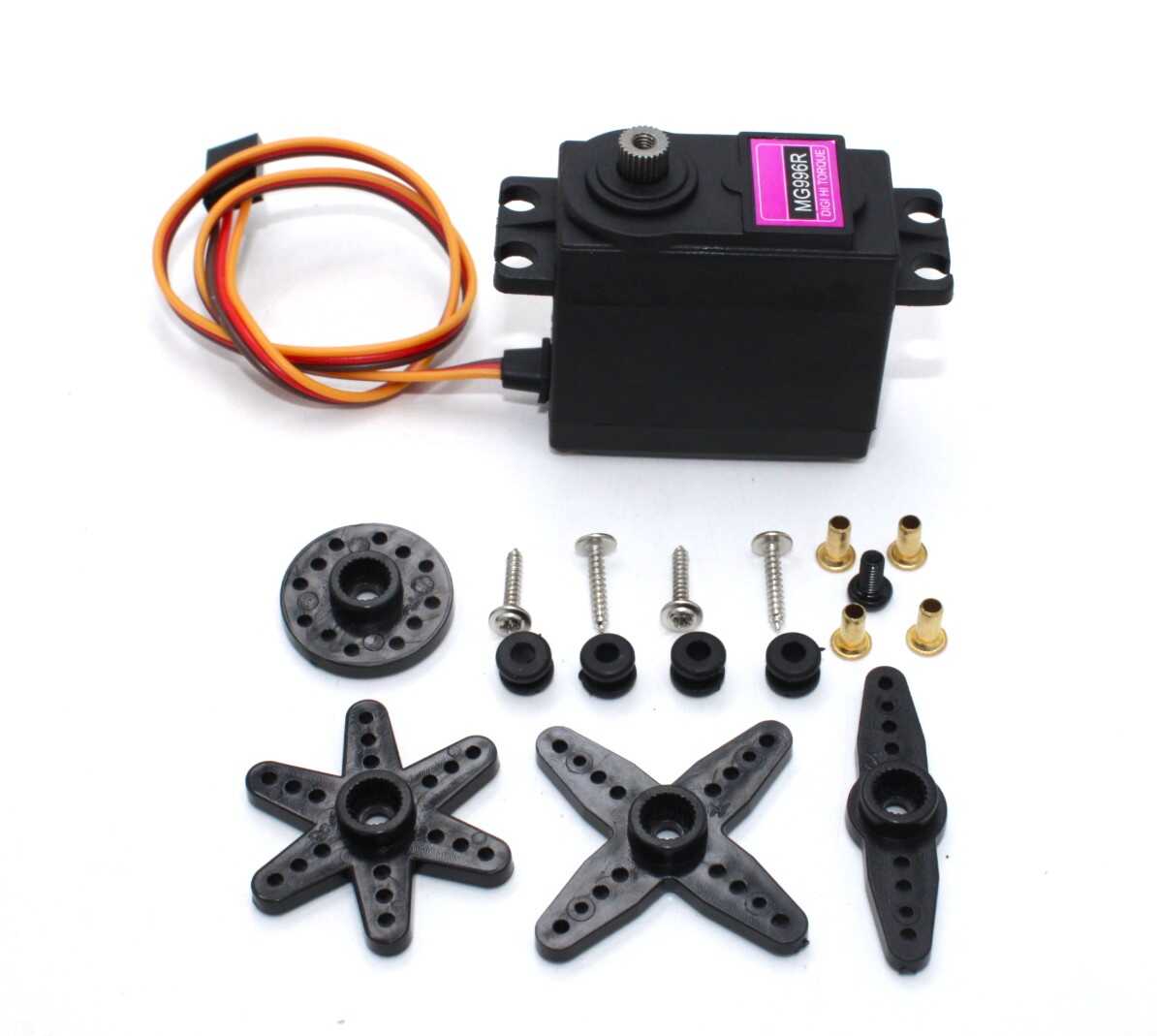
Servo MG996 13KG 180 Degree — High Quality
When you need more than an SG90 but not yet at DS3225 level — this 13 kg·cm metal gear servo bridges the gap for medium-load robotic arms and heavy RC applications.
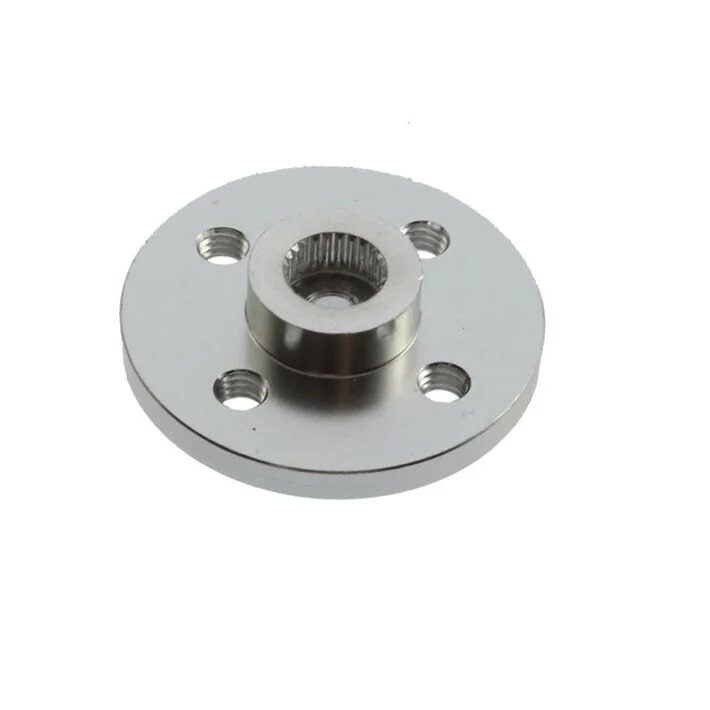
Aluminum Servo Horn / Arm 25T Round Disc (MG995 / MG996)
Essential upgrade for high-torque servo builds — aluminium disc horn replaces the plastic that shears under heavy load. 25T spline fits DS3225, DS5160, and MG996 servos.
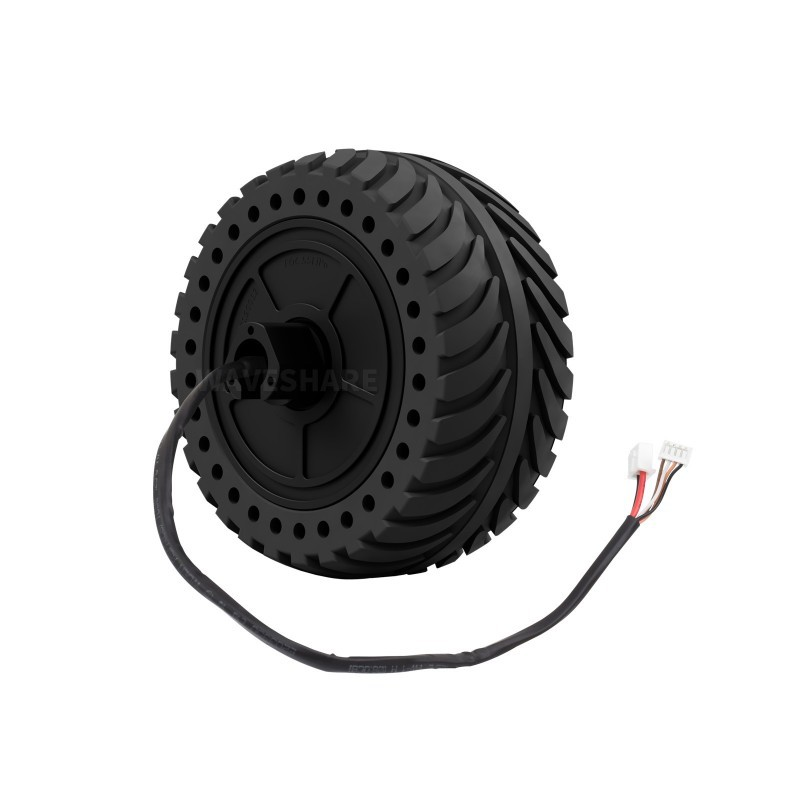
Waveshare DDSM115 Direct Drive Servo Hub Motor
For wheel joints in heavy UGV and robotic platforms — this direct-drive hub motor provides high torque and low noise without the gearbox maintenance issues of geared servos.
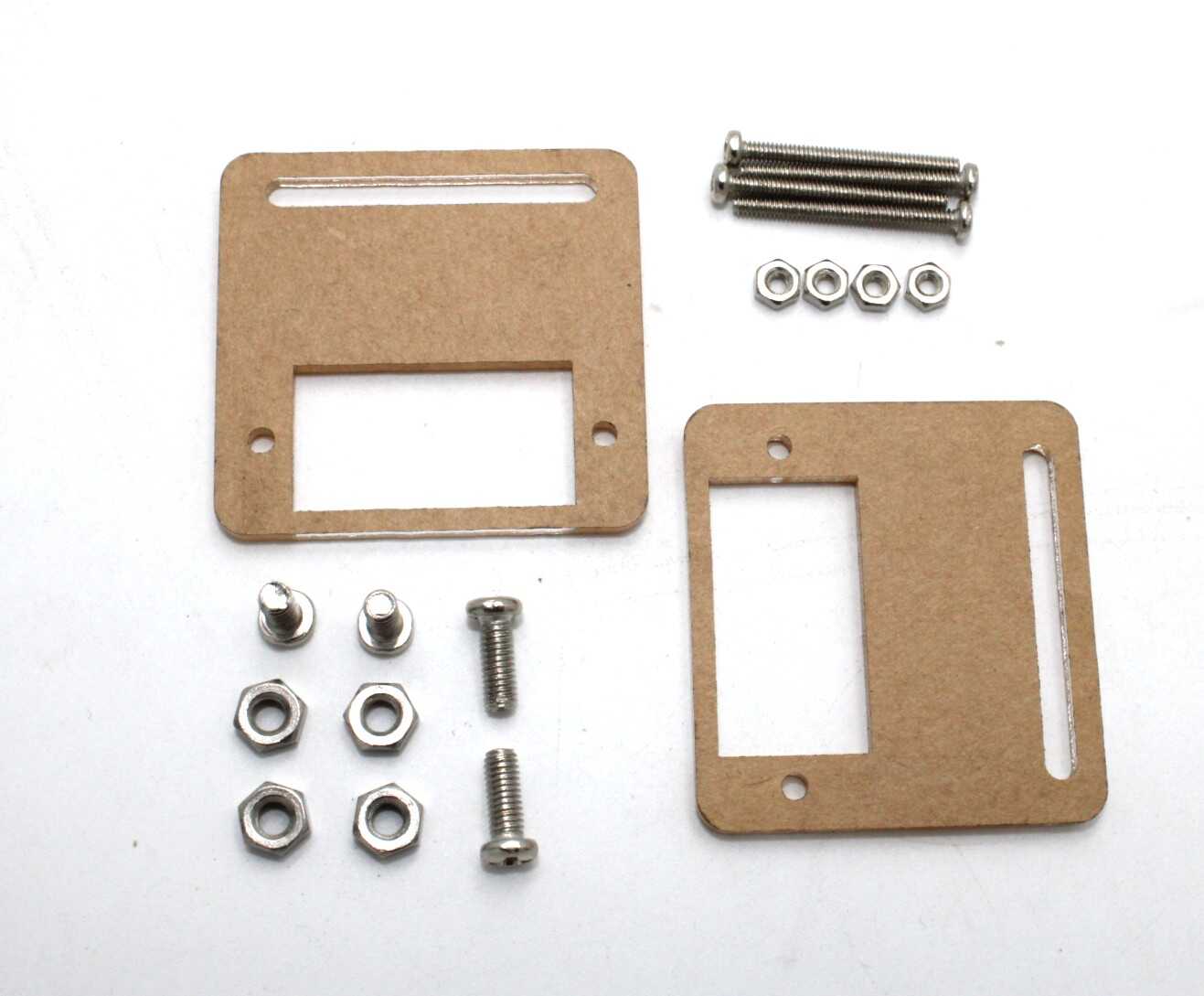
Servo Mount Holder Bracket for SG90/MG90 (Pack of 2)
Prototype and test your servo control logic with SG90 at low cost before committing to DS3225 — these brackets give a clean, repeatable mounting for initial development.
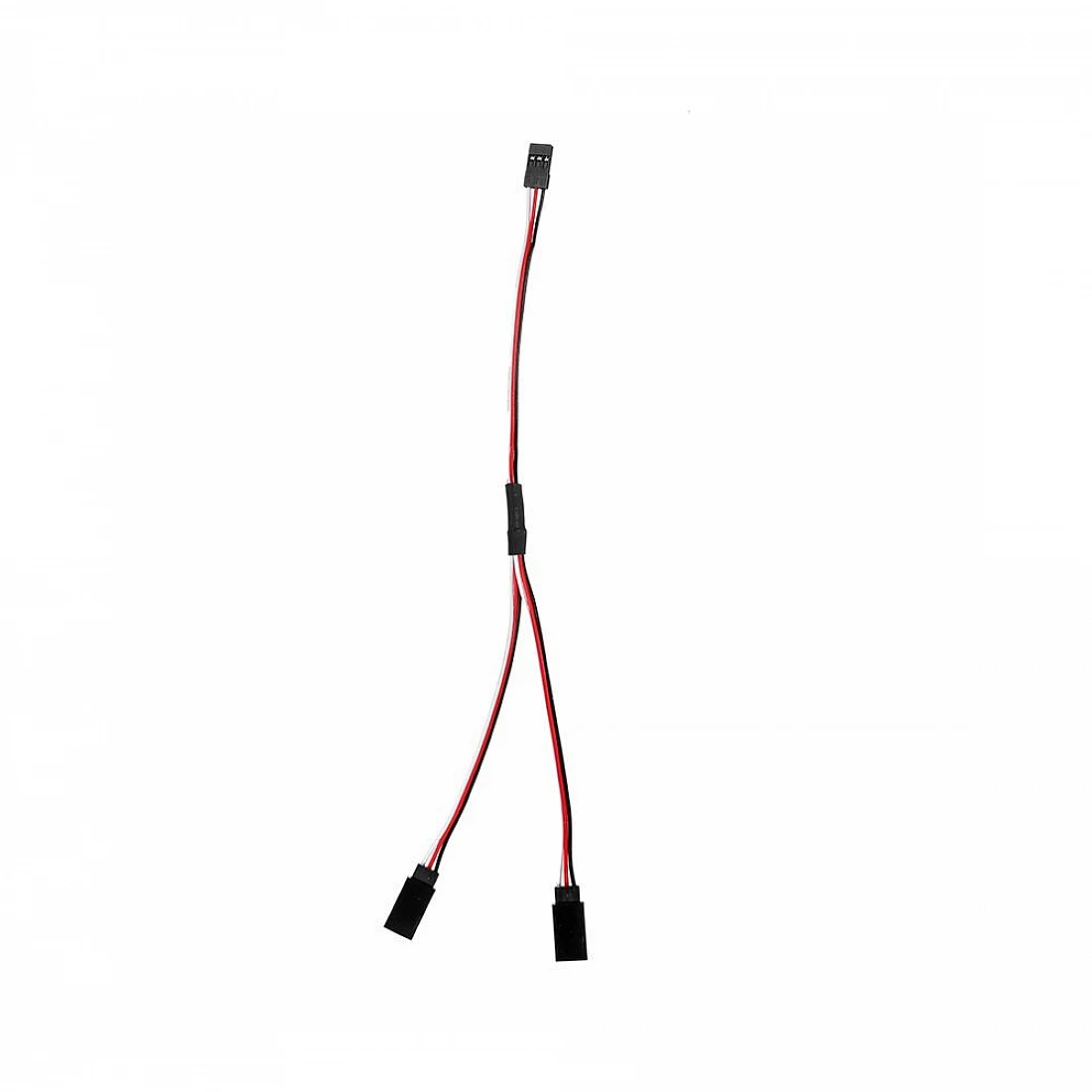
15cm Y-Type Servo Wire (1 JR Male to 2 Futaba Female)
Useful for daisy-chaining servo power distribution in multi-servo builds — lets you parallel two servos from one power rail connection neatly and cleanly.
Frequently Asked Questions
Can I run a DS3225 directly from Arduino’s 5V pin?
No. The DS3225 requires 6–8.4 V to reach rated torque, and draws up to 2.5 A at stall. The Arduino’s onboard 5 V regulator can supply only 40–200 mA depending on the board. Connecting a DS3225 to Arduino 5 V will instantly overload the regulator and likely destroy the Arduino. Always use an external LiPo battery for power.
What is the difference between DS3225 and DS3225PRO?
The PRO variant has a higher voltage rating (up to 8.4 V vs 6.8 V for standard) and uses titanium-coated gears for better wear resistance under sustained high torque. At 8.4 V, the PRO delivers approximately 30–35% more torque than the standard version at 6 V. For any serious robotics application, the PRO is worth the small price premium.
How many DS3225 servos can I run from one 2S LiPo?
A 2S 2200 mAh 30C LiPo can burst at 66 A — far more than any servo build needs. Runtime is the limiting factor: 4 DS3225 servos at 50% average load draw roughly 2 A total. A 2200 mAh pack provides about 60 minutes of operation in that scenario. For a 12-servo quadruped at active gait, plan for 30–45 minutes per charge on a 3000–4000 mAh pack.
Does the DS5160 work with standard servo PWM?
Yes. The DS5160 accepts standard 50 Hz PWM signal (1000–2000 µs, extended to 500–2500 µs for full 270° range). It is compatible with all Arduino servo libraries, Raspberry Pi pigpio, and any RC receiver. The only thing different from a small servo is the power requirement — the control interface is identical.
What is the best voltage for maximum torque from a DS5160 HV?
The DS5160 HV reaches maximum rated torque at 12 V (3S LiPo, 12.6 V fully charged). At this voltage, torque can exceed 60 kg·cm. However, also ensure your PCA9685 or servo controller logic supply is isolated from the servo power — most PCA9685 boards have separate VCC (3.3–5 V for logic) and V+ (servo power) terminals for exactly this reason.
Can I use a DS3225 as a continuous rotation servo?
No, not out of the box. DS3225 uses a pot-based position feedback system and has physical end stops. Continuous rotation requires removing the pot and end stops — a modification that voids warranty and affects position feedback. For continuous rotation heavy-duty applications, use a brushless hub motor or a DC gear motor with H-bridge driver instead.
Browse Zbotic’s full range of servo motors, servo accessories, and motor drivers — all shipped fast across India with support from fellow makers.






Add comment