
When it comes to hands-free bench testing, nothing beats a reliable set of crocodile clip test leads. Whether you’re probing a circuit board, holding a component in place while soldering, or connecting your multimeter to a PSU rail, crocodile clips let you work confidently without a helper. If you’ve been searching for the best crocodile clip test leads in India, this guide breaks down everything you need to know — from jaw size and insulation ratings to silicone vs PVC cables — and recommends the right products for hobbyists, students, and professionals alike.
What Are Crocodile Clip Test Leads?
Crocodile clip test leads (also called alligator clip test leads) are flexible electrical connectors with spring-loaded jaws that grip onto wires, component leads, or PCB pads. They’re named after their resemblance to a crocodile’s serrated jaw. In India, you’ll hear them called crocodile clips, alligator clips, or simply test clips — they all refer to the same component.
A typical set consists of two insulated cables (usually red and black) terminated with spring-loaded metal jaws on one or both ends. The cables attach to multimeter probes, oscilloscope BNC connectors, bench power supplies, or even banana plugs depending on the configuration.
For bench work, these clips are indispensable. They free both hands, reduce the chance of accidental shorts, and hold connections stable while you observe readings or adjust components. Every electronics workbench in India — from a student’s bedroom desk to a professional R&D lab — should have at least one quality set.
Types of Crocodile Clips Explained
Not all crocodile clip test leads are created equal. Understanding the different configurations helps you pick the right one:
Standard Alligator-to-Alligator
The most common type. Both ends have crocodile jaws. Ideal for connecting two points on a circuit — for example, attaching a bench PSU output to a load, or probing two nodes simultaneously. These come in various lengths from 15 cm to 1.5 m.
Alligator-to-Banana Plug
One end has a crocodile jaw; the other has a 4 mm banana plug that fits standard multimeters or lab bench power supplies. Very popular in India for multimeter extension leads.
Alligator-to-IC Clip (Micro)
Micro or mini alligator clips designed for IC pins, SMD component leads, and fine-pitch PCB pads. The jaw opening is as narrow as 1–2 mm, making them essential for SMD rework and PCB debugging.
Kelvin Clips (4-Wire)
Used for accurate resistance measurements. Two clips (one for current, one for voltage sense) eliminate contact resistance errors. Common in LCR meter setups for measuring low-value resistors and inductors.
High-Current Clips
Rated for 10 A, 20 A, or even 50 A. Used for automotive battery testing, high-power LED testing, or connecting to SMPS rails. Jaw size is considerably larger.
Key Specs to Check Before Buying
Before purchasing crocodile clip test leads in India, evaluate these specifications:
Current Rating
For general electronics hobby work, 3 A–5 A is adequate. For power electronics, SMPS testing, or automotive applications, choose 10 A or above. Never exceed the clip’s current rating — it can melt insulation or cause arcing.
Voltage Rating
Most hobby-grade clips are rated for 50 V–300 V CAT I. For mains voltage testing (230 V AC in India), ensure the clips are at least CAT II 300 V rated with fully shrouded jaws. CAT III is required for distribution panel work.
Jaw Opening
Standard clips open 10–15 mm. Mini clips for PCB work open 2–5 mm. Check whether the jaw matches the lead diameter or PCB pad size you’ll be working with.
Cable Material
Silicone cables are flexible even at low temperatures and resist heat — great for soldering-adjacent work. PVC cables are cheaper but stiffen in cold environments. Always check the cable length: 60 cm–90 cm suits most bench setups.
Insulation Quality
Look for fully shrouded jaws that expose only the tip. Fully insulated clips dramatically reduce the risk of accidental shorts, especially when working near multiple nodes on a crowded PCB.
Contact Material
Copper or brass jaws with nickel or tin plating offer the best conductivity and corrosion resistance. Cheap steel clips corrode and introduce contact resistance errors in sensitive measurements.
Bench Testing Use Cases in Electronics
Here are the most common scenarios where crocodile clip test leads prove their worth on an Indian electronics workbench:
Power Supply Connections
Attaching clip leads from your bench PSU or SMPS to a prototype board or load resistor is the most fundamental use. The clips grip the bare wire ends or banana post terminals firmly without slipping.
Multimeter Probing
Clip a pair of test leads to two circuit nodes and watch voltage readings without holding probes. This is especially useful when adjusting a trimpot or potentiometer with one hand while monitoring the output voltage.
Component Testing
Clip your multimeter leads to resistor legs, capacitor leads, or diode terminals for quick measurements. For component sorting, a clip stand makes it even faster.
Oscilloscope Ground Reference
The ground clip on your oscilloscope probe is a crocodile clip. A solid, low-impedance ground connection is critical for accurate waveform capture — use quality clips here, not cheap ones that add parasitic inductance.
PCB Debugging
When tracing a fault on a PCB, micro alligator clips let you tack onto IC pins, via pads, or component leads without soldering anything. This non-destructive probing technique saves boards and components.
Soldering Third-Hand Use
Flexible arm soldering stations with alligator/crocodile clips hold components and PCBs in place while both hands are free to solder. These are among the most-loved tools on any Indian electronics bench.
Recommended Products from Zbotic
Zbotic stocks a range of bench testing tools that complement or include crocodile clip functionality. Here are the top picks for Indian makers:
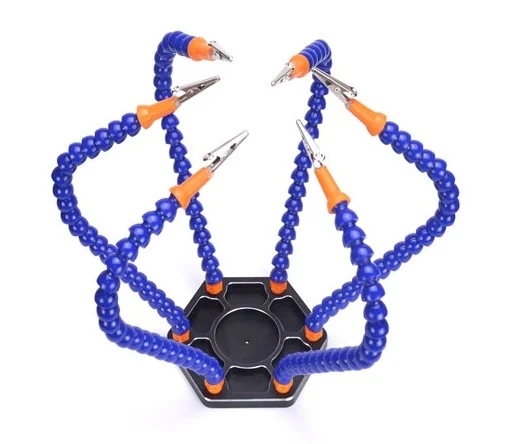
6 Flexible Arms Soldering Station With Swiveling Alligator Clip
Six gooseneck arms with swiveling alligator/crocodile clips hold PCBs, wires, and components hands-free during soldering and bench testing. Perfect for hobbyists and professionals who need multiple stable contact points.
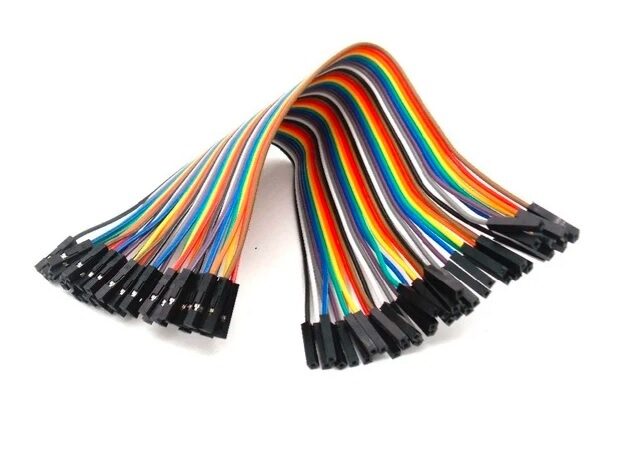
10CM Female To Female Breadboard Jumper Wires 2.54MM – 40Pcs
Colour-coded jumper wires that pair perfectly with alligator-to-female-header adapters. Use these to bridge crocodile clip connections to breadboards, Arduinos, and sensor modules for a secure, modular bench setup.
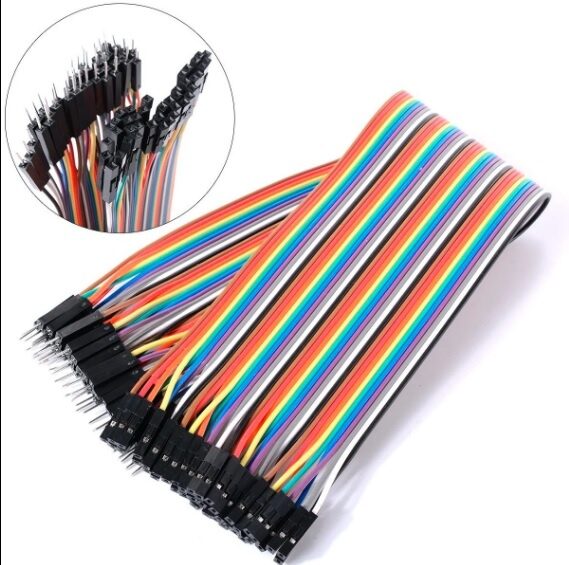
10CM Male To Female Breadboard Jumper Wires 2.54MM – 40Pcs
Male-to-female jumper wires are the go-to bridge between a crocodile clip’s alligator jaw (gripped to the male pin) and a female socket on your development board or sensor breakout.
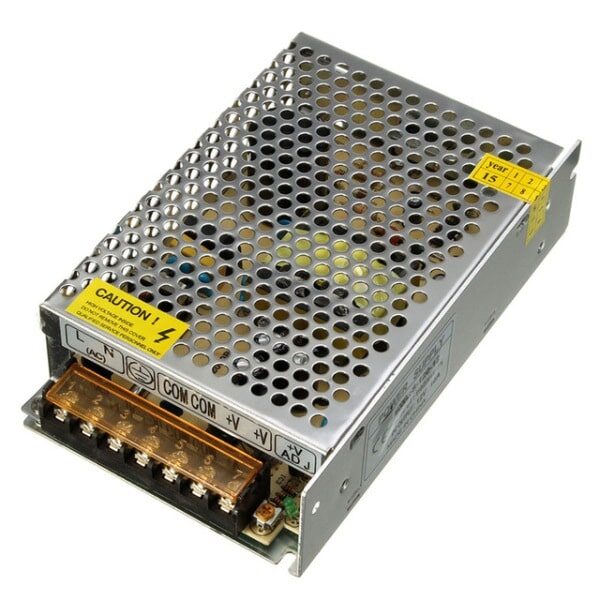
12V 10A SMPS – 120W DC Metal Power Supply
A solid bench power supply is the natural partner for crocodile clip test leads. This 120W SMPS has screw-terminal outputs ideal for clipping onto with high-current crocodile test leads during load testing.
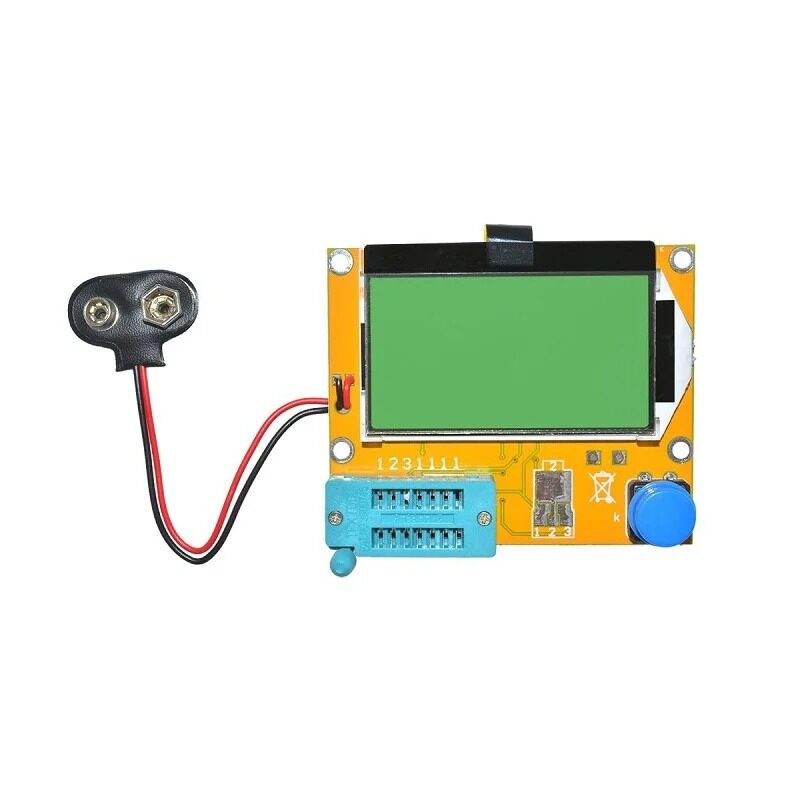
LCR-T4 Graphical Transistor Tester – Resistance, Capacitance, ESR, SCR
This versatile component tester with ZIF socket can also be connected via Kelvin clip leads for measuring low-resistance components accurately. Works with transistors, capacitors, resistors, ESR, and more.
Safety Tips When Using Crocodile Clips
Crocodile clip test leads are safe when used correctly, but a few careless habits can lead to shorts, burns, or even electric shock. Follow these precautions:
- Never exceed the rated current or voltage. Check the clip’s datasheet or label and match it to your circuit’s requirements.
- Use fully-shrouded clips for mains voltages. Bare-jaw clips can accidentally contact adjacent conductors at 230 V AC, causing dangerous arcing.
- Attach the ground clip first, remove it last. This is the standard sequence to avoid accidental shorts during connection and disconnection.
- Inspect insulation before every use. Cracked or frayed insulation on cables or jaw shrouds should disqualify the clip immediately. Replace, don’t repair with tape.
- Keep jaws clean and spring-loaded. Dirty or weak-spring jaws lose contact mid-measurement, causing intermittent readings and potential arcing on high-current circuits.
- Don’t daisy-chain multiple clips in series for higher voltage. Each clip has its own rating; series connection does not multiply the voltage rating safely.
- Use rated leads for automotive/battery work. Car batteries can deliver hundreds of amps into a short. Always use clips rated for at least 10 A with appropriately gauged cables.
Frequently Asked Questions
What is the difference between an alligator clip and a crocodile clip?
They are functionally identical. In India and the UK, the term “crocodile clip” is more common, while “alligator clip” is used in the US. Both refer to the same spring-loaded test clip with serrated jaws.
Can I use crocodile clips on SMD components?
Standard crocodile clips are too large for SMD work. You need micro or mini alligator clips with a jaw opening of 1–3 mm. Some specialty IC test clips have fine points that can grip SMD leads or probe pads without bridging adjacent pins.
What wire gauge should I use with crocodile clip test leads?
For signal and low-current measurement leads, 26–28 AWG is fine. For power connections up to 5 A, use 22–24 AWG. For 10 A or higher, go to 18–20 AWG with high-strand flexible wire to minimise resistance and heat.
Are silicone cables worth the extra cost?
Yes, particularly in Indian conditions. Silicone cables stay flexible in both summer heat and monsoon humidity, resist burning if accidentally touched by a soldering iron, and last significantly longer than PVC cables in workshop environments.
Can crocodile clips be used at 230V mains?
Only if they are rated for it and fully shrouded to prevent accidental contact. Look for CAT II 300 V or CAT III 300 V ratings. Never use standard hobby-grade clips (rated 50 V or less) near mains voltage.
Where can I buy quality crocodile clip test leads in India?
Zbotic offers a range of test leads and bench accessories with fast delivery across India. Browse the Tools & Equipment category for multimeter leads, alligator clips, and bench accessories suitable for students and professionals.







Add comment