
Table of Contents
- Why Filament Brand Matters
- Filament Materials Explained: PLA, ABS, PETG
- Top 3D Printing Filament Brands Available in India (2026)
- Bambu Lab Filament: Premium Performance
- eSUN Filament: The Reliable All-Rounder
- Budget-Friendly Brands Worth Considering
- Quick Comparison Table
- Filament Storage Tips for Indian Climate
- Which Filament Should You Buy?
- FAQ
If you own a 3D printer in India, you already know that not all filaments are created equal. The filament you choose directly affects print quality, strength, ease of printing, and long-term reliability. With dozens of brands now available through online and local stores, choosing the best 3D printing filament brand in India in 2026 can feel overwhelming.
This guide cuts through the noise. We compare the most popular filament brands across material types — PLA, ABS, and PETG — with honest pros, cons, and real-world printing notes for Indian hobbyists, engineers, and makers.
Why Filament Brand Matters
Many beginners assume all 1.75mm filaments are the same. They are not. Here is what varies between brands:
- Diameter consistency: Low-quality filaments fluctuate ±0.1mm or more, causing under-extrusion, clogs, and failed prints. Premium brands maintain ±0.02mm tolerance.
- Moisture content: India’s humid climate is hard on filament. Brands that vacuum-seal with desiccant packs arrive dry and print better out of the box.
- Pigment quality: Cheap pigments affect layer adhesion and can contaminate your nozzle faster.
- Spool winding: Poor winding leads to tangles mid-print — a frustrating waste of time and material.
- Batch consistency: Good brands maintain the same properties across production batches so your settings don’t need recalibration every roll.
In India specifically, filament import duties, shipping costs, and limited local availability push prices higher than global averages. This makes choosing correctly even more important — you don’t want to waste ₹1,500–₹2,500 on a spool that gives you problems.
Filament Materials Explained: PLA, ABS, PETG
Before comparing brands, it helps to understand what each material is good for. The three most commonly used filaments in India are:
PLA (Polylactic Acid)
PLA is the easiest filament to print with. It is plant-based, biodegradable, and available in a massive range of colours. It prints at 190–220°C and doesn’t need a heated bed (though one helps). PLA is perfect for decorative items, prototypes, and most hobbyist projects. Its main drawback is low heat resistance — it can deform above 55–60°C, making it unsuitable for objects left in direct Indian summer sunlight inside cars, for example.
ABS (Acrylonitrile Butadiene Styrene)
ABS is stronger and more heat-resistant than PLA (up to 100°C). It is commonly used for functional parts, electronics housings, and mechanical components. However, ABS prints at 220–250°C, requires a heated bed (90–110°C), and emits fumes that require good ventilation or an enclosure. It also tends to warp if cooled unevenly, making enclosed printers a strong recommendation.
PETG (Polyethylene Terephthalate Glycol)
PETG sits between PLA and ABS. It is tougher than PLA, easier to print than ABS, and has excellent layer adhesion. It prints at 220–245°C with a heated bed at 70–85°C. PETG is slightly flexible, moisture-resistant, and good for food-safe applications (when properly printed). The main challenge is stringing — it tends to leave thin plastic strings between parts if retraction settings aren’t dialled in.
Top 3D Printing Filament Brands Available in India (2026)
Here are the main brands Indian makers are using in 2026, from premium to budget:
Bambu Lab Filament: Premium Performance
Bambu Lab entered the filament market alongside their revolutionary printers, and the quality matches their hardware reputation. Their filaments use a reusable spool system (RFID-tagged on their printers) that communicates with the printer to auto-configure print settings. Even on non-Bambu printers, the filament quality is exceptional.
Key strengths:
- Extremely tight diameter tolerance (±0.02mm)
- Vacuum-sealed with desiccant — arrives dry even after long shipping in humid India
- Reusable spool reduces plastic waste
- Consistent across batches — same profile works roll after roll
- Available in PLA, ABS, PETG, TPU, PA, and specialty variants
Best for: Users who want consistent, high-quality results without constant tinkering. Ideal for Bambu Lab printer owners but works excellently on Ender, Prusa, and other printers too.
Price range in India: ₹1,800–₹2,500 per 1kg spool (PLA/ABS/PETG). Premium pricing justified by premium results.
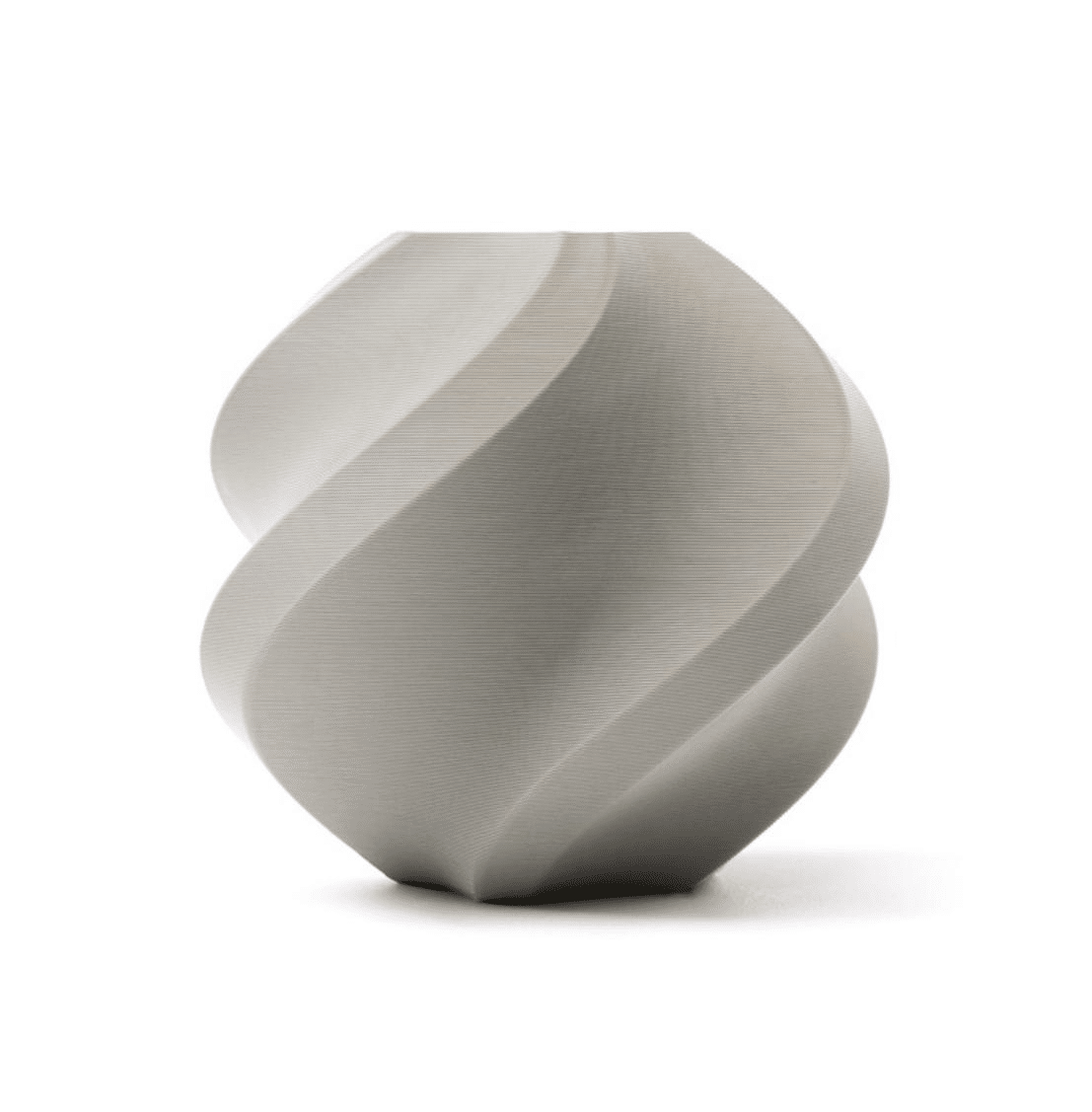
Bambu Lab PLA 3D Printer Filament – Grey 1.75mm with Reusable Spool
Premium PLA from Bambu Lab with tight diameter tolerance, vacuum sealed for humidity protection, and a reusable eco-friendly spool. Perfect for prototypes, decorative prints, and everyday use.
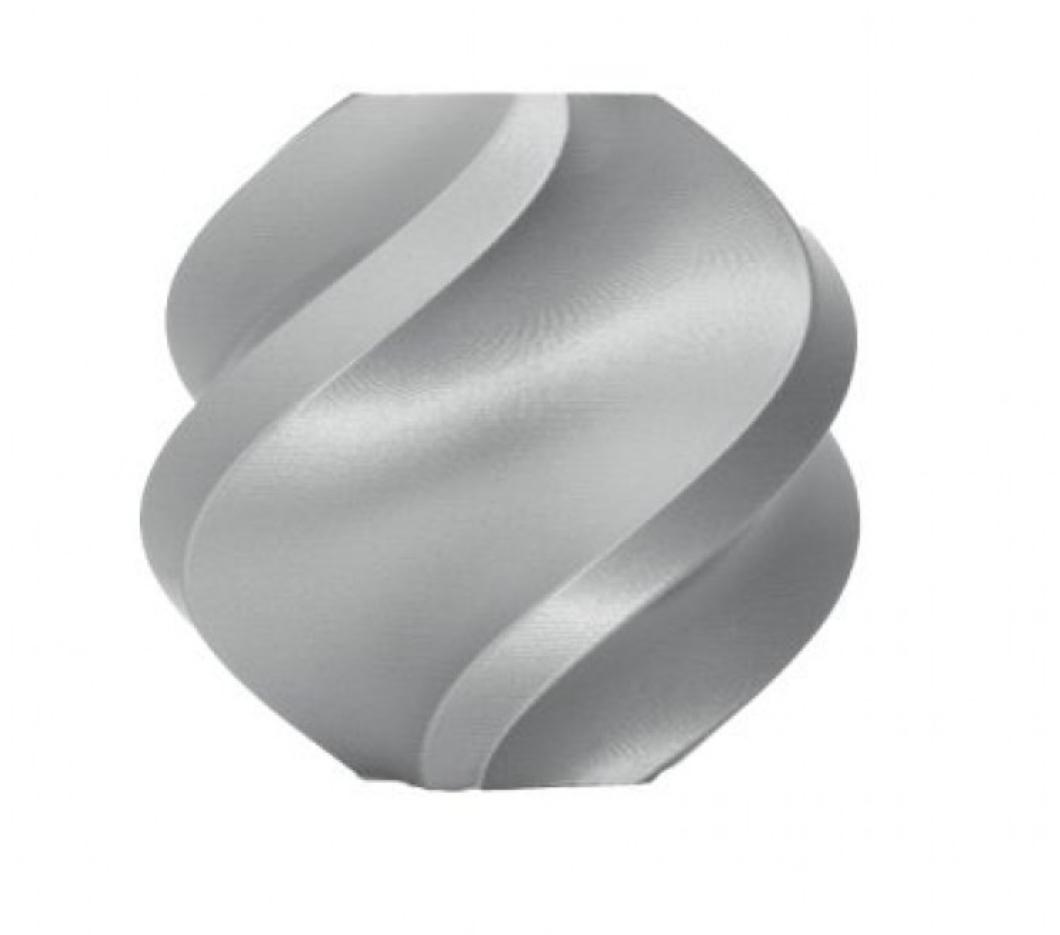
Bambu Lab PLA 3D Printer Filament – Silver 1.75mm with Reusable Spool
Metallic silver finish PLA that prints beautifully on any FDM printer. Great for display models, cosplay props, and projects where aesthetics matter alongside strength.
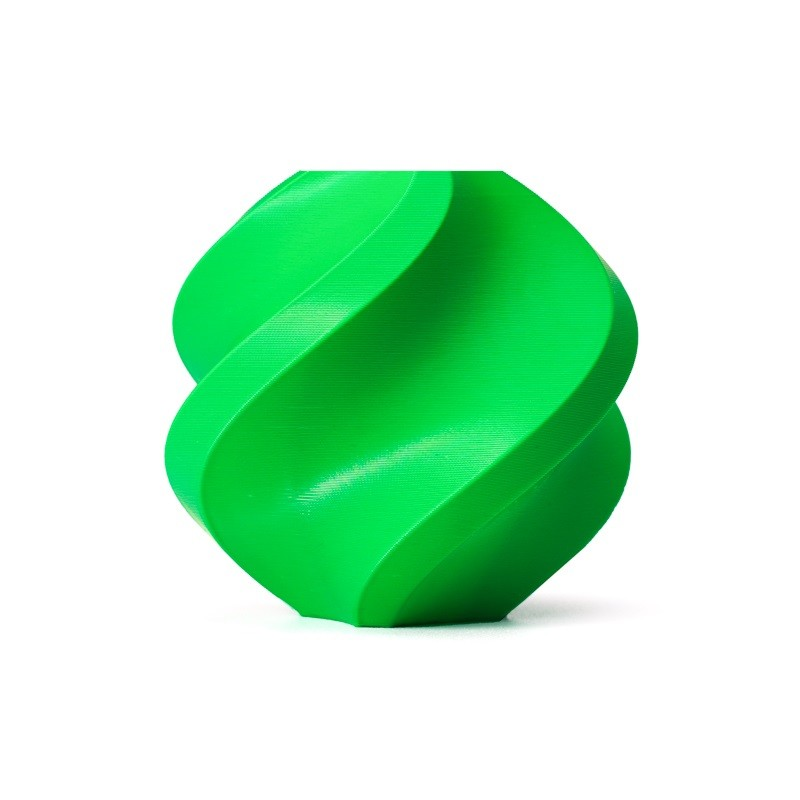
Bambu Lab ABS 3D Printer Filament – Bambu Green 1.75mm with Reusable Spool
High-performance ABS from Bambu Lab engineered for minimal warping and consistent extrusion. Excellent for functional parts, tooling, and heat-resistant applications up to 100°C.
eSUN Filament: The Reliable All-Rounder
eSUN is one of the most trusted mid-range filament brands globally, and they have a solid presence in India. They manufacture an enormous range of materials — from standard PLA to exotic filaments like PLA+, eSilk, eResin, and PETG — all at reasonable price points.
Key strengths:
- Wide material range — whatever you need, eSUN probably makes it
- Good diameter consistency (±0.05mm)
- eSUN PLA+ is particularly popular for stronger functional parts
- PETG is well-regarded for stringing control with proper retraction
- Available on Amazon India and specialist hobby stores
Best for: Makers who want reliable quality at a mid-range price. Excellent choice for Ender 3 and similar open printers.
Price range in India: ₹1,200–₹1,800 per 1kg spool depending on material.
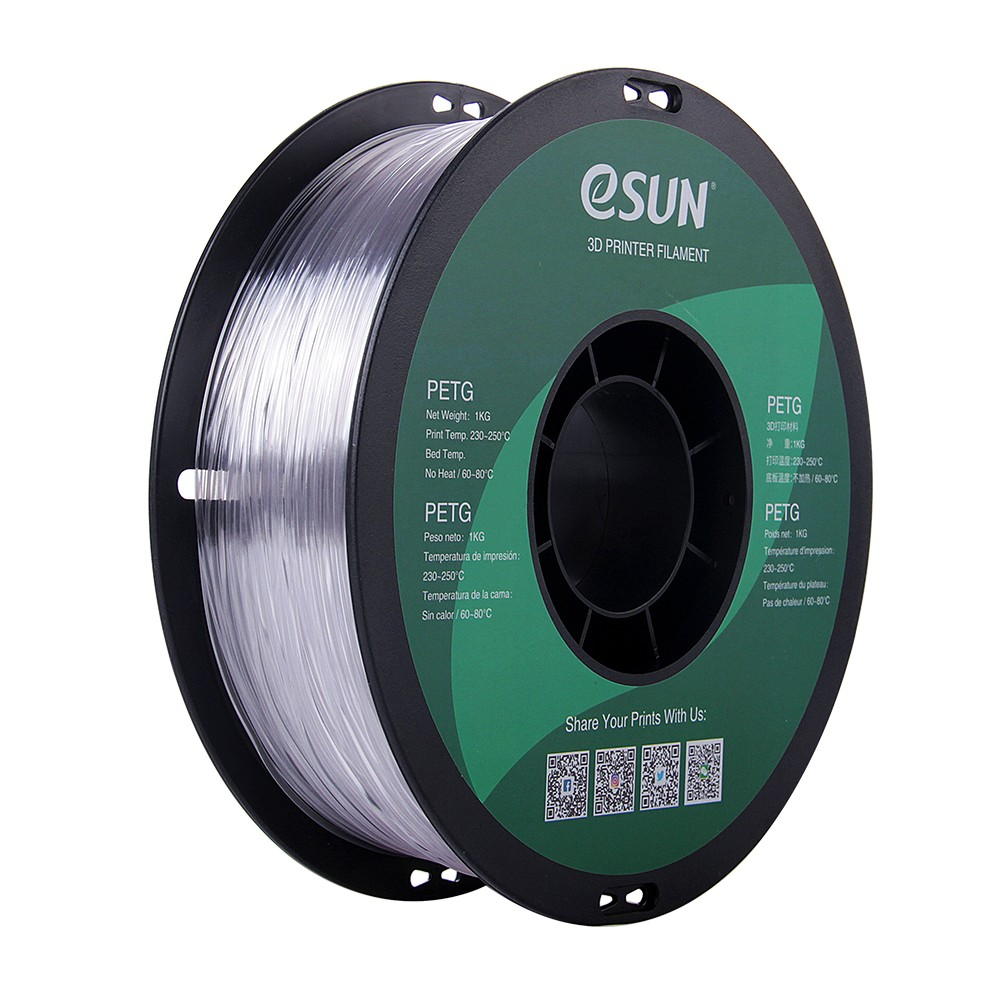
eSUN PETG 1.75mm 3D Printing Filament 1kg – Clear
Crystal-clear PETG with excellent layer adhesion and moisture resistance. Ideal for functional parts, containers, and any print requiring toughness and slight flexibility over brittle PLA.
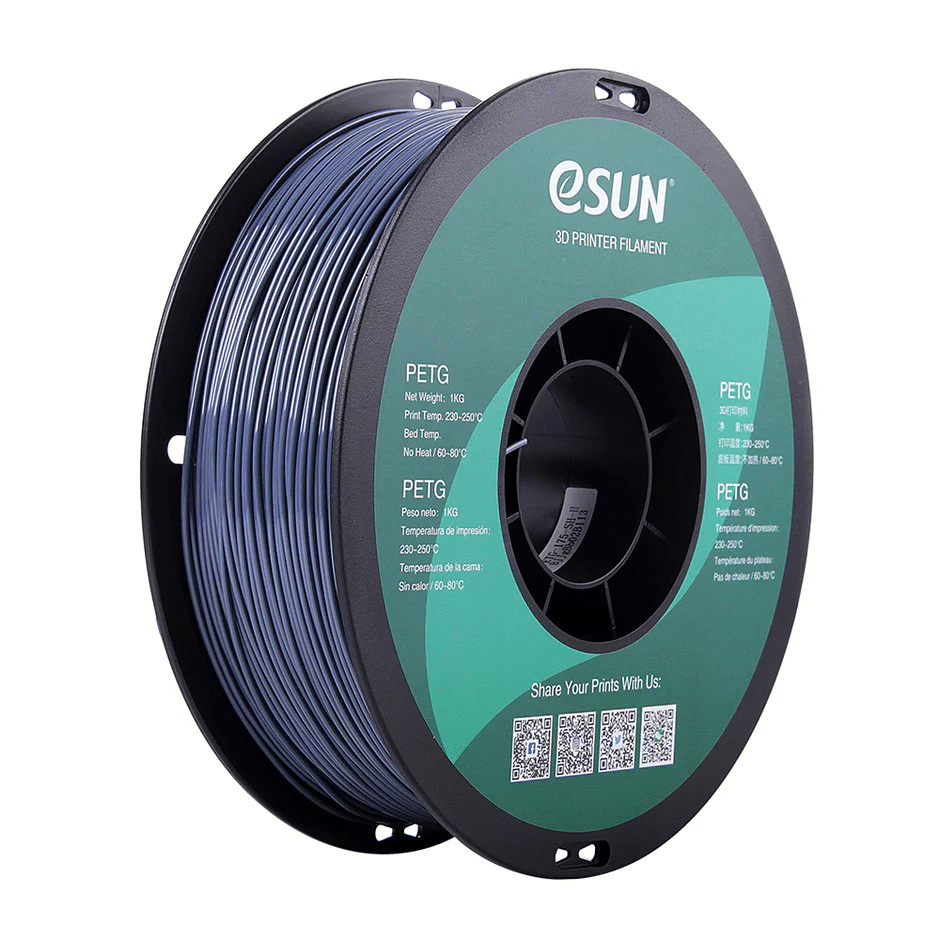
eSUN PETG 1.75mm 3D Printing Filament 1kg – Grey
Neutral grey PETG that hides layer lines beautifully. A go-to choice for engineering prototypes, brackets, fixtures, and anything that needs both strength and a professional appearance.
Budget-Friendly Brands Worth Considering
For those on a tight budget — students, hobbyists doing high-volume prototyping, or newcomers not yet committed — there are a few budget options that have developed decent reputations in the Indian maker community:
- Creality Filament: Bundled with many Creality printers, reasonable quality for PLA. Not exceptional but functional.
- Sunlu: Popular on Amazon India. Decent PLA and PETG at lower prices. Diameter consistency is acceptable, though not as tight as Bambu or eSUN.
- Local imports from AliExpress: Very hit-or-miss. Can be excellent value or terrible quality depending on the seller.
For critical projects — functional parts, robotics, end-use products — stick with Bambu Lab or eSUN. Reserve budget brands for practice prints and disposable prototypes.
One essential accessory regardless of which brand you choose is a good filament cleaner/dust filter. India’s dusty environments can introduce contaminants that cause nozzle clogs over time.
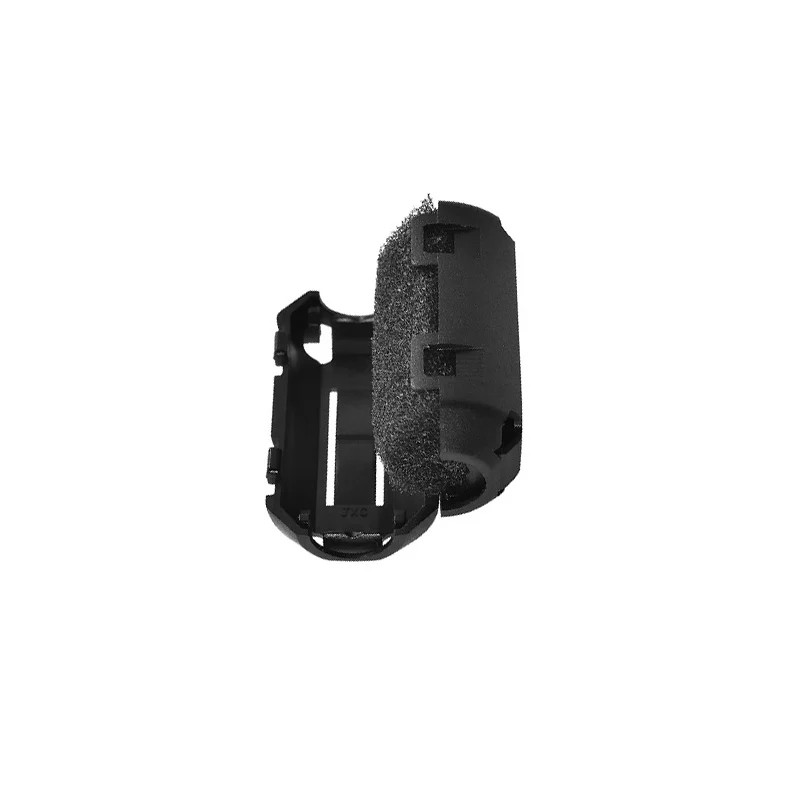
ABS PLA PETG 1.75mm Filament Filter Cleaner – Dust Removal for Ender 3, CR-10, Prusa i3
Simple but effective filament cleaner that removes dust and debris before it enters your hotend. A must-have for any open-frame printer in dusty Indian environments.
Quick Comparison Table
| Brand | Materials | Tolerance | Price (1kg) | Best For |
|---|---|---|---|---|
| Bambu Lab | PLA, ABS, PETG, TPU, PA+ | ±0.02mm | ₹1,800–2,500 | Quality-first users, Bambu printer owners |
| eSUN | PLA, PLA+, ABS, PETG, TPU, specialty | ±0.05mm | ₹1,200–1,800 | All-round makers, Ender/Prusa users |
| Sunlu | PLA, PETG, TPU | ±0.05–0.1mm | ₹800–1,200 | Beginners, practice prints |
| Creality | PLA, ABS | ±0.05–0.1mm | ₹700–1,100 | Creality printer bundling, casual use |
Filament Storage Tips for Indian Climate
India’s high humidity — especially in coastal cities like Mumbai, Chennai, and Kochi, and during monsoon season everywhere — is the single biggest enemy of filament quality. Moisture-absorbed filament causes:
- Popping/crackling sounds during printing
- Rough surface texture and bubbles in layers
- Stringing and oozing worse than normal
- Reduced part strength and layer adhesion
Best storage practices:
- Airtight containers: Store opened spools in airtight storage boxes with silica gel desiccant packs. Food-grade containers from IKEA or Amazon work well.
- Desiccant packs: Use rechargeable silica gel. Recharge by baking at 120°C for 2–3 hours when they turn pink/purple.
- Dry before use: If filament has absorbed moisture, dry it before printing. PLA: 50°C for 4–6 hours. ABS: 70°C for 4–6 hours. PETG: 65°C for 4–6 hours. Use a food dehydrator or oven on lowest setting.
- Print from a dry box: For ongoing prints, consider a live dry box (airtight container with a filament feed-through hole and active desiccant). This is especially important during monsoon.
- Buy vacuum-sealed: Prefer brands that ship filament vacuum-sealed. Bambu Lab does this excellently.
Which Filament Should You Buy?
Here is a simple decision framework for Indian buyers in 2026:
Choose Bambu Lab if:
- You own a Bambu Lab printer (P1S, X1C, A1 Mini, etc.)
- You want the best possible print quality with minimal calibration
- Budget is secondary to results
- You value eco-friendly reusable spools
Choose eSUN if:
- You print on Ender 3, Prusa, or similar open printers
- You need a wide variety of materials from one trusted supplier
- You want reliable quality at mid-range pricing
- You do functional/engineering prints and need consistency
Choose budget brands if:
- You are a complete beginner still learning printer calibration
- You are doing high-volume disposable prototype work
- Budget is very tight and you accept occasional failed prints
Regardless of brand, keep your nozzle clean. A clogged nozzle ruins even the best filament.
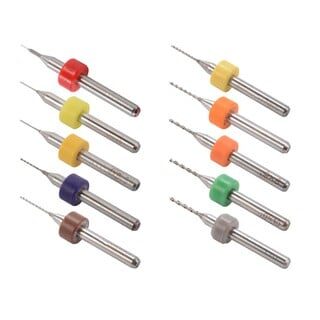
0.1–1.0mm Mixed 3D Printer Nozzle Cleaning Drill Bit Kit – 10 Pcs
Essential kit for clearing partial clogs from your nozzle without full replacement. Works with MK7, MK8, and RepRap style hotends — keep one near your printer always.
Frequently Asked Questions
Which filament brand is best for beginners in India?
For beginners, eSUN PLA+ is an excellent starting point. It is forgiving, prints easily at 210–220°C, and gives strong results. Bambu Lab PLA is slightly better in quality but more expensive. Avoid ABS as a beginner — it is harder to manage without an enclosure.
Is PETG better than PLA for functional parts?
Yes, for most functional parts PETG is the better choice. It is tougher, more flexible, and has better heat and moisture resistance than standard PLA. PLA+ bridges the gap somewhat, but PETG is the go-to for hinges, brackets, clips, and parts that will see real-world stress.
Can I use Bambu Lab filament on a Creality Ender 3?
Absolutely. Bambu Lab filament is standard 1.75mm and works perfectly on any FDM printer. You simply won’t have the RFID auto-configuration feature, but the filament quality remains the same. Use the recommended temperatures (PLA: 210–220°C, ABS: 240–260°C, PETG: 230–250°C) as a starting point.
How do I know if my filament has absorbed moisture?
Listen for popping or hissing sounds while printing. Look for rough, bubbly, or dull surface finishes where you’d expect smooth layers. Excessive stringing or oozing can also indicate moisture. If in doubt, dry the filament before use (see storage tips above).
Where can I buy quality filament in India?
Zbotic.in stocks genuine Bambu Lab and eSUN filaments with fast shipping across India. Other options include Amazon India, Robu.in, and local maker spaces. Always check for genuine products and avoid suspiciously cheap deals on unknown platforms.
What is the best filament for printing in hot Indian summers?
If your prints will be exposed to heat (e.g., car interiors, outdoor use), choose ABS, ASA, or PETG. Standard PLA will deform in temperatures above 55°C. For extreme heat, consider polycarbonate or Nylon — but these require more advanced printer setups.
Ready to Level Up Your 3D Printing?
Shop genuine Bambu Lab and eSUN filaments at Zbotic.in — India’s trusted electronics and maker store. Fast shipping, genuine products, and expert support for all your 3D printing needs.







Add comment