
Best 18650 Batteries for DIY Projects in India 2026: Rankings
Finding the best 18650 battery in India 2026 for your DIY project can feel overwhelming — the market is flooded with unbranded cells, counterfeit high-capacity claims, and conflicting specs. The 18650 lithium-ion cell format (18mm diameter × 65mm length) is the undisputed workhorse of hobbyist power systems, from Arduino-powered robots to homemade power banks and portable speaker builds. This guide cuts through the noise and gives you practical, India-specific buying advice for 2026.
Why 18650 Cells Dominate DIY Projects
The 18650 format has become the standard for good reasons. These cylindrical cells pack an impressive energy density of 150–260 Wh/kg, far higher than lead-acid or NiMH alternatives. A single quality 18650 cell holds 2,000–3,500 mAh at 3.6–3.7V nominal, giving you 7.2–13 Wh per cell. They are rechargeable for 300–500 cycles in budget cells, and 500–1,000+ cycles in premium cells like Panasonic and Samsung.
In India, the 18650 ecosystem is mature enough that you can buy cells, holders, BMS boards, and chargers locally. Electronics markets in cities like Bengaluru (SP Road), Mumbai (Lamington Road), Delhi (Lajpat Rai / Nehru Place), and Chennai (Ritchie Street) all carry 18650 related components. Online options have improved dramatically in 2025–2026, with more genuine cells becoming available.
Common DIY applications for 18650 cells in India:
- Custom power banks (3×18650 = ~30,000 mAh theoretical, ~20,000 mAh real)
- E-bike battery packs (typically 10S4P or 13S4P configurations)
- Portable speaker systems
- Raspberry Pi and single-board computer UPS systems
- Flashlights and headlamps
- Vape/mod devices (these need high-drain cells — 20A+ CDR)
- Solar energy storage for small off-grid setups
- RC car and drone battery packs (though LiPo is more common here)
Key Specifications You Must Understand
Before buying any 18650 cell, understand these specs — and be very sceptical of cells that seem to exceed physical limits:
Nominal Capacity (mAh): The energy the cell stores. Genuine 18650 cells max out at about 3,500 mAh. Any cell claiming 4,000 mAh, 5,000 mAh, or more is a counterfeit or rewrapped cell — the laws of electrochemistry simply do not permit this in the 18650 form factor in 2026. In India’s budget market, be especially wary of unbranded cells claiming more than 3,500 mAh.
Continuous Discharge Rating (CDR) in Amperes: The maximum current the cell can continuously deliver. High-drain applications (motors, power tools, RC vehicles) need cells rated 10A CDR or higher. For general electronics (Raspberry Pi, Arduino, speakers), 5A CDR is usually sufficient. Higher CDR generally means lower capacity — the Samsung 25R (2,500 mAh, 20A CDR) vs Samsung 35E (3,500 mAh, 8A CDR) is a classic example.
Nominal Voltage: Standard Li-ion 18650 cells are 3.6V–3.7V nominal, 4.2V fully charged, and should not be discharged below 2.5V–3.0V. Some cells (LiFePO4 in 18650 format) are 3.2V nominal — these require a different charger and BMS.
Internal Resistance (mΩ): Lower is better. A fresh quality cell will measure 20–100mΩ. High internal resistance causes voltage sag under load and heat generation. Test any cell you buy with a proper cell tester — not a standard multimeter, which cannot accurately measure internal resistance.
Cycle Life: Budget unbranded cells: 200–300 cycles. Mid-range (LG, Samsung): 300–500 cycles. Premium (Panasonic, Sony): 500–1,000+ cycles.
Top 18650 Cell Brands Available in India
Here is an honest ranking of cell brands accessible to Indian buyers in 2026:
Tier 1 — Premium (Best Performance, Higher Price)
- Panasonic/Sanyo NCR18650B: 3,400 mAh, 4.9A CDR — the gold standard for high-capacity applications. Genuine cells from authorised importers in India cost ₹500–₹700/cell.
- Samsung 35E / 36G: 3,500 mAh, 8A CDR — excellent balance of capacity and drain. Available from reputable online sellers.
- LG MJ1 / M36: 3,500 mAh, 10A CDR — slightly better high-drain performance than Samsung 35E.
Tier 2 — Good Value (Recommended for Most DIY Projects)
- Samsung INR18650-25R: 2,500 mAh, 20A CDR — the best value high-drain cell. Ideal for e-bikes and power tools.
- LG HG2: 3,000 mAh, 20A CDR — popular in the Indian e-bike community for its high drain capacity.
- Molicel P26A: 2,600 mAh, 35A CDR — premium high-drain cell, available via specialty importers.
Tier 3 — Budget (Proceed with Caution)
- Lishen, EVE, CATL (branded OEM): Chinese cells that are genuine but spec’d conservatively. Good value if sourced from reputable suppliers.
- Unbranded / Generic cells: Often rewrapped grade-B cells. Capacity is typically 1,800–2,200 mAh actual. Acceptable for very low-drain applications but not for power banks, e-bikes, or anything safety-critical.
How to spot fake cells in India:
- Weigh the cell — genuine Samsung/LG/Panasonic 18650s weigh 44–48g. Fakes are often lighter (35–42g).
- Check the wrapper for print quality — blurry text, misaligned logos, or incorrect cell codes are red flags.
- Test capacity with a proper cell tester (e.g., ISDT or Opus BT-C3100) before using in a pack.
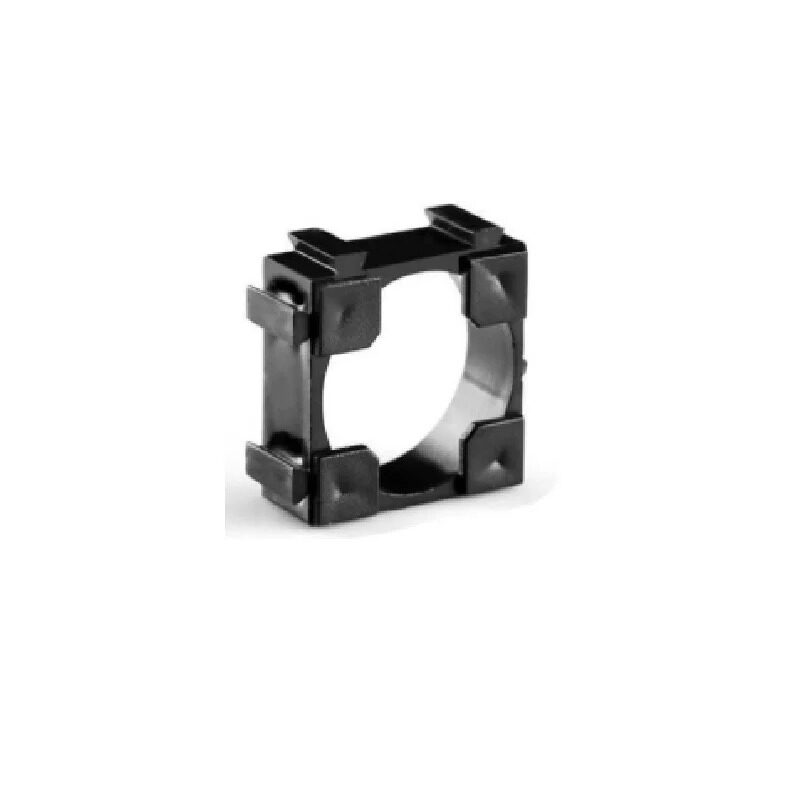
1 x 18650 Battery Holder with 18.4MM Bore Diameter – Pack of 4
Quality single-cell 18650 holders with a standard 18.4mm bore — fits genuine cells perfectly. Pack of 4 is ideal for prototyping multi-cell configurations without soldering.
India-Specific Buying Guide 2026
Buying 18650 cells in India in 2026 requires navigating a market where genuine premium cells and counterfeits coexist. Here is how to buy smart:
Where to Buy:
- Authorised importers and specialist stores: Stores specialising in vaping, RC hobbies, or solar/EV components tend to carry genuine cells because their customers test cells rigorously and return fakes. Look for ISDT-tested or capacity-verified cells.
- Electronics wholesale markets: SP Road (Bengaluru), Lamington Road (Mumbai), Nehru Place (Delhi) — physically inspect and test before buying bulk.
- Zbotic: Stocks 18650-related components including holders, BMS boards, charging modules, and battery testers with genuine quality and doorstep delivery across India.
Price benchmarks 2026:
- Genuine Samsung/LG/Panasonic 18650: ₹400–₹700/cell from reputable sources
- Reputable Chinese OEM (Lishen, EVE, CATL grade A): ₹180–₹300/cell
- Generic unbranded: ₹80–₹150/cell (buyer beware)
Import tip: If you are building a larger pack (20+ cells), it can be worth importing directly from Chinese suppliers via freight forwarders, but check customs regulations — lithium cells face restrictions on air freight and require proper HS code classification.
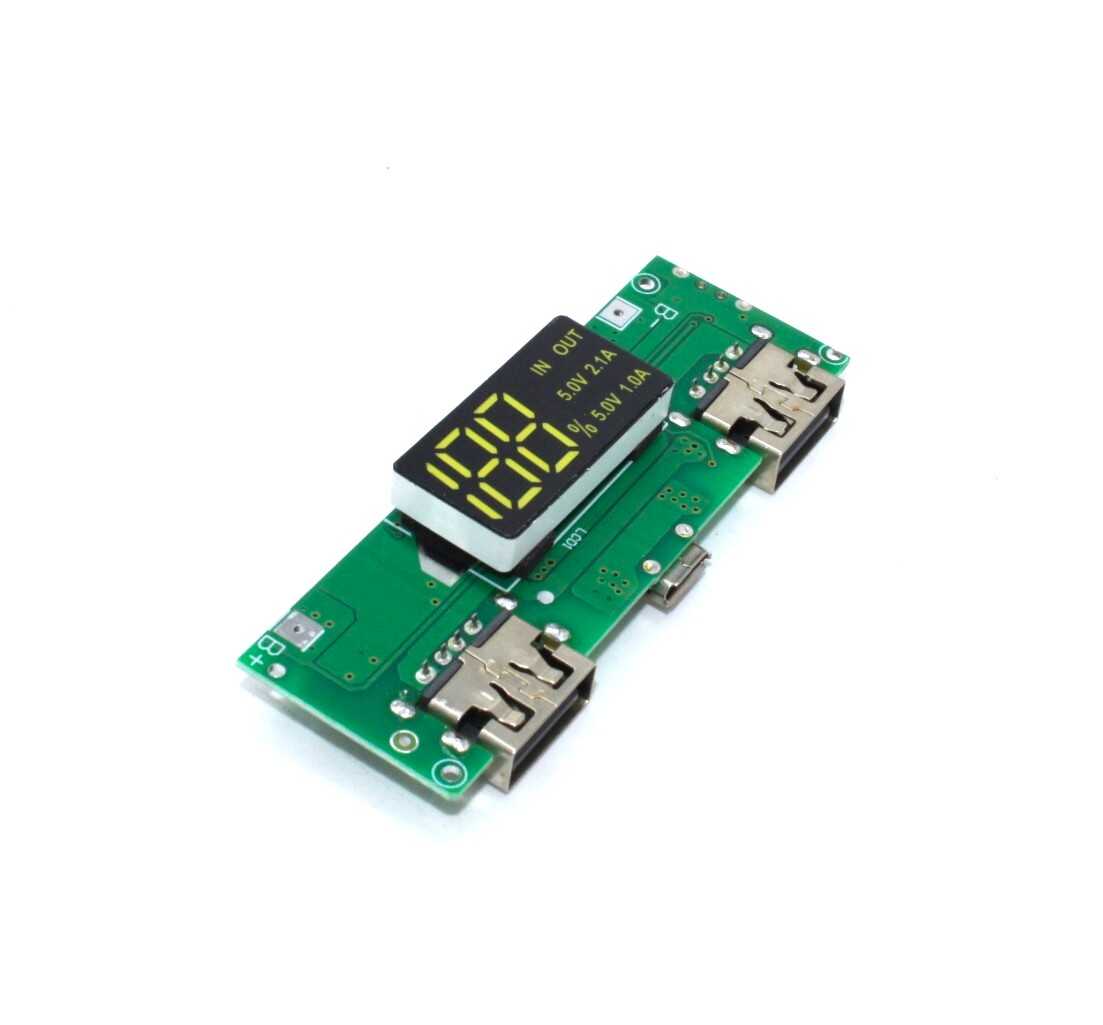
18650 5V 1A/2A Lithium Battery Digital Display and Charging Module, Dual USB Output
All-in-one module with built-in 18650 charger, 5V boost converter, dual USB output, and digital capacity display. Perfect for building your own verified-capacity power bank with genuine cells.
Holders, BMS, and Charging Modules
An 18650 cell on its own is just part of the system. For any DIY project, you need three things besides the cell: a holder or battery pack assembly, a BMS (Battery Management System), and a charger.
Cell Holders: For prototyping, use through-hole PCB-mount or spring-loaded holders. For permanent packs, nickel strip spot-welding is the professional method — avoid soldering directly to cell terminals (heat damages the cell). Zbotic’s 18650 holders with 18.4mm bore fit genuine cells correctly; the slightly larger bore prevents the tight fit issues that can damage cell wraps.
BMS (Battery Management System): Absolutely mandatory for any multi-cell pack. A BMS handles cell balancing, overcharge protection (cuts off above 4.2V/cell), over-discharge protection (cuts off below 2.5–3.0V/cell), and overcurrent/short-circuit protection. For a 3S pack (11.1V), use a 3S BMS. For a 4S pack (14.8V), use a 4S BMS. Match the BMS current rating to your maximum load.
Charging: Use only dedicated Li-ion chargers or charging modules (TP4056 for single cell, dedicated multi-cell charger ICs for packs). Never charge with a generic wall adapter without a proper CC/CV controller. The TP4056 is the most popular single-cell charging IC in India and is available on complete breakout modules for a few rupees.

1S 18650 Li-ion Lithium Battery BMS Charger Protection Board for 3.7V Battery
Dedicated 1S BMS protection board for single 18650 cells. Includes overcharge, over-discharge, and short circuit protection — essential safety layer for all 18650-based DIY builds.
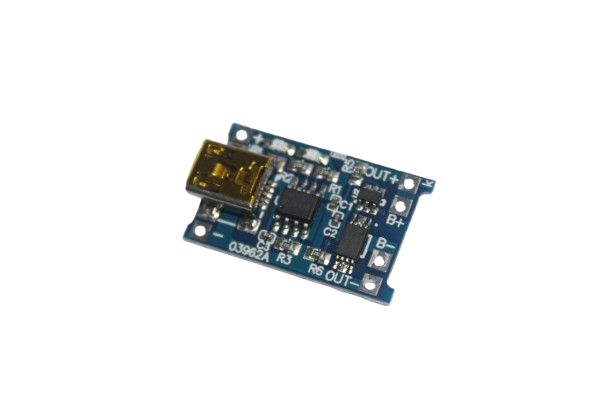
TP4056 1A Li-ion Lithium Battery Charging Module With Current Protection – Mini USB
The most widely used single-cell Li-ion charger module in India. Charges 18650 and other Li-ion cells at up to 1A with full CC/CV and overcurrent protection built in.
Project-Specific Cell Recommendations
Different projects have different priorities. Here is a quick reference:
| Project | Priority | Recommended Cell Type |
|---|---|---|
| DIY Power Bank | Max capacity | Samsung 35E / LG MJ1 (3,500mAh) |
| E-bike Battery | High drain + capacity | LG HG2 / Samsung 25R |
| Raspberry Pi UPS | Stable voltage, cycle life | Any quality cell + UPS HAT |
| Flashlight/Torch | High drain bursts | Samsung 25R / Molicel P26A |
| Solar Storage | Cycle life, safety | LiFePO4 18650 (if available) |
| Arduino / ESP32 | Long runtime, low drain | Any genuine 3,000+ mAh cell |
Safety and Storage Tips for Indian Climate
India’s climate creates specific challenges for 18650 cell storage and use:
Heat is the enemy: In Indian summers, temperatures inside parked vehicles, balconies, and unventilated rooms can exceed 55°C. Lithium cells stored above 40°C degrade rapidly. Store cells in a cool, dry location — ideally a steel box in an air-conditioned room. Never leave 18650 cells in direct sunlight or in your car.
Humidity during monsoon: High humidity can corrode cell contacts and BMS boards. Use silica gel packets in your storage container and apply conformal coating to BMS boards used in outdoor projects.
Never store at full charge: For long-term storage (weeks or months), discharge cells to about 50% (approximately 3.7V). Full charge storage accelerates cathode degradation.
Fire safety: Always charge in a fireproof container (a dedicated LiPo bag or a metal box) when using DIY packs without professional-grade BMS protection. Keep a CO2 or dry powder fire extinguisher accessible in your workshop.
Disposal: Dead 18650 cells must be disposed of as e-waste — do not throw in regular trash. Many electronics shops in India have e-waste collection bins, and manufacturers like Panasonic/Samsung have take-back programmes.
Frequently Asked Questions
Q1: Are 18650 cells available without import duties in India?
Most genuine branded 18650 cells sold in India are imported and carry GST at 18% in addition to any import duties. This is why genuine cells cost significantly more than local unbranded ones. When budgeting for a project, factor in GST and ask sellers for a proper bill to ensure you are getting genuine goods.
Q2: Can I revive a dead 18650 cell that will not charge?
If the cell’s voltage has dropped below the charger’s detection threshold (usually around 2.5V), many chargers will refuse to charge it. You can try revival charging at 0.1C for 10–15 minutes to bring the voltage above 2.5V, then continue normal charging. However, cells that have dropped below 2V have usually suffered copper dendrite growth and should be discarded for safety reasons.
Q3: What is the safest way to solder 18650 cells into a pack?
The safest method is nickel strip spot-welding using a dedicated spot welder. Direct soldering with a conventional iron is possible but risky — the heat spike can damage the internal structure and safety vent of the cell. If you must solder, use a high-wattage iron (60W+), pre-tin both surfaces, and make the actual joint contact as brief as possible (under 2 seconds).
Q4: How many 18650 cells do I need for a 10,000 mAh power bank?
In parallel configuration (3.7V output): 10,000 mAh divided by 2,500 mAh/cell = 4 cells minimum. In reality, due to conversion losses in the boost converter (typically 80–85% efficient), you need around 12,200 mAh of raw cell capacity, so 5 cells of 2,500 mAh each. A 3-cell build of genuine Samsung 35E cells gives about 10,500 mAh at the USB output — equivalent to a quality commercial 10,000 mAh power bank.
Q5: Can I mix old and new 18650 cells in the same pack?
No. Mixing cells with different capacities, ages, or internal resistances causes imbalanced charging and discharging. The weaker cell will be over-stressed in both directions, leading to premature failure and potential safety hazards. Always use matched cells — same brand, model, age, and ideally measured to have similar internal resistance (within 5mΩ of each other).
Get Your 18650 Project Started with Zbotic
Zbotic stocks all the accessories you need around 18650 cells — quality cell holders in single and multi-cell configurations, BMS protection boards, TP4056 charging modules, boost converters, and battery testers. We ship across India with fast delivery so you can get your DIY project running without delays.




Add comment