
Large Format 3D Printing: Voron 2.4 and CR-10 Max Guide
When standard 220×220mm build plates are not enough, large format 3D printers become necessary. Whether you are printing full-scale cosplay armour, large engineering prototypes, architectural models, or drone frames, machines like the Voron 2.4 and the Creality CR-10 Max offer build volumes that dwarf typical desktop printers. This comprehensive guide covers everything Indian makers need to know about selecting, setting up, and printing on large format machines.
1. Why Large Format 3D Printing?
Most hobbyist printers top out at 235×235×250mm. That is fine for miniatures, phone cases, and small brackets — but professionals and advanced hobbyists routinely need more. Large format printers (typically 300mm+ on at least one axis) unlock:
- One-piece prints — eliminate joints and adhesive bonding in structural parts
- Full-scale prototypes — test ergonomics and fitment at real dimensions
- Reduced print time for large objects — no splitting, gluing, or post-processing multiple pieces
- Commercial output — print batches of smaller parts in a single run, maximising productivity
- Aerospace and automotive parts — large jigs, fixtures, and custom brackets at real scale
India’s growing maker community, drone industry, and product design studios are increasingly investing in large format machines. Understanding the unique challenges of large-bed printing is essential before you commit.
2. Voron 2.4 — The CoreXY Giant
The Voron 2.4 is an open-source CoreXY printer designed by the Voron Design community. It is available in four sizes: 250mm, 300mm, 350mm, and the newly documented 400mm cube variants. The defining feature is a fixed gantry with a moving bed — specifically, the bed moves only on the Z axis while X and Y motion is handled by the CoreXY gantry above.
Key Technical Features
- Motion System: CoreXY with dual X/Y motors — high speed without sacrificing accuracy
- Bed: Kinematic magnetic flexplate (PEI) on a cast aluminium tooling plate, heated to 120°C
- Frame: 2020/2040 aluminium extrusion — extremely rigid at large scales
- Toolhead: Typically Stealthburner with CW2 extruder + Dragon/Rapido hotend
- Electronics: BTT Octopus or equivalent, running Klipper firmware
- Enclosure: Fully enclosed with panel clips — essential for ABS/ASA printing
The Voron 2.4 350mm offers a 350×350×350mm build volume — nearly 43 litres of print space. It is a self-sourced, self-built printer: you purchase a kit or source parts individually and assemble it yourself. This is not a weekend project, but the result is a machine that outperforms printers costing 3–5× more.
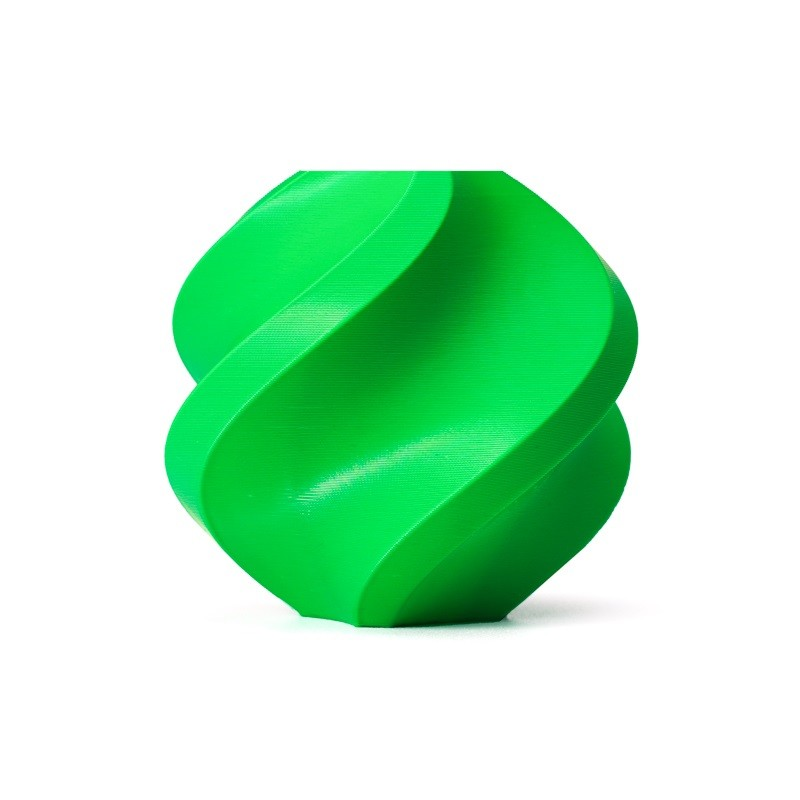
Bambu Lab ABS Filament – Bambu Green 1.75mm
High-performance ABS ideal for Voron’s enclosed chamber. Excellent layer adhesion for large structural parts that need heat resistance and toughness.
3. Creality CR-10 Max — Accessible Large Volume
The Creality CR-10 Max is the flagship of Creality’s CR-10 series, offering a 450×450×470mm build volume — one of the largest in its price bracket. Unlike the Voron, this is a traditional Cartesian printer with a moving bed (Y-axis) and a single Z-axis lead screw pair.
Key Technical Features
- Motion System: Cartesian (bed moves Y, gantry moves X, Z lead screws)
- Bed: Dual Z-axis lead screws, glass platform, heated to 100°C
- Auto-levelling: BLTouch (on Max), essential for a 450mm bed
- Frame: Aluminium extrusion — less rigid than Voron at this scale
- Connectivity: SD card, USB, optional WiFi module
- Price: Far more accessible than a Voron build cost
The CR-10 Max’s weakness is its Cartesian bed-slinger design: at 450mm, bed inertia becomes a real problem at high speeds. It is best run at 40–60mm/s for reliable quality. The glass bed also has less adhesion than PEI flexplates — a flex-plate upgrade is highly recommended.
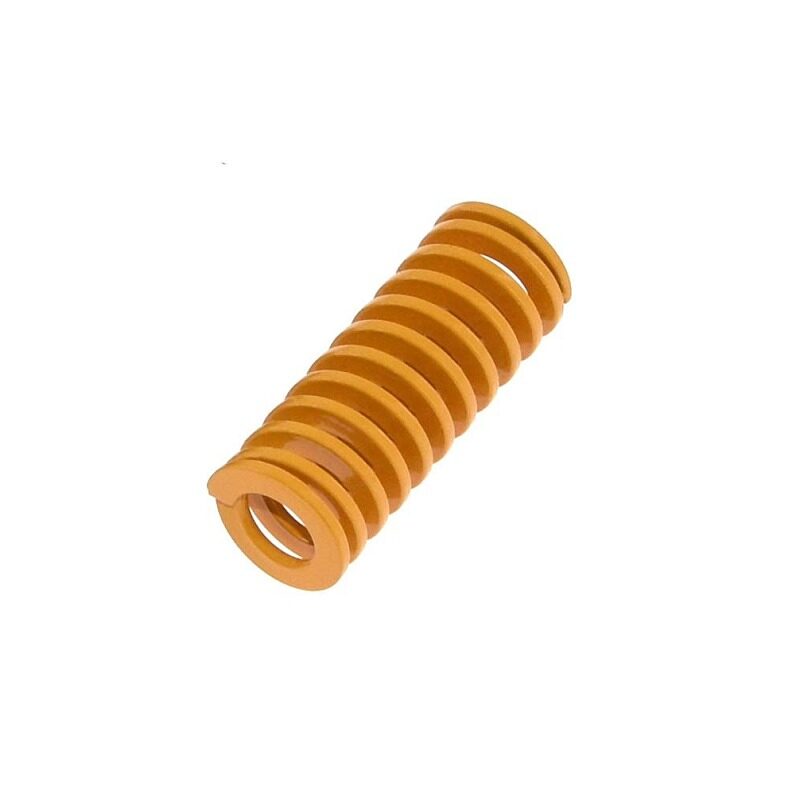
3D Printer Parts Spring for Heated Bed MK3 CR-10 Hotbed
Replacement bed springs for CR-10 and similar large-bed printers. Stiffer springs improve bed stability during long large-format print sessions.
4. Build Volume & Specifications Compared
| Specification | Voron 2.4 (350mm) | CR-10 Max |
|---|---|---|
| Build Volume | 350×350×350mm | 450×450×470mm |
| Motion Type | CoreXY (fixed gantry) | Cartesian (bed-slinger) |
| Max Print Speed | 300+ mm/s (with Klipper) | 80mm/s practical max |
| Heated Bed Max | 120°C | 100°C |
| ABS/ASA Capable | Yes (fully enclosed) | Marginal (open frame) |
| Assembly Required | Full self-build (40–80 hrs) | Partial (2–4 hrs) |
| Firmware | Klipper | Marlin (stock) |
5. Bed Levelling at Scale
Bed levelling is the single biggest challenge of large format printing. A 3mm warp across a 450mm bed will cause first-layer adhesion failures, layer separation, or nozzle crashes.
Mesh Bed Levelling
Both machines support automatic mesh bed levelling, but the implementation differs significantly:
- Voron 2.4 (Klipper): TAP probe (or Klicky) measures a 5×5 or 7×7 grid before each print. Klipper applies a real-time Z-offset correction across the entire mesh — smooth, accurate, and configurable.
- CR-10 Max (Marlin + BLTouch): BLTouch probes a 4×4 or 5×5 grid. Marlin bilinear interpolation corrects the mesh. Adequate but less responsive than Klipper’s approach.
Cast Aluminium vs Glass
Voron’s cast aluminium tooling plate is flatter from the factory than a typical glass bed. The CR-10 Max glass bed performs well thermally but can bow slightly at temperature. A borosilicate glass upgrade (thicker, flatter) or a cast aluminium plate upgrade makes a significant difference on the CR-10 Max.
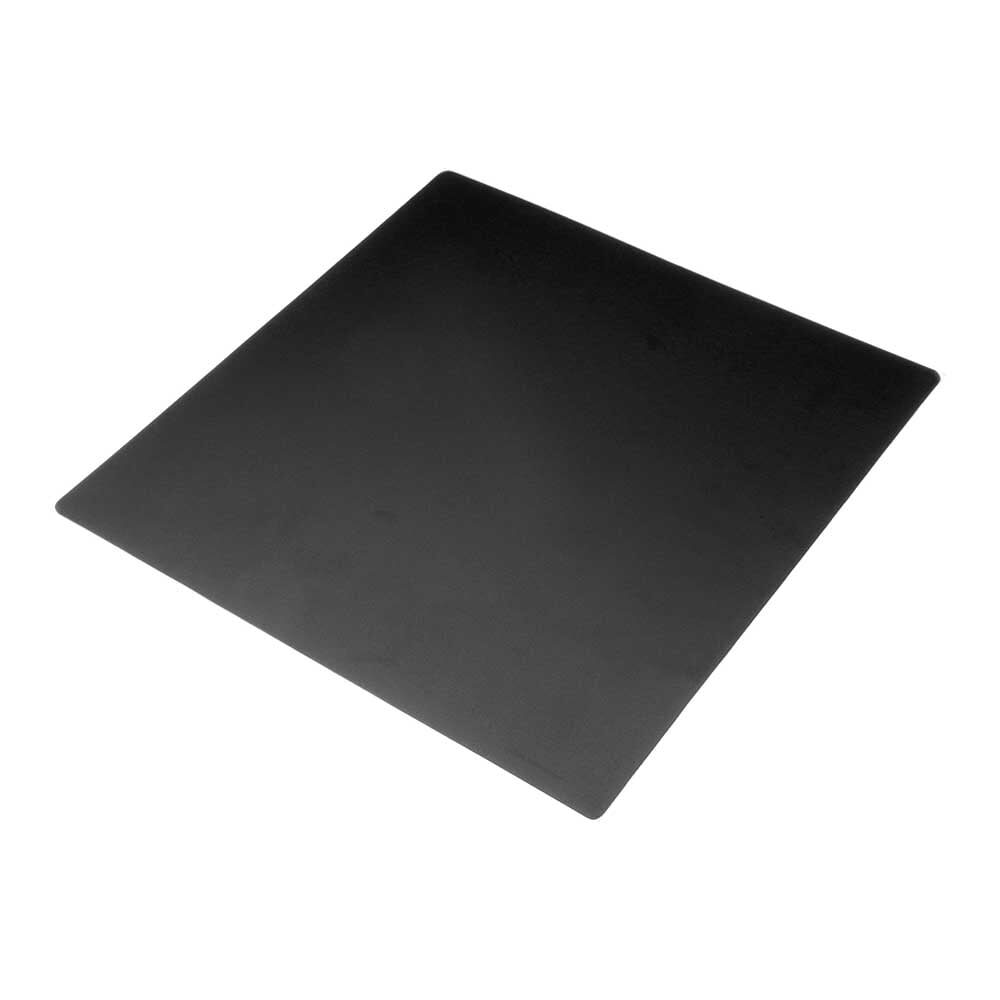
Frosted Heated Bed Sticker Build Plate Tape with Adhesive Backing
Adhesive build surface that improves first-layer adhesion on large beds. The frosted texture provides strong grip for PLA, PETG, and ABS without warping issues.
6. Thermal Management for Large Prints
Large prints take hours — sometimes days. Thermal consistency across the entire print volume is essential. Key challenges:
Bed Heating Time
A 450mm bed at 60°C (PLA) takes 15–25 minutes to reach temperature and stabilise. At 110°C (ABS), add another 10–15 minutes for the bed to fully soak and reach thermal equilibrium. Running a HEAT_SOAK macro on Klipper for 15–30 minutes before printing eliminates thermal expansion artifacts.
Ambient Temperature
India’s variable ambient temperatures (15°C in winters in Delhi; 35°C in Mumbai summers) affect print quality. ABS on an open-frame CR-10 Max will warp in a 25°C room. A simple cardboard or acrylic enclosure can make the difference between a successful and failed ABS print.
Power Requirements
The CR-10 Max draws up to 750W during bed heating. An MCB (miniature circuit breaker) rated for 16A on that circuit is recommended. Voron 2.4 350mm power supplies (typically dual 24V/35A units) draw up to 840W peak. Ensure your workshop wiring supports this — a common issue in older Indian commercial premises.
7. Print Speed vs Quality Trade-offs
Large format does not automatically mean slow. The Voron 2.4’s CoreXY design, combined with Klipper’s input shaping (resonance compensation), allows sustained print speeds of 150–300mm/s without ringing artifacts. The CR-10 Max, limited by its bed-slinger dynamics, maxes out at 60–80mm/s for quality output.
For a 100mm³ infill cube on Voron, you might print in 8 hours at 200mm/s. The same part on CR-10 Max at 60mm/s takes 22+ hours. Across a year of heavy use, this speed difference compounds significantly — the Voron’s higher initial cost pays off in throughput.
8. Essential Hardware Upgrades
Voron 2.4 Upgrades
- TAP or Klicky probe — for reliable mesh levelling without manual Z-offset tuning
- Nevermore filter — activated carbon air filtration for ABS/ASA VOC capture inside the enclosure
- SB2209 or EBB36 canbus toolhead — reduces wiring bundle to a single cable
- Hardened steel nozzle — essential if printing carbon fibre, glass fibre, or abrasive filaments
CR-10 Max Upgrades
- Dual Z-axis lead screw upgrade — reduces gantry racking on tall prints
- PEI flex plate — replaces glass for better adhesion and easy part removal
- Capricorn PTFE tubing — tighter bore (1.9mm vs 2mm) reduces stringing
- Silent stepper drivers (TMC2209) — significant noise reduction for workshop environments
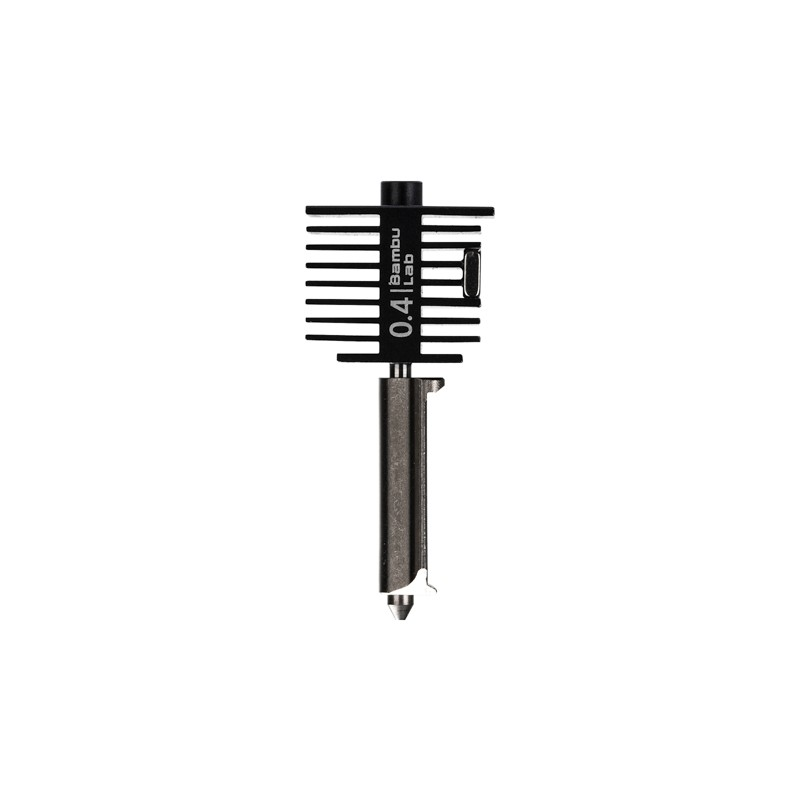
Bambu Lab Hotend with Hardened Steel Nozzle – 0.4mm
Hardened steel nozzle handles abrasive filaments like CF-PLA and glass-filled PETG without wear. Ideal for large functional prints requiring strength.
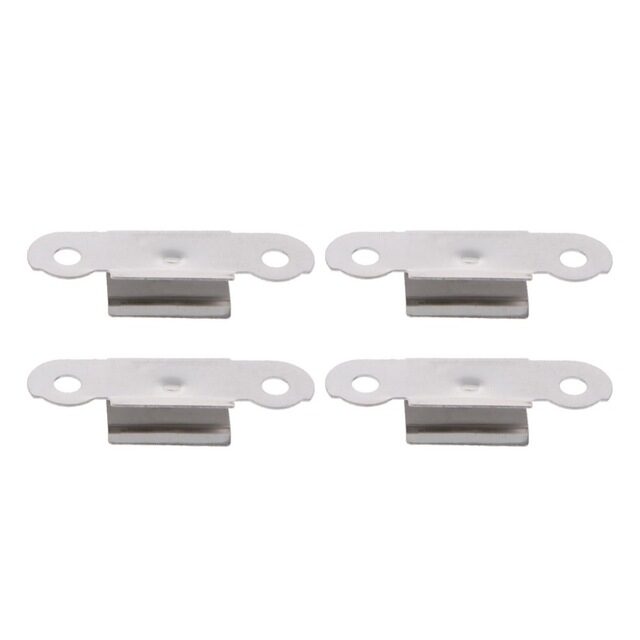
3D Printer Build Platform Glass Retainer Heated Bed Clip (Pack of 4)
Stainless steel clips keep the glass build plate securely attached to the heated bed. Essential on large format printers where vibrations can shift the print surface.
9. Slicing Tips for Large Prints
- Enable brim for large footprints — a 5–10mm brim dramatically reduces corner warping on large PLA and PETG parts.
- Reduce infill on interior sections — large parts rarely need more than 15–20% infill. Gyroid infill at 15% offers the best strength-to-time ratio.
- Use larger nozzle diameters (0.6mm or 0.8mm) — a 0.8mm nozzle cuts print time by 50–65% for large structural parts with minimal quality loss.
- Layer height 0.3–0.4mm — coarse layers on large prints are barely visible and massively reduce print time.
- Variable layer height — fine detail on top surfaces, coarse layers on solid infill sections.
- Split at Z-seam — for very tall prints, add a pause at a structural junction to change filament or inspect layer quality mid-print.
10. Best Filaments for Large Format Printing
PLA: Best for prototypes and decorative parts. Low warp, easy to print even on large beds. Downside: 60°C heat deflection temperature limits functional use.
PETG: Excellent balance of strength, temperature resistance (75°C HDT), and low warp. Ideal for large enclosures, brackets, and functional assemblies. Widely available and affordable in India.
ABS: High heat resistance (95°C HDT) and excellent post-processing (acetone smoothing). Large ABS prints require full enclosure and bed at 110°C. The Voron 2.4’s enclosed chamber excels here.
ASA: UV-resistant ABS alternative for outdoor large parts (drone enclosures, garden tools, mounting brackets). Requires similar conditions to ABS.
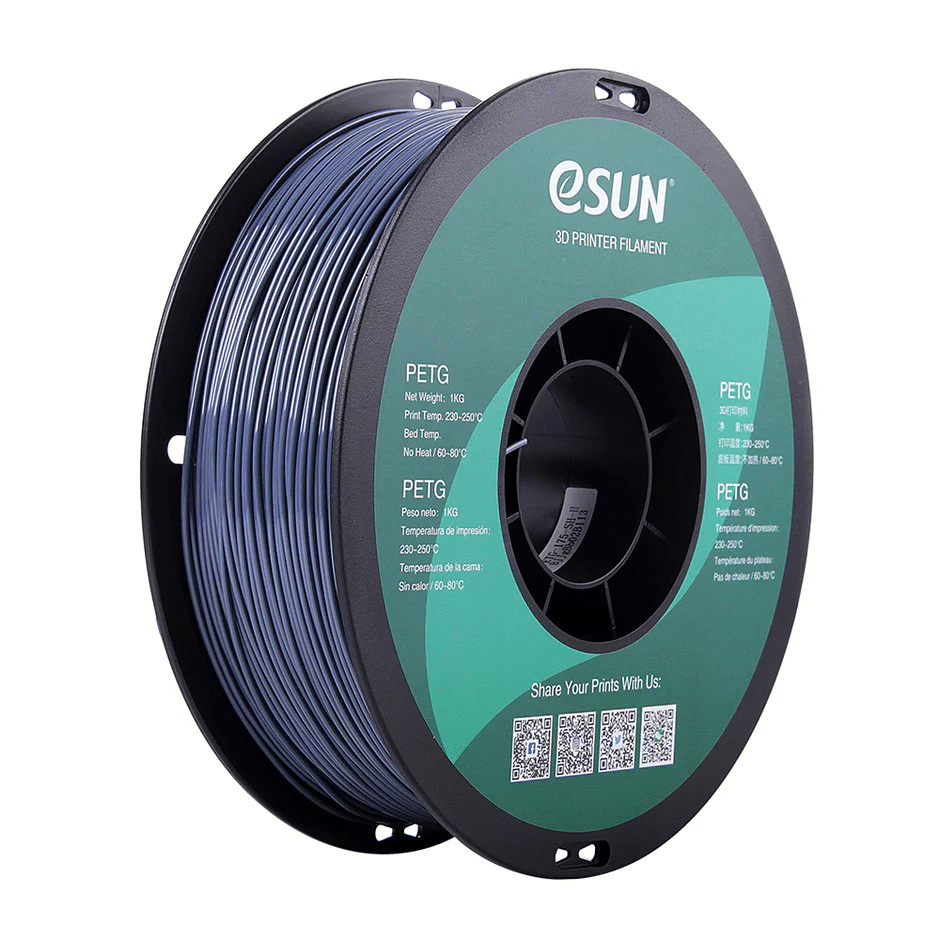
eSUN PETG 1.75mm 3D Printing Filament 1kg – Grey
Neutral grey PETG that suits industrial-looking large functional prints. Low warping makes it reliable for full large-bed prints without brim issues.
11. Common Problems and Fixes
Warping and Delamination
Cause: Uneven bed temperature, drafts, or insufficient first layer adhesion on large footprints.
Fix: Increase bed temperature 5°C, add brim, eliminate drafts with an enclosure or windshield, use glue stick on glass beds.
Layer Shifting on Long Prints
Cause: Lost steps due to motor current too low, belt tension issues, or thermal throttling.
Fix: Check belt tension (both should resonate at 50–70Hz when plucked), increase motor current 5–10%, ensure TMC drivers have adequate cooling.
Nozzle Clogs During 20+ Hour Prints
Cause: Debris or carbonised filament accumulation, or inconsistent filament diameter causing intermittent grinding.
Fix: Use filament filters before the extruder, clean the nozzle with a cold pull every few weeks, replace the nozzle if stainless steel starts showing wear.
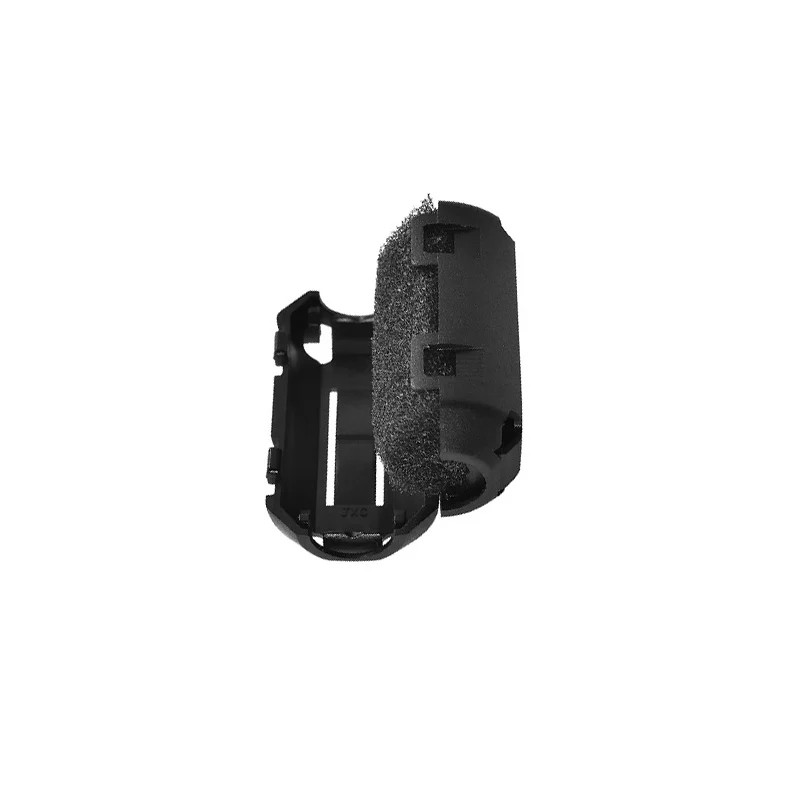
PLA PETG ABS Filament Filter Cleaner Dust Removal Block
Prevents dust and debris from entering the hotend during long multi-hour large format prints. A small investment that prevents costly failed prints.
Frequently Asked Questions
Is the Voron 2.4 worth building over buying a CR-10 Max?
If you value print speed, ABS capability, and long-term reliability, yes. The Voron 2.4 350mm will outperform the CR-10 Max in virtually every metric except raw XY build area — the CR-10 Max has a slightly larger footprint. However, the Voron requires 40–80 hours of assembly and Klipper configuration, while the CR-10 Max is operational in 2–4 hours.
Can I print carbon fibre filament on a CR-10 Max?
Not with the stock brass nozzle. CF filaments are abrasive and will wear a brass nozzle in under 50 hours. Upgrade to a hardened steel or ruby nozzle before printing any abrasive composite.
How do I prevent warping on a 400mm PLA print?
Use a PEI flex plate (strong adhesion), bed temperature 60–65°C, 5mm brim, no part cooling for the first 5 layers, and eliminate ambient drafts. ABS requires all of the above plus a full enclosure at 40–50°C ambient.
What power supply should I get for Voron 2.4 350mm?
The community standard is a Mean Well LRS-350-24 (24V/14.6A) for the main supply plus a separate 5V rail for the Raspberry Pi/Klipper host. Many builders use dual LRS-350-24 units for the heated bed on the 350mm build.
Can I use the CR-10 Max for commercial production in India?
Yes, many small Indian businesses use CR-10 Max variants for small-batch production. The low cost of entry and accessible parts make it practical. For serious throughput, multiple CR-10 units or a farm of smaller printers is more reliable than a single large machine.
Build Your Large Format Setup with Zbotic
From ABS filament for your Voron’s enclosed chamber to bed springs, build plate adhesives, and nozzle upgrades for your CR-10 Max, Zbotic.in has everything you need to get the most from large format printing. Fast shipping across India.







Add comment