
Table of Contents
- Overview of India’s Drone Regulatory Framework
- Drone Categories by Weight
- How to Register Your Drone on DigiSky
- Remote Pilot Certificate: Who Needs One?
- Understanding Airspace Zones in India
- Key Flying Rules Every Pilot Must Follow
- Rules for Commercial Drone Operations
- FPV and Hobby Flying Rules
- Penalties for Violating Drone Rules
- 2026 Updates and What’s Changing
- Drones and Components Available at Zbotic
- FAQ
Overview of India’s Drone Regulatory Framework
India has one of the most comprehensive and rapidly evolving drone regulatory frameworks in Asia. The Directorate General of Civil Aviation (DGCA), under the Ministry of Civil Aviation, oversees all drone operations in the country. The foundational rules are laid out in the Drone Rules 2021, which replaced the much stricter UAS (Unmanned Aircraft Systems) Rules 2021 that were notified earlier that year.
The current framework represents a significant liberalisation of drone flying in India. The government has made a conscious decision to promote the drone industry as a key growth sector — the National Drone Policy and PLI (Production-Linked Incentive) scheme for drones reflect this commitment. For hobbyists and commercial operators alike, this means more freedom than ever before — but also specific responsibilities and compliance requirements.
Whether you’re a hobbyist flying a small quadcopter at your local park, an agricultural drone operator, or a startup building drone delivery services — understanding India’s drone laws is not optional. Flying without proper registration or in prohibited zones can result in heavy fines, confiscation of your equipment, and in serious cases, criminal prosecution.
This guide covers everything you need to know about drone laws in India as of 2026, including the latest updates to the DigiSky platform and remote pilot licensing requirements.
Drone Categories by Weight
Under India’s Drone Rules 2021, drones are categorised by their maximum all-up weight (MAUW), which includes everything — drone, battery, payload, everything. The category determines your registration, licensing, and operational requirements.
| Category | Weight | Examples | Key Requirements |
|---|---|---|---|
| Nano | Up to 250g | DJI Mini 2, small toy drones | No registration required. No RPC required. |
| Micro | 251g to 2kg | DJI Mini 3 Pro, 5-inch FPV quads | Registration required. RPC required for commercial operations. |
| Small | 2kg to 25kg | Agricultural drones, heavy cinema drones | Registration + UIN required. RPC mandatory. |
| Medium | 25kg to 150kg | Large commercial platforms | Full type certification, registration, RPC + Type Rating. |
| Large | Above 150kg | Cargo drones, heavy lift | Full aviation-level compliance. |
Important note for FPV builders: A typical 5-inch FPV racing quad weighs approximately 500–700g with battery, placing it firmly in the Micro category. If you’re building a larger 7-inch or 10-inch freestyle quad, your total weight could push into the Small category.
How to Register Your Drone on DigiSky
DigiSky (digitalsky.dgca.gov.in) is DGCA’s online platform for drone registration, remote pilot licensing, and flight permission applications. All drone-related compliance in India goes through this portal.
Step-by-Step Drone Registration Process
- Create a DigiSky Account: Register with your mobile number and email. You’ll need to complete eKYC (Aadhaar-based OTP verification).
- Add Your Drone: Click “Register Drone” and fill in the details — manufacturer, model name, serial number, category, colour, and specifications.
- Upload Documents: You’ll need the drone’s purchase invoice, a photo of the drone, and its specifications sheet (usually available from the manufacturer’s website).
- Pay the Registration Fee: The fee is nominal — ₹100 for Micro drones, higher for larger categories.
- Receive UIN: Once approved, you receive a Unique Identification Number (UIN). This must be displayed on your drone. For drones over 250g, you must also affix a QR code linking to your registration.
Timeline: Registration on DigiSky typically takes 5–15 working days for approval. The system has improved significantly since its initial launch, and approvals are generally faster now.
What is a UIN?
A Unique Identification Number (UIN) is your drone’s “registration plate.” It must be clearly marked on the drone body in a permanent manner. If your drone is involved in an incident or found by authorities, the UIN links back to your registration and contact details.
Remote Pilot Certificate: Who Needs One?
A Remote Pilot Certificate (RPC) is the equivalent of a driving licence for drone pilots. Under the Drone Rules 2021, the requirements are:
- Nano drones (up to 250g): No RPC required for any operation.
- Micro drones (251g–2kg) for non-commercial use: No RPC required.
- Micro drones for commercial use: RPC required.
- Small drones (2kg–25kg) and above: RPC mandatory for any operation.
How to Get a Remote Pilot Certificate
- Minimum Age: Must be at least 18 years old.
- Educational Qualification: Minimum 10th standard pass.
- RPAS Training: Complete an approved training course from a DGCA-authorised RPAS (Remotely Piloted Aircraft System) Training Organisation (RTO). Training covers theory and practical flying. Duration is typically 5–7 days.
- Examination: Pass the DGCA examination (conducted through DigiSky/NTA).
- Medical Certificate: Obtain a medical certificate confirming you’re medically fit to fly (Class 2 medical from a DGCA-approved physician is typically sufficient for small drone categories).
- Apply on DigiSky: Submit your training certificate, medical certificate, and examination score. You’ll receive the RPC upon approval.
The RPC is valid for 5 years and must be renewed. RPAS training organisations are present in major cities including Delhi, Mumbai, Bangalore, Hyderabad, Chennai, and Pune. Costs for the training course typically range from ₹15,000 to ₹40,000 depending on the drone category covered.
Understanding Airspace Zones in India
India uses a colour-coded airspace zone system to determine where drones can fly. The Drone Airspace Map is available on the DigiSky portal and through apps like the official DGCA DigiSky mobile application.
Green Zone
Flying is permitted up to 120m (400 feet) above ground level without requiring prior permission. This covers most rural and semi-urban areas away from airports, security installations, and restricted areas. No flight plan submission needed for routine hobby flying in green zones.
Yellow Zone
Prior permission from Air Traffic Control (ATC) or the relevant authority is required. This typically covers areas within 45km of airports. You must submit a flight plan through DigiSky at least 24 hours before flying and wait for approval.
Red Zone
Flying is completely prohibited without specific authorisation from the Ministry of Home Affairs (MHA) or DGCA. Red zones cover:
- Areas within 5km of international airports
- Areas within 3km of domestic airports
- Military installations and cantonment areas
- Government buildings in capital cities (Parliament, Rashtrapati Bhavan area)
- International borders (50km buffer)
- Vijay Chowk and India Gate area in Delhi
- State secretariats of state capitals
Practical tip: Before planning any drone flight, always check the DigiSky airspace map for your planned flying location. The map is updated regularly. Do not rely on memory — check every time, as zones can change.
Key Flying Rules Every Pilot Must Follow
Beyond registration and airspace, here are the operational rules that apply to all drone pilots in India:
- Visual Line of Sight (VLOS): You must always keep your drone in visual line of sight. Flying beyond visual range requires special Beyond Visual Line of Sight (BVLOS) approval, which is granted only to commercial operators under specific conditions.
- Maximum Altitude: Do not fly above 120m (400 feet) AGL without specific approval. In green zones, this ceiling applies. Yellow and red zones have their own rules.
- Daytime Only: Drone flying is only permitted during daylight hours (civil twilight to civil twilight) unless you have specific night operations approval.
- No Flying Over Crowds: Never fly over gatherings of people — markets, festivals, sports events, etc.
- No Flying Near Moving Vehicles: Avoid flying over highways, railways, and busy roads.
- Privacy Compliance: Do not photograph or video private property without the owner’s consent. This falls under the Information Technology Act and personal privacy laws.
- No Payload Without Approval: Carrying any payload (including cameras, sensors, pesticide sprayers) may require additional permissions depending on the category and use.
- Insurance: Third-party insurance is mandatory for drones in the Small category and above.
Rules for Commercial Drone Operations
If you’re using a drone for any commercial purpose — photography, videography, agriculture, surveying, delivery, inspection — you need to comply with additional requirements:
- Drone Operator Permit (DOP): Commercial operations require a Drone Operator Permit from DGCA. This involves proving your organisation’s capabilities and compliance systems.
- Operator Registration: Register your company/entity on DigiSky as a drone operator.
- Standard Operating Procedures (SOPs): Document your operational procedures.
- Insurance: Mandatory third-party liability insurance.
- BVLOS Operations: If you need to fly beyond visual line of sight (e.g., pipeline inspection, delivery), you need explicit BVLOS approval which is granted on a case-by-case basis.
Agricultural drone operators — a huge and growing segment in India — have specific relaxations. Agricultural drones operating under IARI, ICAR, or state government programs have streamlined approval processes. The National Agricultural Cooperative Marketing Federation (NAFED) has facilitated approvals for agricultural drone operations in several states.

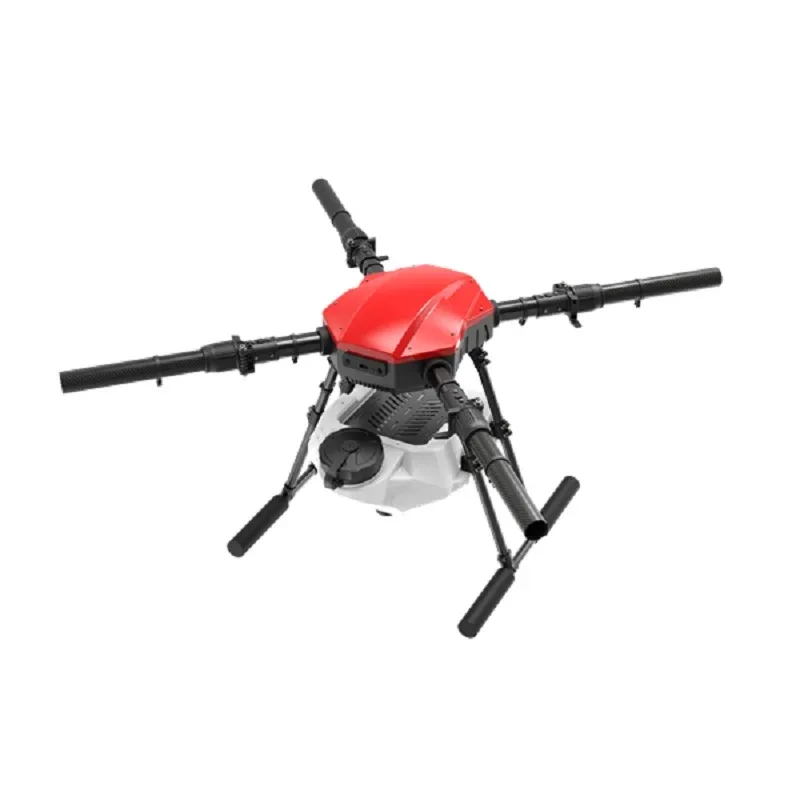
EFT E410P 10L 4 Axis Agricultural Drone Frame
A professional-grade agricultural drone frame designed for 10L payload operations. Ideal for crop spraying operations that require DGCA agricultural drone compliance.
EFT E416P 16L 4 Axis Agricultural Drone Frame
Heavy-duty 16L agricultural drone frame for large-scale farming operations. Designed for reliability and ease of maintenance in field conditions.
FPV and Hobby Flying Rules
FPV (First Person View) flying gets a special mention because it involves wearing goggles and not directly watching the drone — which technically means you’re not maintaining visual line of sight. Here’s how it works legally in India:
- FPV flying is technically in a grey area for solo pilots because VLOS is required by law.
- The common practice accepted by the community is to have a spotter — a second person who maintains visual contact with the drone and can alert the pilot if there’s a hazard.
- FPV flying for hobby purposes in open areas (green zones) with a spotter present is generally tolerated, though it hasn’t been explicitly legalised in the same way as in some Western countries.
- FPV racing events organised by registered clubs are generally permitted with proper coordination with local authorities.
The community expectation is that DGCA will release clearer guidance on FPV flying in India as the hobby grows. Until then, flying with a spotter in green zones, staying under 120m, and registering your drone are the practical rules to follow.
Penalties for Violating Drone Rules
The penalties for drone rule violations in India are significant and have been actively enforced in recent years:
- Flying without registration: Up to ₹25,000 fine for first offence. Equipment may be confiscated.
- Flying in restricted/red zones: Up to ₹1,00,000 fine. Can also attract criminal charges under the Aircraft Act 1934.
- Flying without RPC (where required): Fine up to ₹25,000.
- Endangering people or property: Criminal prosecution possible under IPC sections related to causing danger to human life.
- Commercial operation without permit: Fine and potential suspension of operations.
Enforcement has been increasing, particularly around airports, government buildings, and during major events (cricket matches, political rallies, etc.). During Republic Day and Independence Day, blanket no-fly zones are declared across entire districts in many cities.
2026 Updates and What’s Changing
India’s drone regulations continue to evolve rapidly. Key developments as of early 2026:
- Drone Corridors: DGCA has approved initial drone corridors for BVLOS operations in select states (Telangana, Uttarakhand, Gujarat) for delivery and logistics. More states are expected to follow.
- PLI Scheme Results: The Production-Linked Incentive scheme for drones is bearing fruit — Indian drone manufacturers now produce several certified drone models, with Made-in-India options available for agricultural, surveying, and defence applications.
- Type Certification: More drone models are receiving DGCA type certification, which simplifies the registration process for buyers of those specific models.
- DigiSky 2.0: An upgraded version of the DigiSky platform with better mobile interface, faster approvals, and improved airspace visualisation was launched. Check the latest version for improved features.
- Insurance Mandate Enforcement: The mandatory insurance requirement for commercial drones is being enforced more strictly. If you’re operating commercially, ensure your insurance policy is in place before each operational period.
Drones and Components Available at Zbotic
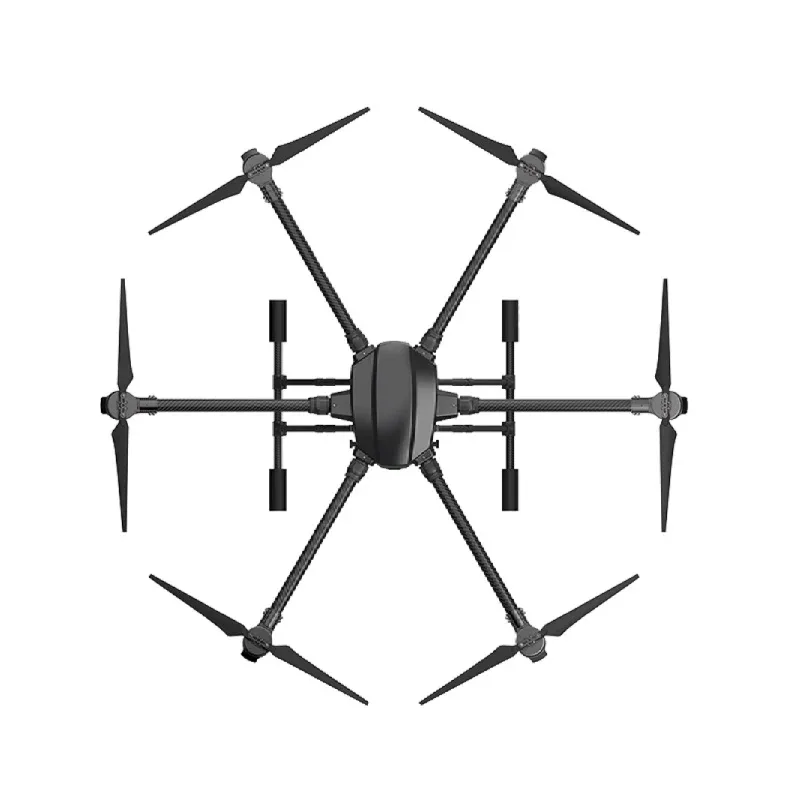
EFT 6120 Multifunction Surveillance Drone Frame
Professional surveillance and inspection drone frame. For commercial deployments, ensure DGCA registration and operator permit compliance before operations.

3DR 100mW Radio Telemetry 915MHz for APM/PX4/Pixhawk
Long-range telemetry module for real-time monitoring of commercial drone operations. Pair with ArduPilot for professional commercial deployments.
Frequently Asked Questions
Q: Is DJI Mini 2 / Mini 3 legal to fly in India?
A: The DJI Mini 2 weighs under 250g (with standard battery), placing it in the Nano category — no registration required. The Mini 3 (with standard battery) also falls under 250g. However, DJI has not received DGCA type certification for these models, so technically they operate in a grey area. For practical hobby use in green zones, they are widely flown without incident.
Q: Do I need to register my FPV racing drone?
A: If your complete FPV quad weighs more than 250g (all-up weight including battery), yes — you need to register it on DigiSky and obtain a UIN. Most 5-inch FPV quads exceed this threshold.
Q: Can foreigners fly drones in India?
A: Foreign nationals can fly drones in India only with special permission. The Drone Rules 2021 require foreign nationals to obtain permission from the Ministry of Home Affairs (MHA) and the Ministry of External Affairs. Foreign-registered drones need additional approval. This is strictly enforced.
Q: Are there specific rules for drone photography at tourist sites?
A: Most of India’s famous monuments (Taj Mahal, Red Fort, etc.) are in red zones or require special permission from the Archaeological Survey of India (ASI) for aerial photography. Check the DigiSky airspace map and contact the site authority before attempting drone photography at any heritage site.
Q: What happens if my drone crashes into someone’s property?
A: You are liable for damages. If you’re flying commercially, your mandatory insurance covers third-party liability. For hobby flying, you’re personally liable. This is why even hobby pilots are encouraged to carry drone insurance, which is available from several Indian insurers at reasonable premiums.
Q: When will India allow night drone flying?
A: DGCA is conducting Night FPV trials and BVLOS trials in select states. Night operations approval for specific commercial use cases (infrastructure inspection, delivery) is expected to be formalised in 2026–27. Hobby night flying remains prohibited without special permission.
Build a Compliant Drone in India
Zbotic stocks professional drone frames, motors, ESCs, flight controllers, and accessories for agricultural, commercial, and FPV builds. Browse our complete drone component range and build a drone that meets India’s quality and regulatory standards.


Add comment