
Metal filament 3D printing has opened up a completely new world for hobbyists, designers, and engineers across India. The ability to print objects that look, feel, and even weigh like real metal — without owning an industrial printer — is nothing short of revolutionary. Whether you want to create decorative art pieces, functional mechanical parts, cosplay props, or jewellery prototypes, metal-filled composite filaments make it possible on a standard FDM printer.
In this comprehensive guide, we’ll walk you through everything you need to know about copper, bronze, and iron filaments — from how they work, to optimal print settings, finishing techniques, and which products to pick up for your next project.
What Is Metal Filament and How Does It Work?
Metal filament is not solid metal wire. Rather, it is a composite material made by mixing fine metal powder — typically 40% to 80% by weight — with a polymer carrier, usually PLA or sometimes nylon. The polymer acts as a binder that makes the material printable on standard FDM 3D printers, while the metal powder gives the printed object its metallic appearance, weight, and surface properties.
Because the metal content is so high, these filaments are significantly heavier and more abrasive than standard PLA or PETG. A 1 kg spool of metal filament might only give you 600–700 grams of actual printable volume due to the density of the metal powder. The abrasiveness means you’ll need hardened nozzles to avoid rapid wear.
The real magic happens after printing. Through post-processing — sanding, polishing, burnishing, or even chemical patination — the metal powder rises to the surface and you can achieve stunning results that are nearly indistinguishable from cast metal objects.
Types of Metal Filaments: Copper, Bronze, Iron and More
Copper Filament
Copper filament contains real copper powder suspended in a PLA base. It has a warm reddish-gold tone straight out of the printer and polishes to a brilliant shine. Copper filament is excellent for:
- Decorative art pieces and sculptures
- Jewellery models and prototypes
- Steampunk-style mechanical props
- Busts and figurines with metallic finish
- Architectural models with warm metal look
One of the most exciting aspects of copper filament is its ability to develop a natural green patina over time when exposed to moisture and air — just like real copper does. You can also speed this process up with chemical treatments using vinegar and salt, giving your prints an aged, antique appearance.
Bronze Filament
Bronze filament typically contains a mix of copper and tin powder in a PLA carrier. It produces a slightly darker, more yellow-gold tone compared to copper, reminiscent of traditional cast bronze statues and artefacts. Bronze filament is particularly popular for:
- Trophy replicas and awards
- Historical artefact reproductions
- Architectural details and ornamental pieces
- Tabletop gaming miniatures (at larger scales)
- Temple and pooja room decorative items
Bronze filament polishes beautifully and, like copper, can be chemically patinated to create a rich, aged look. Many Indian makers use bronze filament for creating replica deities and decorative pieces that carry cultural significance.
Iron Filament
Iron filament contains real iron powder and has some fascinating properties. Most notably, iron filament prints are magnetic and will actually rust if exposed to moisture — a property that can be exploited for stunning weathered, aged finishes. Iron filament is ideal for:
- Industrial-look mechanical parts
- Props requiring rust weathering effects
- Magnetic mounting fixtures
- Heavy, substantial-feeling objects
- Artistic rust-effect sculptures
Stainless Steel and Brass Filaments
Other metal filaments include stainless steel (silvery, heavy, extremely abrasive), brass (warm gold tones), and even aluminium filaments. Each has its niche, but copper, bronze, and iron remain the most popular among hobbyists due to their ease of use and stunning results.
Printer and Hardware Requirements
Before diving into metal filament printing, you need to ensure your printer is properly equipped. Running metal filament through a standard brass nozzle is the most common and costly mistake beginners make.
Nozzle Requirements
This is absolutely critical. Metal filaments are highly abrasive. A standard 0.4mm brass nozzle will wear out in as little as 100–200 grams of metal filament. You’ll notice print quality deteriorating rapidly as the nozzle diameter increases from wear. You need either:
- Hardened steel nozzle — Most affordable upgrade, works well for most metal filaments
- Stainless steel nozzle — Good corrosion resistance, suitable for wet/humid environments like many parts of India
- Ruby-tipped nozzle — Premium option, virtually indestructible but expensive
For most Indian hobbyists, a set of hardened steel nozzles is the best value proposition. Keep a few spares on hand, as they will eventually wear even if much slower than brass.
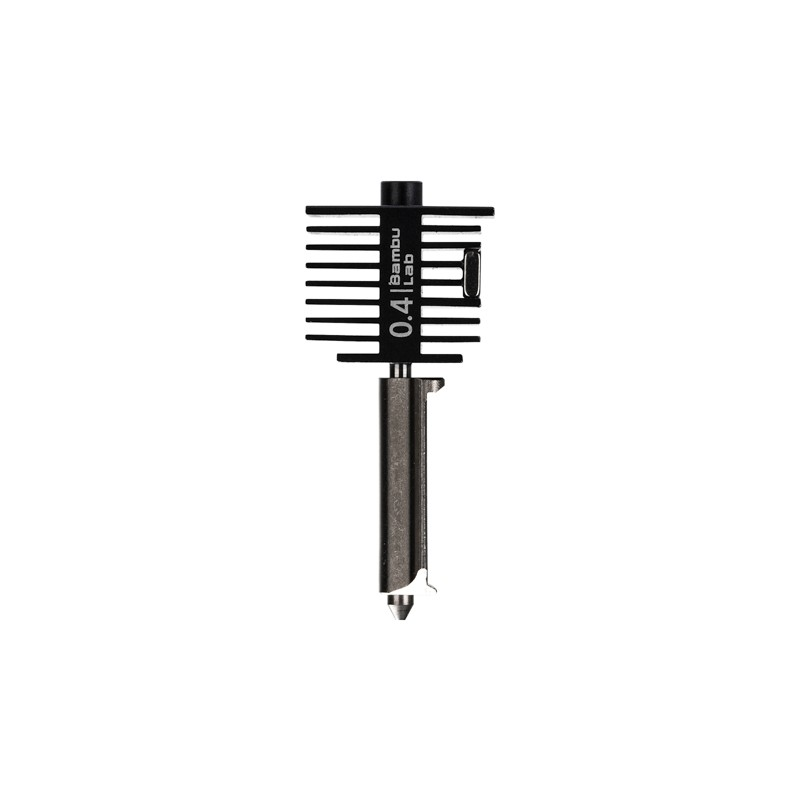
Bambu Lab Hotend with Hardened Steel Nozzle – 0.4mm
Hardened steel nozzle designed to handle abrasive filaments including metal composites. Compatible with Bambu Lab printers and many standard hotend setups.
Hotend and Extruder
An all-metal hotend is strongly recommended for metal filaments. Standard hotends with PTFE-lined barrels that extend into the heat zone can cause issues with the higher temperatures sometimes needed, and particles from the PTFE can contaminate your print. An all-metal hotend eliminates this concern entirely.
A direct drive extruder is preferred over a Bowden setup. Metal filaments can be brittle and prone to snapping under the tension required to push them through a long Bowden tube. However, with proper settings, a Bowden setup can work — just keep the tube as short as possible.
Bed and Build Surface
Metal filaments generally adhere to a variety of surfaces. A glass bed with a light coat of glue stick works well. PEI sheets also perform reliably. The key is to ensure the first layer adheres completely, as any lifting can cause the print to fail spectacularly given the abrasive nature of the filament.
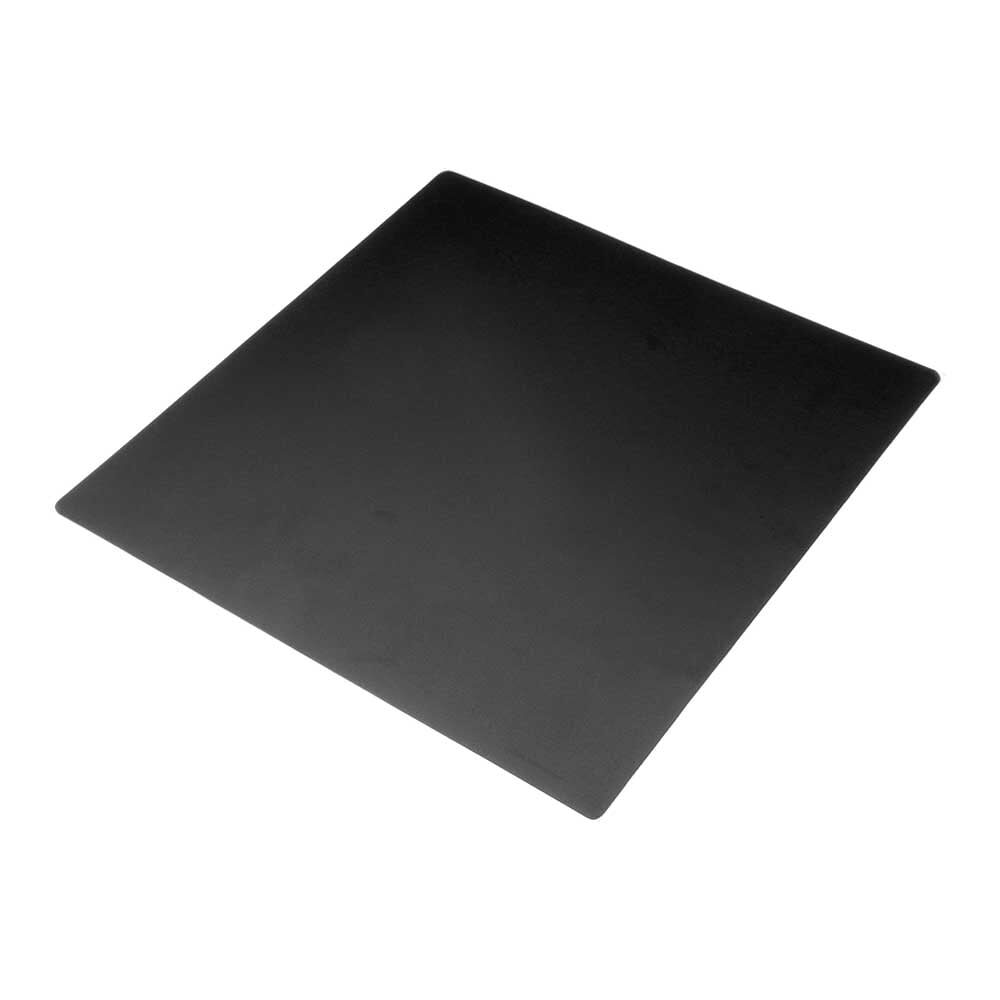
Frosted Heated Bed Sticker Build Plate Tape – 220x220mm
Frosted adhesive build plate ensures excellent first-layer adhesion for PLA-based composite filaments including metal fills.
Filament Moisture Management
India’s humid climate — especially during monsoon season — is a major enemy of composite filaments. Metal filaments with PLA carriers absorb moisture readily, which causes popping, bubbling, and poor surface quality during printing. Always store your metal filament in an airtight container with desiccant packets, and consider printing from a dry box or filament dryer. Using a filament cleaner block to wipe filament before it enters the hotend can also help reduce contamination.
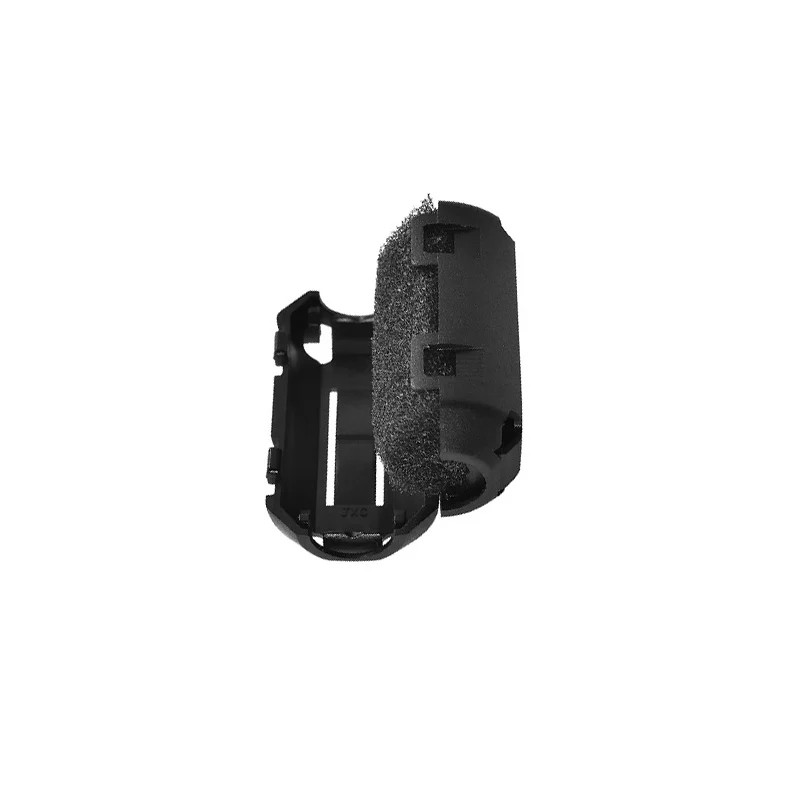
ABS PLA PETG Filament Filter Cleaner Dust Removal Block
Wipes filament clean before it enters your extruder — removes dust, debris, and absorbs surface moisture. Essential when printing abrasive metal filaments.
Optimal Print Settings for Metal Filaments
Metal filaments require more careful dialing-in than standard PLA or PETG. Here are the baseline settings to start with, which you can adjust based on your specific brand and printer:
Temperature Settings
- Nozzle temperature: 195–220°C (most copper/bronze filaments are PLA-based, so similar to PLA but slightly higher due to metal content)
- Bed temperature: 40–60°C (some prefer no heated bed)
- Enclosure: Not strictly required but beneficial to prevent warping on larger prints
Speed Settings
Print slower than you would with regular PLA. Metal filament doesn’t flow as easily due to its high particle loading. Recommended settings:
- Print speed: 30–45 mm/s maximum
- First layer speed: 15–20 mm/s
- Retraction: Reduce retraction distance by 20–30% compared to standard PLA
Layer Height and Wall Count
Use a layer height of 0.15–0.2mm for best results. Thinner layers give more surface metal powder to polish later. Increase your wall count to 4–6 perimeters — more metal-rich perimeters mean a better finish and more robust part. Infill of 20–40% is usually sufficient for decorative pieces.
Cooling
Run cooling fans at around 50–70% power. Too much cooling can make the filament brittle and prone to layer delamination, while too little causes drooping and poor overhangs. Find the sweet spot for your specific filament brand.
Post-Processing and Finishing Techniques
Post-processing is where the real magic happens with metal filaments. The printed part straight off the bed looks dull and plastic-like — it needs work to reveal its metallic nature.
Sanding
Start with 120–180 grit sandpaper and work through progressively finer grits: 220, 400, 800, 1200, and finally 2000 grit wet sanding. Each step removes the scratches left by the previous grit. Focus on all exposed surfaces. This stage removes the plastic matrix from the surface and exposes the raw metal particles underneath.
Polishing
After fine sanding, use a metal polishing compound (like Brasso, widely available in India) on a soft cloth and buff the surface. You’ll be amazed at how quickly the surface transforms — dull sanded metal becomes a shiny, lustrous finish that genuinely looks like polished copper or bronze.
For an even higher shine, use a Dremel or rotary tool with a polishing wheel and jeweller’s rouge. This takes the finish to a near-mirror level on copper and bronze filaments.
Chemical Patination
To create that beautiful aged, antique look:
- For copper: Brush the polished part with a mixture of white vinegar + table salt, seal in a bag with some vinegar-soaked tissue, and leave for 12–24 hours. A gorgeous blue-green patina develops.
- For bronze: Similar vinegar treatment or use liver of sulfur (available from jewellery suppliers) for a dark antique finish.
- For iron: Simply expose to moisture and air, or spray with saltwater and leave outdoors for authentic rust weathering.
Sealing
After achieving your desired finish, seal the surface with a clear lacquer or polyurethane varnish to protect it from fingerprints and further oxidation. This step is especially important in India’s tropical climate where untreated metals oxidize rapidly.
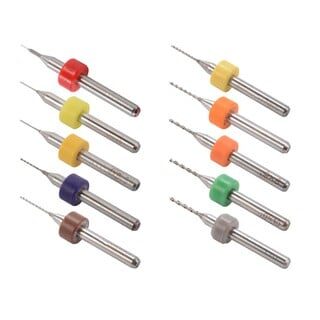
0.1–1.0mm Mixed 3D Printer Nozzle Cleaning Drill Bit Kit (10 Pcs)
Essential maintenance kit for clearing clogged nozzles — a must-have when printing abrasive metal filaments that wear and clog more frequently.
Real-World Applications in India
Decorative and Home Decor
One of the biggest use cases in India is home decor. Bronze and copper filament prints make stunning showpieces — from miniature Ganesha and Buddha statues to decorative bowls and vases. With proper finishing, these pieces are genuinely beautiful and make thoughtful gifts for festivals like Diwali and Dussehra.
Jewellery Prototyping
Jewellers in Mumbai, Jaipur, and Surat are beginning to use copper and bronze filament for rapid prototyping of jewellery designs before committing to actual metal casting. The ability to iterate designs in hours rather than days is a significant competitive advantage.
Educational Models
Engineering colleges across India use metal filament to print demonstration models that have the weight and feel of actual metal components, making them more realistic teaching aids. Gear assemblies, engine components, and architectural elements all benefit from the metallic aesthetic.
Cosplay and Props
India’s growing cosplay community uses iron and copper filaments extensively for armour pieces, weapons, and accessories. A polished copper Iron Man gauntlet or an aged iron sword replica can be achieved at a fraction of the cost of traditional fabrication.
Troubleshooting Common Problems
Frequent Clogging
Metal filaments clog more often than standard filaments due to their abrasive nature and higher viscosity. Ensure you’re printing at the right temperature (too low causes incomplete melting of the carrier), use a hardened nozzle, and keep a nozzle cleaning kit handy. Regular cold pulls using standard PLA can clear partial clogs before they become complete blockages.
Filament Snapping
Metal filaments are more brittle than pure PLA. If your filament is snapping at the extruder, reduce retraction speed and distance, check that your extruder tension isn’t too tight, and ensure the filament is being stored dry (brittle filament is often a sign of moisture absorption).
Poor Surface Finish
If you’re not getting enough metal particles on the surface for polishing, try reducing your layer height, slowing your print speed, and increasing your wall count. More perimeter layers mean more metal-rich material on the surface ready for finishing.
Warping
On larger prints, PLA-based metal filaments can warp. Use a heated bed at 50–60°C, apply glue stick or hairspray to the build surface, and consider printing a brim (5–10mm) for better adhesion. In India’s variable temperature environments, using an enclosure or even a cardboard box around your printer can help maintain consistent ambient temperature during printing.
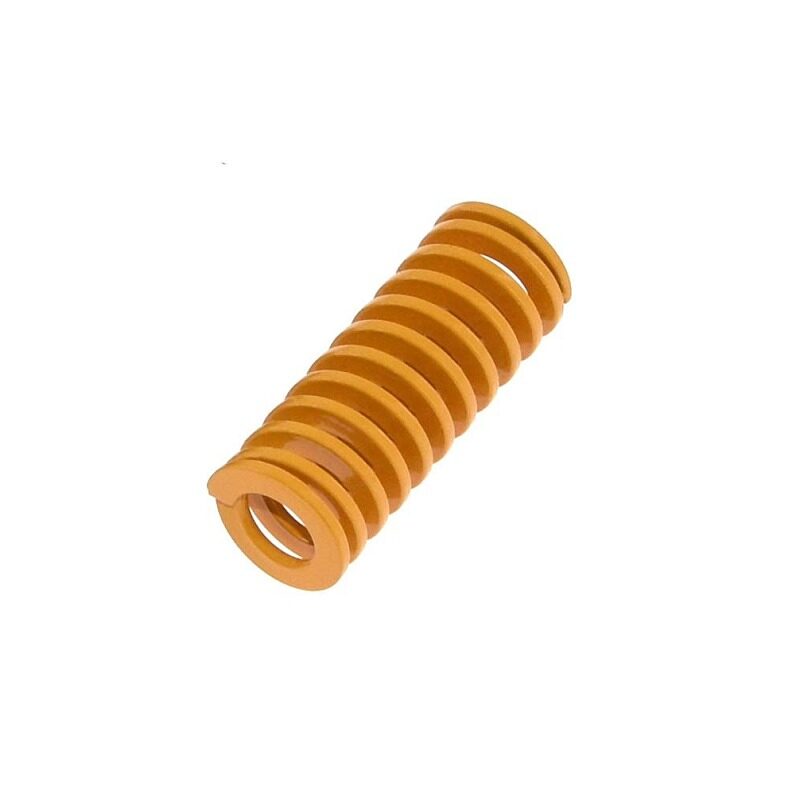
3D Printer Parts Spring for Heated Bed MK3 CR-10 Hotbed
Replacement bed springs for consistent bed levelling — important for getting reliable first-layer adhesion with heavy metal filaments.
Buying Guide and Product Recommendations
When buying metal filament in India, consider the following factors:
Metal Content Percentage
Higher metal content (70–80%) gives better finishing results but is harder to print. Beginners should start with lower metal content (40–50%) to get comfortable with the printing process before moving to premium high-fill options.
Particle Size
Finer metal particles produce smoother surfaces that polish better. Look for filaments that mention fine-grain or micro-particle metal content in their specifications.
Carrier Material
PLA-based carriers are easiest to print and most common. Some premium brands use nylon or other carriers for improved mechanical properties, but these require higher temperatures and more advanced printer setups.
Brand Reputation
Stick to reputable brands. Inconsistent diameter, poor metal distribution, and moisture-compromised filament are common issues with cheaper unbranded options. A reputable filament with consistent quality will save you far more money in time and failed prints than you spend on the premium.
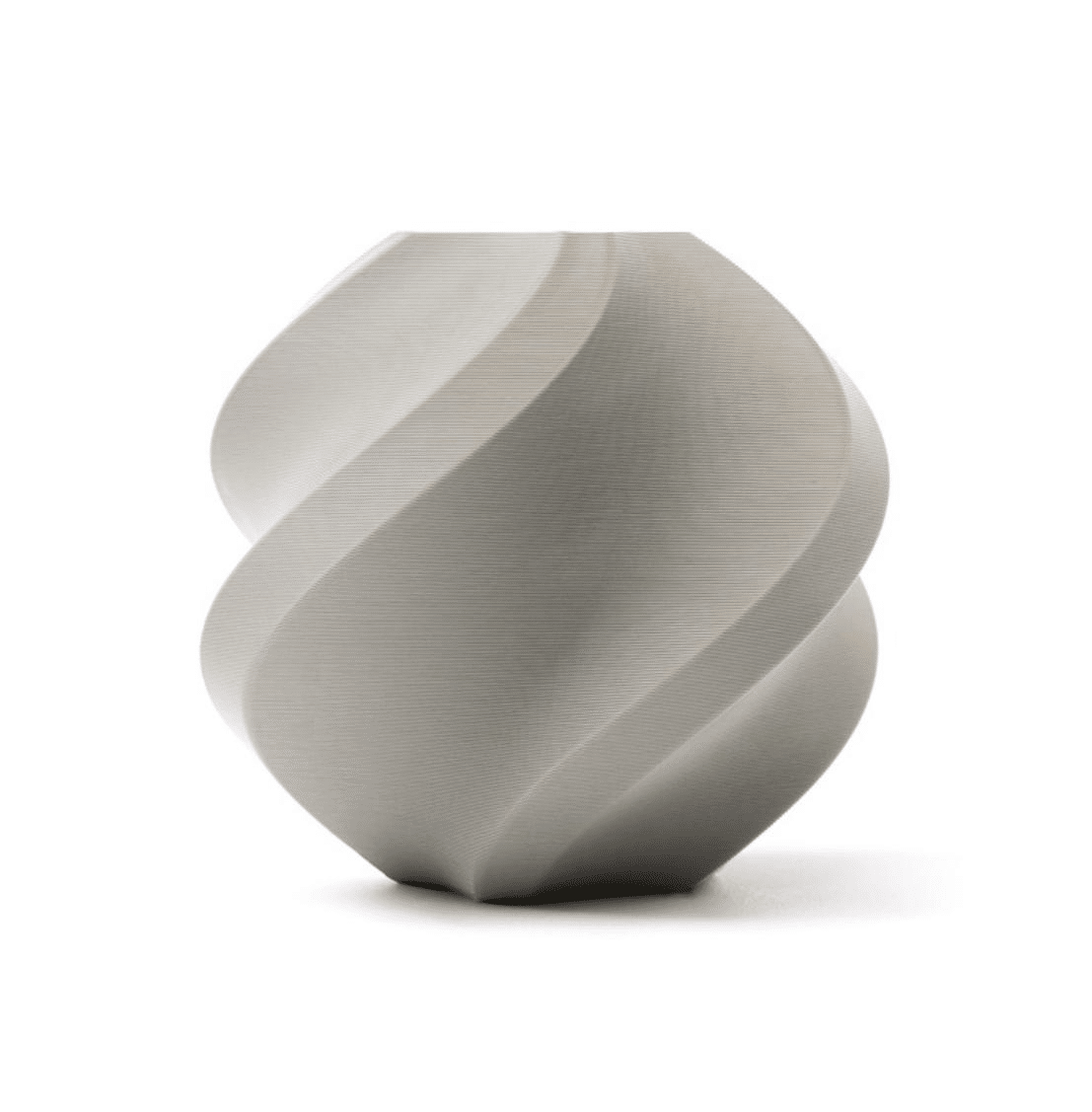
Bambu Lab PLA 3D Printer Filament Grey – 1.75mm with Reusable Spool
High-quality PLA filament from Bambu Lab — ideal for calibrating your printer before switching to metal filaments, or for test prints of your model design.
Frequently Asked Questions
Can I print metal filament on an Ender 3 or CR-10?
Yes, absolutely. Both the Ender 3 and CR-10 are very popular choices for metal filament printing in India. You will need to replace the standard brass nozzle with a hardened steel one before starting. The stock extruder can handle metal filaments, though a dual-gear extruder upgrade helps prevent slipping on the slightly harder material.
How long does a hardened steel nozzle last with metal filament?
A quality hardened steel nozzle typically lasts 3–5 kg of metal filament before showing significant wear — compared to just 100–200 grams for a standard brass nozzle. Ruby-tipped nozzles last virtually indefinitely but cost significantly more.
Is metal filament food safe?
No. Metal composite filaments are not food safe. The combination of metal particles, the porous layer structure of FDM printing, and the chemical finishes used in post-processing all make these prints unsuitable for food contact.
Can I make metal filament prints stronger with post-processing?
Metal filament prints have the mechanical strength of their PLA carrier, not real metal. Post-processing improves the surface finish and appearance but does not meaningfully increase the structural strength. If you need structural metal parts, consider using metal filament for the look and then reinforcing with standard structural materials behind it.
Where can I buy metal filament in India?
Metal filament availability has improved significantly in India. You can find it online through specialist electronics and maker stores. Make sure to buy from stores that properly seal and store their filament inventory, as moisture-compromised filament is a common issue with improper storage.
How much does metal filament cost compared to regular PLA in India?
Metal filaments typically cost 3–5 times more than standard PLA in India. A 500g spool of quality copper or bronze filament might cost ₹2,000–₹4,000, compared to ₹600–₹900 for equivalent standard PLA. The cost is justified by the unique finishing possibilities that no regular filament can match.
Ready to Start Printing with Metal Filaments?
Browse our full range of 3D printing filaments, nozzles, and accessories at Zbotic — India’s trusted source for maker supplies with fast shipping across the country.






Add comment