
Table of Contents
- Why Calculating 3D Print Cost Matters
- The Four Cost Components of Every 3D Print
- Calculating Filament Cost
- Calculating Electricity Cost
- Printer Depreciation and Maintenance
- The Hidden Cost: Your Time
- Real-World Cost Examples (Indian Rupees)
- How to Reduce 3D Printing Costs in India
- DIY vs Printing Service — Which Is Cheaper?
- Frequently Asked Questions
- Conclusion
3D printing is often marketed as a cheap manufacturing solution, but many first-time buyers in India are surprised when they start adding up the actual costs. The printer itself is just the beginning. You need filament, electricity, replacement parts, and your own time. If you are printing for personal projects, that might be fine. But if you are running a small 3D printing business or evaluating whether to buy a printer vs outsource, you need real numbers.
This guide breaks down every cost component of 3D printing in India, gives you a formula to calculate cost per print, and shares real examples based on current Indian market prices in 2026.
Why Calculating 3D Print Cost Matters
Knowing your per-print cost matters in several situations:
- Freelancers and print bureaus: You need to price jobs profitably and competitively.
- Hobbyists: To understand the true value of your printer and avoid over-spending on filament.
- Students and makers: To justify the purchase of a printer vs using college labs or outsourcing.
- Product developers: To estimate prototyping costs before scaling to injection moulding.
In India, 3D printing economics are slightly different from Western markets due to electricity tariffs, import costs on filament, and lower labour rates. Let us go through each component in detail.
The Four Cost Components of Every 3D Print
- Filament cost — the raw material
- Electricity cost — power consumed during printing
- Printer depreciation and maintenance — wear, tear, and replacement parts
- Time cost — setup, monitoring, post-processing
Most online cost calculators only cover filament and electricity. This guide covers all four because all four affect your actual profitability or out-of-pocket expense.
Calculating Filament Cost
Step 1: Know Your Filament Price Per Gram
In India in 2026, approximate market prices per 1kg spool:
| Filament Type | Budget Brand (₹/kg) | Premium Brand (₹/kg) | Cost per gram |
|---|---|---|---|
| PLA | ₹800 – ₹1,200 | ₹1,500 – ₹2,500 | ₹0.80 – ₹2.50 |
| ABS | ₹900 – ₹1,300 | ₹1,600 – ₹2,800 | ₹0.90 – ₹2.80 |
| PETG | ₹1,000 – ₹1,400 | ₹1,700 – ₹2,800 | ₹1.00 – ₹2.80 |
| TPU | ₹1,500 – ₹2,000 | ₹2,500 – ₹4,000 | ₹1.50 – ₹4.00 |
Step 2: Find Grams Used from Your Slicer
Every slicer shows the estimated filament weight in grams before you start printing. Cura, PrusaSlicer, and Bambu Studio all display this in the print summary. Use this number directly.
Step 3: Add Waste Factor
Add 10–15% to account for purge lines, support material, skirts, and failed print attempts. For a well-dialled-in printer, 10% is realistic. If you are still learning settings, use 20–25%.
Formula
Filament Cost = (Grams used × Waste factor) × Price per gram
Example: 45g × 1.10 × ₹1.80/g = ₹89.10
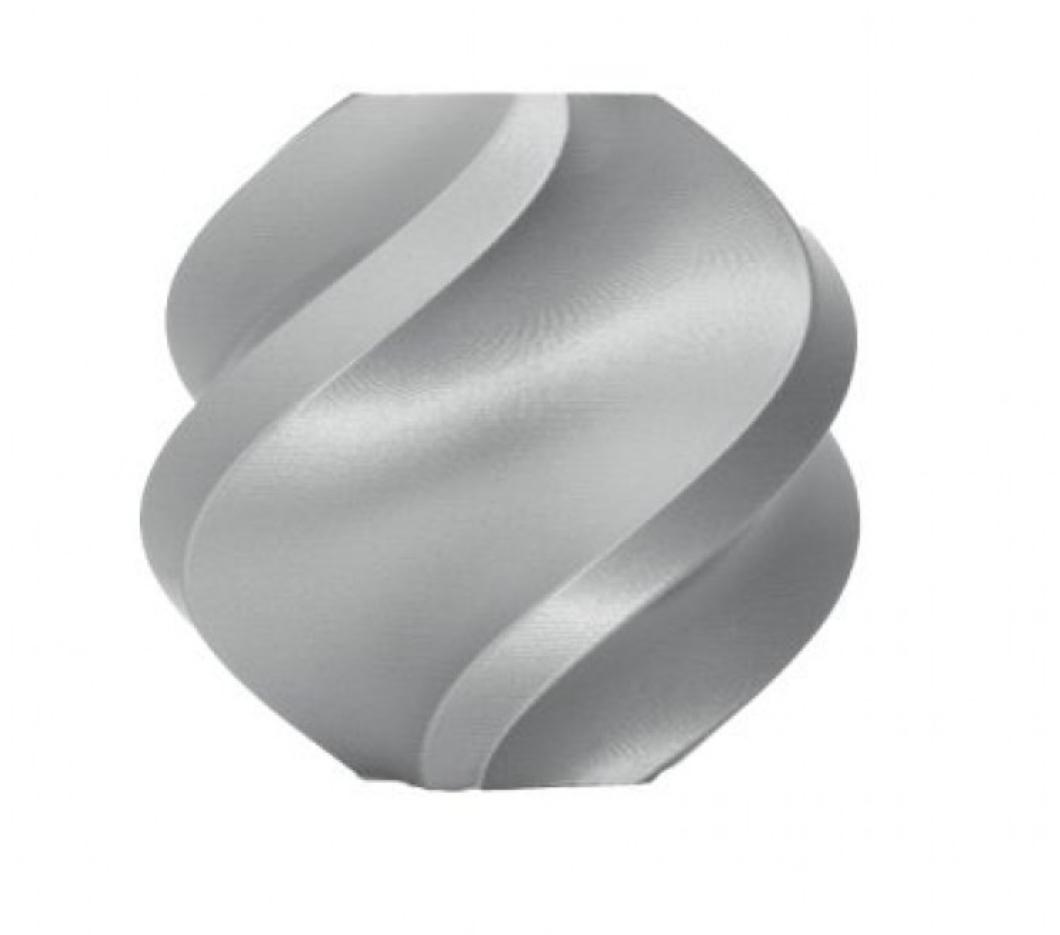
Bambu Lab PLA 3D Printer Filament – Silver 1.75mm with Reusable Spool
Premium PLA with tight diameter tolerances — less waste, more consistent extrusion, lower effective cost per print.
Calculating Electricity Cost
Printer Power Consumption
Different printers have different power ratings. Here are typical values:
| Printer Type | Typical Power (Watts) | Average Draw During Print |
|---|---|---|
| Budget FDM (Ender 3 type) | 270–350W peak | ~150W average |
| Mid-range FDM (enclosed) | 350–500W peak | ~200W average |
| High-speed FDM (Bambu Lab) | 1000W peak | ~250–350W average |
| Resin MSLA | 50–150W peak | ~40–80W average |
Electricity Tariffs in India
Indian electricity tariffs vary significantly by state and category (domestic vs commercial). Approximate 2026 rates:
- Domestic (0–200 units): ₹3.50 – ₹5.00 per kWh
- Domestic (200–500 units): ₹5.00 – ₹8.00 per kWh
- Commercial: ₹7.00 – ₹12.00 per kWh
For domestic users printing as a hobby, use ₹5.00–₹6.00/kWh as a conservative estimate. Commercial print bureaus should use ₹9.00–₹10.00/kWh.
Formula
Electricity Cost = (Average Watts / 1000) × Print Hours × ₹ per kWh
Example (Ender 3, 8 hour print, ₹6/kWh): (150/1000) × 8 × 6 = ₹7.20
Note that electricity cost is generally the smallest component of your total print cost — typically 5–15% of the total. Many makers ignore it, but it adds up over hundreds of prints.
Printer Depreciation and Maintenance
This is the most overlooked cost. Your printer wears out over time, and certain parts need regular replacement. Here is a realistic breakdown:
Printer Depreciation
Assume a printer lifespan of 3–5 years or ~5,000 print hours (whichever comes first). For a printer costing ₹25,000:
Depreciation per hour = ₹25,000 / 5,000 hours = ₹5 per print hour
Consumable Parts (Annual Estimates)
| Part | Replacement Frequency | Approx Cost |
|---|---|---|
| Nozzle (brass 0.4mm) | Every 2–3 kg filament | ₹50 – ₹200 |
| PTFE tube (Bowden) | Every 6–12 months | ₹150 – ₹400 |
| Build plate surface | Every 3–6 months | ₹300 – ₹800 |
| Bed springs/levelling | Once a year | ₹100 – ₹250 |
| Thermistor | 1–2 years | ₹80 – ₹200 |
| Belts | 1–3 years | ₹200 – ₹500 |
A realistic annual maintenance budget for a moderately used printer is ₹2,000 – ₹5,000. Over 1,000 annual print hours, that is ₹2–₹5 per print hour.
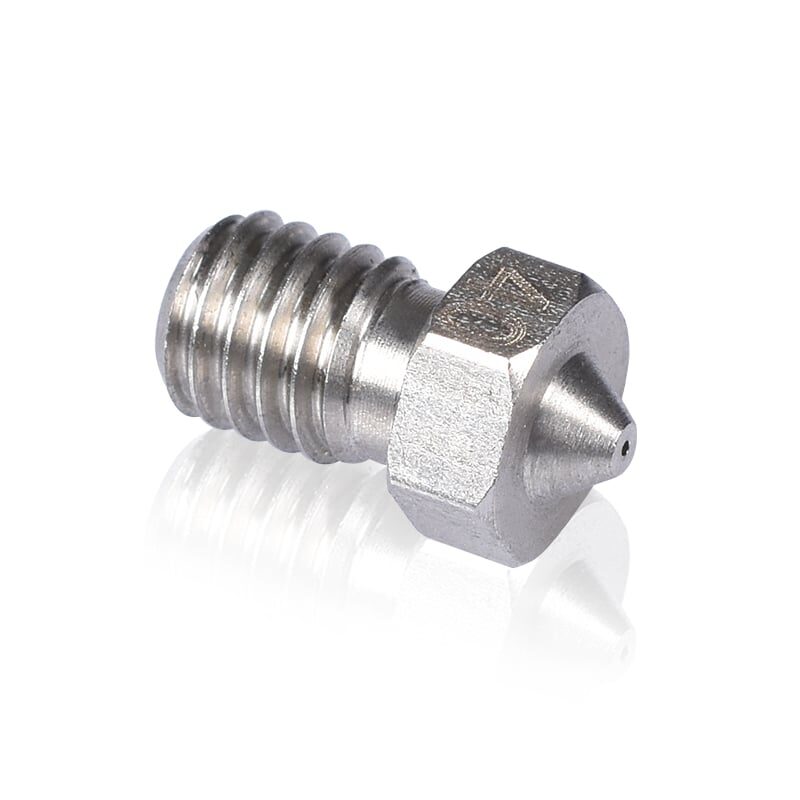
3D Printers Stainless Steel Nozzle 0.4mm
Durable stainless steel nozzle — lasts longer than brass nozzles and handles abrasive filaments without wearing out quickly.
The Hidden Cost: Your Time
For hobbyists, time is often treated as free. But if you are running a printing service or billing clients, your time has real value. Common time requirements per print:
- Setup and slicing: 15–30 minutes
- Print monitoring (active): 10–15 minutes per multi-hour print
- Support removal and post-processing: 10 minutes to 2+ hours depending on complexity
- Failures and restarts: Average 5–10% of total print time wasted
At a conservative ₹300/hour for skilled labour, even a simple print requiring 45 minutes of active time costs ₹225 in labour. This often exceeds the combined material and electricity cost.
Real-World Cost Examples (Indian Rupees)
Example 1: Small Bracket (40g, 4 hours print time)
Printer: Ender 3 type, PLA at ₹1,200/kg
- Filament: 40g × 1.10 × ₹1.20 = ₹52.80
- Electricity: (0.15kW) × 4h × ₹6 = ₹3.60
- Depreciation: 4h × ₹5 = ₹20.00
- Maintenance: 4h × ₹3 = ₹12.00
- Total: ₹88.40 (excluding your time)
Example 2: Drone Frame Section (120g, 10 hours print time)
Printer: Mid-range enclosed, PETG at ₹1,800/kg
- Filament: 120g × 1.12 × ₹1.80 = ₹241.92
- Electricity: (0.20kW) × 10h × ₹6 = ₹12.00
- Depreciation: 10h × ₹6 = ₹60.00
- Maintenance: 10h × ₹3.50 = ₹35.00
- Total: ₹348.92 (excluding time)
Example 3: Large Decorative Model (350g, 22 hours)
Printer: Budget FDM, PLA at ₹900/kg
- Filament: 350g × 1.15 × ₹0.90 = ₹362.25
- Electricity: (0.15kW) × 22h × ₹6 = ₹19.80
- Depreciation: 22h × ₹5 = ₹110.00
- Maintenance: 22h × ₹3 = ₹66.00
- Total: ₹558.05 (excluding time)
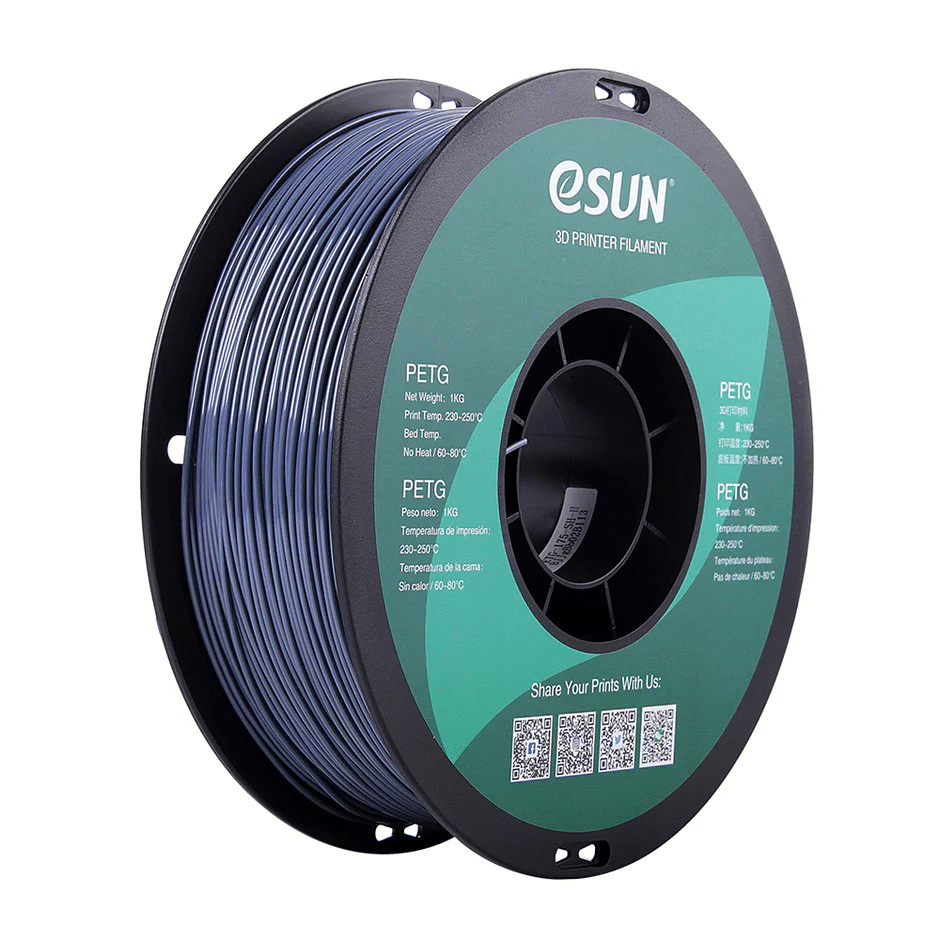
eSUN PETG 1.75mm 3D Printing Filament 1kg – Grey
Reliable PETG for functional prints. Good value for money — helps keep your per-print material costs low.
How to Reduce 3D Printing Costs in India
1. Optimise Your Slicer Settings
Use the lowest infill density that meets your strength requirements. Lightning infill at 10% for decorative parts vs 30% grid can cut filament use by 15–20%. Add 5 top layers to prevent pillowing at low infill densities.
2. Print During Off-Peak Hours
Some state electricity boards have time-of-use tariffs. Printing overnight (11 PM – 6 AM) can reduce electricity cost by 20–40% in some regions.
3. Dry Your Filament Properly
Wet filament causes failed prints and wasted material. A desiccant-based filament dry box costs ₹500–₹1,000 and can save far more in failed print costs over its lifetime. In humid Indian cities like Mumbai, Chennai, and Kolkata, this is especially important.
4. Use Filament Filters
A filament dust filter removes particles that cause nozzle clogs. Clogs waste filament and print time. A simple foam filter costs almost nothing and extends nozzle life significantly.
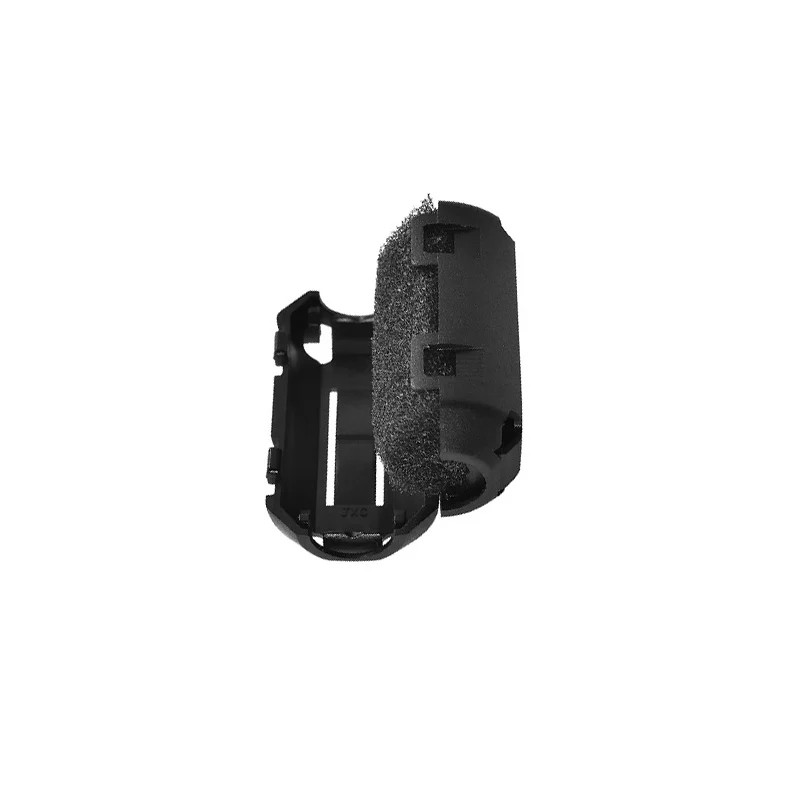
ABS PLA PETG Filament Filter Cleaner Block – Dust Removal for Ender 3, CR-10, Prusa
Keep your filament clean and your nozzle clog-free. Small investment, big savings in failed prints and nozzle replacements.
5. Buy Filament in Bulk
A 1kg spool costs ₹1,200 while buying 3–5 spools at once often drops the per-kg price by 10–20%. Plan ahead and stock commonly used colours to save money.
6. Use Premium Filament Strategically
Use budget filament for prototypes and test prints, and premium filament (Bambu Lab, eSun) only for final functional parts. Premium filament’s better dimensional accuracy reduces failed prints, making it economical for critical jobs.
DIY vs Printing Service — Which Is Cheaper?
Indian 3D printing services typically charge ₹5–₹20 per gram of finished part (varies by city, material, and complexity). Let us compare for the bracket example (40g):
| Option | Cost for 40g Part | Notes |
|---|---|---|
| DIY (own printer) | ₹88 – ₹120 | Material + electricity + depreciation |
| Local printing service | ₹200 – ₹600 | Depends on city and finish quality |
| Online service (3Dnatives, etc.) | ₹350 – ₹1,000+ | Plus shipping, delivery time |
Conclusion: DIY printing is 3–8× cheaper per part once you own a printer. Break-even for a ₹25,000 printer depends on volume — typically 100–200 sizeable prints or 1–2 years of moderate use. If you print less than 10 parts per year, outsourcing is more economical.
Frequently Asked Questions
How much does 1 hour of 3D printing cost in India?
For a typical FDM printer on domestic electricity, total cost (filament + electricity + depreciation + maintenance) ranges from ₹15 to ₹40 per print hour depending on material, printer cost, and part density. Filament is the largest variable component.
Is 3D printing cheaper than injection moulding for small quantities?
Yes, significantly. Injection moulding requires expensive tooling (₹50,000 – ₹5,00,000+ for moulds). For quantities below 500–1,000 pieces, 3D printing is almost always more economical despite higher per-piece cost.
How much does 1 kg of PLA filament cost in India in 2026?
Budget domestic brands: ₹800 – ₹1,200 per kg. Imported premium brands (Bambu Lab, eSun): ₹1,500 – ₹2,500 per kg. Prices vary with import duties and exchange rates.
What is the electricity cost of 3D printing for one month?
A hobbyist printing 30–40 hours per month on an Ender 3 type printer at ₹6/kWh would use approximately 4.5–6 kWh, costing ₹27–₹36 per month in electricity — less than a single cup of chai at a café.
Does Bambu Lab use more electricity than budget printers?
Bambu Lab printers have a higher peak wattage (~1000W) but print 3–5× faster. The net electricity cost per gram of filament printed is similar to or less than slower budget printers because the print time is so much shorter.
Conclusion
3D printing in India is genuinely cost-effective for the right use cases. The key is to calculate costs accurately across all four components — filament, electricity, depreciation, and time — rather than just the material alone.
For most hobbyists and small makers, a total cost of ₹100–₹500 per meaningful functional part is achievable. For a print bureau or serious maker, tracking these costs against your output helps you set fair prices and identify where you can improve efficiency.
Start with quality filament to reduce failed prints (the biggest hidden waste), maintain your nozzle and bed surface regularly, and optimise your slicer settings for material efficiency. Over 1,000 prints, these small improvements compound into significant savings.
Get PLA, ABS, PETG, nozzles, and accessories delivered across India. Quality parts = fewer failed prints = lower cost per print.







Add comment