
As drones become increasingly common across India — from hobbyist FPV pilots in residential areas to commercial operators conducting agricultural surveys and infrastructure inspections — questions around drone insurance are becoming more urgent. A drone crashing into a person, vehicle, or property can result in injury, significant financial loss, and legal liability. Yet most drone pilots in India fly without any insurance whatsoever.
This comprehensive guide answers the most important questions about drone insurance in India in 2025: Is it legally required? What types of cover exist? How much does it cost? Which insurers offer it? And what situations are and are not covered? Whether you are a hobbyist, a commercial operator, or a business deploying drones at scale, this guide gives you the complete picture.
1. Is Drone Insurance Mandatory in India?
The short answer: it depends on your drone category and how you use it.
Under the Drone Rules 2021 notified by the Ministry of Civil Aviation, third-party liability insurance is mandatory for all drones used for commercial purposes. However, the rules are nuanced based on drone weight category:
- Nano drones (under 250g): No mandatory insurance requirement, even for commercial use
- Micro drones (250g–2kg): Third-party liability insurance required for commercial operations
- Small drones (2kg–25kg): Third-party liability insurance mandatory for commercial operations
- Medium drones (25kg–150kg): Third-party liability insurance mandatory
- Large drones (above 150kg): Third-party liability insurance mandatory, with higher coverage amounts
For recreational/hobby flying, insurance is not explicitly mandated under DGCA’s 2021 rules. However, this does not mean flying without insurance is wise — it simply means the legal compulsion is absent. A crash can still result in a civil lawsuit regardless of whether your flying was recreational or commercial.
It is worth noting that the Indian insurance regulatory environment for drones is evolving rapidly. IRDAI (Insurance Regulatory and Development Authority of India) has been progressively updating guidelines to accommodate drone-specific products, and mandatory insurance requirements may expand to recreational use in future rule revisions.
2. DGCA Drone Rules 2021: What They Say
The Drone Rules 2021 (notified on 25 August 2021) replaced the earlier UAS Rules 2021 and represent India’s current regulatory framework for unmanned aircraft. Key provisions relevant to insurance:
Rule 33 — Third Party Insurance
Rule 33 explicitly requires that “no person shall operate a drone for any commercial purpose without having a valid third-party insurance policy.” The policy must cover bodily injury or property damage caused to third parties. The minimum coverage amount is not specified in the rules themselves — this is determined by the drone category and the insurer’s product terms.
Rule 5 — Drone Category Classification
The Rules classify drones by maximum all-up weight (MAUW), which determines regulatory requirements including insurance. Classification is based on the weight of the drone including all payloads, batteries, and accessories during operation.
Digital Sky Integration
The Drone Rules 2021 created the Digital Sky platform for drone registration, permit applications, and regulatory compliance. Commercial operators must register their drones on Digital Sky and may be required to upload proof of insurance as part of operational permits in certain zones.
Drone Certification Rules 2022
Supplementing the 2021 rules, the Drone (Amendment) Rules 2022 and Drone Certification Rules 2022 further define type certification requirements. Drones used commercially without type certification (a common situation for custom-built professional drones) occupy a regulatory grey area that affects insurability — insurers may decline cover for non-certified custom builds for commercial use.
3. Types of Drone Insurance in India
Drone insurance in India falls into several distinct categories, and understanding the difference is essential to buying the right cover:
Third-Party Liability Insurance
This is the insurance mandated by DGCA for commercial drone operations. It covers your legal liability if your drone causes injury to a person or damage to someone else’s property. It does NOT cover damage to your own drone.
Example: Your agricultural spraying drone malfunctions and crashes into a farmer’s water pump, causing ₹80,000 in damage. Third-party liability insurance pays the farmer’s claim. Your damaged drone is not covered.
Hull Insurance (Own Damage)
Hull insurance covers physical damage to your drone itself — from crashes, hard landings, collisions, weather events, and sometimes theft. This is the equivalent of comprehensive motor insurance for your drone.
Hull insurance is NOT mandatory under DGCA rules but is strongly recommended for commercial drones that represent significant capital investment. A professional agricultural drone can cost ₹5–30 lakhs — replacing it out of pocket after a crash is financially devastating.
Comprehensive Drone Insurance
A combined policy covering both third-party liability and own damage (hull). Most commercial operators benefit from this bundled approach, which simplifies policy management and often comes at a better combined premium than two separate policies.
Payload Insurance
If your drone carries expensive payloads (LiDAR sensors, thermal cameras, multispectral sensors, medical supplies, etc.), a standard hull policy may not cover payload damage. Specialist payload insurance or an endorsement to the hull policy is needed to cover these items.
Personal Accident Insurance for Pilots
Commercial drone pilots may also want personal accident cover in case they are injured while operating their drones (e.g., battery fire during handling, propeller injury). This is separate from liability insurance and covers the pilot rather than third parties.
Cargo Insurance
For drone delivery operations (BVLOS logistics, medical supply delivery, etc.), cargo insurance covers the goods being transported if they are damaged or lost during a drone delivery. This is a niche product becoming relevant as drone delivery expands in India.
4. Who Needs Drone Insurance?
Mandatory (Under Current DGCA Rules)
- Agricultural drone operators spraying crops
- Commercial survey and mapping companies
- Event photography/videography operators (commercial bookings)
- Drone delivery service providers
- Infrastructure inspection companies
- Mining and construction survey operators
- Any individual or company charging money for drone services
Strongly Recommended (Not Currently Mandatory)
- Serious hobbyists flying larger (500g+) drones near people or populated areas
- FPV racing club members flying in organised events
- Research institutions flying drones for academic projects over public or agricultural land
- Corporate entities using drones internally (not as a commercial service)
- Drone training schools and academies
Low Priority
- Nano drone (under 250g) hobbyists flying in open spaces away from people
- Indoor drone use in controlled private facilities
- Drone simulators (no real-world risk)
5. What is Typically Covered?
Coverage varies significantly between insurers and policy types, but standard commercial drone insurance in India typically covers:
Third-Party Liability Cover Typically Includes:
- Bodily injury to third parties caused by drone crash or collision
- Property damage to third-party vehicles, buildings, equipment
- Legal defence costs if a claim is made against you
- Medical expenses for injured third parties (up to policy limits)
Hull/Own Damage Cover Typically Includes:
- Accidental damage from crash or hard landing
- Collision with birds, power lines, trees
- Fire damage (including LiPo battery fire in transit)
- Damage during loading/unloading
- Some policies: theft of drone from vehicle or storage
6. Common Exclusions to Watch Out For
Drone insurance policies in India come with significant exclusions that can catch pilots off guard at claim time. Read the policy document carefully for these common exclusions:
Regulatory Non-Compliance
Flying without DGCA registration, operating in restricted zones (red zones) without permission, or flying beyond permitted altitudes will typically void your claim. Insurers consider non-compliant flights as uninsured regardless of what your policy document says elsewhere.
Pilot Qualifications
Commercial drone insurance often requires the pilot to hold a valid Remote Pilot Certificate (RPC) from a DGCA-approved training organisation. Operations by uncertified pilots for commercial purposes are typically excluded from cover.
Signal Loss / FPV Dependency
Some policies exclude claims arising from “failure of radio control signal” as a primary cause. This can be problematic for FPV operations where signal reliability is inherently variable. Check how your insurer defines and treats signal-related losses.
Wear and Tear
Gradual deterioration, battery degradation, motor bearing wear, and other maintenance-related failures are not covered. Insurance covers sudden accidental events, not predictable wear.
War and Terrorism
Standard exclusion across all insurance types.
Intentional Damage
Any intentional act or recklessness that leads to a loss invalidates the claim.
Pre-Existing Damage
Damage that existed before the policy was purchased is excluded. Insurers may require photos of the drone at the time of policy inception to establish baseline condition.
Night Operations Without Approval
Night flying is subject to additional DGCA restrictions. Claims arising from unauthorised night operations are typically excluded.
7. Drone Insurance Providers in India 2025
The drone insurance market in India has grown significantly since 2021 but remains far less developed than Western markets. The following insurers are known to offer drone-specific products:
New India Assurance
One of India’s largest general insurers and a pioneer in drone insurance. Offers both third-party liability and comprehensive drone policies. As a public sector insurer, claims handling may be slower than private sector alternatives but premiums are often competitive.
TATA AIG General Insurance
TATA AIG has been active in the drone insurance space with tailored products for commercial operators. Known for faster claim processing and clearer policy documentation. Offers hull insurance with replacement value options.
Digit Insurance
Digit, a tech-first insurer, has offered drone insurance via its digital platform. Application and policy management is simpler than traditional insurers — a significant advantage for individual operators and small businesses.
HDFC Ergo
HDFC Ergo offers drone insurance under its specialty commercial lines. Better suited for larger commercial operators and corporate clients with fleets of drones rather than individual hobbyists.
Navi General Insurance
A newer entrant offering digital-first insurance products, including drone cover targeted at the emerging commercial drone market.
Specialist Brokers
Several insurance brokers in India specialise in aviation-adjacent products and can arrange custom drone cover through Lloyd’s of London or specialist underwriters — particularly relevant for high-value LiDAR or thermal camera payloads that mainstream Indian insurers may be reluctant to cover at adequate replacement values.
8. How Much Does Drone Insurance Cost?
Drone insurance premiums in India vary widely based on drone value, coverage type, intended use, and pilot qualifications. As a rough guide:
| Drone Type / Value | Annual Third-Party Premium | Annual Comprehensive Premium |
|---|---|---|
| Hobby drone (₹15,000–50,000 value) | ₹1,500–4,000 | ₹3,000–8,000 |
| Entry commercial drone (₹50K–3L value) | ₹4,000–12,000 | ₹10,000–30,000 |
| Professional agri drone (₹3L–15L value) | ₹12,000–40,000 | ₹35,000–1,20,000 |
| LiDAR/survey drone (₹15L–50L value) | ₹40,000–1,00,000 | ₹1,20,000–3,50,000 |
These are indicative figures only — actual premiums depend on the specific insurer, policy terms, area of operation, pilot experience, and the drone’s safety record. Always get multiple quotes before committing to a policy.
Factors That Affect Premium
- Drone value: Higher value = higher premium for own damage cover
- Intended use: Agricultural spraying, cargo delivery, and BVLOS operations attract higher premiums than standard survey work
- Pilot qualifications: Certified pilots (RPC holders) often receive lower premiums
- Claim history: Previous claims or crashes reported to the insurer increase future premiums
- Area of operation: Dense urban areas attract higher liability premiums than rural operations
- Flight frequency: Higher flight hours per year increases risk and thus premium
9. How to Buy Drone Insurance in India
Step 1: Assess Your Requirements
Determine: your drone’s market value, whether you fly commercially, typical operating environment, and what liability exposure you face. This determines which policy types you need and at what coverage amounts.
Step 2: Gather Documentation
Insurers will typically require:
- Drone registration certificate from Digital Sky
- Drone make, model, serial number, and MAUW
- Proof of pilot qualifications (RPC certificate for commercial operators)
- Purchase invoice or valuation certificate for the drone
- List of payloads if seeking payload cover
- Description of typical operations (location, altitude, use case)
Step 3: Get Multiple Quotes
Contact at least 3–4 insurers or use an insurance broker who specialises in commercial aviation or technology-related products. Premiums can vary 40–80% between providers for equivalent coverage.
Step 4: Read the Policy Document Carefully
Before paying, read the full policy document — especially the exclusions section. Verify: Is FPV flying covered? What zone restrictions apply? Does the policy cover your specific type of commercial operation? What is the claims process?
Step 5: Keep Policy Documents Accessible
DGCA inspectors or police may ask to see your drone insurance certificate during a field check. Keep a digital copy on your phone and a physical copy in your drone kit bag.
10. Special Considerations for Commercial Operators
Fleet Insurance
If you operate multiple drones (common in agricultural spraying businesses), a fleet policy covering all drones under a single premium is typically more cost-effective and administratively simpler than individual policies.
Per-Mission Insurance
For drone operators who fly infrequently or for one-off commercial jobs, some insurers offer per-mission or short-term policies priced by the day or hour. This avoids paying for an annual policy when utilisation is low.
Client Requirements
Corporate clients contracting drone services often require drone operators to carry a minimum level of third-party liability insurance before hiring them. Common minimums are ₹50 lakh to ₹2 crore per occurrence. Factor this into your policy decisions when bidding for contracts.
DGCA Audit Compliance
Maintain records of all drone flights (logbook), maintenance records, and insurance certificates. In case of a DGCA audit or inquiry after an incident, complete documentation significantly improves your legal and regulatory position.
11. Safe Flying Starts with Good Equipment
Insurance covers you when things go wrong, but high-quality components reduce the chance of crashes in the first place. Here are key safety components for professional drone operators:

110cm Diameter Fast-fold Landing Pad/Helipad for RC Drone
A professional landing pad protects your drone on rough terrain and clearly marks your landing zone for safe launch and recovery — reducing the ground-handling incidents that account for many commercial drone claims.
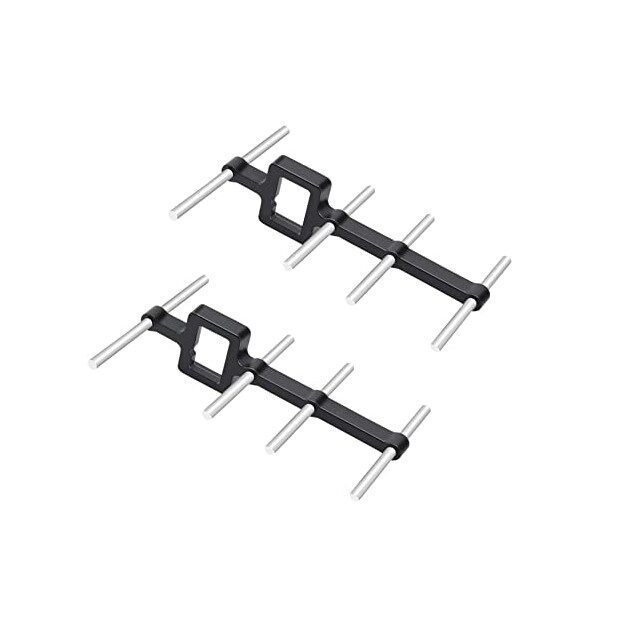
2.4GHz Yagi-UDA Drone Signal Booster
Signal loss is a leading cause of drone crashes and insurance claims. A high-gain directional antenna booster for the 2.4GHz control band significantly extends reliable control range, reducing loss-of-link incidents during commercial operations.
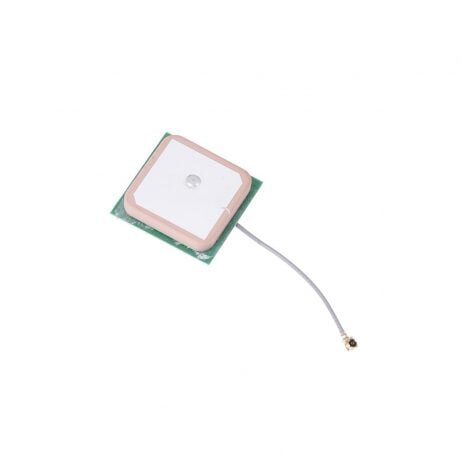
25x25x8mm 28dB High Gain Active GPS Antenna
A strong GPS lock is critical for safe Return-to-Home (RTH) failsafe operation — your last line of defence against a crash when control signal is lost. This high-gain antenna improves satellite acquisition in challenging environments.
12. Frequently Asked Questions
What happens if I fly without insurance and my drone crashes into someone’s car?
Without insurance, you are personally liable for the full cost of damage. Under Indian tort law, the owner of the drone is responsible for third-party damage caused by it. This means you could face a civil lawsuit for the full repair or replacement cost of the vehicle, plus any medical expenses if anyone was injured. There is no upper limit on what a court might award. Additionally, operating commercially without the mandated insurance is a regulatory violation under DGCA rules and can result in penalties, suspension of your Remote Pilot Certificate, and grounding of your drone.
Does standard home insurance or motor insurance cover drones in India?
In almost all cases, no. Standard home insurance policies explicitly exclude unmanned aircraft. Motor insurance only covers the insured vehicle and its liability — it does not cover drones operated by the vehicle’s owner from that location. Dedicated drone insurance is required.
Can I get insurance for a self-built (custom) drone in India?
This is a genuinely challenging area. Many mainstream insurers prefer to cover type-certified, commercially manufactured drones from recognised brands. Custom-built drones present a valuation challenge (replacement cost is ambiguous) and may be considered higher-risk without manufacturer safety testing records. Specialist aviation brokers who work with Lloyd’s syndicates have more flexibility to underwrite custom builds. Be prepared to provide detailed specifications, component invoices, and a build log.
Is third-party liability insurance enough, or do I need hull cover too?
Third-party liability is legally required for commercial operations but only protects others — not your drone. Whether hull cover makes financial sense depends on your drone’s value. If your drone cost ₹50,000 and you could absorb a total loss, hull cover may not be worth the additional premium. If your drone cost ₹5,00,000 or more, hull cover is strongly advisable. A general rule: insure anything you could not replace out-of-pocket without serious financial difficulty.
Does drone insurance cover crashed drones from FPV racing?
Most standard commercial drone policies explicitly exclude racing events and FPV-specific flying. Some specialist insurers offer event-specific FPV racing cover, typically as a per-event policy purchased through the race organiser or FPV club. Contact your insurer specifically about racing cover before relying on a standard policy at a racing event.
How do I file a drone insurance claim in India?
Immediately after an incident: (1) Secure the crash site and assist any injured parties. (2) Document everything — photograph the crash scene, your drone’s condition, any third-party damage, and collect witness contact details. (3) File an FIR with the local police if there is injury to persons or significant property damage. (4) Notify your insurer within the time period specified in your policy (usually 24–48 hours). (5) Do not repair or dispose of the drone before the insurer’s surveyor has assessed it. (6) Submit all documentation requested by the insurer promptly.
13. Conclusion
Drone insurance in India is mandatory for commercial operations involving drones above 250g and strongly advisable for any serious hobbyist or research operator. The Indian drone insurance market is growing but still maturing — policies vary significantly in their terms, and reading the fine print is essential.
The key takeaways for Indian drone operators in 2025:
- Third-party liability insurance is legally required for commercial drone operations (Rule 33, Drone Rules 2021)
- Hull/own damage insurance is not mandatory but financially prudent for high-value drones
- Always verify that your intended operation type is covered — FPV, BVLOS, and racing may be excluded
- Keep your drone registered on Digital Sky, your RPC current, and your insurance certificate accessible during flights
- Prevention is better than claims — invest in quality components, maintain your drone properly, and fly within regulatory boundaries
The cost of adequate drone insurance is a small fraction of the financial and legal exposure that an uninsured crash can create. For any serious commercial operator in India, it is simply a non-negotiable cost of doing business safely and legally.
Fly Safer with Quality Drone Components
Reduce your crash risk with reliable drone components from Zbotic. We stock professional-grade frames, ESCs, GPS modules, and safety accessories for commercial and hobbyist drone operators across India.

Add comment