
If your 3D prints are coming out stringy, brittle, or covered in tiny bubbles, there is a very good chance your filament has absorbed moisture from the air. In India’s humid climate — especially during monsoon season — even a single day of exposure can ruin an entire spool. A good filament dryer is not a luxury; it is essential equipment for anyone serious about print quality.
This guide covers everything you need to know about filament dryers: how they work, which materials need drying the most, what to look for when buying one in India, and our top recommendations across different budgets.
Why Filament Drying Matters in India
India’s average humidity ranges from 50% to over 90% depending on the region and season. Cities like Mumbai, Chennai, Kolkata, and Kochi see humidity levels that can exceed 85% for months at a stretch. Most 3D printing filaments — particularly hygroscopic materials like Nylon, PETG, PVA, and even PLA — absorb moisture from the air at these humidity levels.
Moisture inside filament turns to steam when it hits the hot end, causing micro-explosions that result in poor layer adhesion, surface imperfections, and a characteristic popping or crackling sound during printing. For functional parts, this moisture absorption can reduce tensile strength by 20–40%. For aesthetic prints, it ruins surface finish entirely.
Even in drier regions like Delhi or Rajasthan, monsoon season brings several months of high humidity each year. Investing in a filament dryer — or at the very least a heated dry box — pays for itself quickly in saved material and better prints.
Signs Your Filament Has Gone Wet
Before spending money on a dryer, it helps to confirm that moisture is actually your problem. Here are the clearest indicators:
- Popping or hissing sounds during extrusion — water vaporising in the hot end
- Stringing and oozing worse than usual, especially on travel moves
- Bubbles or foam texture on the surface of printed parts
- Brittle filament that snaps easily when you try to bend it
- Under-extrusion without any obvious clog or mechanical issue
- Dull, matte finish on materials that normally print glossy (like PETG)
- Colour change — some PLA spools will appear slightly lighter after absorbing moisture
If you notice three or more of these symptoms, your filament almost certainly needs drying before your next print.
How Filament Dryers Work
A filament dryer is essentially a heated enclosure that holds a spool (or multiple spools) at a controlled temperature for several hours. The gentle heat evaporates moisture from the filament without degrading the plastic. Most dedicated dryers also include a fan to circulate warm air and carry moisture out of the chamber, and many now include an active desiccant system or humidity display.
There are three main approaches to filament drying in use today:
- Dedicated filament dryers — designed specifically for the job, with a spool holder, heating element, fan, and sometimes a print-while-dry pass-through port. Best performance and convenience.
- Food dehydrators — a popular budget alternative in India. Works well but requires adapter trays to hold 200mm spools, and temperature accuracy can vary.
- Filament storage boxes with desiccant — passive solutions using silica gel or active desiccant. Prevent moisture absorption but don’t dry already-wet filament effectively.
For most hobbyists and small workshops in India, a dedicated filament dryer in the ₹2,000–₹6,000 range hits the sweet spot of performance and affordability.
What to Look for When Buying a Filament Dryer
Not all filament dryers are equal. Here are the key specs to evaluate:
Temperature Range
PLA can be dried at 45°C, but Nylon needs 70–80°C and PC needs up to 120°C. Make sure the dryer you buy can hit the temperatures needed for the filaments you use. If you only print PLA, a basic dryer will do. If you work with engineering materials, spend a bit more for wider temperature range.
Spool Compatibility
Standard spools are 200mm in diameter, but some brands use wider flanges. Check the inner diameter of the dryer chamber before buying. Most quality dryers fit spools up to 220mm diameter.
Print-While-Drying Capability
Some dryers have a pass-through hole in the lid so filament can feed directly into the printer while still being actively dried. This is a premium feature that eliminates the need to pre-dry before every print session.
Humidity Display
A built-in humidity sensor lets you monitor drying progress and confirm when filament has reached the target moisture level. Very useful for Nylon and other highly hygroscopic materials.
Timer and Auto-Shutoff
Since drying takes 4–12 hours, a timer that automatically shuts off the unit is important for safety and convenience, especially if you start a drying cycle overnight.
Power Consumption
Most filament dryers consume 40–100W. At Indian electricity rates of roughly ₹7–₹9 per kWh, a 6-hour drying cycle on a 50W unit costs about ₹2–₹3. Very economical.
Top Filament Dryers Available in India
1. Sunlu FilaDryer S2 — Best Overall
The Sunlu S2 is the most popular dedicated filament dryer among Indian makers, and for good reason. It supports temperatures from 35°C to 70°C (upgraded models go to 95°C), has a colour LCD display, built-in humidity sensor, timer up to 24 hours, and a pass-through hole for print-while-drying. It fits all standard 200mm spools and most 250mm spools. At around ₹3,500–₹4,500 in India, it represents excellent value.
Best for: PLA, PETG, ABS, TPU, ASA — most common filaments used in India
2. eSun eBOX — Runner-Up
The eSun eBOX combines active drying with filament storage. It has a built-in scale to monitor filament weight, LED display, and a heating system that reaches 55°C. While the max temperature is lower than the Sunlu S2, it is ideal for PLA and PETG users. Priced around ₹3,000–₹4,000, it is a solid second choice with the added bonus of weight tracking to know how much filament remains.
3. Bambu Lab AMS Lite — Best for Bambu Printer Owners
If you own a Bambu Lab printer, the AMS (Automatic Material System) includes passive humidity control via integrated desiccant. Not a traditional dryer, but combined with properly dried filament loaded into the sealed AMS, it provides excellent moisture protection during long prints.
4. Food Dehydrator (Budget Pick)
A standard food dehydrator with stackable trays (look for models with 35–75°C range) costs ₹1,500–₹2,500 and can dry filament effectively. You will need to remove some trays to fit a full spool. It’s loud, not as precise, and lacks pass-through capability — but it works. Brands like Agaro and Prestige have models widely available on Indian e-commerce platforms.
5. Polymaker PolyDryer Box — Best for Storage + Drying Combo
The Polymaker PolyDryer acts as both a storage box and an active dryer when needed. It uses a heating element with a fan and comes with a humidity indicator. Temperature range goes up to 70°C. At around ₹4,500–₹5,500 in India, it is premium-priced but built with high-quality materials and excellent spool compatibility.
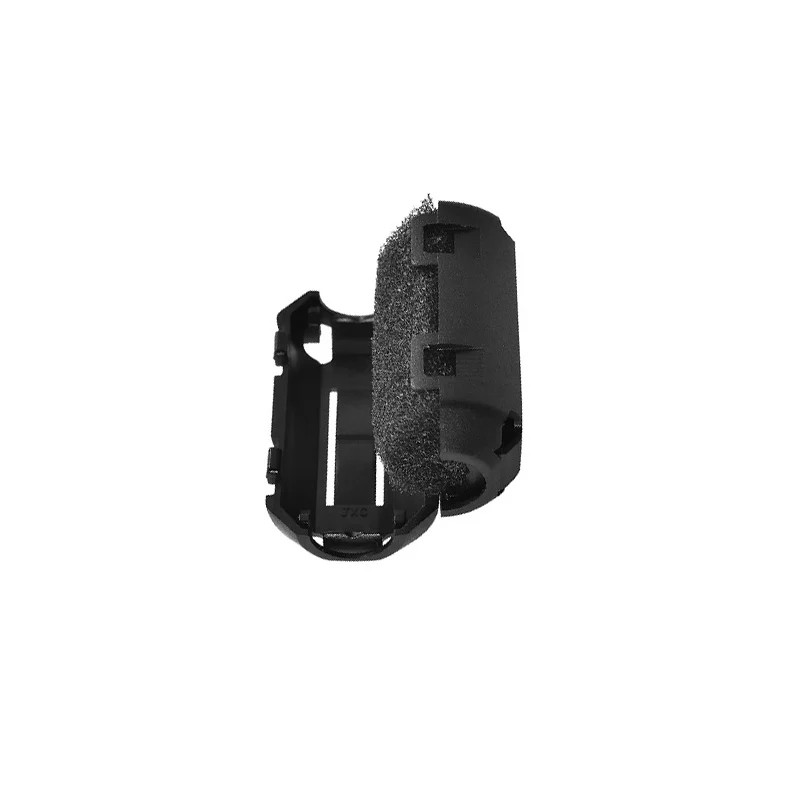
Filament Dust Filter & Cleaner for Ender 3 / CR-10 / Prusa
Keep your filament clean and dust-free as it feeds into the printer. Works with PLA, ABS, PETG — pairs perfectly with any drying solution to ensure maximum print quality.
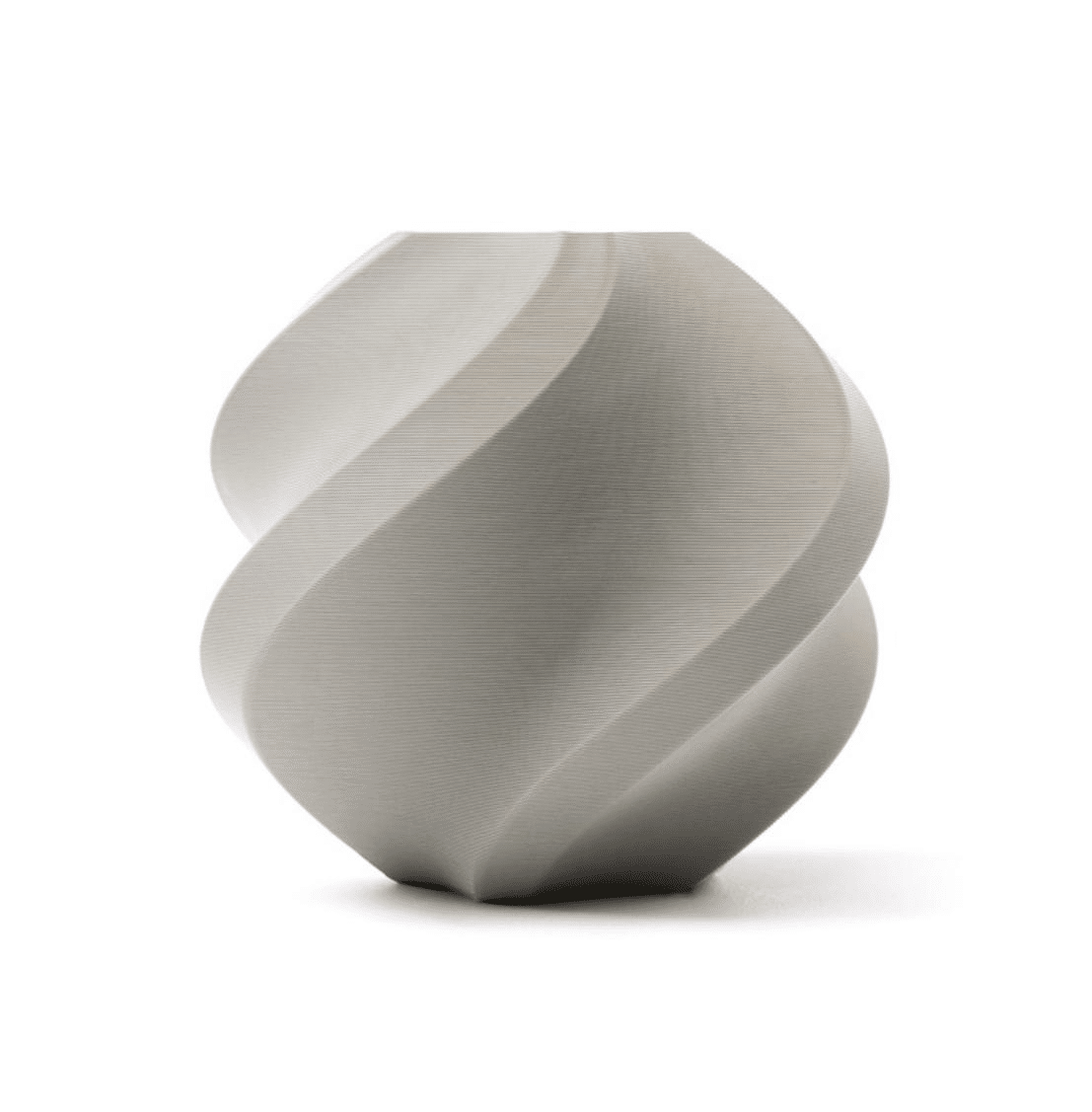
Bambu Lab PLA Filament Grey – 1.75mm with Reusable Spool
Premium PLA from Bambu Lab with consistent diameter and low moisture absorption. Store this in a dry box or dryer after opening to maintain quality across all your prints.
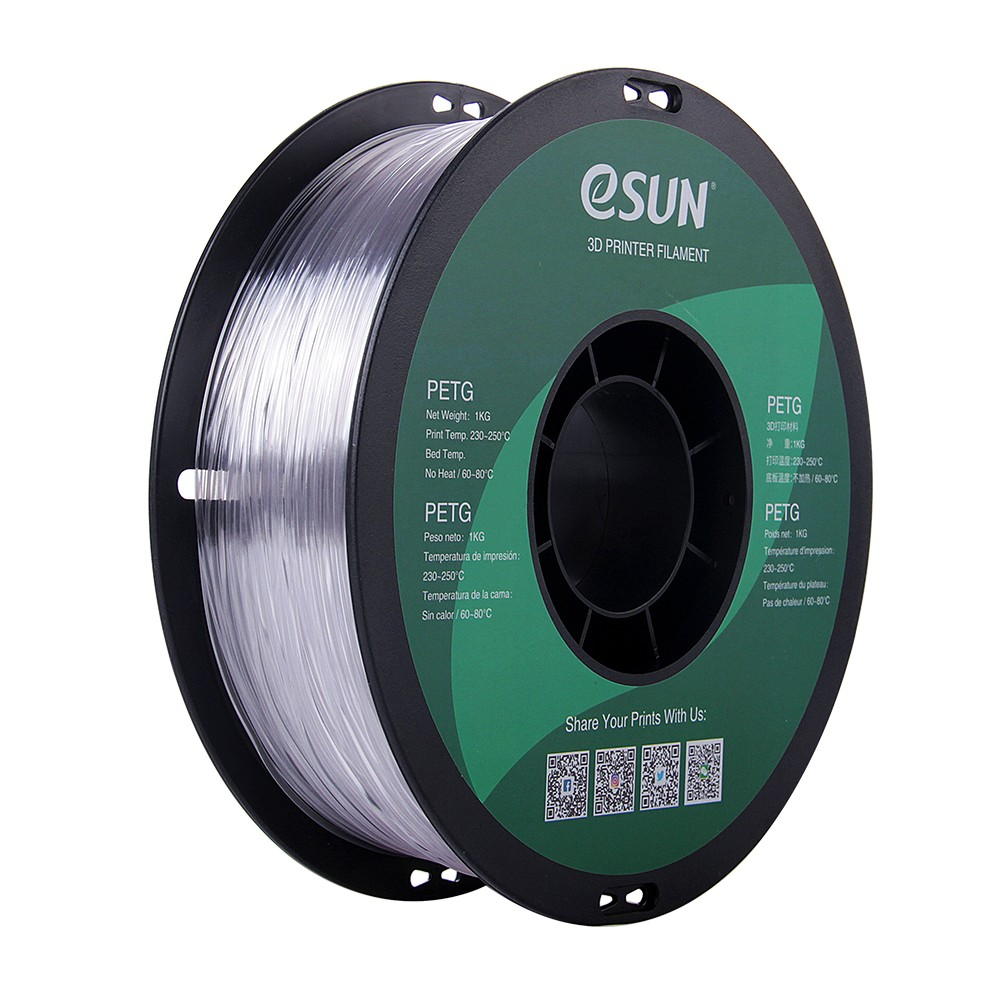
eSun PETG 1.75mm Filament 1kg – Clear
PETG is highly hygroscopic and should always be stored dry. Pair this spool with a filament dryer for best results — expect glass-clear prints with zero bubbling or stringing.
Drying Temperatures for Common Filaments
Use this reference table for drying times and temperatures:
| Filament | Drying Temp | Drying Time | Hygroscopic? |
|---|---|---|---|
| PLA | 45°C | 4–6 hours | Low–Medium |
| PETG | 65°C | 4–6 hours | High |
| ABS / ASA | 65–70°C | 4–6 hours | Medium |
| Nylon | 75–90°C | 8–12 hours | Very High |
| TPU / TPE | 50–65°C | 4–8 hours | High |
| PVA | 45°C | 4–6 hours | Extreme |
| PC | 100–120°C | 6–8 hours | High |
Note: These are general guidelines. Always check the manufacturer’s recommendations for your specific filament brand.
Long-Term Filament Storage Tips
A filament dryer solves the immediate problem of wet filament, but good storage practices prevent moisture absorption in the first place. Here is a practical storage strategy for India’s climate:
Airtight Containers with Desiccant
Store opened spools in airtight plastic bins or zip-lock bags with fresh silica gel desiccant packets. In India, you can buy large quantities of silica gel cheaply through industrial suppliers. Use colour-indicating silica gel (turns from blue/orange to pink/colourless when saturated) so you know when to regenerate it in an oven.
Vacuum Bags
For long-term storage (months rather than weeks), vacuum-seal spools in heavy-duty bags. This eliminates virtually all moisture exposure. A basic hand pump vacuum sealer works fine.
Dedicated Dry Cabinet
If you have more than 10–15 spools, a dry cabinet (available from electronics supply stores, used for PCB storage) maintains humidity below 15% continuously. These cost ₹8,000–₹25,000 but are a one-time investment for serious hobbyists or small production setups.
Filament Filters During Printing
Even during printing, a filament dust filter acts as the last line of defence, removing particles and some surface moisture as the filament enters the PTFE tube. Simple and inexpensive.
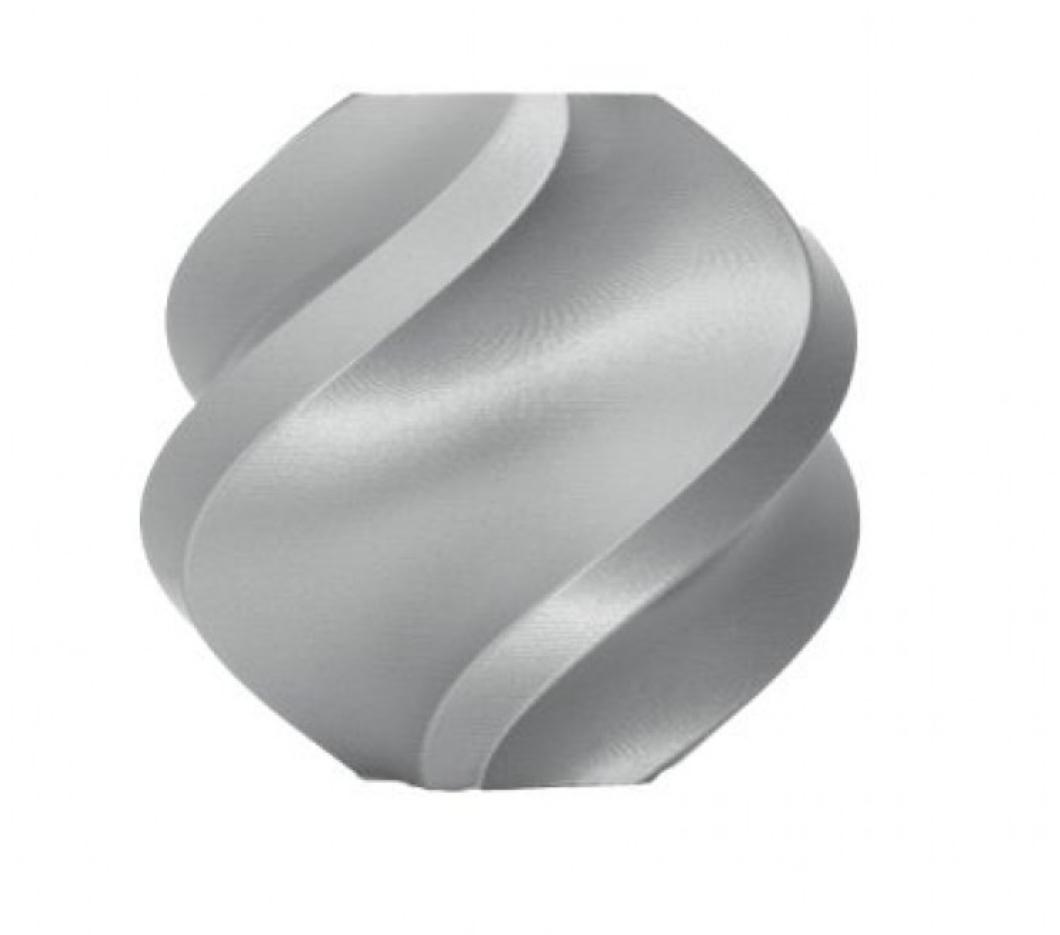
Bambu Lab PLA Filament Silver – 1.75mm with Reusable Spool
High-quality PLA with excellent dimensional consistency. The reusable spool reduces waste and the sealed packaging helps maintain freshness until first use.
Frequently Asked Questions
Can I use my home oven to dry filament?
Technically yes, but it is risky. Most home ovens cannot accurately hold temperatures below 60°C, and the cycling of the thermostat can cause spikes above the glass transition temperature of PLA (around 60°C), warping the spool. If you try this, use an oven thermometer and check frequently. A dedicated dryer is far safer and only costs slightly more than a food dehydrator.
How long does it take to dry wet filament?
For PLA and PETG, 4–6 hours at the correct temperature is usually sufficient for mildly damp filament. Nylon or filament that has been sitting open in humid conditions for weeks may need 8–12 hours. You can tell it is done when the hissing/popping sounds disappear during printing.
Is it okay to dry filament while printing?
Yes — this is actually the recommended approach with dryers that have a pass-through port. Drying while printing ensures filament exits the dryer as dry as possible right before it enters the hot end.
Does PLA really need drying?
PLA is less hygroscopic than Nylon or PETG but it does absorb moisture, especially in India’s climate. If you are printing functional parts or need a smooth surface finish, dry your PLA. For quick test prints or prototypes, it is often acceptable to skip drying if the spool was stored in reasonable conditions.
How do I regenerate silica gel desiccant?
Place saturated silica gel in an oven at 120°C for 1–2 hours. The moisture evaporates and the desiccant returns to full capacity. Colour-indicating silica gel will turn back to its original colour when fully regenerated. This can be done dozens of times before the silica gel needs replacement.
Are cheap filament dryers from Indian e-commerce sites reliable?
Quality varies significantly. Stick to established brands like Sunlu, eSun, or Polymaker even when buying on Indian platforms. No-name dryers often have inaccurate temperature controls — the actual chamber temperature can differ from the display by 10–20°C, which defeats the purpose of precise drying.
Ready to Upgrade Your Filament Storage?
Explore high-quality filaments and 3D printing accessories at Zbotic — India’s trusted source for makers and engineers.







Add comment